
Alaska, the Last Frontier, conjures images of majestic glaciers, towering mountains, and, inevitably, extreme cold. While its reputation for frigid temperatures is well-deserved, the reality of Alaska’s climate is far more nuanced and diverse than many imagine. Understanding how cold it truly gets, and where, is crucial for anyone planning to travel, explore, or even consider a long-term stay in this magnificent state. From the relatively mild coastal regions to the truly brutal Arctic Circle, Alaska offers a spectrum of cold, each demanding different preparations and promising unique experiences. This comprehensive guide delves into Alaska’s temperatures, helping you pack, plan your accommodation, and embrace the local lifestyle, no matter the season.
Decoding Alaska’s Diverse Climates: From Coast to Arctic
Alaska is the largest state in the United States, encompassing an immense land area that spans several distinct climate zones. This geographical expanse means that asking “How cold is it in Alaska?” is akin to asking about the weather across an entire continent. The answer varies dramatically depending on your location within the state and the time of year.
Coastal Regions: A Milder Chill
The coastal areas of Alaska, particularly along the Gulf of Alaska and the Inside Passage, experience a maritime climate heavily influenced by the Pacific Ocean. Cities like Juneau, the state capital, and coastal towns further north enjoy comparatively milder winters and cooler, wetter summers than their interior counterparts.
In Juneau, winter temperatures typically hover between 20°F and 35°F (-6°C to 2°C). While snow is abundant, it’s rarely accompanied by the extreme sub-zero temperatures found elsewhere. Summer months see averages of 50°F to 65°F (10°C to 18°C), offering pleasant conditions for exploring landmarks such as the Mendenhall Glacier and enjoying tourism activities like whale watching. The dampness from frequent rainfall and cloudy skies can make it feel cooler, so waterproof gear is essential even when the mercury isn’t plummeting. Popular cruise ship destinations in the Inside Passage, such as Sitka and Ketchikan, share this temperate pattern.
Interior Alaska: The Epicenter of Extreme Cold
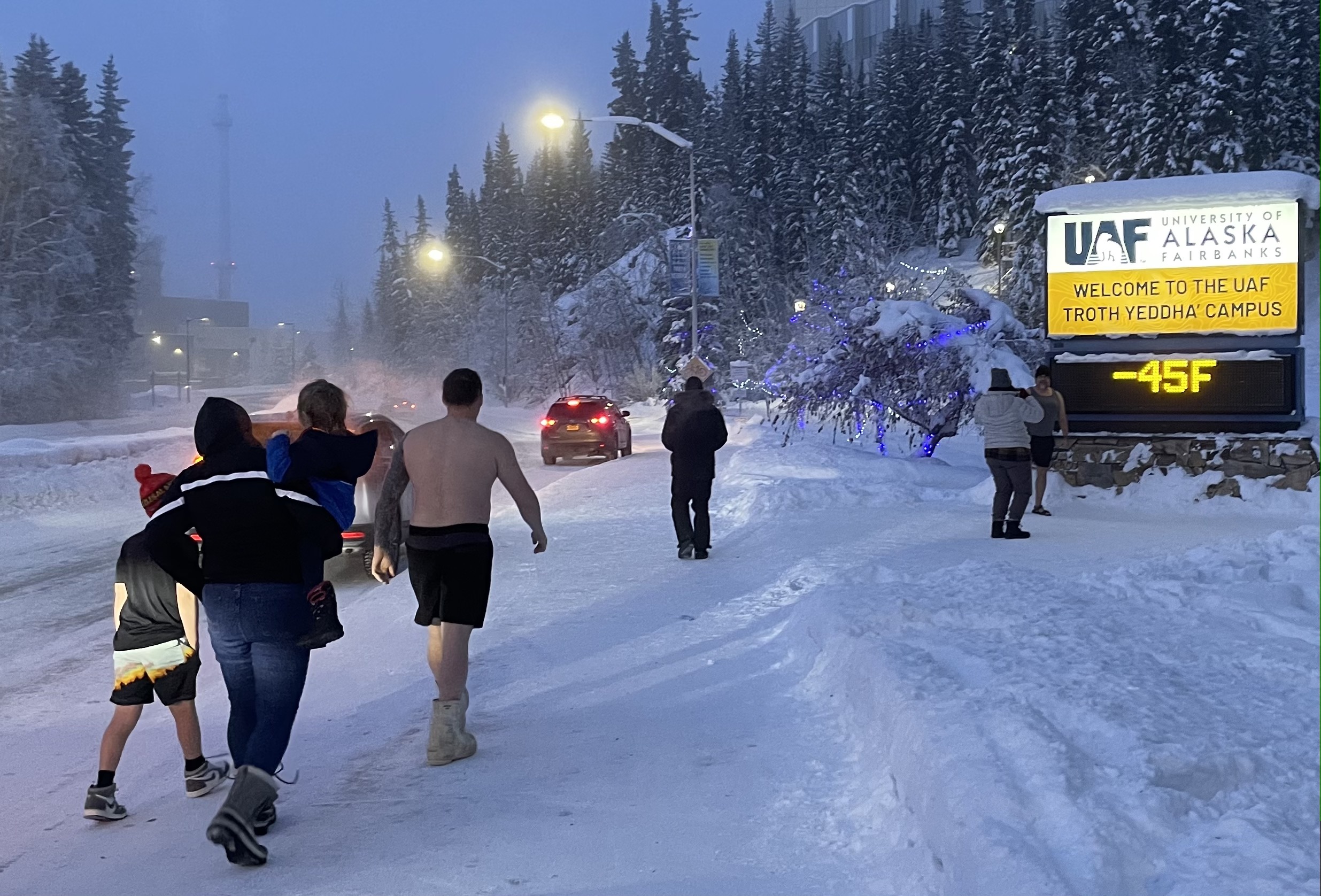
Venture inland, away from the moderating influence of the ocean, and the climate shifts dramatically to a subarctic continental type. Cities like Fairbanks truly embody Alaska’s’s reputation for extreme cold. Here, winters are long, dark, and intensely frigid. Average January temperatures in Fairbanks typically range from -10°F to 15°F (-23°C to -9°C), but it’s not uncommon for the thermometer to plunge to -40°F (-40°C) or even colder during cold snaps. The lowest recorded temperature in Fairbanks was a bone-chilling -66°F (-54°C).
Despite the bitter cold, interior Alaska experiences surprisingly warm summers. July averages can reach 60°F to 75°F (16°C to 24°C), with daylight lasting nearly 24 hours. This makes it a popular time for travel and exploring landmarks like Denali National Park, home to North America’s tallest peak, Denali (formerly Mount McKinley). The stark contrast between seasons here defines the Alaskan lifestyle, where residents adapt to both extremes with remarkable resilience.
Arctic and Western Alaska: The Deep Freeze
The northernmost regions of Alaska, particularly above the Arctic Circle, represent the pinnacle of cold. Places like Utqiaġvik (formerly Barrow), the northernmost city in the United States, experience extended periods of darkness in winter and perpetually frozen ground (permafrost). Winter temperatures routinely average between -10°F and -25°F (-23°C to -32°C), but can plummet much lower, with the coldest recorded temperature at -56°F (-49°C). The Bering Sea and Arctic Ocean heavily influence the western coastal areas, making them windy and often foggy, intensifying the chill. Even summer in the Arctic is cool, with averages barely reaching above freezing, typically 35°F to 50°F (2°C to 10°C). Travel to these destinations is usually for specialized tourism or business stays related to resource extraction, demanding robust accommodation and meticulous preparation.
Planning Your Alaskan Adventure: Seasonal Extremes and Essential Preparations
Understanding Alaska’s temperature variations is the first step in planning a successful trip. Whether you’re seeking the iconic Northern Lights in winter or the vibrant wildlife of summer, preparation is key to enjoying the experience safely and comfortably.
Winter Wonders: Embracing the Chill
For many, winter is the quintessential Alaskan experience. Despite the cold, the landscape transforms into a pristine wonderland, offering unique attractions and activities. The Northern Lights are best viewed from September to April, with Fairbanks being a prime viewing location due to its position under the auroral oval and clear, cold skies. Winter activities include dog sledding (you can even witness the famous Iditarod Trail Sled Dog Race start in Anchorage and end in Nome), snowmobiling, ice fishing, and skiing.
Essential Gear for Cold Weather: Layering is paramount. Start with a moisture-wicking base layer, add insulating middle layers (fleece or down), and finish with a waterproof and windproof outer shell. Don’t forget warm gloves or mittens, a hat that covers your ears, insulated waterproof boots, and wool socks. Hand and foot warmers are highly recommended for extended outdoor exposure. For luxury travel, specialized cold-weather gear from high-end brands offers superior comfort and performance. Even if your accommodation provides cozy warmth, stepping outside unprepared can quickly lead to discomfort or even danger.
Summer’s Mild Embrace: Chasing the Midnight Sun
Summer in Alaska (roughly June to August) offers a dramatically different experience. The cold recedes, replaced by mild temperatures, lush landscapes, and nearly 24 hours of daylight (the “midnight sun”). This is peak tourism season, ideal for wildlife viewing (bears, moose, caribou), hiking in national parks like Glacier Bay National Park or Kenai Fjords National Park, fishing for salmon, and scenic drives along routes like the Alaska Highway. Average temperatures range from 50°F to 70°F (10°C to 21°C) across most of the state, though coastal areas remain cooler and rainier. Even in summer, evenings can be chilly, and mountain elevations often retain snow, so layers are still advisable, though less extreme than winter. Mosquito repellent is also an absolute necessity during summer.

Accommodation and the Alaskan Lifestyle: Adapting to the Cold
The cold deeply influences every aspect of life and travel in Alaska, from hotel design to local culture and cuisine. Finding the right accommodation and understanding how locals navigate the elements are key to a fulfilling Alaskan experience.
Cozy Stays: Hotels, Resorts, and Unique Lodging
Accommodation in Alaska is designed to keep guests warm and comfortable, especially during the colder months. You’ll find a range of options, from boutique hotels in Anchorage to remote wilderness lodges and resorts near ski areas.
- Hotels in Major Cities: In Anchorage and Fairbanks, you’ll find familiar hotel chains and local establishments offering modern amenities like robust heating systems, indoor pools, and heated garages. Hotel Captain Cook in Anchorage, for example, offers luxurious suites and excellent dining, perfect for a business stay or a comfortable base for family trips.
- Resorts and Lodges: For those seeking a blend of comfort and access to outdoor activities, resorts like Alyeska Resort near Girdwood offer ski-in/ski-out accommodation, spas, and hot tubs – perfect for warming up after a day on the slopes or hiking trails. Wilderness lodges, often accessible only by small plane, provide an immersive experience with cozy cabins, fireplaces, and gourmet food.
- Unique Stays: Consider a cozy cabin rental, especially if you’re looking for a long-term stay or a more rustic experience near popular landmarks. Many feature wood-burning stoves and excellent insulation. For budget travel during summer, campgrounds and hostels are available, though planning for sudden temperature drops is always wise. When booking accommodation, always check reviews regarding heating, especially in winter.
The Alaskan Lifestyle: Resilience and Community
Life in Alaska is a testament to human adaptability. Locals are experts at living with the cold, embodying a spirit of self-reliance and community.
- Food and Drink: Alaskan cuisine is hearty and comforting, featuring fresh seafood, wild game, and locally sourced ingredients designed to provide warmth and energy. Expect delicious salmon, halibut, reindeer sausage, and warming stews. Cozy restaurants with roaring fireplaces are common across destinations like Talkeetna or Seward.
- Community and Events: Despite the vastness, Alaska boasts strong community ties. Winter festivals, ice carving competitions, and local hockey games are popular ways to embrace the season. The local culture often revolves around outdoor activities and a deep appreciation for nature, regardless of the temperature.
- Transportation: Be prepared for winter driving conditions. Vehicles are often equipped with block heaters and studded tires. Rental cars typically come prepared, but always confirm. For remote travel, small aircraft, snowmobiles, or even dog sleds are common modes of transport, highlighting the ingenuity of the Alaskan lifestyle.
Iconic Alaskan Landmarks Through the Seasons
Many of Alaska’s’s most famous landmarks take on different personas depending on the season and the accompanying temperatures.
Denali National Park
In summer, Denali National Park is teeming with wildlife, vibrant wildflowers, and offers the best chance to see Mount Denali ( Mount McKinley) free of clouds. Temperatures are mild, making hiking and camping popular. In winter, only a small portion of the park road is open, accessible by ski, snowshoe, or dog sled. The landscape transforms into a silent, snow-covered expanse, offering unparalleled solitude and often stunning views of the mountain on clear, albeit frigid, days.
Mendenhall Glacier
Near Juneau, the Mendenhall Glacier is accessible year-round. In summer, boat tours allow close-up views, and hiking trails lead to scenic overlooks. In winter, the surrounding area is blanketed in snow, and the glacier and frozen Nugget Falls take on an ethereal beauty. Ice caves, when safe to access, offer a mesmerizing blue glow. While winter temperatures are relatively mild for Alaska, proper gear is still essential for comfort during outdoor exploration.
Arctic Circle Sign
Crossing the Arctic Circle is a bucket-list item for many. The roadside sign on the Dalton Highway is a popular photo opportunity. In summer, temperatures can be cool but tolerable. In winter, however, this region experiences the most extreme cold in the state, often dipping to -40°F (-40°C) or colder. Visitors attempting this journey in winter must be exceptionally prepared with extreme cold-weather gear, an emergency kit, and a reliable vehicle, as services are scarce. This is a true test of an adventurer’s resilience.

Conclusion: Embracing Alaska’s Temperamental Beauty
“How cold is it in Alaska?” is a question with a thousand answers, each painted by the vastness of its landscapes, the rhythm of its seasons, and the resilience of its people. From the temperate rainforests of the Inside Passage to the frozen tundra of Utqiaġvik, Alaska presents a diverse climatic tapestry.
Whether you are dreaming of a luxury travel escape to witness the Northern Lights from a cozy lodge in Fairbanks, planning a summer family trip to explore Denali National Park’s trails, or embarking on a rugged budget travel adventure into the wild, understanding the cold is fundamental. It shapes the tourism industry, dictates what accommodation is available, and defines the unique Alaskan lifestyle.
Alaska’s cold isn’t just a temperature; it’s an integral part of its identity, demanding respect, preparation, and an adventurous spirit. With the right gear, informed planning, and a willingness to embrace its elemental beauty, Alaska offers an unforgettable experience, no matter how low the mercury drops. So, pack your layers, choose your season, and prepare to be awestruck by the majestic, and sometimes bone-chilling, wonders of the Last Frontier.
LifeOutOfTheBox is a participant in the Amazon Services LLC Associates Program, an affiliate advertising program designed to provide a means for sites to earn advertising fees by advertising and linking to Amazon.com. Amazon, the Amazon logo, AmazonSupply, and the AmazonSupply logo are trademarks of Amazon.com, Inc. or its affiliates. As an Amazon Associate we earn affiliate commissions from qualifying purchases.