
When planning a visit to a new city, safety is often a primary concern for travelers. Boston, a vibrant and historic metropolis, attracts millions of visitors annually, drawn by its rich past, world-class institutions, and lively atmosphere. For those considering exploring beyond the immediate downtown core, neighborhoods like East Boston naturally pique curiosity. This area, with its distinct character and burgeoning culinary scene, often prompts the question: “Is East Boston safe?”
This comprehensive guide aims to provide a nuanced understanding of safety in East Boston, drawing upon general crime statistics, local insights, and practical tips for visitors. By examining the area’s characteristics and offering actionable advice, we can paint a clearer picture for prospective travelers, ensuring a confident and enjoyable experience.
Understanding Safety in Urban Environments
Before delving specifically into East Boston, it’s crucial to establish a general framework for understanding urban safety. Every major city, regardless of its reputation, experiences a spectrum of safety concerns. These can range from petty theft and opportunistic crimes to more serious incidents. The perception of safety is also influenced by various factors, including media coverage, personal experiences, and the general atmosphere of a neighborhood.
It’s important to distinguish between the overall crime rate of a city and the localized safety of specific neighborhoods. Boston, like many large cities, has areas with higher and lower reported crime rates. This is not unique to Boston; it’s a common characteristic of urban centers worldwide. When assessing the safety of a particular district, it’s beneficial to consider:
- Socioeconomic factors: These can sometimes correlate with crime rates, though they are not direct predictors.
- Police presence and community policing efforts: Visible patrols and community engagement can significantly impact perceived and actual safety.
- Urban development and gentrification: As neighborhoods evolve, safety perceptions and realities can shift.
- Daytime vs. nighttime safety: Some areas that feel bustling and safe during the day might require more caution after dark.
With this context in mind, we can now turn our attention to East Boston itself.
Exploring East Boston: A Neighborhood Overview
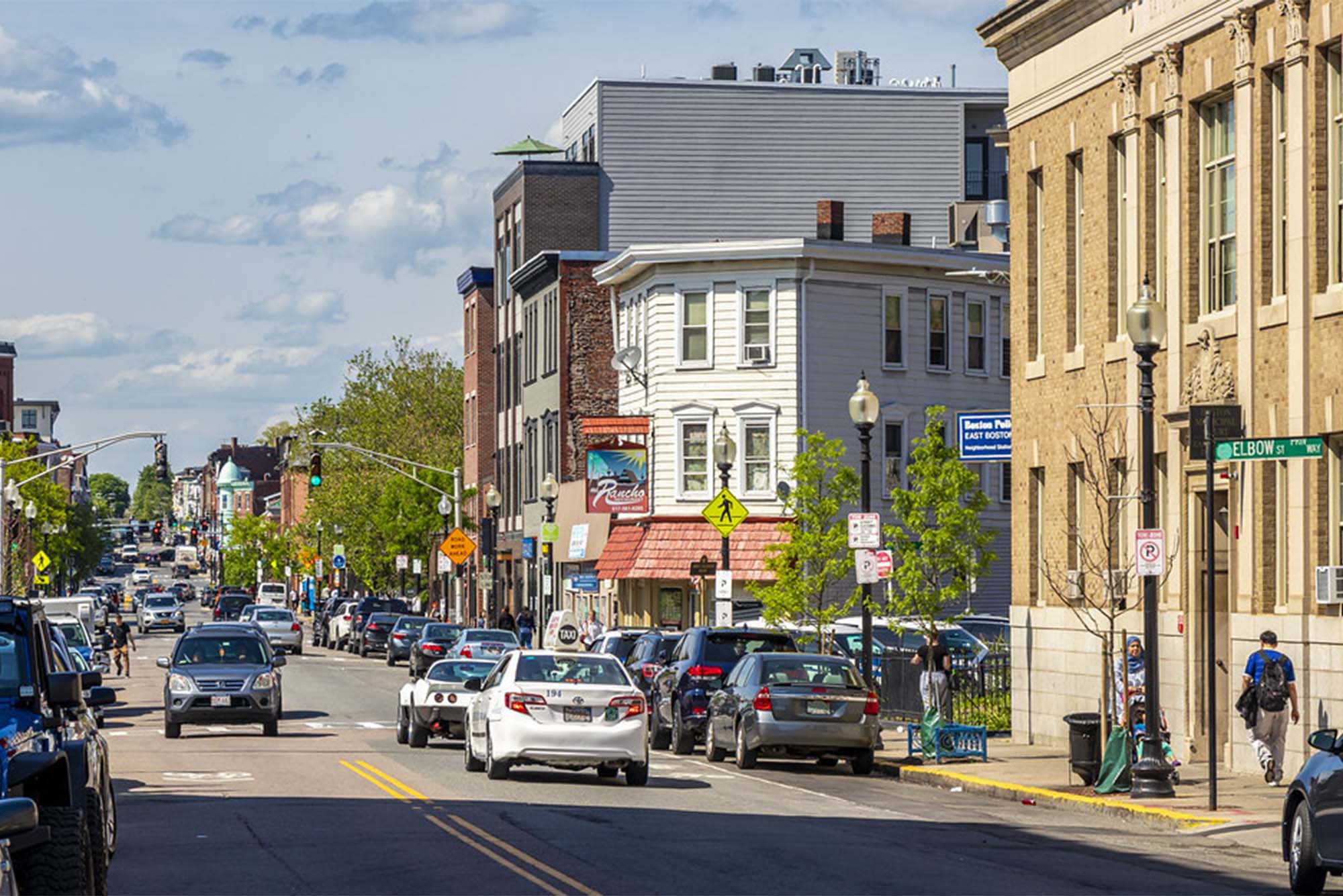
East Boston, often referred to as Eastie, is a peninsula located across the Boston Harbor from downtown Boston. Historically, it was a working-class neighborhood with a strong immigrant heritage, particularly from Italy and Ireland. Today, it’s a dynamic and diverse community, experiencing significant growth and change.
The neighborhood is characterized by its unique geography, offering stunning views of the Boston skyline. It’s easily accessible from downtown Boston via the Blue Line of the MBTA (Massachusetts Bay Transportation Authority) subway system, as well as by ferry and car. This accessibility makes it an attractive destination for both residents and visitors.
What Draws Visitors to East Boston?
East Boston has emerged as a vibrant hub for a number of reasons, attracting tourists interested in more than just the typical downtown attractions:
- Culinary Delights: The area boasts an incredible array of restaurants, from authentic Italian trattorias and classic American diners to innovative gastropubs and award-winning establishments. East Boston is a food lover’s paradise, offering a diverse and high-quality dining experience that rivals any other part of the city. You can find everything from traditional pasta dishes to modern fusion cuisine, often at more accessible price points than downtown.
- Waterfront Charm and Views: The East Boston waterfront offers breathtaking panoramic views of the Boston skyline, the Zakim Bridge, and the harbor. Parks like Piers Park provide scenic walking paths, recreational areas, and prime spots for photography, especially at sunset. The proximity to the water offers a unique perspective on the city.
- Local Culture and Community: East Boston retains a strong sense of community and a rich cultural tapestry. Visitors can experience a more authentic, less tourist-centric side of Boston, interacting with locals and observing daily life. The neighborhood’s history is palpable, with its traditional architecture and close-knit feel.
- Proximity to Logan International Airport: For many travelers, East Boston is their first or last point of contact with the city due to its direct adjacency to Logan International Airport. This makes it a convenient location for short stays or for those with early or late flights.
Transportation and Accessibility
The ease of getting to and around East Boston is a significant factor in its appeal. The MBTA Blue Line provides a quick and efficient connection to major downtown Boston attractions such as Quincy Market, Faneuil Hall, and the North End. The ferry service offers a particularly scenic route, providing spectacular views as you cross the harbor. Driving is also an option, though parking in urban areas can be challenging.
Assessing Safety in East Boston: Data and Perceptions
Addressing the question “Is East Boston safe?” requires a balanced approach, considering both official data and the lived experiences of its residents and visitors.
Crime Statistics and Trends
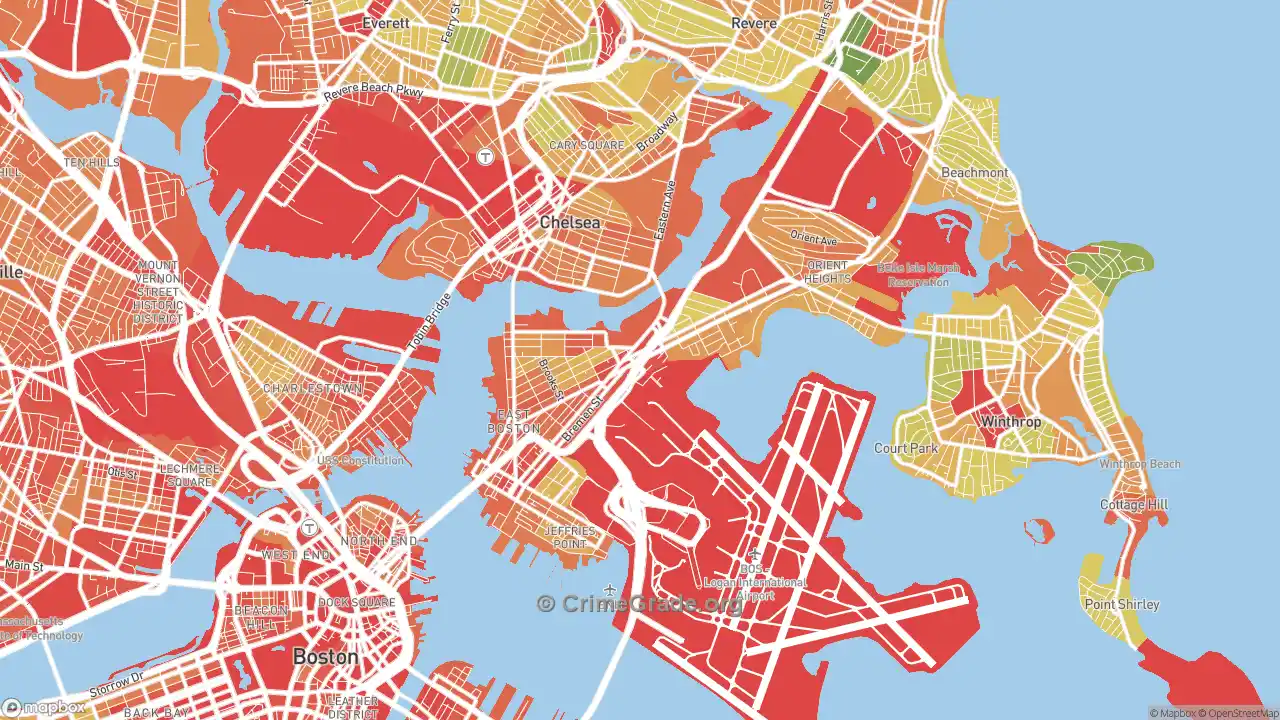
Like any urban neighborhood, East Boston has its share of reported crime. It’s important to consult reliable sources for crime statistics, such as those provided by the Boston Police Department. Generally, urban areas, particularly those undergoing development and gentrification, can experience fluctuations in crime rates.
When reviewing crime data for East Boston, it’s essential to consider:
- Types of Crime: Are reported incidents predominantly property crimes (like theft or vandalism) or violent crimes? Property crimes are often more common in urban areas and can be mitigated by common-sense precautions.
- Location within East Boston: Safety can vary from block to block, and even within the neighborhood, certain areas might be perceived as safer than others.
- Time of Day: As with most urban areas, certain streets or areas might feel less secure late at night compared to during daylight hours.
It is crucial to avoid generalizations. East Boston is a large and diverse area, and painting it with a single brushstroke regarding safety would be inaccurate. Many residents and long-time visitors report feeling safe in East Boston, particularly in well-trafficked areas and during daylight hours.
Perceptions vs. Reality
The perception of safety can sometimes be more influential than the actual statistics, especially for visitors unfamiliar with the area. Media portrayals, anecdotal evidence, and the general “buzz” around a neighborhood can shape expectations.
East Boston has historically had a reputation that may not always reflect its current reality. As the neighborhood continues to evolve, with new businesses, residential developments, and a growing influx of visitors, its safety profile is also changing. Many parts of East Boston are vibrant, family-friendly, and welcoming. The presence of numerous well-regarded restaurants, parks, and community gathering spots suggests an environment where people feel comfortable spending their time.
Practical Safety Tips for Visitors in East Boston
Regardless of the specific neighborhood in Boston or any other city, practicing standard safety precautions is always recommended. Here are some tips specifically tailored for visitors exploring East Boston:
During the Day
- Stay Aware of Your Surroundings: This is a universal travel tip. Be mindful of who is around you, especially in crowded areas.
- Secure Your Belongings: Keep wallets, phones, and purses in secure, zipped pockets or bags. Avoid displaying expensive electronics or jewelry unnecessarily.
- Stick to Well-Lit and Populated Areas: When walking, especially if you are unfamiliar with the streets, favor routes that are well-lit and have other people around.
- Utilize Public Transportation Wisely: The MBTA Blue Line and ferries are generally safe and efficient. Be aware of your surroundings on public transit, as you would in any city.
- Enjoy the Parks and Waterfront: Areas like Piers Park are popular and generally very safe during the day. They are great places to relax and enjoy the views.
During the Evening and Night
- Plan Your Transportation: If you plan to dine out or explore East Boston in the evening, have a plan for how you will get back to your accommodation. Taxis, rideshares like Uber and Lyft, and the MBTA are options.
- Be Cautious in Less Populated Areas: As in any urban environment, it’s wise to exercise extra caution in quieter or less familiar streets late at night.
- Trust Your Instincts: If a situation or area feels uncomfortable, it’s best to remove yourself from it.
- Consider Dining at Popular Spots: Restaurants are often hubs of activity, and the areas immediately surrounding them tend to be more populated and feel safer in the evening. East Boston has a fantastic dining scene, offering plenty of choices.
Accommodation Choices
When choosing where to stay in East Boston, consider proximity to MBTA stations or main thoroughfares. Many visitors opt for hotels near Logan International Airport, which offers convenient access to the city while also placing them within East Boston. Researching specific hotel reviews, including comments on neighborhood safety, can also be helpful. For example, options like the Hyatt Boston Harbor or Renaissance Boston Waterfront Hotel are located in areas with high foot traffic and are generally considered safe.
Research and Local Knowledge
- Consult Online Resources: Websites like TripAdvisor, Yelp, and official tourism sites often feature traveler reviews that can offer insights into neighborhood safety.
- Ask Locals: If you are staying at a hotel or interacting with locals, don’t hesitate to ask for their advice on safe areas to explore and any particular precautions they recommend.

Conclusion: A Welcoming Neighborhood with Common Sense Precautions
So, is East Boston safe? The answer, like for most urban neighborhoods, is nuanced. East Boston is a neighborhood with a rich history, a vibrant present, and a promising future. It offers a unique cultural experience, incredible food, and stunning views of the Boston skyline. While no urban area is entirely free from crime, East Boston is a neighborhood where millions of people live, work, and visit without incident.
By understanding the general safety landscape of large cities, appreciating the specific characteristics of East Boston, and employing common-sense precautions, visitors can confidently explore and enjoy all that this dynamic neighborhood has to offer. Focus on well-trafficked areas, be aware of your surroundings, and plan your movements, especially after dark. With a little preparation and an open mind, your experience in East Boston is likely to be memorable for all the right reasons – its delicious food, captivating views, and authentic local charm.
LifeOutOfTheBox is a participant in the Amazon Services LLC Associates Program, an affiliate advertising program designed to provide a means for sites to earn advertising fees by advertising and linking to Amazon.com. Amazon, the Amazon logo, AmazonSupply, and the AmazonSupply logo are trademarks of Amazon.com, Inc. or its affiliates. As an Amazon Associate we earn affiliate commissions from qualifying purchases.