
Florida, often referred to as the “Sunshine State,” is a vibrant and ever-growing real estate market. From the bustling metropolises like Miami and Orlando to the serene beaches of the Florida Keys and the charming historic districts of St. Augustine, the demand for housing and commercial properties is consistently high. This dynamic environment presents a lucrative opportunity for individuals looking to embark on a career in real estate. Obtaining a real estate license in Florida is the crucial first step towards unlocking this potential, allowing you to assist buyers, sellers, landlords, and tenants in navigating the complexities of property transactions. This comprehensive guide will walk you through the essential requirements, educational pathways, and procedural steps necessary to secure your Florida real estate license.

Understanding the Florida Real Estate License Requirements
Before diving into the educational and examination aspects, it’s vital to understand the fundamental eligibility criteria set forth by the Florida Department of Business and Professional Regulation (DBPR). These requirements are designed to ensure that all licensed real estate professionals possess a certain level of integrity, competence, and commitment to the profession.
Eligibility Criteria for Aspiring Realtors
To be considered for a Florida real estate license, you must meet the following core qualifications:
- Age: You must be at least 18 years of age. This is a standard age requirement for most professional licenses, ensuring a level of maturity and legal capacity.
- Social Security Number: You must have a valid Social Security number. This is necessary for background checks and to ensure proper identification within state and federal systems.
- High School Diploma or GED: You must possess a high school diploma or a General Educational Development (GED) certificate. This demonstrates a foundational level of education.
- Honesty and Integrity: You must possess the honesty, truthfulness, and good character, and be of good reputation to deal honestly with others. This is assessed through a background check, and any past criminal convictions or disciplinary actions from other licensing boards will be scrutinized. The DBPR has specific guidelines regarding what types of offenses may disqualify an applicant, but a history of financial impropriety or fraud is often a significant concern.
Types of Florida Real Estate Licenses
Florida offers two primary types of real estate licenses: the Sales Associate license and the Broker license. The pathway to becoming a Broker is a progression from becoming a Sales Associate, requiring additional education and experience.
- Sales Associate License: This is the entry-level license. A Sales Associate works under the supervision of a licensed real estate Broker. They can perform real estate activities such as listing properties, showing properties to potential buyers, and assisting with contract negotiations, all under the Broker’s guidance. This is the typical starting point for most individuals entering the profession.
- Broker License: To become a Broker, you must first hold a Sales Associate license for at least 24 months within the preceding 5 years and complete additional pre-licensing education. A Broker can operate independently, open their own real estate brokerage firm, hire and supervise Sales Associates, and handle escrow accounts. This license signifies a higher level of expertise and responsibility.
The Educational and Examination Pathway
The journey to obtaining your Florida real estate license involves completing specific educational courses and passing a state-administered examination. The DBPR oversees these processes to ensure that all applicants have a solid understanding of real estate principles, laws, and ethics.
Completing Pre-Licensing Education
The initial step for most aspiring realtors is to complete the required pre-licensing education. This coursework is designed to provide a comprehensive overview of real estate concepts, legal frameworks, and ethical practices relevant to the Florida market.
Sales Associate Pre-Licensing Course
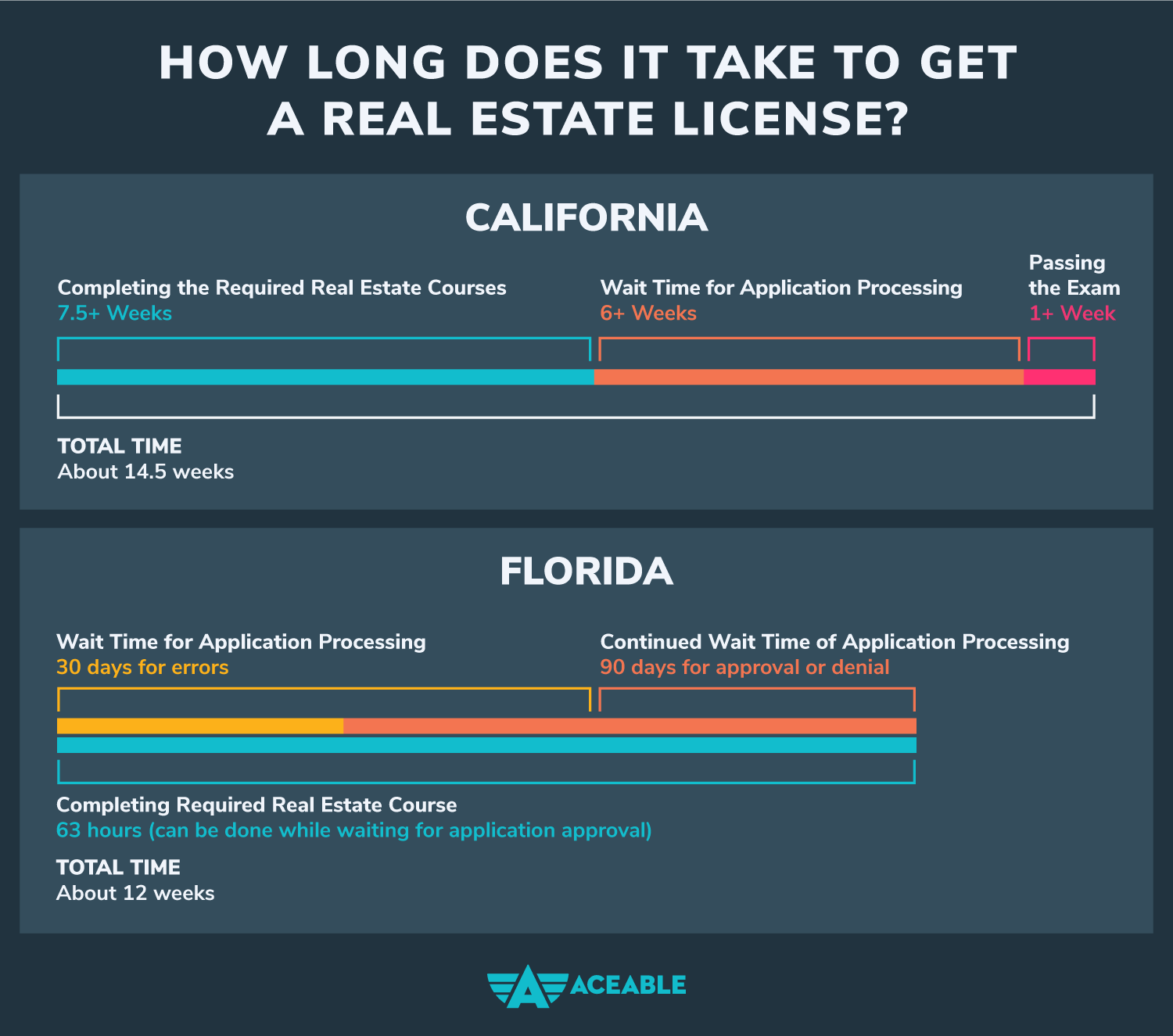
To qualify for a Sales Associate license, you must successfully complete a 63-hour pre-licensing course approved by the Florida DBPR. This course covers a broad range of topics, including:
- Real property law and ownership
- Landlord and tenant laws
- Financing and mortgage principles
- Market economics and valuation
- Ethics and professional conduct
- Fair housing laws
- Contracts and deeds
- Real estate licensing laws and procedures
Many accredited real estate schools offer this 63-hour course in various formats, including in-person classroom settings, online self-paced modules, and live online instruction. Choosing the format that best suits your learning style and schedule is essential for success. Upon completion of the course, you will receive a certificate, which is a prerequisite for scheduling your state examination.
Broker Pre-Licensing Course
For those aspiring to become Brokers, a more advanced educational requirement exists. You must complete a 72-hour Broker pre-licensing course after meeting the experience requirements for a Broker license. This course delves deeper into management, brokerage operations, advanced finance, appraisal, and legal aspects of real estate brokerage.
Preparing for and Taking the State Licensing Exam
Once you have completed the required pre-licensing education and been issued your course completion certificate, the next critical step is to pass the Florida Real Estate Sales Associate or Broker license examination. This exam is administered by the Pearson VUE testing service on behalf of the DBPR.
The Florida Real Estate Exam Structure
The exam is designed to test your knowledge of the material covered in the pre-licensing courses and your understanding of Florida-specific real estate laws and regulations.
- Sales Associate Exam: This exam consists of 100 multiple-choice questions, with a time limit of 3.5 hours. A passing score is typically 75%. The exam covers both national real estate principles and Florida-specific laws.
- Broker Exam: The Broker exam is more comprehensive, featuring 80 multiple-choice questions with a time limit of 3 hours. A passing score is also 75%. It emphasizes brokerage management, advanced legal concepts, and financial principles.
Application and Scheduling
To take the exam, you must first submit a license application to the DBPR, which includes passing a background check. Once your application is approved, you will receive an “Eligibility to Test” notice from Pearson VUE. You can then schedule your exam appointment online or by phone. It is advisable to schedule your exam as soon as possible after receiving your eligibility notice, as test centers can fill up quickly, especially in popular areas like Tampa and Fort Lauderdale.
Study Strategies for Success
Thorough preparation is key to passing the state licensing exam. Many students utilize study guides, practice exams, and flashcards provided by their pre-licensing course providers. Reviewing your course materials diligently, focusing on areas where you feel less confident, and taking numerous practice tests can significantly boost your readiness. Understanding key terms, legal concepts, and Florida-specific statutes is crucial for success.
Navigating the Application and Licensing Process
Beyond education and examination, there are administrative steps you must complete to officially obtain your real estate license. These steps ensure that all necessary documentation is filed correctly and that you meet all the state’s requirements.
Post-Exam Application and Activation
After successfully passing the state licensing exam, you are not immediately licensed. You must complete the final steps of the application process and activate your license.
Submitting Your Application and Fees
Ensure all sections of your initial license application are complete and accurate. You will need to pay the required application and licensing fees to the DBPR. These fees cover the cost of processing your application, background checks, and issuing your license.
Choosing Your Broker Affiliation
For Sales Associates, a critical step is to find a sponsoring Broker. You cannot legally practice real estate as a Sales Associate without being affiliated with a licensed real estate Brokerage. You will need to submit a Broker Affiliation Form to the DBPR, indicating your chosen Broker. Many new licensees choose to work with established Brokerages that offer training and mentorship programs, which can be invaluable during the initial stages of your career. Consider factors like commission splits, training opportunities, company culture, and the types of properties they specialize in when making your choice. Some popular choices for new agents might include large national brands or successful local firms in areas like Jacksonville.
Background Check and Fingerprinting
As part of the application process, you will be required to undergo a fingerprint-based background check. This is typically done through a state-authorized live scan fingerprinting service. The results of this check are submitted directly to the DBPR for review. Any discrepancies or significant findings may require further explanation and could impact your eligibility.
Maintaining Your License
Once you have your Florida real estate license in hand, your responsibilities do not end. To keep your license active and in good standing, you must adhere to ongoing requirements.
Continuing Education (CE) Requirements
Florida licensees are required to complete continuing education to maintain their licenses.
- Sales Associates: Must complete 28 hours of approved continuing education within each two-year renewal period. This includes a 3-hour ethics and business practices course, a 3-hour laws update course, and 22 hours of other approved specialty courses.
- Brokers: Must also complete 28 hours of CE within each two-year renewal period, with similar requirements for ethics and laws updates, but may also need additional courses specific to Broker management.
Failure to complete the required CE by your license renewal deadline can result in your license becoming inactive or even being revoked. It is crucial to stay on top of these requirements and choose courses that enhance your knowledge and skills, perhaps focusing on emerging trends in areas like luxury properties or vacation rentals in popular tourist destinations such as Clearwater.

License Renewal Process
Licenses must be renewed every two years. The DBPR will typically send out renewal notices before your license expiration date. You can usually renew your license online through the DBPR’s website. This process involves confirming your personal information, attesting that you have met the CE requirements, and paying the renewal fees. Renewing on time is critical to avoid late fees and potential issues with your license status.
By understanding and diligently following these steps, you can successfully navigate the process of obtaining your Florida real estate license and begin building a rewarding career in one of the nation’s most dynamic property markets. Whether you dream of helping families find their first home in a quiet suburban neighborhood or assisting investors in acquiring beachfront properties along the coast, your Florida real estate license is the key to unlocking these opportunities.
LifeOutOfTheBox is a participant in the Amazon Services LLC Associates Program, an affiliate advertising program designed to provide a means for sites to earn advertising fees by advertising and linking to Amazon.com. Amazon, the Amazon logo, AmazonSupply, and the AmazonSupply logo are trademarks of Amazon.com, Inc. or its affiliates. As an Amazon Associate we earn affiliate commissions from qualifying purchases.