
The Unfolding of a Northern Dream
The journey of Alaska from a vast, sparsely populated territory to the 49th state of the United States is a narrative woven with threads of ambition, geopolitical strategy, and the persistent will of its people. For decades following its purchase from Russia in 1867, Alaska was often regarded as a distant, frozen frontier, a veritable “icebox” of little practical value. Yet, beneath its icy exterior lay immense potential, a wealth of natural resources, and a growing desire among its inhabitants for self-governance and full citizenship within the American union. The path to statehood was not a direct one, marked by periods of neglect, burgeoning economic interests, and a shifting national consciousness.

From Purchase to Territory: A Long and Winding Road
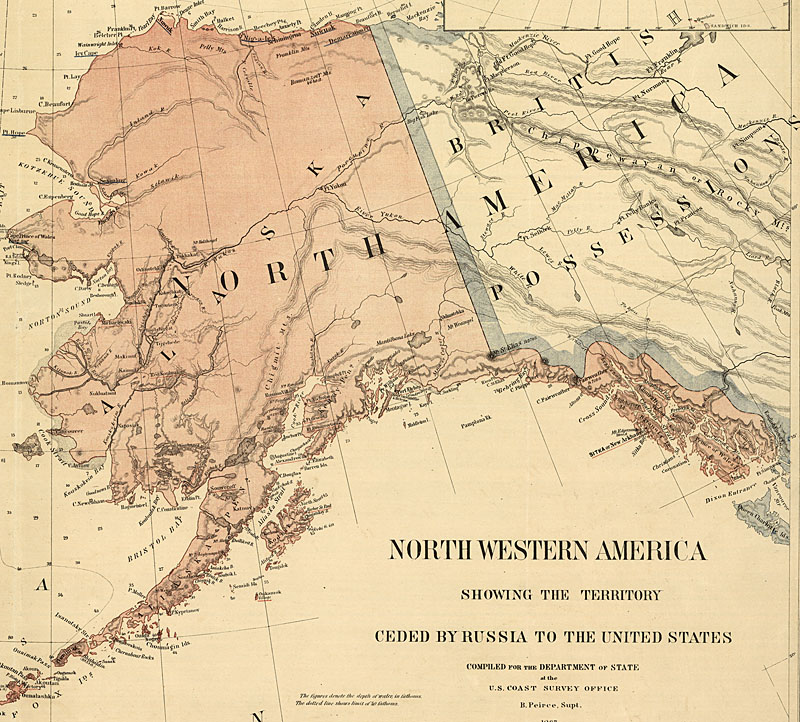
The story of Alaska’s transition to statehood began not with a grand vision, but with a strategic sale. In 1867, William Seward, the U.S. Secretary of State under President Andrew Johnson, championed the purchase of Alaska from Russia for a sum of $7.2 million – approximately two cents per acre. This acquisition, initially derided by critics as “Seward’s Folly” or “Seward’s Icebox,” was driven by Seward‘s keen understanding of America’s growing global influence and the strategic importance of controlling the Pacific Northwest. The immense size and perceived emptiness of the territory meant that for many years, its administration was minimal.
Initially, Alaska was governed by military rule, followed by a period under U.S. Treasury Department supervision. It was not until 1912, with the passage of the Second Organic Act, that Alaska officially became an organized U.S. territory. This act granted Alaskans a territorial legislature and a non-voting delegate to the U.S. Congress, marking a significant step towards greater self-determination. However, this was still a far cry from the full representation and sovereign powers afforded to states. The economic realities of the time, dominated by large-scale resource extraction by distant corporations, often overshadowed the needs and aspirations of the residents.
The Allure of Gold and the Stirrings of Identity
The late 19th and early 20th centuries witnessed a series of gold rushes, most notably the Klondike Gold Rush that began in 1896. While much of the gold was found in Yukon, the influx of prospectors and settlers through Alaska transformed its landscape and economy. Towns like Skagway and Juneau boomed, and the potential for significant economic development became increasingly apparent. This period also fostered a growing sense of Alaskan identity among its diverse population, which included Native Alaskans, early settlers, and a wave of new arrivals drawn by the promise of fortune.
As the territory’s population grew and its economic contributions became more substantial, the desire for statehood intensified. Alaskans began to see statehood not just as a political aspiration, but as a means to gain greater control over their resources, to influence federal policy, and to secure their future. The limitations of territorial status became increasingly frustrating, particularly in areas such as taxation, infrastructure development, and representation in national decision-making processes. The Second World War further highlighted Alaska’s strategic importance, with the construction of military bases and the completion of the Alaskan Highway underscoring its role in continental defense. This era also saw an increase in federal investment in the territory, further embedding it within the national fabric.
The Post-War Push for Statehood
Following World War II, the movement for statehood gained significant momentum. Alaskans actively organized, lobbying Congress and raising public awareness about their cause. They argued that they were as capable of self-governance as any other part of the nation and that their contributions, both economically and strategically, warranted full statehood. The national political climate also began to shift. The growing civil rights movement made the disparate treatment of territories increasingly untenable, and a broader recognition of America’s global responsibilities meant that strengthening its own union, including incorporating its vast northern territory, made strategic sense.
Key figures and organizations emerged to champion the cause. The Alaska Statehood Committee and later the Alaska Statehood Association were instrumental in mobilizing public support and lobbying efforts in Washington D.C.. They highlighted Alaska’s preparedness for statehood, pointing to its established democratic institutions, its growing economy, and its engaged citizenry. The economic argument was particularly potent, as proponents demonstrated that Alaska had the tax base and the resources to support the responsibilities of statehood.
Navigating Congressional Hurdles and the Final Leap
Despite growing support, the path to statehood was not without its obstacles. There were concerns within Congress about the potential political leanings of a new state, particularly given the influence of organized labor and the unique demographic mix of Alaska. Debates often revolved around economic viability, the potential for federal land transfers, and the sheer distance and logistical challenges of incorporating such a vast territory. Nevertheless, the persistent efforts of Alaskan leaders and the increasing public demand slowly chipped away at the opposition.
A crucial turning point came with the growing realization that Alaska was not only strategically vital but also possessed immense natural wealth, particularly oil. The discovery of significant oil reserves, which would later lead to the Trans-Alaska Pipeline System, further solidified its economic importance and the argument for its full integration into the union.
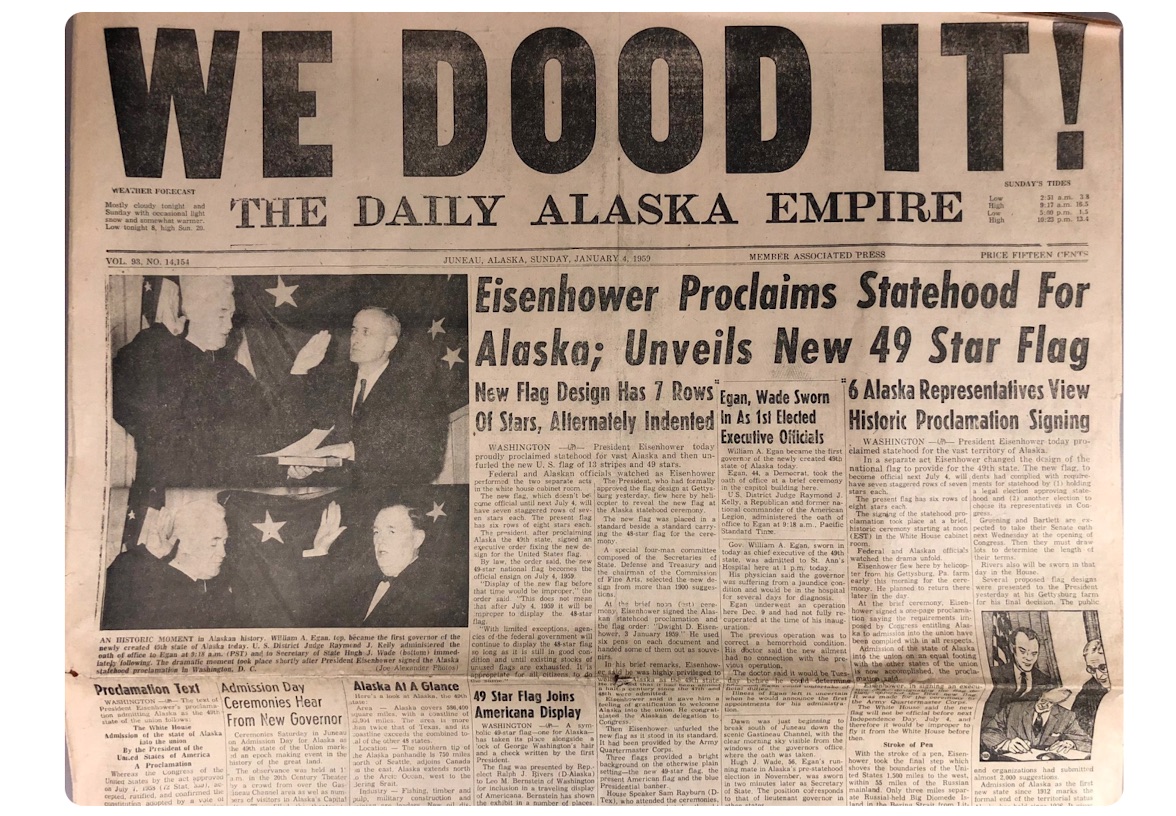
The final push began in earnest in the mid-1950s. Both the Democratic and Republican parties included statehood for Alaska in their platforms. In 1958, the Alaska Omnibus Bill passed through Congress, granting Alaska the authority to draft a state constitution. This was followed by a territorial referendum in which Alaskans overwhelmingly voted in favor of statehood. The final step was presidential approval. On January 3, 1959, President Dwight D. Eisenhower signed the proclamation admitting Alaska as the 49th state. This moment marked the culmination of decades of advocacy, hard work, and the enduring spirit of a people determined to achieve full representation and self-determination within the United States. The admission of Alaska was not merely the addition of land and people, but the recognition of a vibrant society and its integral place in the American story.
LifeOutOfTheBox is a participant in the Amazon Services LLC Associates Program, an affiliate advertising program designed to provide a means for sites to earn advertising fees by advertising and linking to Amazon.com. Amazon, the Amazon logo, AmazonSupply, and the AmazonSupply logo are trademarks of Amazon.com, Inc. or its affiliates. As an Amazon Associate we earn affiliate commissions from qualifying purchases.