
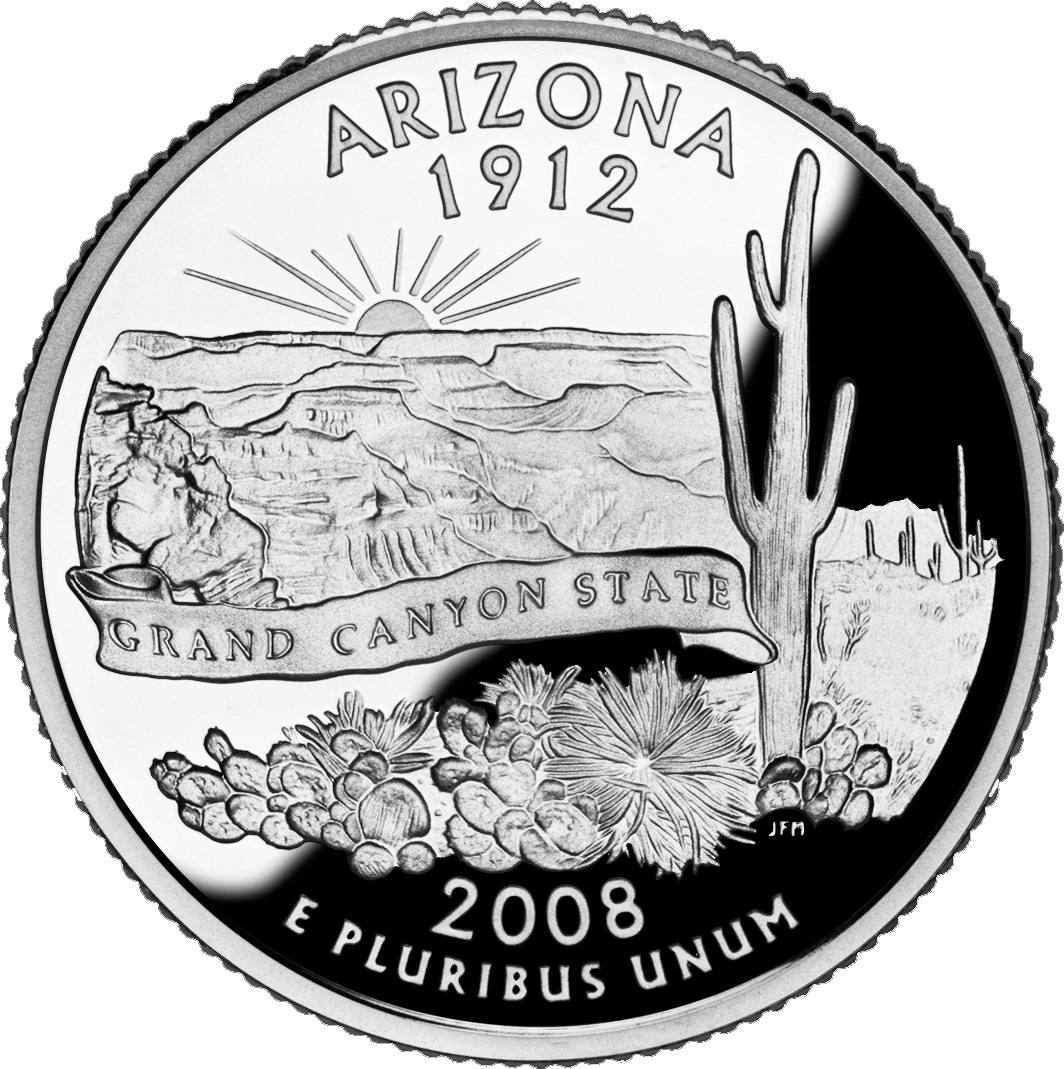
Arizona, a land of striking contrasts and breathtaking natural wonders, is universally recognized by its evocative nickname: “The Grand Canyon State.” This moniker is far more than a simple identifier; it is a testament to the profound geological artistry that defines the state and draws millions of visitors each year to its most iconic natural marvel. While the Grand Canyon itself is the undisputed centerpiece, the state’s nickname is deeply intertwined with its history, its identity, and the very essence of what makes Arizona a premier destination for exploration and awe.
The Geological Spectacle That Defined a State
The story of how Arizona became known as “The Grand Canyon State” is fundamentally a story of discovery, appreciation, and the sheer, overwhelming power of nature. The Grand Canyon, a chasm carved over millions of years by the relentless flow of the Colorado River, is an unparalleled testament to geological processes. Its immense scale, vibrant hues, and intricate layers of rock tell a story spanning nearly two billion years of Earth’s history, making it a living museum of the planet.
Early Encounters and Unveiling the Wonder
Long before European explorers set foot in North America, indigenous peoples of the region, including the Havasupai, Hopi, and Navajo tribes, inhabited and revered the canyon. Their deep spiritual connection and understanding of the landscape predate any formal naming or recognition by the outside world. These ancient cultures recognized the canyon not just as a physical feature but as a sacred place, a source of life, and a powerful spiritual entity.
The first European to document the Grand Canyon was the Spanish explorer García López de Cárdenas in 1540. Leading a detachment of soldiers from Francisco Vásquez de Coronado’s expedition, Cárdenas ventured west from New Mexico in search of the legendary Seven Cities of Gold. Upon reaching the rim of the immense gorge, his men were astonished by its grandeur, attempting to descend to the river below but ultimately failing due to the sheer difficulty of the terrain. Cárdenas’s reports, though sparse, marked the initial European encounter with this colossal natural wonder. However, for centuries, the canyon remained largely remote and inaccessible, its true extent and magnificence known only to a few.
The Era of Exploration and Scientific Interest
It wasn’t until the mid-19th century that systematic exploration of the Grand Canyon began to unravel its mysteries. The pivotal figure in this era was Major John Wesley Powell. In 1869, Powell, a one-armed Civil War veteran and geologist, led a daring expedition down the Colorado River through the heart of the canyon. This perilous journey, undertaken in stout wooden boats, was a monumental feat of exploration and scientific inquiry.
Powell’s expedition provided the first detailed scientific observations and mapping of the canyon’s geology, flora, and fauna. His vivid descriptions and compelling narratives, published in his “Report on the Exploration of the Colorado River of the West and Its Tributary Streams,” captured the imagination of the nation. Powell’s writings brought the sheer scale and breathtaking beauty of the Grand Canyon to a wider audience, effectively introducing it to the consciousness of America and the world. He described it as “a wonder of the world,” an awe-inspiring testament to natural forces that fundamentally reshaped perceptions of landscape and natural beauty.
The Rise of a State Identity and the Power of the Canyon
As Arizona transitioned from a U.S. Territory to a state, its identity began to solidify, and the Grand Canyon became an increasingly central element of that identity. The state’s immense natural resources, including its mineral wealth and dramatic landscapes, were key to its development and appeal. However, the Grand Canyon stood apart, offering a unique form of wealth – that of unparalleled natural beauty and a profound sense of wonder.

From Territory to Statehood: Forging a Shared Vision
When Arizona was lobbying for statehood, achieved on February 14, 1912, its leaders sought to highlight the territory’s most distinctive assets. While mining, agriculture, and its rugged frontier spirit were important, the Grand Canyon represented something truly extraordinary, a natural wonder that could place Arizona on the map in a way that few other features could.
As tourism began to emerge as an industry in the late 19th and early 20th centuries, the Grand Canyon quickly became a prime attraction. Pioneers in the nascent tourism industry, such as Ralph Cameron, a legendary figure in Grand Canyon lore, developed trails and services, making the canyon more accessible to visitors. The construction of the Grand Canyon Railway from Williams, Arizona to the South Rim in 1901 was a significant development, facilitating easier access for tourists eager to witness the spectacle. This burgeoning accessibility directly linked the state’s tourism potential with its most famous natural landmark.
Official Recognition and the Power of a Name
The adoption of the nickname “The Grand Canyon State” was not an instantaneous, single event but rather a gradual evolution that gained momentum as the canyon’s fame grew. While it’s difficult to pinpoint the exact moment the nickname was officially coined or universally adopted, its usage became increasingly common in the early to mid-20th century. The growing recognition of the Grand Canyon National Park, established in 1919, solidified the canyon’s status as a national treasure and, by extension, as the defining feature of Arizona.
The state itself began to embrace and promote this identity. Official documents, tourism brochures, and public discourse increasingly referred to Arizona as “The Grand Canyon State.” This branding was incredibly effective. It immediately conjured images of vastness, natural beauty, and a unique geological heritage, differentiating Arizona from other states. The nickname provided a powerful and memorable shorthand for the state’s most significant attraction, becoming synonymous with its brand.
The Grand Canyon State: A Legacy of Awe and Tourism
Today, “The Grand Canyon State” is more than just a nickname; it is a promise of an unforgettable travel experience. The Grand Canyon remains the undisputed jewel in Arizona’s crown, drawing millions of visitors annually to its majestic vistas, hiking trails, and recreational opportunities. The park, a UNESCO World Heritage site, offers a profound connection to nature and a humbling perspective on the forces that shape our planet.
Experiencing the Grand Canyon
Visitors to the Grand Canyon National Park can explore its wonders from various perspectives. The South Rim, accessible year-round, offers the most developed visitor facilities, iconic viewpoints like Mather Point and Yavapai Point, and a range of activities, from ranger-led programs to mule rides into the canyon. The North Rim, open seasonally, provides a more remote and wild experience, with stunning panoramas and a different ecological perspective.
Beyond the national park, the influence of the nickname extends to the broader tourism landscape of Arizona. The state has cultivated a diverse range of attractions that complement the grandeur of the Grand Canyon. From the red rocks of Sedona and the stark beauty of the Painted Desert to the historic mining towns and vibrant cultural heritage, Arizona offers a rich tapestry of experiences. However, the very essence of its appeal, the image that first springs to mind for many, is the breathtaking immensity of the Grand Canyon.

Enduring Significance
The nickname “The Grand Canyon State” serves as a powerful reminder of the geological forces that shaped this remarkable land and the human fascination with its profound beauty. It encapsulates the history of exploration, the dedication to preservation, and the enduring appeal of one of the world’s most magnificent natural wonders. For travelers seeking awe-inspiring landscapes, a deep connection to nature, and an unforgettable journey, Arizona lives up to its name, offering a glimpse into the grandest artistry of the Earth itself. The moniker is a direct invitation to experience the very heart of its geological and historical identity.
LifeOutOfTheBox is a participant in the Amazon Services LLC Associates Program, an affiliate advertising program designed to provide a means for sites to earn advertising fees by advertising and linking to Amazon.com. Amazon, the Amazon logo, AmazonSupply, and the AmazonSupply logo are trademarks of Amazon.com, Inc. or its affiliates. As an Amazon Associate we earn affiliate commissions from qualifying purchases.