
July in Alaska is a dream for many travelers, offering the warmest weather and the longest daylight hours of the year. While often associated with snow and ice, the Last Frontier transforms into a vibrant landscape of blooming wildflowers, lush green forests, and abundant wildlife. However, dressing for Alaska in July requires careful planning, as its weather can be remarkably unpredictable. Temperatures can fluctuate significantly, and rain is always a possibility, even during the summer months. The key to enjoying your Alaskan adventure is to pack layers, prioritize versatility, and be prepared for a range of conditions, from sunny afternoons to cool, misty mornings.
Understanding Alaskan July Weather
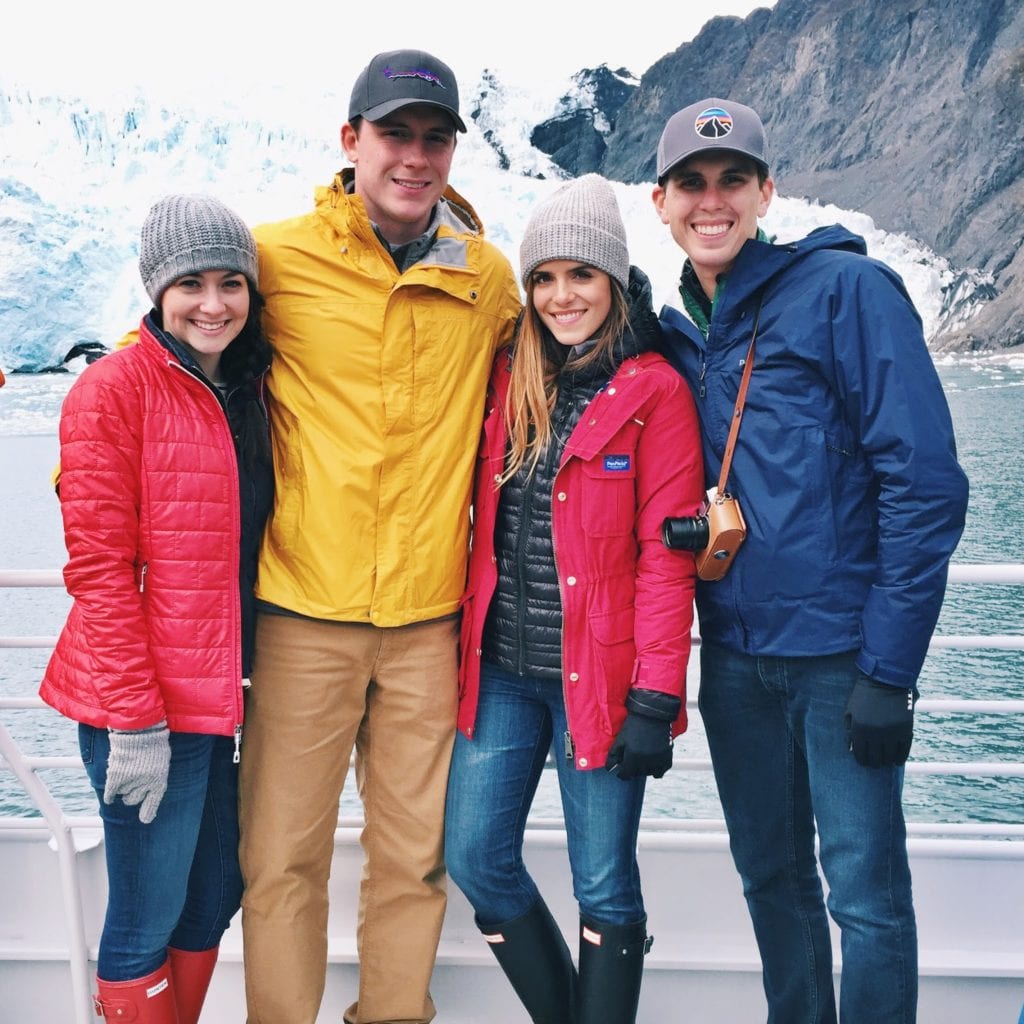
The weather in Alaska in July is generally mild, but it’s crucial to understand the nuances across different regions. Coastal areas, such as Juneau and Ketchikan, tend to be cooler and wetter due to maritime influence. Expect average temperatures to hover between 50°F and 65°F (10°C to 18°C), with rainfall being common. Inland areas, including Denali National Park and Preserve and Fairbanks, often experience warmer days, with temperatures potentially reaching into the 70s°F (20s°C) or even low 80s°F (high 20s°C). However, these regions can also see sudden drops in temperature, especially at higher elevations or after a rain shower. The long daylight hours, with the sun often setting after 10 PM and rising early, mean you’ll have ample time for exploration, but it also means that even nights can remain relatively light and cool.
Regional Weather Variations
- Inside Passage: Cities like Sitka, Juneau, and Ketchikan are characterized by a temperate rainforest climate. Expect cool temperatures, high humidity, and a significant chance of rain. Pack waterproof gear and clothing that dries quickly.
- Southcentral Alaska: This region, home to Anchorage, Girdwood, and the Kenai Peninsula, offers a slightly warmer and drier climate than the Inside Passage. While still prone to rain, it experiences more sunshine and warmer daytime temperatures, especially in July.
- Interior Alaska: Fairbanks and the surrounding areas boast the warmest summers in Alaska, with the potential for heatwaves. However, evenings can still be quite cool, and a sudden cold snap is not unheard of. This region is also known for its mosquitos, so insect repellent is essential.
- Western Alaska: Areas like Nome and the Aleutian Islands are significantly influenced by the Bering Sea and the Arctic Ocean, resulting in cooler, windier, and more unpredictable weather. Layers are paramount here, along with robust windproof and waterproof outerwear.
The Layering System: Your Key to Comfort
The cornerstone of packing for Alaska in July is the effective use of a layering system. This approach allows you to adapt to changing temperatures and activity levels throughout the day. The ideal system consists of three main types of layers: a base layer, a mid-layer, and an outer layer.
Base Layer: Wicking Away Moisture
The base layer is worn directly against your skin and its primary purpose is to wick away moisture (sweat) from your body, keeping you dry and comfortable. Cotton is best avoided as it retains moisture and can leave you feeling cold once damp. Instead, opt for synthetic materials like polyester or merino wool.
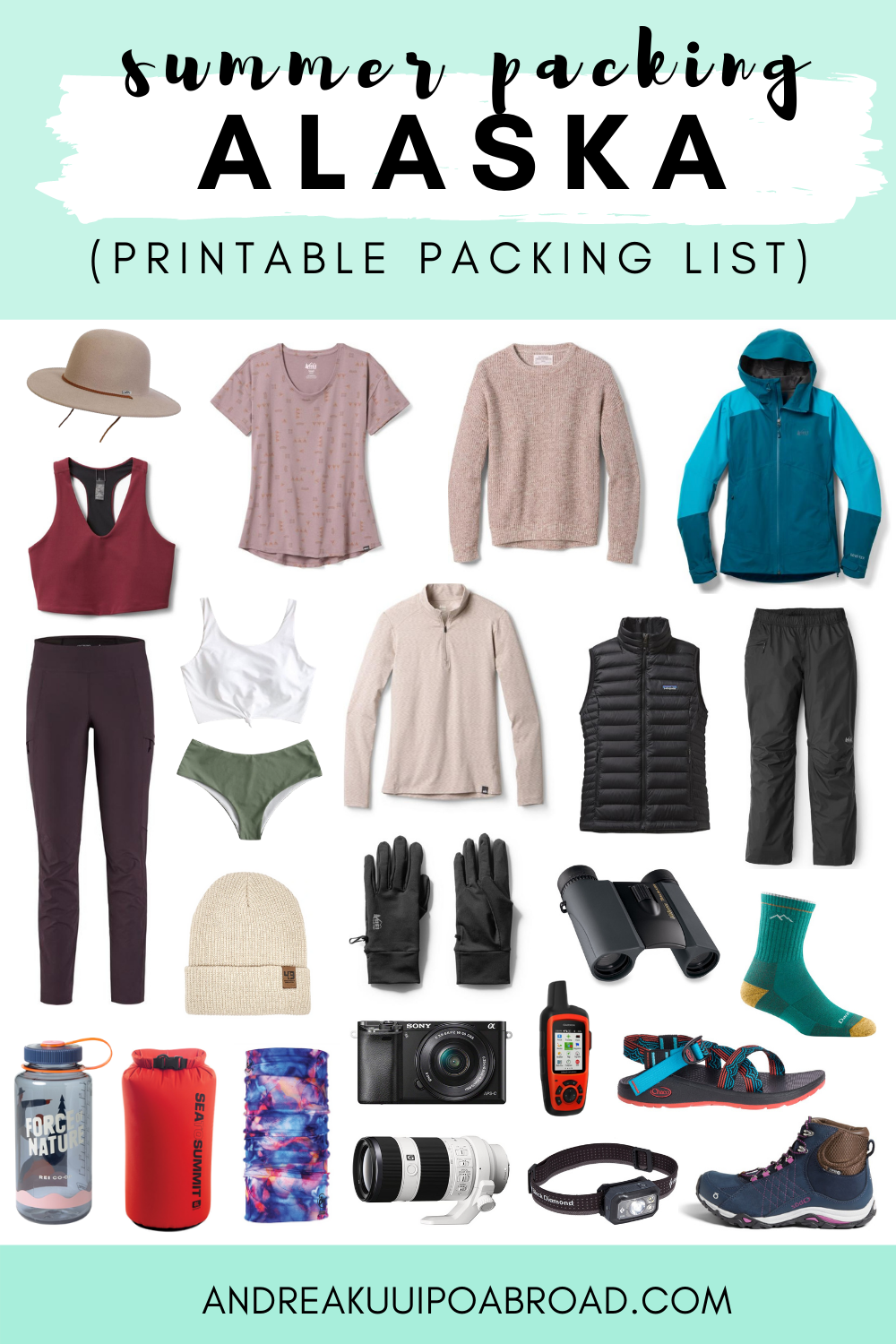
- Tops: Lightweight, moisture-wicking t-shirts and long-sleeved shirts. Consider one or two thermal tops for cooler days or evenings.
- Bottoms: Lightweight, moisture-wicking leggings or long underwear. These are especially useful for cooler mornings or for wearing under hiking pants.
Mid-Layer: Insulation and Warmth
The mid-layer provides insulation, trapping body heat to keep you warm. The thickness of your mid-layer will depend on the expected temperatures and your personal comfort level.
- Fleece Jacket or Pullover: A mid-weight fleece is an excellent all-around choice, offering good warmth without being too bulky.
- Down or Synthetic Insulated Vest: A vest is a great option for core warmth, allowing freedom of movement for your arms.
- Lightweight Down Jacket: For cooler days or when you anticipate significant temperature drops, a compressible down jacket is invaluable.
- Wool Sweater: A classic choice that provides excellent warmth, even when damp.
Outer Layer: Protection from the Elements
The outer layer, or shell, is your primary defense against wind and rain. It should be waterproof and windproof, yet breathable to prevent moisture buildup from within.
- Waterproof and Windproof Jacket: Look for a jacket with sealed seams and an adjustable hood. Features like pit zips can help with ventilation. This is non-negotiable for Alaska.
- Waterproof Pants: Essential for keeping your lower half dry during rainy days or while participating in activities like hiking or fishing. Look for features like side zippers for easy on-and-off over boots.
Essential Clothing Items for Your Alaskan Wardrobe
Beyond the layering system, several other clothing items are crucial for a comfortable and enjoyable trip to Alaska in July. Versatility is key, so choose items that can be mixed and matched and suitable for various activities.
Bottoms: Comfort and Durability

- Quick-Drying Hiking Pants: One or two pairs of durable, quick-drying hiking pants are a must. Many outdoor pants have zip-off legs, allowing them to convert into shorts for warmer days.
- Comfortable Jeans or Casual Pants: A pair of comfortable jeans or other casual pants can be useful for evenings in town or less strenuous activities. However, avoid wearing cotton jeans if you anticipate significant moisture or activity.
- Shorts: While not always necessary, a pair of comfortable shorts can be useful for warmer days in the interior or during particularly sunny periods.
Tops: Versatility and Comfort
- Long-Sleeved Shirts: Several long-sleeved shirts made from moisture-wicking materials are ideal. They offer sun protection and an extra layer of warmth when needed.
- Short-Sleeved Shirts: A few moisture-wicking t-shirts are great for warmer days or as part of your layering system.
- A Nicer Top or Two: If you plan on dining at more upscale restaurants in cities like Anchorage or during a cruise, pack one or two slightly dressier tops.
Footwear: The Foundation of Exploration
Your feet will be doing a lot of work exploring Alaska, so comfortable and appropriate footwear is paramount.
- Waterproof Hiking Boots: A good pair of broken-in, waterproof hiking boots with excellent ankle support is essential for any hiking or outdoor excursions.
- Comfortable Walking Shoes or Sneakers: For days spent exploring towns or for less strenuous activities, a comfortable pair of walking shoes or sneakers will suffice.
- Waterproof Sandals or Flip-Flops: Useful for around the lodge or for short walks in drier conditions.
Accessories: The Finishing Touches
Don’t underestimate the importance of accessories in Alaska. They can significantly enhance your comfort and enjoyment.
- Warm Hat: A beanie or fleece hat that covers your ears is crucial, even in July, as temperatures can drop suddenly.
- Gloves: Lightweight, waterproof gloves are recommended for cooler mornings, evenings, or boat tours where the wind can be biting.
- Sun Hat or Baseball Cap: For protection from the sun during long daylight hours.
- Scarf or Neck Gaiter: A versatile item that can provide warmth around your neck or face.
- Sunglasses: Essential for bright, sunny days, especially on the water or near glaciers.
- Insect Repellent: Mosquitoes and other biting insects can be prevalent, especially in wooded areas and during warmer, still evenings. Bring a strong repellent containing DEET or picaridin.
- Backpack: A comfortable daypack for carrying essentials like water, snacks, extra layers, and your camera while you’re out exploring.
- Binoculars: To enhance wildlife viewing opportunities, whether you’re in Denali National Park and Preserve or on a whale-watching tour.
Specific Activity Considerations
The activities you plan to undertake in Alaska will influence your packing list. Whether you’re embarking on a cruise, hiking, or exploring cities, tailor your wardrobe accordingly.
Cruising the Inside Passage
If your Alaska adventure involves a cruise, packing for a variety of onboard and onshore activities is key.
- Onboard: Casual clothing is generally acceptable for daytime activities. For dinner, many people opt for smart casual attire.
- Shore Excursions: For excursions in port towns like Skagway or Juneau, you’ll need comfortable walking shoes, layers, and a waterproof jacket. If you’re planning activities like glacier hiking or dog sledding excursions, bring warmer layers and waterproof pants.
Hiking and Outdoor Adventures
For those who plan to spend their time exploring the vast wilderness of Alaska on foot, specialized gear is recommended.
- Moisture-Wicking Socks: Several pairs of wool or synthetic hiking socks are essential to prevent blisters and keep your feet dry.
- Gaiters: Useful for keeping snow, mud, and debris out of your hiking boots, especially on trails with uneven terrain.
- Trekking Poles: Can provide stability and reduce strain on your knees, particularly on longer hikes.
Urban Exploration and Wildlife Viewing
If your itinerary includes spending time in cities like Anchorage or Fairbanks, and dedicated wildlife viewing excursions, your clothing needs might be slightly more relaxed, but still require preparedness.
- Comfortable Layers: Even for urban exploration, the weather can change quickly. A versatile collection of layers will serve you well.
- Camera Gear: While not clothing, ensure you have protection for your camera and lenses, as mist and rain can occur.
By carefully considering these recommendations and tailoring them to your specific travel plans, you’ll be well-equipped to embrace the beauty and adventure that Alaska has to offer in July, regardless of what the skies decide to do. Remember, being prepared is half the fun, allowing you to fully immerse yourself in the magic of the Last Frontier.
LifeOutOfTheBox is a participant in the Amazon Services LLC Associates Program, an affiliate advertising program designed to provide a means for sites to earn advertising fees by advertising and linking to Amazon.com. Amazon, the Amazon logo, AmazonSupply, and the AmazonSupply logo are trademarks of Amazon.com, Inc. or its affiliates. As an Amazon Associate we earn affiliate commissions from qualifying purchases.