
New York City, a beacon of global culture, finance, and relentless energy, is instantly recognizable by its most famous moniker: The Big Apple. This vibrant nickname, echoing in sports arenas, jazz clubs, and bustling avenues, has become synonymous with the very essence of the metropolis. But how did this iconic appellation come to be? The story is a fascinating blend of horse racing, journalism, and the city’s undeniable allure.
The Roaring Twenties and the Sport of Kings
The most widely accepted origin story traces the nickname back to the 1920s and the world of horse racing. John J. Fitz Gerald, a sports writer for the New York Morning Telegraph, is credited with popularizing the term. Fitz Gerald covered the lucrative and competitive horse racing circuit in and around New York City. He would often hear African-American stable hands and jockeys referring to the city’s racetracks as “the big apple.”
A Jockey’s Lingo
These stable hands and jockeys understood the ultimate prize in their profession. For them, racing in New York meant competing in the richest races, with the biggest purses and the most prestigious titles. To them, the city represented the pinnacle of achievement, the place where fortunes could be made and careers cemented. Therefore, “the big apple” was a colloquialism for a place where the rewards were greatest, the competition fiercest, and the stakes highest. It was, in essence, the ultimate prize, the jackpot.
Fitz Gerald, intrigued by this colorful term, began using it in his racing columns. He explained its significance to his readers, noting that for these hardworking individuals, “the big apple” represented the dream of success. He wrote: “The Big Apple. The dream of every lad that ever threw a leg over a thoroughbred horse, the goal that spurred the hundreds of jockeys to becoming the best that rode on the dusty, sawdust rings of America. It was the grandest prize in the racing world.” His consistent use of the term in his widely read column brought it into the public consciousness, steadily embedding it within the city’s lexicon.
Beyond the Racetrack: The Term Spreads
While Fitz Gerald anchored the nickname’s popularity in the realm of sports, the term began to transcend its original context. As New York City continued to solidify its position as a global hub for entertainment, culture, and commerce, the idea of “the big apple” as a place of great opportunity and excitement resonated more broadly.
Jazz Musicians and the City’s Pulse
Another significant contributing factor to the nickname’s proliferation came from the jazz scene of the 1930s and 1940s. Jazz musicians, known for their innovative language and slang, also adopted “the big apple” to describe performing in New York City. For these artists, playing in the renowned clubs and venues of Manhattan, such as the Apollo Theater or the Cotton Club, was the ultimate career goal. They saw it as the place to be heard, to gain recognition, and to experience the vibrant, electric pulse of the city.
The legendary jazz musician and bandleader, Louis Armstrong, is often cited for his role in popularizing the term within the jazz community. He frequently referred to New York City as “the Big Apple” in his interviews and writings. This association further cemented the nickname’s connection to the city’s lively nightlife and its status as a mecca for artistic talent. The energy, the diversity, and the endless possibilities of New York made it a “big apple” – a place that offered a rich and rewarding experience to those who dared to pursue their dreams there.
The Power of Media and Promotion
Over time, the nickname’s appeal grew, boosted by various promotional efforts. In the 1970s, Charles Gillett, president of the New York Convention and Visitors Bureau, launched a major campaign to revitalize the city’s image, which had suffered from rising crime rates and economic difficulties. This campaign strategically employed “the Big Apple” as a symbol of the city’s enduring charm and vibrance. Advertisements and tourism materials proudly displayed the nickname, portraying New York as a desirable and exciting destination.
The campaign was remarkably successful, not only in attracting tourists but also in firmly re-establishing “the Big Apple” as the city’s quintessential nickname in the minds of people worldwide. This deliberate effort by tourism officials demonstrated a keen understanding of the nickname’s inherent appeal and its potential to encapsulate the spirit of the city. The visual imagery associated with apples – crisp, wholesome, and enticing – also provided a positive and appealing brand for the metropolis.
A Symbol of Opportunity and Excitement
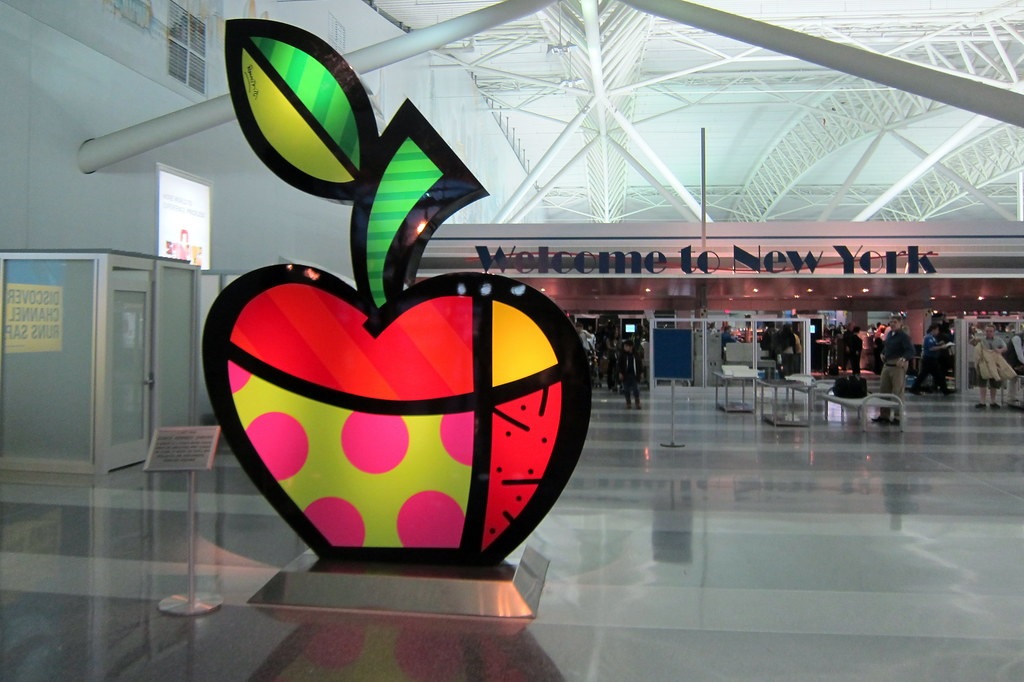
Today, “the Big Apple” is more than just a nickname; it’s a brand, a symbol that evokes a myriad of images and feelings associated with New York City. It speaks to the city’s immense scale, its endless opportunities, its rich cultural tapestry, and its unparalleled energy. Whether one is drawn by the bright lights of Times Square, the artistic endeavors in Greenwich Village, the financial might of Wall Street, or the serene beauty of Central Park, the nickname captures the essence of a city that offers a bite of everything.
The Enduring Appeal
The nickname’s endurance lies in its simple yet profound connection to the idea of abundance and reward. Just as a large, ripe apple is a satisfying and desirable fruit, New York City represented, and continues to represent, a grand prize. For many, it is a place to chase ambitions, to find success, and to experience the extraordinary.
The journey of “the Big Apple” from the humble lingo of stable hands to a globally recognized symbol is a testament to the power of language and the magnetic pull of this extraordinary city. It’s a story that highlights how a simple phrase, born from specific contexts, can evolve to encompass the vastness and dynamism of a world-class metropolis, forever linking the image of a crisp, red apple to the unyielding spirit of New York.
LifeOutOfTheBox is a participant in the Amazon Services LLC Associates Program, an affiliate advertising program designed to provide a means for sites to earn advertising fees by advertising and linking to Amazon.com. Amazon, the Amazon logo, AmazonSupply, and the AmazonSupply logo are trademarks of Amazon.com, Inc. or its affiliates. As an Amazon Associate we earn affiliate commissions from qualifying purchases.