
The landscape of Los Angeles is defined by its rugged beauty, from the iconic peaks of the Santa Monica Mountains to the expansive wildlands of the Angeles National Forest. Yet, this dramatic terrain carries a perpetual risk. For visitors and residents alike, understanding the origins of the fires that periodically sweep through California is essential to appreciating the delicate balance of this environment. While the public often focuses on the immediate impact on tourism or infrastructure, the scientific and environmental reasons behind these blazes tell a more complex story of ecology, climate, and human interaction.
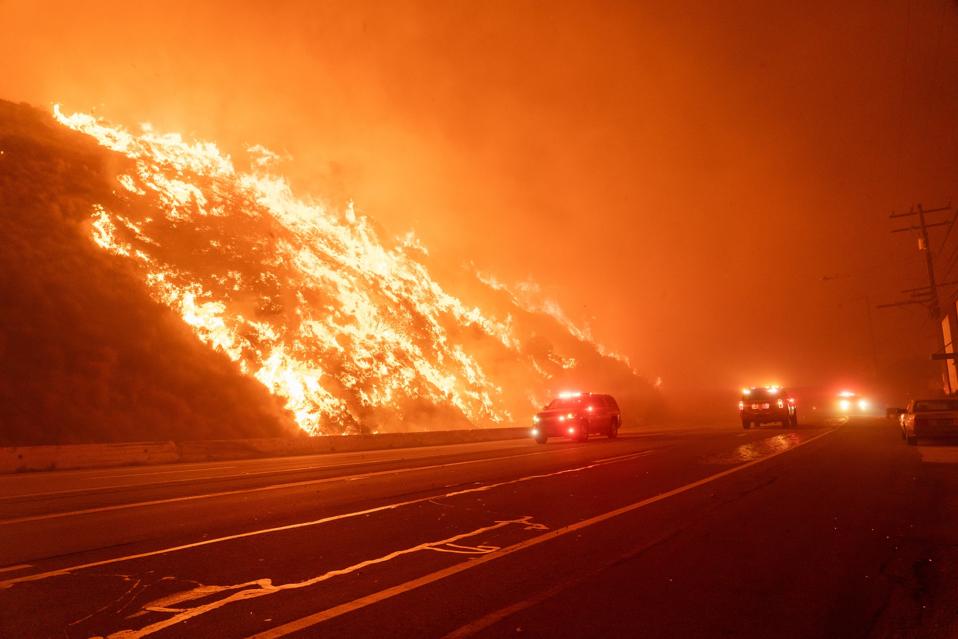
The Convergence of Climate and Topography
The vulnerability of Southern California to fire is not a recent phenomenon; it is embedded in the geography itself. The region operates on a Mediterranean climate, characterized by long, hot, and notably dry summers, followed by winters that provide just enough moisture to encourage rapid vegetation growth.
The Mediterranean Fuel Cycle
During the wet months, the hillsides become lush with invasive grasses and native chaparral. As temperatures rise throughout the summer, this vegetation dries out, effectively turning the hills into a landscape of dormant fuel. When autumn arrives, the moisture levels in the soil and plants drop to critical lows, creating a tinderbox condition.
The Influence of the Santa Ana Winds
The most infamous catalyst for fire in Los Angeles County is the Santa Ana Winds. These high-pressure weather systems originate in the high deserts of the Great Basin and push warm, extremely dry air toward the coast. As these winds descend through narrow canyons—such as those found near Malibu or Topanga Canyon—they gain speed and heat, acting like a convection oven. When a spark occurs during a Santa Ana event, the wind does not merely blow the fire; it propels embers miles ahead, making containment an immense challenge for even the best-equipped fire departments.
Human Impact and the Wildland-Urban Interface
While natural weather patterns set the stage, the ignition of fires in Los Angeles is overwhelmingly human-driven. As development has pushed further into the foothills, the boundary between urban development and natural wilderness—known as the Wildland-Urban Interface (WUI)—has blurred.

Accidental Ignitions and Infrastructure
Statistically, the vast majority of fires in the region are linked to human activity. This includes power line failures, vehicle accidents on winding mountain roads, the use of landscaping equipment that throws sparks, and, occasionally, intentional arson. When a power line snaps during a period of high wind, the resulting electrical arc can ignite dry brush instantly. Because this infrastructure often traverses steep, inaccessible terrain, the fires can grow to a massive scale before crews can even arrive on the scene.
The Role of Invasive Species
The ecology of the region has been altered significantly by non-native plant species. Invasive grasses, such as those introduced during European colonization, grow quickly and die young. Unlike native chaparral, which has evolved to recover after fire, these invasive grasses are highly flammable and grow in dense mats that carry fire across the ground at an accelerated rate. This change in vegetation type has effectively shortened the interval between fires, making the landscape more prone to frequent burning than it was historically.
Environmental Management and Historical Context
Fire is a natural part of the California ecosystem, and many native plant species actually require heat or smoke to germinate their seeds. However, the modern approach to fire management has created a complex legacy.
The Legacy of Fire Suppression
For much of the 20th century, the prevailing philosophy in forestry management was total suppression: putting out every fire as quickly as possible. While this saved homes and protected the scenic vistas of places like Griffith Park, it also led to an unnatural accumulation of “fuel loads.” Without smaller, controlled fires to clear out dead brush, the forests and shrublands became overcrowded. Today, when a fire does start, it often burns with significantly more intensity because there is decades’ worth of accumulated dry vegetation to consume.
Modern Mitigation Strategies
To combat this, land managers now employ a variety of strategies:
- Controlled Burns: Small, carefully managed fires are set during cooler, wetter months to reduce the density of brush.
- Vegetation Clearing: Creating “defensible space” around residential structures is now a legal requirement for homeowners living in high-fire-severity zones.
- Technological Monitoring: Using satellite imagery and automated sensors, the Los Angeles Fire Department can now detect heat signatures before a smoke plume is even visible to the naked eye.

The Future of the Landscape
As climate change continues to impact the United States, the patterns of fire are shifting. Longer droughts and higher average temperatures are expanding the fire season, which now often stretches well into the winter months. For those visiting or living in Los Angeles, it is vital to remain aware of local regulations, red-flag warning days, and emergency evacuation protocols.
The beauty of the Hollywood Hills and the nearby San Gabriel Mountains is inextricably linked to their wild, unpredictable nature. Understanding how these fires start—through the intersection of fierce wind, human presence, and a long-overlooked history of environmental management—helps provide a deeper perspective on the resilience of the region. Despite the recurring danger, the environment continues to showcase an incredible capacity for renewal, as the hillsides often turn vibrant green shortly after the first rains follow a fire event. Respecting this cycle and participating in fire-safe practices remains the best way to ensure the long-term preservation of these iconic landscapes for generations of travelers to come.
LifeOutOfTheBox is a participant in the Amazon Services LLC Associates Program, an affiliate advertising program designed to provide a means for sites to earn advertising fees by advertising and linking to Amazon.com. Amazon, the Amazon logo, AmazonSupply, and the AmazonSupply logo are trademarks of Amazon.com, Inc. or its affiliates. As an Amazon Associate we earn affiliate commissions from qualifying purchases.