
The sprawling metropolis of [Los Angeles], a beacon of sunshine, celebrity, and diverse culture, is a dream destination for millions. Travelers flock to [Southern California] for its iconic beaches, world-class entertainment, and vibrant city life. However, beneath the glamour and year-round pleasant weather lies a powerful natural force that periodically reshapes its landscape: wildfires. The question, “How did the [Los Angeles] fires start?”, is not merely a matter of scientific inquiry but one with profound implications for travel, tourism, and the lifestyle of this dynamic region. Understanding the genesis of these blazes is crucial for both residents and visitors, offering insights into prevention, resilience, and responsible travel.
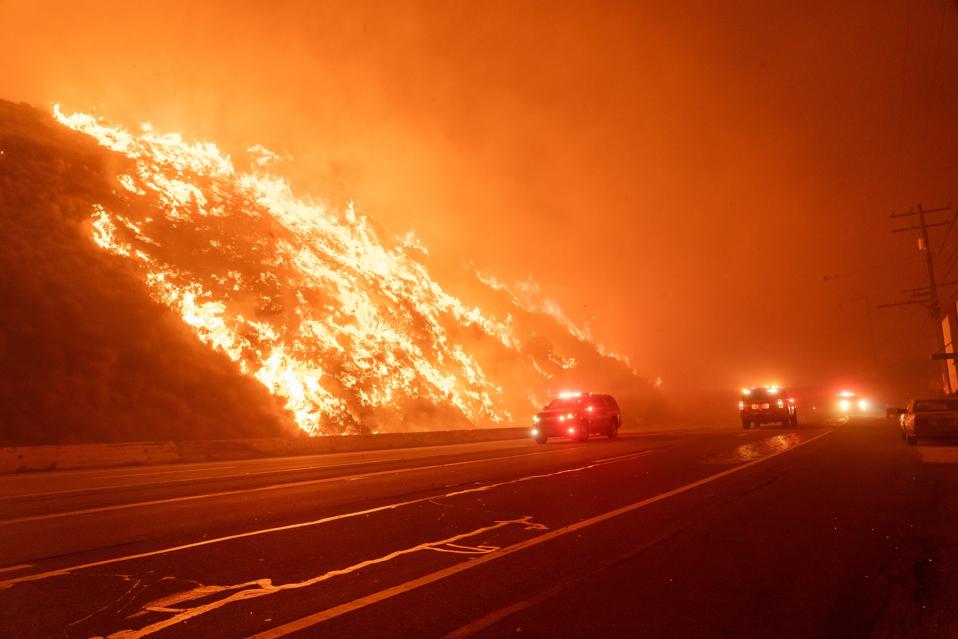
The truth is, there isn’t a single, monolithic answer to how all [Los Angeles] fires begin. Instead, a complex interplay of natural conditions and human activity creates an environment ripe for ignition, leading to devastating conflagrations that capture global attention. For a city that thrives on tourism, these events present unique challenges, impacting everything from hotel bookings and landmark access to the perception of safety and the very fabric of local culture.
Unraveling the Complex Causes of Southern California Wildfires
The genesis of wildfires in [Los Angeles] and the broader [Southern California] region can be attributed to a dual force: nature’s volatile canvas and the indelible human footprint. To grasp why these fires are so prevalent and destructive, one must delve into the unique environmental factors that prevail here and the various ways human actions, both intentional and accidental, act as catalysts.
The Natural Symphony of Fire: A Primal Landscape
[California]’s geography and climate are inherently predisposed to fire. The state’s Mediterranean climate is characterized by hot, dry summers and mild, wet winters. While winter rains encourage lush vegetation growth, the ensuing summer and autumn months bake this greenery into highly flammable fuel.One of the most significant natural drivers is the Santa Ana winds. These fierce, hot, dry winds originate in the high-pressure systems of the Great Basin and sweep down through the mountain passes and canyons of [Southern California] towards the coast. As they descend, they compress and warm, shedding moisture and rapidly drying out any existing vegetation. Their powerful gusts, often reaching hurricane force, can quickly turn a small spark into a raging inferno, pushing flames across vast distances and making containment incredibly challenging. These winds are most common from late summer through early winter, coinciding with the driest periods.
The local flora itself is also a major contributor. Much of [Southern California]’s landscape is covered in chaparral – dense, shrubby vegetation that is highly adapted to fire. Species like chamise and manzanita are rich in volatile oils, making them incredibly combustible, especially after prolonged drought conditions. These plants have evolved to regenerate after fire, their seeds often requiring heat to germinate, making fire a natural part of the ecosystem’s cycle. However, when fires grow too large and frequent, this natural cycle becomes destructive, exceeding the ecosystem’s ability to recover gracefully.
Adding to this natural predisposition are drought conditions, which have become increasingly severe and prolonged in recent decades. A lack of consistent rainfall means vegetation is drier for longer, creating an unprecedented fuel load. When combined with unusually high temperatures, which are also becoming more frequent due to climate change, the stage is set for extreme fire behavior. The combination of parched land, dense flammable vegetation, and powerful, desiccating winds forms a deadly trio, transforming even the smallest spark into a potentially catastrophic event.
The Human Footprint: Accidental Ignitions and Arson
While nature sets the stage, human activity is overwhelmingly responsible for ignigating the vast majority of wildfires in [California]. Research indicates that nearly 95% of all wildfires in the state are human-caused, a statistic that underscores the critical role people play in both starting and preventing these disasters.
One of the most common causes of human-ignited fires involves electrical infrastructure. Power lines, especially older systems, can be downed by strong winds or fall onto dry vegetation, creating sparks. Malfunctioning equipment, such as transformers, can also ignite fires. Several major [California] wildfires have been directly linked to utility equipment, leading to increased scrutiny and significant investments in fire-hardening infrastructure and implementing public safety power shutoffs during high-risk weather.
Accidental ignitions from everyday activities are another pervasive cause. These include:
- Discarded cigarettes: A seemingly small ember from a cigarette butt tossed from a car window or onto dry grass can quickly escalate.
- Campfires and recreational fires: Unattended campfires, or those not properly extinguished, are a perennial source of ignitions, especially in popular camping areas within or near forests and natural parks.
- Sparks from equipment: Tools used for yard work, such as lawnmowers, weed whackers, and chainsaws, can generate sparks that ignite dry grass, particularly during hot, windy conditions. Construction activities involving welding or grinding can also be culprits.
- Vehicle-related causes: Hot catalytic converters on vehicles parked over dry grass, sparks from faulty exhaust systems, or even friction from dragging chains can ignite roadside vegetation.
- Fireworks: Despite strict regulations, illegal fireworks often cause significant fires, particularly during holiday periods.
Tragically, arson also plays a role in a percentage of wildfires. Deliberate acts of setting fires, whether due to malice, mental instability, or pyromania, add another layer of complexity and horror to the fire crisis. While less frequent than accidental ignitions, these fires can be particularly challenging to anticipate and prevent.
In essence, the “how” of [Los Angeles] fires is a narrative woven from the natural volatility of [Southern California]’s landscape and the constant presence of human activity. The interaction of dry chaparral, powerful [Santa Ana winds], and an array of potential human-caused sparks creates a perpetual state of vulnerability for this densely populated, beautiful region.
The Immediate and Lasting Impact on Travel and Tourism
For a destination that relies heavily on its image of sun-drenched beaches, vibrant cities, and pristine natural beauty, wildfires present a significant challenge to the tourism industry. The immediate aftermath of a fire is often chaotic, but the long-term effects on traveler perception and local economies can linger for years.
Disruption to Destinations, Accommodation, and Traveler Experience
When wildfires erupt, the most immediate impact on tourism is disruption. Evacuation orders often encompass areas popular with tourists, leading to sudden closures of hotels, resorts, and vacation rentals. Roads leading to iconic attractions like the [Getty Center] or trails within the [Santa Monica Mountains] National Recreation Area may be closed, rendering access impossible. The sight of smoke plumes dominating the skyline, even if distant from major tourist hubs, can be alarming and deterrent.
Travelers with existing bookings often face cancellations and re-routing. Hotels, from luxury establishments like the [Terranea Resort] to boutique hotels in [Malibu], might be forced to shut down temporarily, impacting not only guests but also their staff. Airports, while usually operating, can experience delays due to smoke affecting visibility or air traffic control. The economic ripple effect is immediate: lost revenue for hotels, restaurants, tour operators, and local businesses that cater to visitors.
Beyond the immediate physical dangers and logistical hurdles, the traveler experience is undeniably altered. Air quality can deteriorate significantly, forcing outdoor activities to be curtailed. The vibrant, clear skies that define [Southern California] might be obscured by haze, changing the visual appeal of renowned landmarks such as the [Griffith Observatory] or the [Hollywood Walk of Fame]. While the core attractions of [Los Angeles], like [Universal Studios Hollywood] or the [Disneyland Resort] (just south in Anaheim), are rarely directly threatened, the overarching atmosphere can be affected, leading to a less ideal vacation. Tourists may perceive the entire region as unsafe or unappealing, even if the actual fire is miles away from their intended destinations.

Perception vs. Reality: Addressing Traveler Concerns
One of the biggest battles for the [Los Angeles] tourism sector after a fire event is managing public perception. News coverage, often sensationalized, can paint a picture of widespread devastation, even if only a small, localized area is directly affected. This can lead to a drastic drop in bookings as potential visitors postpone or cancel trips, opting for destinations they perceive as “safer” or “unaffected.”
The reality on the ground is often more nuanced. While certain areas may be devastated, much of [Los Angeles] remains untouched and fully operational. The city’s vast size means that a fire in one canyon, no matter how severe, doesn’t necessarily impact a hotel in [Beverly Hills] or a beach in [Santa Monica]. However, communicating this distinction effectively to a global audience is challenging.
Tourism boards, local businesses, and government entities work tirelessly to provide accurate information, highlighting areas that are open and welcoming visitors. They emphasize the resilience of the community and the safety measures in place. This involves targeted marketing campaigns, direct communication with travel agents and tour operators, and utilizing social media to showcase the vibrant, unaffected parts of the city. The goal is to bridge the gap between media portrayal and the actual ground truth, reassuring travelers that [Los Angeles] remains a world-class destination even amidst environmental challenges.
Los Angeles’s Resilience: A City Reimagined
Despite the recurring threat of wildfires, [Los Angeles] stands as a testament to resilience. The city and its communities consistently demonstrate an extraordinary capacity to recover, rebuild, and adapt, safeguarding both its residents and its thriving tourism industry. This spirit of endurance is a critical component of the [Los Angeles] narrative.
Community Spirit and Recovery Efforts
In the face of adversity, the community spirit of [Los Angeles] shines brightest. Following a fire, there is an immediate outpouring of support, with local residents, businesses, and celebrities rallying to aid those affected. Volunteer organizations mobilize to assist with evacuations, provide shelter, and distribute essential supplies. Initiatives emerge to help homeowners rebuild, often with an emphasis on fire-resistant construction materials and designs.
For the tourism sector, recovery efforts extend to restoring affected landmarks and natural spaces. While some areas, particularly in wildland-urban interface zones, may take years to fully regenerate, efforts are made to clean up, replant, and make these areas safe and accessible again where possible. This collaborative approach – from individual acts of kindness to large-scale reconstruction projects – underscores the strength and unity of the [Los Angeles] community, a story that resonates with travelers seeking authentic experiences.
Safeguarding Future Journeys: Prevention and Preparedness
[Los Angeles] is not merely reactive; it is proactive in its approach to mitigating fire risks and enhancing preparedness for future events. These efforts are crucial for ensuring the continued safety and appeal of the destination for travelers.Prevention measures are multifaceted:
- Vegetation Management: This involves creating defensible spaces around homes and critical infrastructure, clearing highly flammable brush, and conducting controlled burns in specific areas to reduce fuel loads. These efforts protect both residents and key tourist access points.
- Infrastructure Upgrades: Utility companies are investing billions in upgrading power lines, burying cables, and installing advanced fire-prevention technology to reduce ignitions from electrical equipment.
- Public Awareness Campaigns: Educating residents and visitors about fire safety – from proper campfire etiquette to safe use of outdoor equipment – is a continuous effort. Signage in natural areas reminds visitors of fire danger levels and restrictions.
Early warning systems and emergency preparedness are equally vital:
- Advanced Meteorological Monitoring: Sophisticated weather forecasting allows for better prediction of critical fire weather, such as extreme [Santa Ana winds] and low humidity.
- Alert Systems: Residents and visitors can sign up for emergency alerts via text or email, providing timely information on evacuations and road closures.
- Enhanced Firefighting Capabilities: The [Los Angeles] Fire Department (LAFD) and other agencies continually invest in state-of-the-art equipment, training, and aerial firefighting resources to respond rapidly and effectively.
- Evacuation Plans: Detailed evacuation routes and shelter locations are pre-planned and communicated, ensuring a structured response that minimizes danger to both residents and temporary visitors.
These comprehensive strategies demonstrate [Los Angeles]’s commitment to evolving with its environment, ensuring that while the threat of fire remains, the city is better equipped to prevent, respond to, and recover from these events, thus maintaining its allure as a safe and enjoyable destination.
Navigating Los Angeles: A Guide for Responsible Travelers
For those planning a trip to [Los Angeles], understanding the context of wildfires allows for a more informed, responsible, and ultimately, more enjoyable visit. The city remains a vibrant and welcoming destination, and travelers play a role in its continued resilience and sustainable growth.
Planning Your Visit: Informed Decisions and Flexibility
When planning your journey to [Los Angeles], particularly during the late summer and fall (which typically align with fire season), informed decision-making is key:
- Check Local Advisories: Before and during your trip, stay updated on local weather forecasts, air quality reports, and any specific fire advisories or restrictions. Reputable sources include the National Weather Service, local news outlets, and the websites of the [Los Angeles] Fire Department or [California] State Parks.
- Understand Fire Season: Recognize that certain times of the year carry higher fire risks. While this shouldn’t deter travel, it should encourage heightened awareness, especially if you plan to explore natural areas like hiking trails in the [Santa Monica Mountains].
- Book Flexible Travel: Consider booking accommodations and flights with flexible cancellation policies, just in case unexpected events necessitate a change in plans. Travel insurance can also offer peace of mind.
- Choose Reputable Accommodation: Hotels and resorts in [Los Angeles] are well-versed in emergency protocols. Staying in established accommodations, from the [Waldorf Astoria Beverly Hills] to popular downtown hotels, ensures you’ll receive timely information and assistance if needed.
Supporting Local: Contributing to Recovery and Growth
One of the most impactful ways travelers can contribute to [Los Angeles]’s resilience is by simply visiting and engaging with the local economy. Tourism dollars directly support businesses, create jobs, and help communities thrive, especially those that may have been indirectly affected by fire events.
- Patronize Local Businesses: Dine at local restaurants, shop at independent boutiques, and hire local tour guides. This injects money directly into the community.
- Visit Attractions: Continue to visit popular attractions like the [Hollywood Walk of Fame], [Disneyland Resort], and the museums and galleries across the city. These iconic landmarks depend on tourism and demonstrate the city’s vibrant spirit.
- Stay in [Los Angeles] Hotels: Your choice of accommodation directly supports local jobs and tax revenues that fund public services, including emergency response.
- Respect the Environment: When visiting natural parks or beaches, adhere to all rules and regulations, including those regarding fire safety, waste disposal, and preservation of natural habitats.

Sustainable Practices for Visitors: Being a Responsible Explorer
Being a responsible traveler in [Los Angeles] extends beyond economic support; it involves actively practicing sustainable and fire-safe habits:
- Fire-Safe Practices: Never discard cigarettes out of car windows. Be extremely cautious with anything that could spark a fire, especially when in or near natural areas. If camping, ensure fires are only in designated areas and are fully extinguished.
- Leave No Trace: Pack out everything you pack in. Dispose of waste properly in designated bins. This prevents litter that could potentially contribute to ignitions or harm wildlife.
- Conserve Resources: Be mindful of water and energy consumption, especially during drought conditions.
- Support Eco-Tourism: Choose tour operators and businesses that prioritize environmental sustainability and conservation efforts.
In conclusion, the question of “How did the [Los Angeles] fires start?” reveals a nuanced narrative of natural forces meeting human interaction. While these fires are a formidable challenge, [Los Angeles] is a city defined by its resilience, innovation, and unwavering spirit. For the informed and responsible traveler, it remains an extraordinary destination, inviting visitors to experience its unique blend of culture, luxury, and natural beauty, all while contributing to its ongoing story of recovery and sustainable growth. By understanding the environment and adopting responsible practices, travelers can ensure their visit is not only memorable but also a positive contribution to the enduring vibrancy of [Los Angeles].
LifeOutOfTheBox is a participant in the Amazon Services LLC Associates Program, an affiliate advertising program designed to provide a means for sites to earn advertising fees by advertising and linking to Amazon.com. Amazon, the Amazon logo, AmazonSupply, and the AmazonSupply logo are trademarks of Amazon.com, Inc. or its affiliates. As an Amazon Associate we earn affiliate commissions from qualifying purchases.