
Exploring the vibrant landscapes, historic towns, and diverse attractions of Connecticut offers a rich tapestry of experiences for any traveler. From the bustling urban centers like Hartford and New Haven to the serene coastal communities and charming New England villages, the state caters to a wide array of interests, whether you’re seeking luxury accommodations or budget-friendly adventures. However, behind every memorable trip lies a foundational economic reality: the cost of living and doing business. For both residents working in the state’s thriving tourism and hospitality sectors and visitors planning their travel budgets, understanding the minimum wage in Connecticut is more relevant than one might initially imagine. This seemingly straightforward economic indicator has profound implications, subtly shaping everything from the pricing of your hotel room and the quality of service at a local restaurant to the overall affordability of a family vacation or a business stay within the Nutmeg State. It influences the lifestyle of those who call Connecticut home and, by extension, the economic vibrancy that fuels its appeal as a destination. Let’s delve into the specifics of Connecticut’s minimum wage, exploring its current standing, historical trajectory, and multifaceted impact on travel, tourism, and daily life across the state.

Understanding Connecticut’s Minimum Wage Landscape
Connecticut has long been at the forefront of states advocating for higher minimum wages, recognizing its importance in supporting workers and stimulating local economies. The state’s commitment to ensuring a living wage for its workforce has a direct bearing on the cost structure of businesses, particularly those heavily reliant on hourly employees, such as hotels, restaurants, and entertainment venues that are central to the tourism experience. For travelers planning a visit, this means indirectly influencing everything from the price of a lobster roll in Mystic to the room rates at a boutique hotel in Greenwich.
The Current Minimum Wage Rate
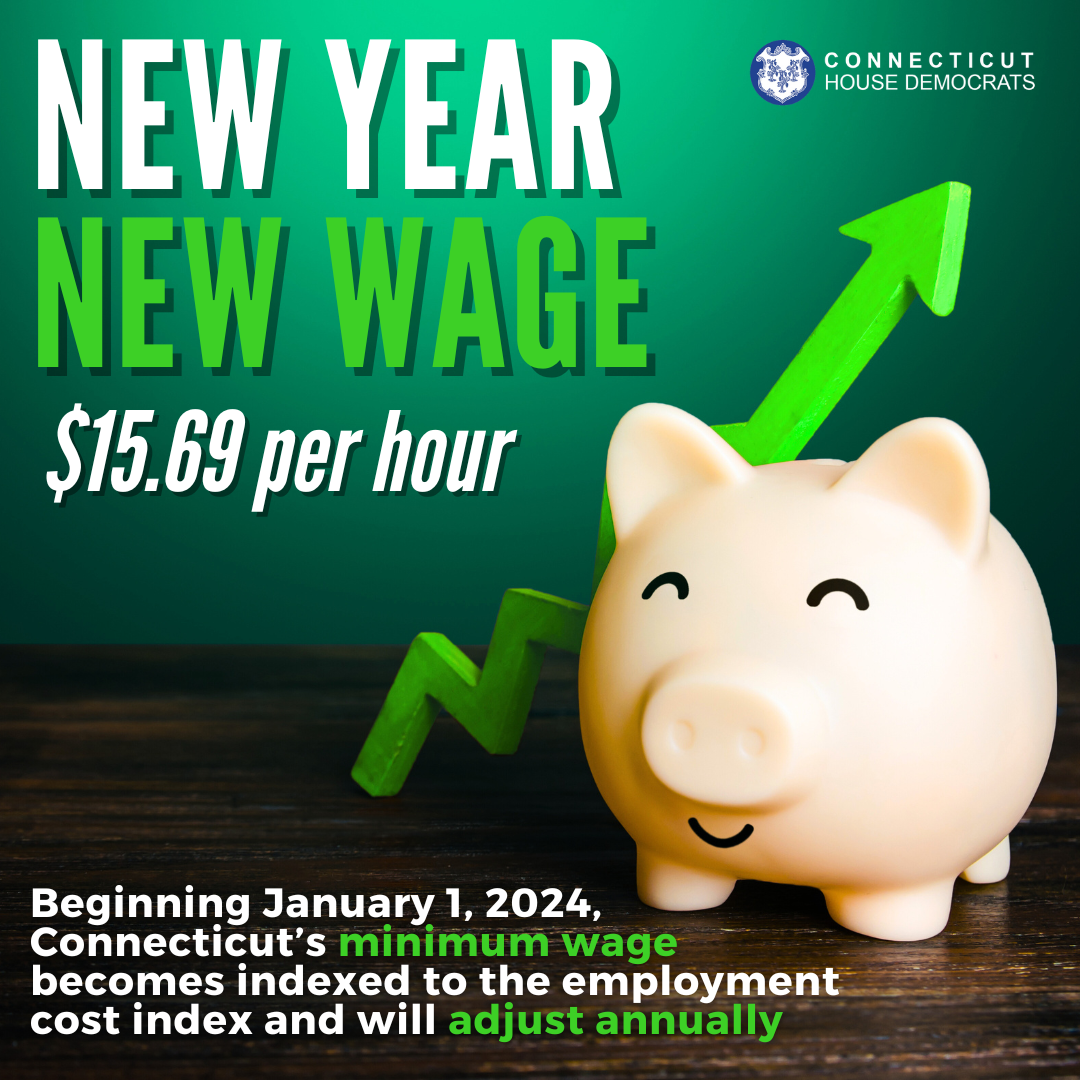
As of June 1, 2024, the minimum wage in the State of Connecticut stands at $15.69 per hour. This rate is a significant step up from previous years and reflects a deliberate legislative effort to incrementally increase the minimum wage to address rising costs of living and ensure a more equitable economic environment for workers across various industries. This applies to most employees, with some exceptions for specific categories such as tipped employees, for whom a lower base wage is permitted provided their total earnings (base wage plus tips) meet or exceed the state’s minimum wage. Employers in the hospitality sector, from grand resorts like Foxwoods Resort Casino and Mohegan Sun to charming bed and breakfasts, must adhere to these regulations, impacting their operational costs and pricing strategies. For visitors, this translates into a certain baseline cost for services, but also a generally higher standard of living for the local workforce, which can contribute to better service quality.
Historical Context and Future Projections
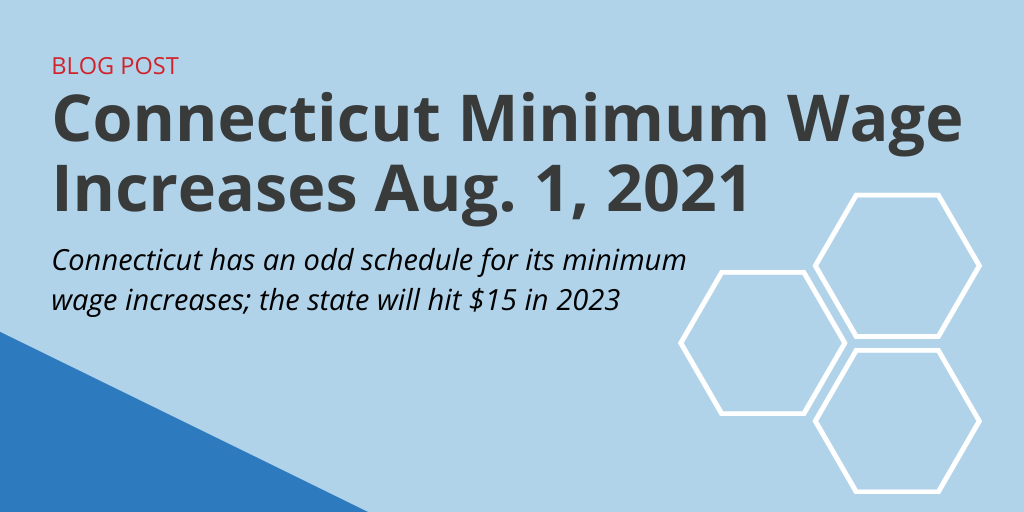
Connecticut’s journey towards its current minimum wage has been progressive. Historically, the state’s minimum wage followed a gradual upward trajectory, but a significant legislative milestone occurred in 2019 with the passage of Public Act 19-4. This act laid out a clear plan for incremental increases, ensuring that the minimum wage would reach $15 per hour by June 1, 2023. Beyond this fixed schedule, the law also introduced an automatic annual adjustment mechanism, tying future increases to the federal Employment Cost Index, which measures changes in wages and salaries. This index-based adjustment, which came into effect on January 1, 2024, ensures that the minimum wage keeps pace with inflation and the broader economic landscape, preventing its value from eroding over time. The most recent increase to $15.69 reflects this index-based adjustment for 2024. This forward-looking approach provides predictability for both workers and businesses, allowing for better long-term planning. For instance, businesses operating seasonal attractions like Lake Compounce or restaurants along the Connecticut River can anticipate future wage costs, which in turn informs their pricing for tourists and their investment in attractions or facilities. This stability helps foster a more predictable and sustainable tourism economy.
The Minimum Wage and Connecticut’s Tourism and Hospitality Sector
The tourism and hospitality industry is a cornerstone of Connecticut’s economy, attracting millions of visitors annually to its diverse attractions, historical sites, and natural beauty. From the bustling streets of Stamford to the tranquil shores of Old Saybrook, hotels, restaurants, and various service providers form the backbone of the visitor experience. The minimum wage plays a critical, albeit often unseen, role in this sector, influencing everything from staffing levels and service quality to the economic well-being of the individuals who make these experiences possible.
Impact on Service Quality and Staffing
A competitive minimum wage can significantly impact the quality of service visitors receive. When wages are higher, businesses are often able to attract and retain more skilled, motivated, and experienced employees. This is particularly true in customer-facing roles within hotels, resorts, and tourist attractions. Imagine checking into a luxurious suite at a New Haven hotel, or dining at a waterfront restaurant in Bridgeport. The staff — from the front desk clerk and housekeeping attendant to the server and tour guide at a landmark like the Mystic Seaport Museum — are often the primary touchpoints for visitors. Fairer wages can reduce employee turnover, leading to a more consistent and professional workforce. Employees who feel valued and adequately compensated are more likely to be engaged, provide excellent service, and contribute positively to the overall guest experience. Conversely, a low minimum wage can lead to high turnover, difficulty in attracting talent, and potentially compromised service quality, which can detract from Connecticut’s reputation as a welcoming destination. For travelers, this means that the state’s commitment to a higher minimum wage is, in essence, an investment in the quality of their travel experience.
Affordability for Local Tourism Workers
While the minimum wage directly impacts businesses, its effect on the individual lives of those working in the tourism sector is perhaps even more profound. Many individuals who work at hotels, restaurants, gift shops, and other tourist-centric businesses are themselves residents of Connecticut. A higher minimum wage directly improves their purchasing power and overall quality of life. This can empower them to participate more actively in their local economy, including enjoying the very attractions and experiences they help to provide. For example, a restaurant server earning a fair wage might be more able to afford a day trip to Gillette Castle State Park with their family, or take advantage of the cultural offerings at Yale University in New Haven. This local spending helps to recirculate money within the state, supporting other businesses and further strengthening the tourism ecosystem. It also fosters a sense of pride and connection to the state, as workers can personally enjoy the lifestyle and landmarks that visitors come from afar to experience. The ability for local workers to afford housing, transportation (such as utilizing the Shore Line East commuter rail), and daily necessities directly impacts their stability and their ability to provide consistent service to visitors.
Lifestyle and Travel Implications for Visitors to Connecticut
When planning a trip to Connecticut, travelers consider a myriad of factors: attractions, accommodation options, and of course, budget. The state’s minimum wage, while primarily an economic policy, subtly influences the overall cost structure and atmosphere of a Connecticut getaway. Understanding these dynamics can help visitors, especially those on a budget, plan a more fulfilling and enjoyable experience.
Budgeting Your Connecticut Getaway
The minimum wage in Connecticut indirectly shapes the pricing of goods and services that tourists frequently consume. Higher labor costs for businesses like restaurants, hotels, and retail stores can translate into higher prices for consumers. For instance, dining out at a charming eatery in Essex or purchasing souvenirs at the Mark Twain House & Museum in Hartford might reflect these underlying labor expenses. Travelers on a strict budget should factor this into their planning. Strategies for budget-conscious visitors could include opting for self-catering accommodations like apartments or villas with kitchenettes, packing snacks and some meals, utilizing public transportation or exploring free attractions. Connecticut offers numerous free or low-cost activities, such as exploring public parks like Sleeping Giant State Park, visiting scenic beaches, or enjoying the rich history embedded in many of its small towns. Being aware of the general cost of living, which is influenced by wage levels, allows travelers to make informed decisions and stretch their dollars further, ensuring they can experience the best of what Connecticut has to offer without overspending.
Exploring Connecticut on a Local’s Budget
For many travelers, experiencing a destination like a local is the ultimate goal. Understanding the impact of the minimum wage can provide insight into how residents navigate their own state and how visitors can emulate that experience to save money and gain a more authentic perspective. Local residents earning the minimum wage often prioritize affordable entertainment and dining options. This might involve frequenting local diners rather than upscale restaurants, picnicking at scenic spots, or taking advantage of free community events. Visitors can adopt similar strategies:
- Dining: Seek out locally-loved delis, food trucks, and casual eateries that offer authentic flavors at more accessible prices. Many towns will have hidden gems that aren’t advertised in typical tourist guides.
- Attractions: Beyond the major landmarks, explore Connecticut’s abundant state parks, hiking trails, and picturesque drives like the Connecticut Wine Trail for cost-effective adventures. Attractions like the PEZ Visitor Center offer unique experiences that might be less expensive than larger museums.
- Accommodation: Consider staying outside peak tourist areas, where hotels or short-term rentals might offer better value. Look into charming inns in smaller towns as an alternative to urban hotels.
- Transportation: While a car is often recommended for exploring Connecticut’s scenic routes, consider using options like the Shore Line East for coastal travel or local buses in larger cities to save on parking and fuel costs.
By embracing a local’s mindset, visitors can discover the true essence of Connecticut while effectively managing their travel budget, proving that a rich travel experience doesn’t always have to come with a hefty price tag.
Beyond the Basics: Minimum Wage and the Broader Connecticut Economy
The minimum wage is not merely a number; it’s a dynamic economic lever with ripple effects throughout the entire state. Its influence extends beyond individual paychecks and business ledgers, touching upon broader economic health, consumer spending patterns, and even the strategic positioning of Connecticut as an attractive place to live, work, and visit. For a website focused on travel, accommodation, and lifestyle, these macro-level impacts are crucial context.
Economic Ripple Effects
A higher minimum wage injects more money into the hands of a significant portion of the workforce, particularly those in lower-income brackets. This often leads to increased consumer spending, as these individuals typically spend a larger percentage of their income on essential goods and services. This boost in demand can benefit local businesses across various sectors, from grocery stores and service providers to local shops frequented by residents. While critics sometimes argue that higher wages lead to inflation or job losses, proponents point to increased consumer confidence and a stronger local economy as key benefits. For the tourism sector, this means a healthier local economy that can indirectly support businesses catering to visitors. A thriving local economy can also lead to better infrastructure, more vibrant cultural scenes, and well-maintained public spaces – all factors that enhance the overall appeal of Connecticut as a tourist destination. Consider how a more affluent local population might contribute to the success of local restaurants or art galleries, which then become attractions for tourists themselves.
Seasonal Employment and Visitor Experience
Connecticut’s tourism industry relies heavily on seasonal workers, especially in popular summer destinations like the shoreline towns or during peak fall foliage season. These workers often fill crucial roles at attractions such as the USS Nautilus Submarine Force Library and Museum, at recreational parks, and in the numerous hotels and restaurants that experience increased demand. The minimum wage plays a vital role in attracting and retaining this temporary workforce. A competitive wage helps ensure that businesses can staff adequately, even during high-demand periods. This is critical for maintaining high standards of service and preventing staff shortages that could negatively impact the visitor experience. Imagine arriving at Bradley International Airport and finding a well-staffed welcome desk, or visiting a popular attraction and experiencing efficient operations thanks to a sufficient and motivated seasonal team. Fair wages not only benefit the workers but also contribute to a smoother, more enjoyable experience for every tourist visiting Connecticut, reinforcing the state’s reputation for hospitality and quality. The stability and availability of a motivated workforce are often the unseen pillars supporting memorable travel experiences, from the attentive service at a Mystic inn to the seamless operation of a concert venue in Hartford.
The minimum wage in the State of Connecticut is far more than just a regulatory figure; it is an intrinsic part of the state’s economic fabric with tangible and intangible effects on its appeal as a travel destination and a place to live. From shaping the operational costs and service quality within the critical tourism and hospitality sectors to influencing the budgeting strategies of visitors and the overall economic health of local communities, its impact is pervasive. Connecticut’s commitment to a progressively higher minimum wage reflects a broader societal value that aims to ensure a fairer quality of life for its residents. For travelers, this translates into an environment where well-compensated staff can enhance the visitor experience, and a stable local economy contributes to the vibrant culture and infrastructure that make Connecticut a rewarding place to explore. Whether you’re planning a luxury retreat, a budget-friendly adventure, or considering a longer stay, understanding the nuances of Connecticut’s minimum wage provides valuable insight into the underlying dynamics that make this New England gem so unique and inviting.
LifeOutOfTheBox is a participant in the Amazon Services LLC Associates Program, an affiliate advertising program designed to provide a means for sites to earn advertising fees by advertising and linking to Amazon.com. Amazon, the Amazon logo, AmazonSupply, and the AmazonSupply logo are trademarks of Amazon.com, Inc. or its affiliates. As an Amazon Associate we earn affiliate commissions from qualifying purchases.