
The name “California,” redolent of sunshine, innovation, and vast landscapes, holds a fascinating origin story deeply rooted in early European exploration, mythology, and the power of literature. Far from a mere geographical description, the moniker emerged from a popular 16th-century Spanish romance novel, an improbable source that nevertheless captured the imagination of explorers and ultimately etched itself onto the maps of a nascent New World. Understanding this linguistic journey provides a unique lens through which to appreciate the historical layers that define one of the United States’ most iconic states. This is a story firmly anchored in the historical context of global exploration and the landmark naming conventions of new territories.
A Literary Origin: The Myth of Califia
The true genesis of the name “California” can be traced back to a fantastical tale penned by the Spanish author Garci Rodríguez de Montalvo. His chivalric romance, “Las sergas de Esplandián” (The Adventures of Esplandián), published around 1510, captivated readers across the Spanish Empire. The novel was a sequel to the wildly popular “Amadís de Gaula” and introduced a mythical island nation far to the east, populated solely by formidable warrior women.
Garci Rodríguez de Montalvo’s “Las sergas de Esplandián”
In a Europe still grappling with the astounding revelations of Christopher Columbus’s voyages, tales of exotic lands and uncharted territories resonated deeply. Montalvo’s novel tapped into this collective fascination, painting vivid pictures of an island realm rich beyond measure, located near the earthly paradise. The allure of the unknown, combined with the heroic exploits of knights and damsels, made “Las sergas de Esplandián” a literary sensation, one that would inadvertently shape the destiny of a continent. Its description of a distant, wealthy land likely sparked the imaginations of many adventurers and explorers seeking their own fortunes and fame in the New World.
The Amazon Queen Califia and Her Island Paradise
Central to Montalvo’s narrative was the character of Califia, the powerful and beautiful pagan queen who ruled this mythical island. Queen Califia was depicted as a fierce warrior, commanding an army of black Amazons with hearts of courage and strength. Her island, also named California, was portrayed as a place of immense wealth, particularly gold, and was protected by dangerous creatures like griffins. The vivid imagery and the character’s formidable nature made her and her island an unforgettable part of the literary landscape of the time. This island was not just a setting; it was a character in itself, embodying exoticism and riches, two qualities that would later become synonymous with the actual place.
Black Amazons, Gold, and Griffins: A Fictional World
The description of Montalvo’s California was one of a remote, rugged, and gold-rich land, inhabited by a fearsome race of women warriors who used gold not for currency but as material for their weapons and armor. These details – particularly the abundance of gold and the formidable inhabitants – created a powerful mental image. For the Spanish conquistadors, who were constantly seeking new lands to claim and new sources of wealth, such a description was more than just a fictional diversion; it became a beacon of possibility, a legend that fueled their ambition to explore the uncharted western coasts of the Americas. The connection between the fictional island and the real-world quest for gold would prove remarkably prophetic.
Spanish Exploration and the “Island” of California
As Spanish explorers pushed further north and west from their base in New Spain (modern-day Mexico), the allure of the unknown, coupled with legends like those of Califia’s island, undoubtedly guided their ambitions. They were not merely seeking land; they were seeking the legendary riches and exoticism described in popular literature.
Early Expeditions and Misconceptions
The initial wave of Spanish exploration in the early 16th century was marked by a blend of scientific inquiry, religious zeal, and an insatiable desire for gold and new territories. When explorers ventured into the waters west of the American mainland, they encountered the vast expanse of what they believed to be an island. The distinctive geography of the Baja California Peninsula, separated from the mainland by the Gulf of California, initially reinforced the idea that they had found a large island, fitting the literary description. This geographical misunderstanding was crucial in solidifying the name.
Hernán Cortés and the Baja California Peninsula
One of the most significant figures in the early exploration of this region was Hernán Cortés, the conqueror of the Aztec Empire. Driven by rumors of rich lands and pearls to the northwest, Cortés dispatched several expeditions. In 1535, one of his lieutenants, Fortún Jiménez, landed on what is now the Baja California Peninsula, mistaking it for an island. Later, Cortés himself led an expedition and established a short-lived colony. It is widely believed that these explorers, familiar with Montalvo’s popular novel, chose to bestow the name “California” upon this newly discovered land. The name was likely applied initially to the southern part of the peninsula, reflecting the adventurous spirit and literary influences of the time. The landscape, though not inhabited by warrior queens, was rugged and stark, a stark contrast to the verdant images of the novel yet mysterious enough to carry the fabled name.
The Spread of the Name

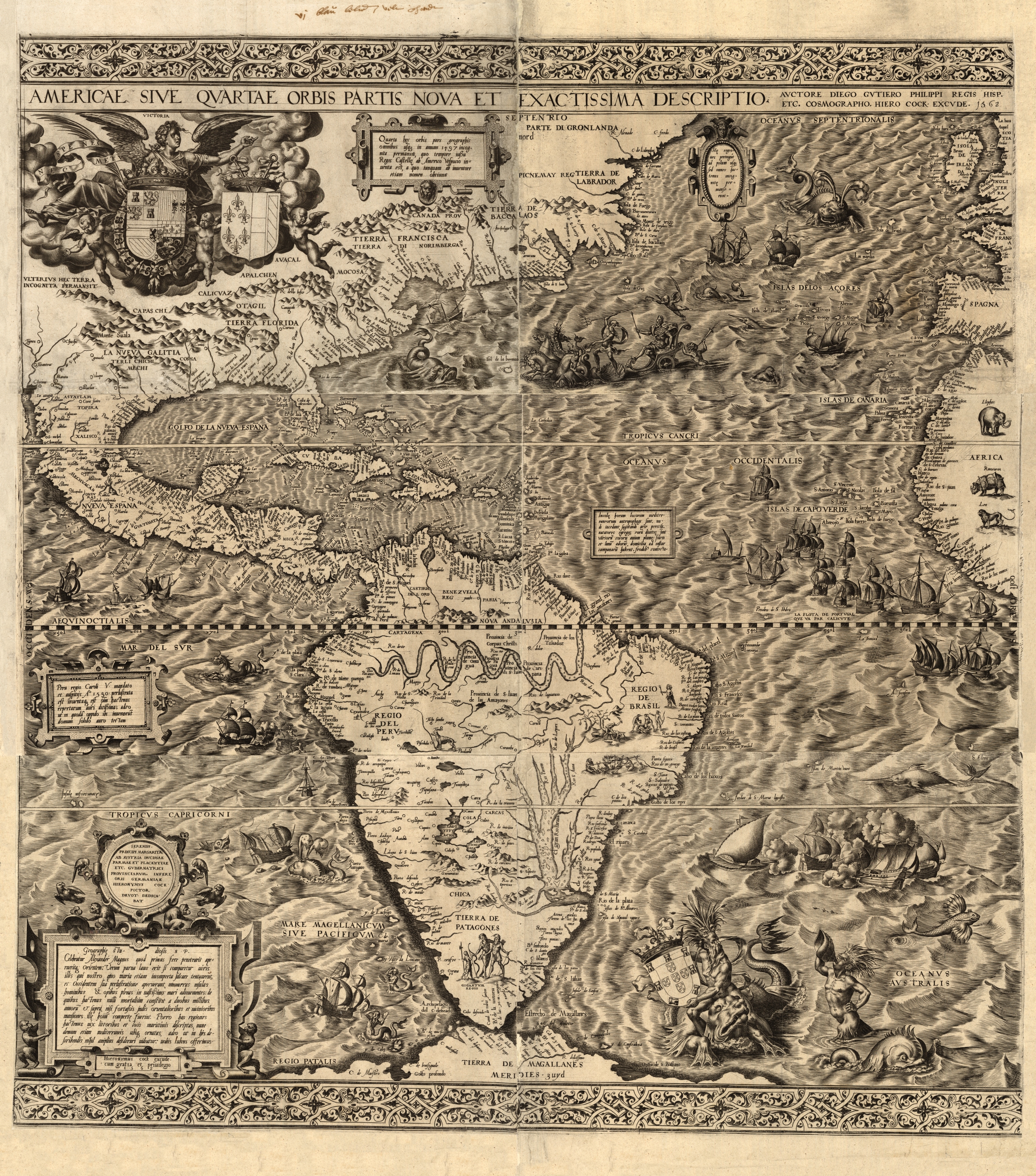
Once applied, the name quickly took hold. Early maps, produced throughout the 16th century, began to label the peninsula as “California,” consistently depicting it as an island for many years. This cartographical error persisted for nearly two centuries, even as subsequent explorations began to reveal the land’s peninsular nature. The name’s rapid acceptance highlights the pervasive influence of popular culture on the exploration and naming of new landmarks. It underscores how myth and reality often intertwined in the age of discovery, shaping perceptions and solidifying geographical identities based on literary precedent rather than pure observation.
From Myth to Maps: The Naming Takes Hold
The enduring power of the name “California” lay in its adoption by cartographers and explorers, who, despite eventually correcting geographical inaccuracies, kept the evocative name alive. What began as a fictional island on the edge of the world eventually became a tangible, vast territory on the North American continent.
Mapping the “Island” and the Reality of a Peninsula
For decades after its initial discovery, maps frequently depicted “California” as a distinct island, separate from the North American mainland. This persistent misconception, fueled by the limited scope of early expeditions and possibly the romantic notion of an isolated paradise, was finally debunked in the late 17th and early 18th centuries. Jesuit missionaries and later explorers like Eusebio Kino definitively proved that Baja California was, in fact, a peninsula. However, by this point, the name had become deeply ingrained in the nomenclature of the region, too established to be altered. The name, derived from fiction, had effectively become a fixed geographical landmark.
Juan Rodríguez Cabrillo and the Alta California Coast
While Cortés’ expeditions focused on the lower peninsula, another pivotal figure, Juan Rodríguez Cabrillo, extended Spanish exploration further north. In 1542, Cabrillo sailed along the coast of what is now “Alta California” (Upper California), becoming the first European to explore this significant stretch of the western seaboard. Though it’s unclear if Cabrillo himself used the name “California” for the northern regions, his expedition reports and subsequent maps extended the name’s reach, encompassing the vast territory that would eventually become the modern state. The continuity of the name across such a vast and varied landscape underscores its powerful, almost mystical, appeal.
The Persistence of a Name Rooted in Fantasy
The survival of the name “California” is a testament to the potent combination of popular literature, adventurous exploration, and the subsequent mapping of new territories. It highlights how initial perceptions, even if based on fiction or geographical error, can become cemented over time. The name, born from the dreams of a chivalric romance, transcended its literary origins to designate a tangible and immensely significant part of the New World. It linked a mythical golden island with a real-world pursuit of wealth and expansion, shaping the historical identity of the region long before its statehood.
The California Republic and Statehood
The journey of the name “California” from a fictional island to a recognized state is a historical narrative that spans centuries, culminating in its formal adoption during a period of intense geopolitical change and economic transformation.
The Bear Flag Republic and the Gold Rush
In the mid-19th century, Alta California, still a sparsely populated Mexican territory, became a focal point of American expansionist ambitions. During the Mexican-American War in 1846, a small group of American settlers declared independence from Mexico, establishing the short-lived “Bear Flag Republic“. This independent entity, though brief, officially carried the name “California”. Shortly thereafter, the discovery of gold in 1848 triggered the infamous Gold Rush, an event that rapidly transformed the territory. Waves of prospectors and settlers poured into places like San Francisco and the surrounding regions, accelerating its development and solidifying its identity. The promise of gold, so eerily foreshadowed in Montalvo’s novel, became a tangible reality, adding another layer of resonance to the name.
Formalizing a Name with Deep Historical Roots
When California was admitted to the United States as the 31st state on September 9, 1850, the choice of its name was a foregone conclusion. “California” was by then universally recognized as the name for the region. It had been used on maps, in official documents, and in the popular consciousness for centuries. The formal act of statehood simply enshrined a name that had evolved from a literary fantasy into a robust geographical and political identifier. From the initial misidentification of a peninsula as an island to its eventual transformation into a populous state, the name “California” remained constant, a unique linguistic thread connecting its storied past to its vibrant present. The state’s capital, Sacramento, and major cities like Los Angeles and San Diego all exist under the umbrella of this enduring, historically rich name.

The Legacy of a Literary Invention on a Modern Landmark
Today, “California” stands as a testament to the profound and often unexpected ways in which culture, exploration, and history intertwine. The name, once signifying a mythical island of gold and warrior queens, now evokes images of Hollywood, Silicon Valley, and diverse natural wonders. Yet, its origin remains a captivating footnote in its history, a reminder that one of the world’s most dynamic and recognizable places owes its very name to the imagination of a 16th-century novelist. It is a powerful example of how a fictional landscape can inspire real-world exploration and ultimately leave an indelible mark on the map, creating a lasting landmark identifier rooted in fantasy. The state itself, with its rich tapestry of historical sites and natural landmarks, embodies the adventurous spirit that first bestowed its name.
LifeOutOfTheBox is a participant in the Amazon Services LLC Associates Program, an affiliate advertising program designed to provide a means for sites to earn advertising fees by advertising and linking to Amazon.com. Amazon, the Amazon logo, AmazonSupply, and the AmazonSupply logo are trademarks of Amazon.com, Inc. or its affiliates. As an Amazon Associate we earn affiliate commissions from qualifying purchases.