
The story of how the United States obtained Hawaii is a complex narrative written into the very architecture and landscapes of the islands. From the gilded halls of royal residences to the strategic deep waters of natural harbors, the transition of the Hawaiian Islands from a sovereign kingdom to the 50th state is a journey marked by diplomatic intrigue, economic pressure, and military necessity. For those exploring the famous landmarks of Honolulu and beyond, these sites serve as silent witnesses to a pivotal era in North America and Polynesia history.
The Sovereign Kingdom and the Iolani Palace
To understand the annexation, one must first look at the height of the Hawaiian Monarchy. The Iolani Palace, located in downtown Honolulu, stands as the only royal palace on American soil and represents the sophistication of the Kingdom of Hawaii. Completed in 1882, the palace was the official residence of the last two monarchs and remains one of the most significant landmarks in the archipelago.
The Reign of King Kalakaua
King Kalakaua, often known as the Merrie Monarch, sought to strengthen Hawaiian culture and global standing. During his reign, he traveled the world, becoming the first reigning monarch to visit the United States. His efforts to modernize the kingdom are visible in the palace’s architecture, which featured electricity and telephones before even the White House in Washington DC. However, his reign also saw the increasing influence of foreign businessmen, primarily from the United States and Europe, who were heavily invested in the sugar industry.
The Bayonet Constitution of 1887
A major turning point occurred at the Iolani Palace grounds in 1887. A group of armed individuals, known as the Hawaiian League, forced King Kalakaua to sign the Bayonet Constitution. This document severely stripped the king of his power and disenfranchised a large portion of the native population by requiring land ownership and specific income levels to vote—requirements that favored wealthy American and European residents. This shift in legal power laid the groundwork for the eventual overthrow.
The Overthrow and the Role of Foreign Interests
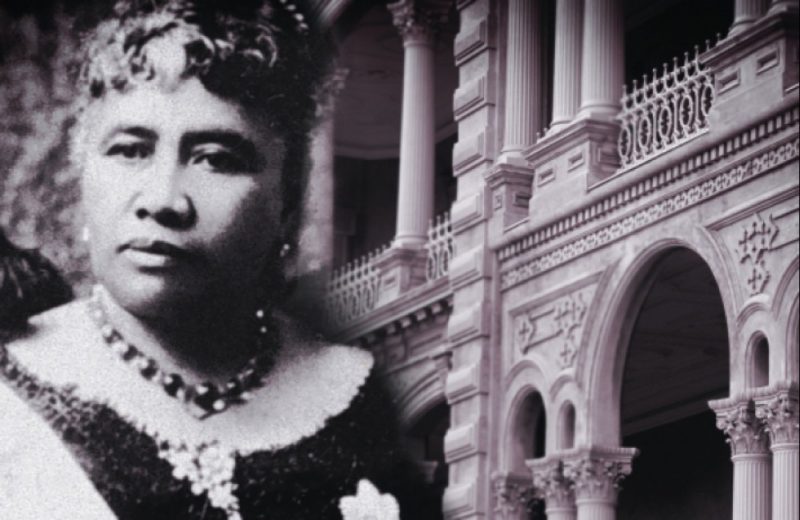
The tension between the monarchy and foreign business interests reached a breaking point during the reign of Queen Liliuokalani, the sister of King Kalakaua. The Queen was a staunch defender of Hawaiian sovereignty and sought to introduce a new constitution that would restore power to the throne and voting rights to her people.
Queen Liliuokalani’s Resistance
The Queen operated from Washington Place, a historic home that now serves as the Governor’s Mansion. Her efforts to reclaim royal authority alarmed the Committee of Safety, a group of 13 men who advocated for annexation to the United States to protect their economic interests, specifically to avoid the high tariffs on sugar exports to the American market.
In January 1893, the Committee of Safety orchestrated a coup d’état. They were aided by the United States Minister to Hawaii, John L Stevens, who ordered troops from the USS Boston to land in Honolulu. The presence of American marines near the palace served as a formidable threat. To avoid bloodshed, Queen Liliuokalani surrendered her authority under protest, famously stating that she yielded to the superior force of the United States.
The Imprisonment at the Palace
Following the overthrow, a provisional government was established, led by Sanford B Dole. In 1895, after a failed attempt by royalist supporters to restore the Queen to power, she was arrested and confined to a single room on the upper floor of the Iolani Palace. Visitors to the palace today can see the “Imprisonment Room,” where she composed music and quilted the famous Queen’s Quilt, documenting her journey and the names of her loyal supporters.
Strategic Value: Pearl Harbor and Naval Expansion
While economic interests drove the local businessmen, the United States government was increasingly focused on the strategic importance of the islands. Situated in the middle of the Pacific Ocean, Hawaii was the “Crossroads of the Pacific,” an essential coaling station for ships traveling to Asia.
The Reciprocity Treaty of 1875
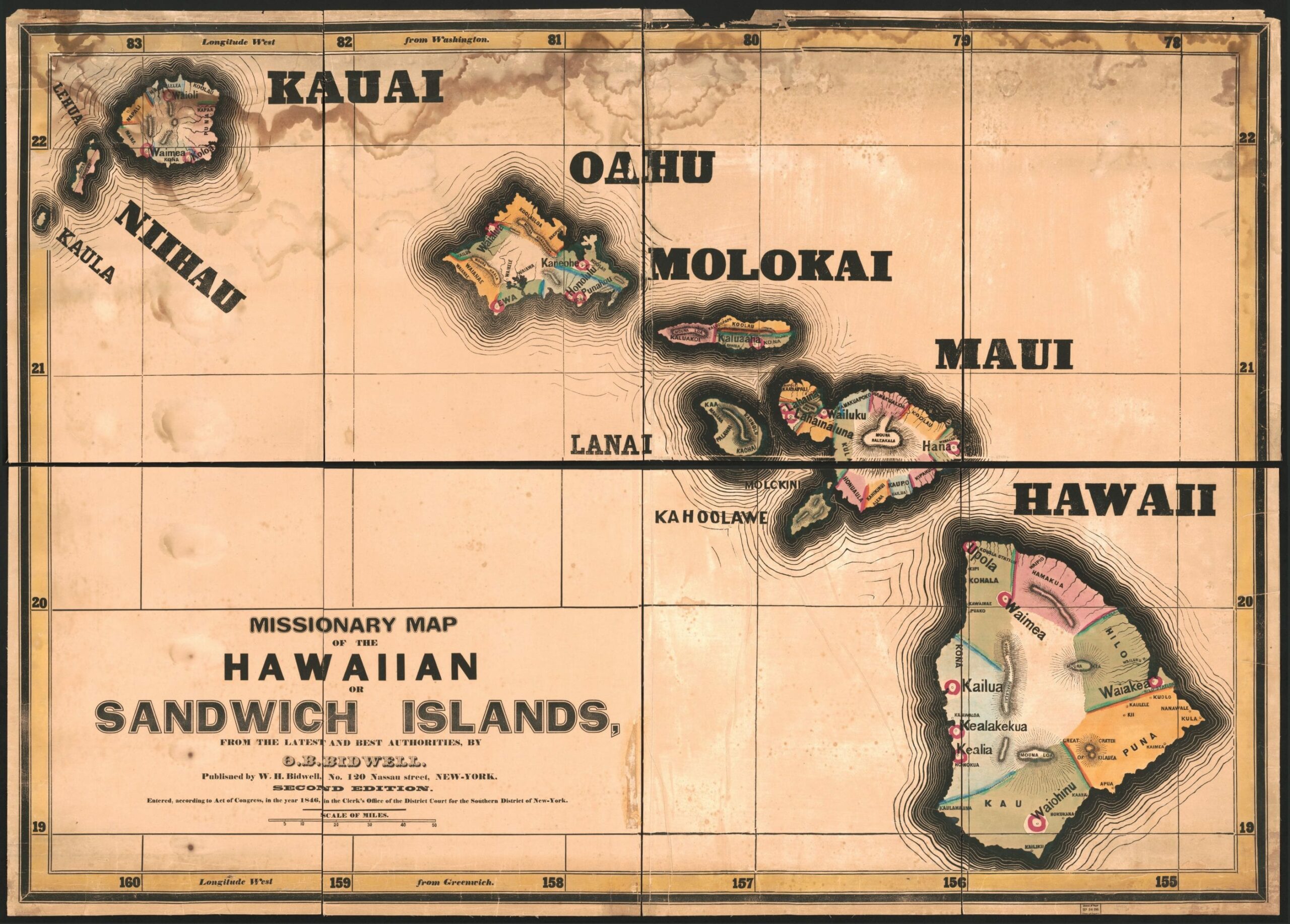
The relationship between the two nations had been codified years earlier through the Reciprocity Treaty of 1875. This agreement allowed Hawaiian sugar to enter the United States duty-free in exchange for a promise that Hawaii would not lease territory to any other foreign power. When the treaty was renewed in 1887, the United States gained the exclusive right to use Pearl Harbor as a naval base.
Establishing a Pacific Foothold
Pearl Harbor is perhaps the most famous landmark associated with the military history of the islands. Long before the events of World War II, the harbor was recognized for its deep-water capabilities and natural protection. The United States Navy viewed the annexation of Hawaii as a necessity for projecting power across the Pacific. Today, the Pearl Harbor National Memorial and the USS Arizona Memorial stand as reminders of the enduring military significance that first prompted the American government to look favorably upon annexation.
From Republic to Territory: The Road to Annexation
The path to becoming an official part of the United States was not immediate. After the overthrow, President Grover Cleveland conducted an investigation and determined that the coup was illegal. He called for the restoration of the monarchy, but the provisional government refused. Instead, they declared the Republic of Hawaii in 1894.
The Newlands Resolution and William McKinley
It was not until the outbreak of the Spanish-American War in 1898 that the political tide shifted in Washington DC. President William McKinley argued that the islands were vital for the war effort in the Philippines. Rather than a treaty, which required a two-thirds majority in the Senate, annexation was achieved through the Newlands Resolution, a joint resolution of Congress that required only a simple majority.
On August 12, 1898, a ceremony was held at the Iolani Palace where the Hawaiian Flag was lowered and the American Flag was raised. Hawaii became a territory of the United States, a status it would hold for sixty years before achieving statehood in 1959.
Aliiolani Hale and the Legal Legacy
Across the street from the palace stands Aliiolani Hale. Originally designed as a palace for King Kamehameha V, it became the seat of the kingdom’s legislature and later the Supreme Court of Hawaii. It was on the steps of this landmark that the proclamation of the provisional government was read in 1893. The building is famous for the golden statue of King Kamehameha I that stands before it, representing the unification of the islands—a stark contrast to the political fragmentation that occurred centuries later during the annexation era.
Exploring the Historical Landmarks of Modern Hawaii
Today, travelers to Oahu can trace this history by visiting these preserved sites. The geography of the islands itself tells the story of resistance and change.
The Nuuanu Pali Lookout: A Site of Ancient Unification
While much of the annexation story takes place in the urban center of Honolulu, the Nuuanu Pali Lookout provides context for the kingdom’s origins. This cliffside landmark was the site of the Battle of Nuuanu in 1795, where King Kamehameha I defeated the forces of Oahu to unify the islands. Understanding the effort it took to create a unified Hawaii highlights the gravity of its eventual loss of independence.
The Hawaii State Capitol
For a look at the final chapter of this transition, the Hawaii State Capitol offers a modern architectural perspective. Located behind the Iolani Palace, the building’s design is rich in symbolism, with its volcano-shaped legislative chambers and pillars that represent palm trees. It stands as a monument to Hawaii becoming the 50th state, a process that began with the complex maneuvers of the late 19th century.
Visitors can also explore Diamond Head, the iconic volcanic crater that was used as a military lookout and coastal defense site during the early years of the territorial period. The bunkers and tunnels carved into the mountain are artifacts of the era when the United States was solidifying its presence in the Pacific.
By visiting these landmarks, from the historic Waikiki coastline to the solemn grounds of Pearl Harbor, one gains an appreciation for the layered history of the islands. The acquisition of Hawaii was not a single event but a series of moments captured in stone, bronze, and the natural landscape, reflecting a transformation that continues to shape the identity of the Aloha State today.
LifeOutOfTheBox is a participant in the Amazon Services LLC Associates Program, an affiliate advertising program designed to provide a means for sites to earn advertising fees by advertising and linking to Amazon.com. Amazon, the Amazon logo, AmazonSupply, and the AmazonSupply logo are trademarks of Amazon.com, Inc. or its affiliates. As an Amazon Associate we earn affiliate commissions from qualifying purchases.