
The Riu Hotels and Resorts brand has become synonymous with all-inclusive luxury, sprawling beachside properties, and a distinctly Mediterranean approach to hospitality. With a portfolio that spans over 20 countries, from the sun-drenched shores of Spain to the vibrant coastlines of Mexico and the Caribbean, many travelers find themselves wondering about the visionary forces behind this global empire. The ownership structure of this hospitality giant is a fascinating story of family legacy, strategic partnership, and long-term vision.
The Riu Family Legacy: A Foundation of Excellence
The history of Riu Hotels is deeply rooted in the story of the Riu family. Founded in 1953 by Juan Riu and his wife, Maria Bertran, the company began as a small, modest hotel business in Palma de Mallorca. This humble beginning in the Balearic Islands served as the testing ground for the customer-centric philosophy that still defines the company today.
From Local Roots to Global Reach
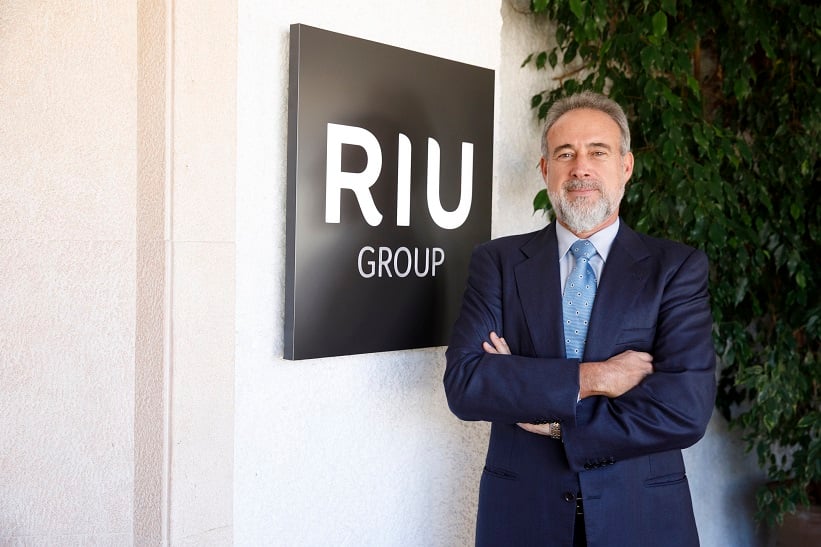
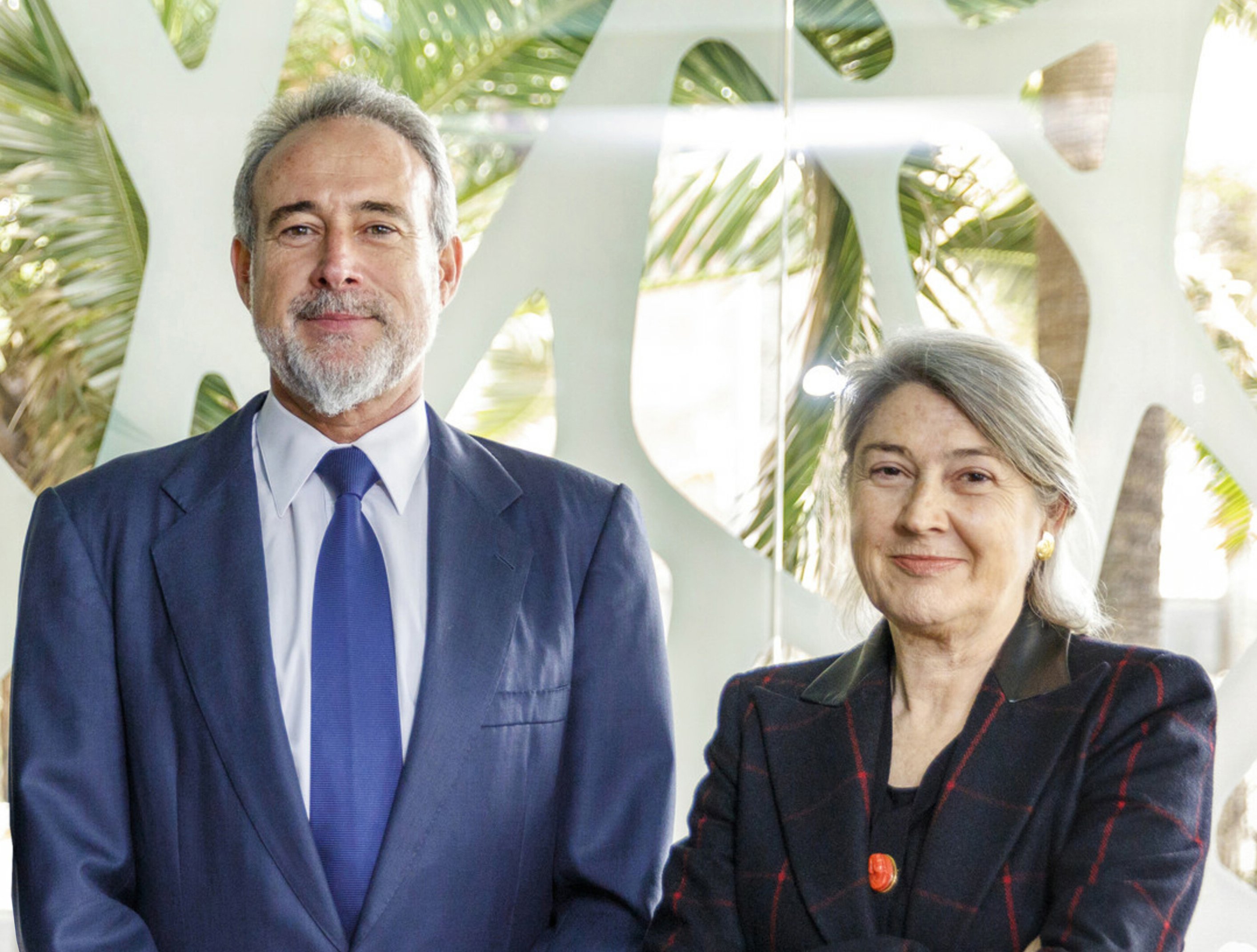
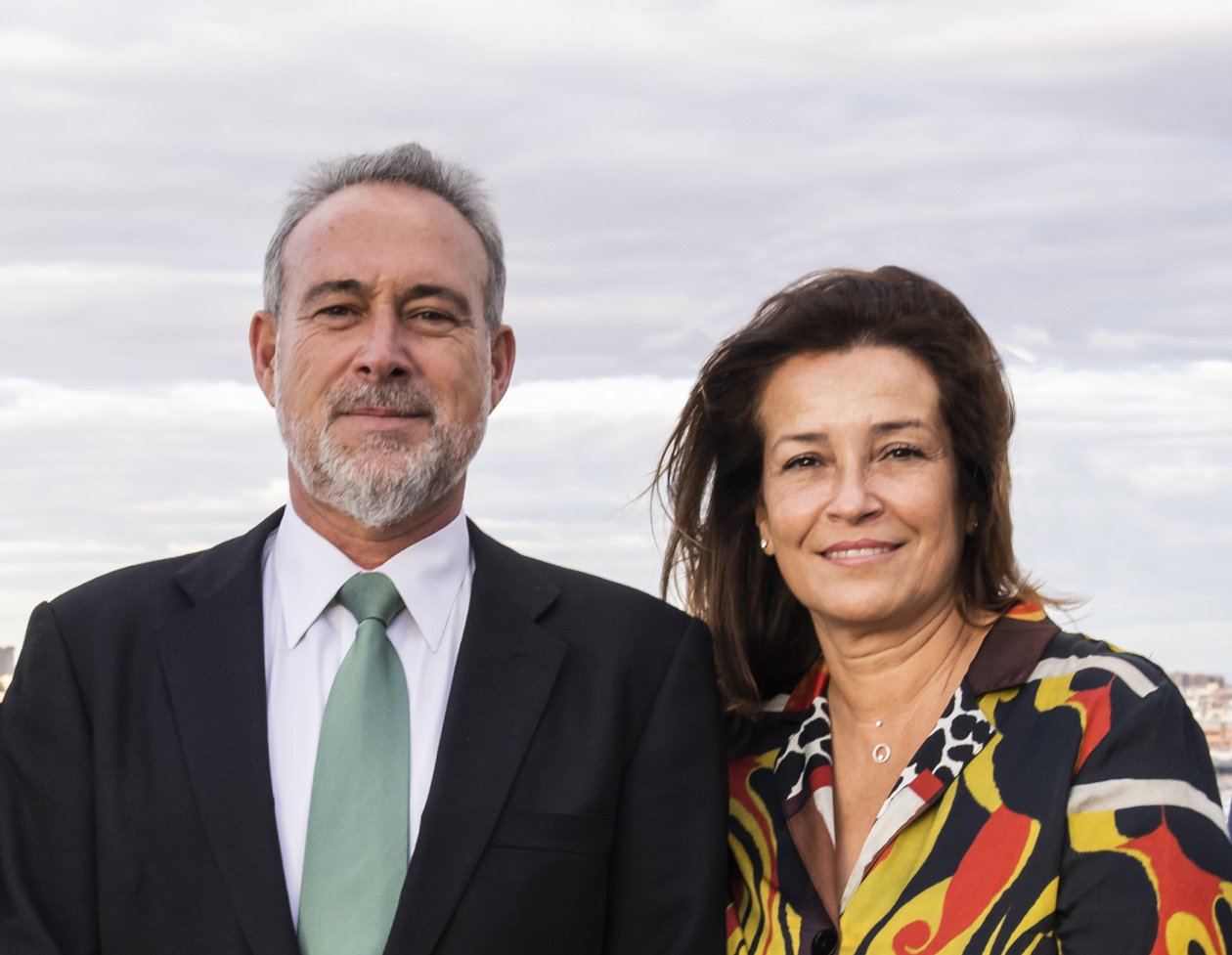
The transition from a single property to an international chain was driven by the second generation of the Riu family, Luis Riu and Carmen Riu. Under their stewardship, the company moved beyond the borders of Europe to capture the burgeoning tourism market in the Americas. By focusing on sun-and-sand destinations, they created a business model that prioritized consistent service standards and prime beachfront real estate. Even as the company scaled, the core values established by the founders—hospitality, warmth, and operational excellence—remained the guiding principles for the Riu family.
The Dynamics of Family Stewardship
To this day, the Riu family maintains a significant role in the governance and strategic direction of the hotel group. This family-owned structure provides a level of stability and long-term planning that is often absent in larger, publicly traded hotel corporations. Because the family remains closely involved in the brand’s evolution, there is a consistent emphasis on maintaining the “Riu identity,” which includes signature design elements, specific culinary standards, and an unwavering commitment to the guest experience in destinations ranging from Dubai to Costa Rica.
The TUI Group Partnership: A Strategic Alliance
While the Riu family maintains deep emotional and operational ties to the business, the ownership landscape shifted significantly in the 1990s through a landmark partnership with the TUI Group. This alliance transformed Riu from a family-run enterprise into a major player in the global travel market, providing the capital and distribution network necessary to dominate the resort sector.
Aligning Operations with Market Demand
The partnership with the German-based travel giant TUI allowed Riu to leverage massive distribution channels. As one of the world’s leading tourism groups, TUI provided the logistical muscle to fill thousands of hotel rooms across various continents. This synergy created a “vertically integrated” model: Riu managed the product—the luxury resort experience—while TUI managed the travel packages, flights, and customer acquisition. This symbiosis has been instrumental in the rapid expansion of the brand in regions like Jamaica, Cape Verde, and Mauritius.
Balancing Independence and Integration
Despite the significant ownership stake held by TUI, the Riu family has successfully negotiated to retain a high degree of operational autonomy. This means that while TUI helps set the strategic course and ensures the properties remain filled with vacationers, the Riu family continues to oversee the aesthetic, development, and service standards of the hotels. This delicate balance of corporate partnership and family management ensures that a stay at a Riu Palace property in Cancun feels consistent with the brand’s origins, regardless of the global ownership structure behind the scenes.
The Evolution of the Riu Product
The ownership’s commitment to continuous investment is visible in how the brand has diversified its offerings. Under the oversight of the current leadership, Riu has moved beyond the “one-size-fits-all” resort model, creating distinct categories that cater to different segments of the travel industry.
The Three Pillars of Riu Hospitality
- Riu Classic Hotels: These represent the core of the brand, offering comprehensive all-inclusive service aimed at families and couples who prioritize convenience and value.
- Riu Palace: These are the high-end, luxury offerings that feature more refined architecture, superior culinary options, and elevated amenities. Located in prime spots such as Aruba or Los Cabos, these properties represent the pinnacle of the brand’s evolution.
- Riu Plaza: In a strategic departure from the beach-only model, the brand has successfully expanded into urban centers like New York, London, and Berlin. These urban hotels cater to business travelers and city-break tourists, showcasing the flexibility of the company’s current management strategy.
Modernization and Sustainability
Investment from the owners is not just directed toward new locations; it is heavily focused on the renovation of older, classic properties. The ownership group frequently funds “total transformations” of their resorts, ensuring that facilities in locations like Punta Cana stay relevant in an increasingly competitive marketplace. Furthermore, there is an increasing focus on environmental sustainability, as the ownership aligns the brand with global standards for energy efficiency and waste reduction, reflecting the modern expectations of travelers visiting natural paradises like the Maldives.
Why Ownership Matters to the Traveler
Understanding the ownership of a major hotel brand provides context for the quality and service consistency one encounters during a vacation. For the guest, the fact that Riu remains a family-influenced company is a key differentiator. It ensures that the brand is not merely a collection of real estate assets, but a living business with a reputation to protect.
The “Riu Feeling”
The ultimate success of the Riu ownership strategy is the cultivation of the “Riu Feeling,” a marketing concept that translates to a seamless, welcoming experience from check-in to check-out. Whether a guest is exploring the ruins of Mexico or lounging on the beaches of Dominican Republic, they expect a specific level of service. Because the family owners remain at the helm, there is a tangible sense of accountability. If service levels dip or the quality of a resort falters, the leadership is personally invested in rectifying the situation, which is a rare trait in the high-stakes world of international hospitality.
Looking Toward the Future
As the global tourism landscape shifts toward personalized and digitized experiences, the ownership of Riu Hotels continues to adapt. Through their partnership with TUI and their own independent vision, they are navigating the complexities of post-pandemic travel and the demand for more experiential, localized tourism. Their long-term strategy focuses on digitizing the guest journey—from the booking process on their website to the Riu App—while maintaining the traditional, physical warmth of their hospitality.
In conclusion, the ownership of Riu Hotels is a powerful blend of legacy and modernization. By remaining anchored in the vision of the original Riu family while benefiting from the global infrastructure of the TUI Group, the brand has managed to secure a dominant position in the hotel industry. For travelers, this means the peace of mind that comes with staying in a well-managed, reliable, and evolving brand that has spent over 70 years perfecting the art of the vacation. Whether you are seeking a city-centric stay or a relaxing escape in the Canary Islands, the Riu name remains a guarantee of a consistent, high-quality hospitality experience.
LifeOutOfTheBox is a participant in the Amazon Services LLC Associates Program, an affiliate advertising program designed to provide a means for sites to earn advertising fees by advertising and linking to Amazon.com. Amazon, the Amazon logo, AmazonSupply, and the AmazonSupply logo are trademarks of Amazon.com, Inc. or its affiliates. As an Amazon Associate we earn affiliate commissions from qualifying purchases.