
The story of how the United States obtained Hawaii is a complex narrative of international diplomacy, economic ambition, and the transformation of a sovereign kingdom into a strategic Pacific Ocean stronghold. To understand this transition, one must look beyond the postcard-perfect beaches of Waikiki and delve into the historical landmarks that still stand as witnesses to a period of radical change. From the majestic halls of the Iolani Palace to the deep waters of Pearl Harbor, the physical landscape of the islands tells a tale of a monarchy’s rise and fall and the eventual integration of the archipelago into the United States of America.
The Sovereignty of the Kingdom of Hawaii
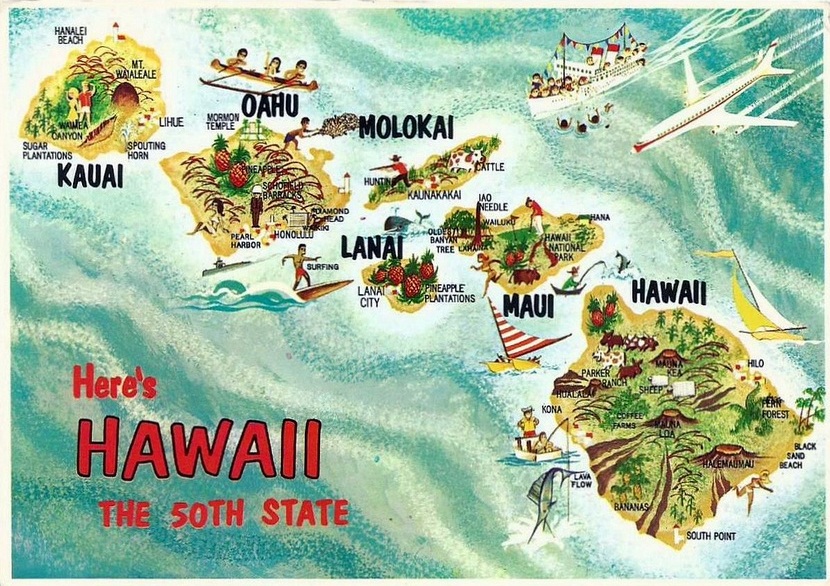
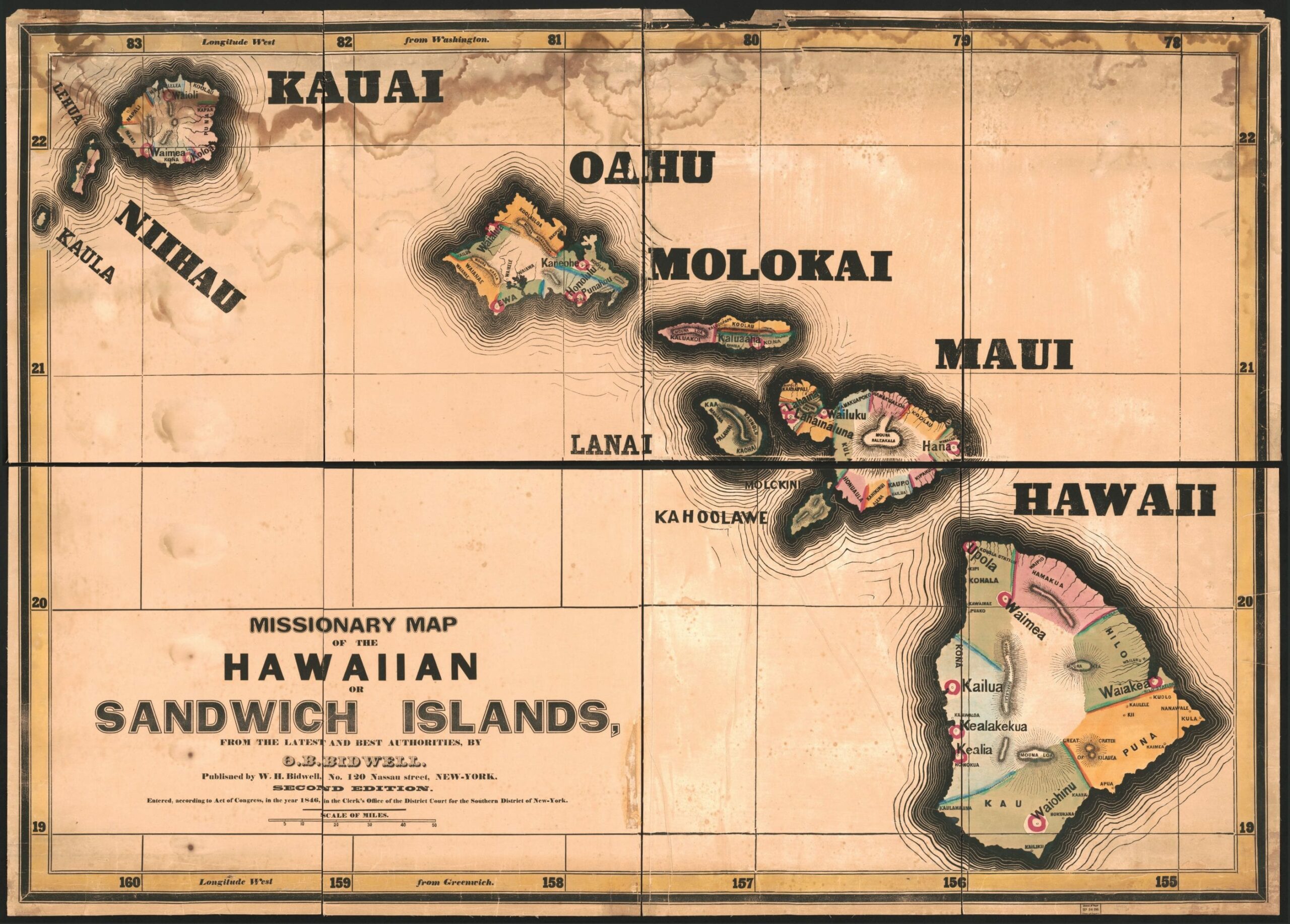
Before it was the 50th state, Hawaii was a recognized sovereign nation with its own established diplomatic ties to major world powers like the United Kingdom and France. The unification of the islands was achieved by King Kamehameha I, who, through military conquest and savvy negotiation, brought the Big Island, Maui, Oahu, Kauai, Molokai, and Lanai under a single rule by 1810.
The Rise of the Sugar Industry
Throughout the 19th century, the United States began to exert a significant influence over the islands through two primary avenues: religion and commerce. American missionaries arrived in the 1820s, and by the mid-century, their descendants had become powerful landowners and businessmen. The fertile volcanic soil of Hawaii proved ideal for sugarcane, and the industry quickly became the backbone of the economy.
The Reciprocity Treaty of 1875 was a turning point. It allowed Hawaiian sugar to enter the United States duty-free, leading to an economic boom. However, this prosperity came with strings attached. When the treaty was renewed in 1887, the United States government demanded exclusive rights to use Pearl Harbor as a naval base, cementing the islands’ strategic importance to the American military.
The Bayonet Constitution
The political tension reached a boiling point in 1887 during the reign of King Kalakaua. A group of armed businessmen and lawyers, known as the Hawaiian League, forced the king to sign a new constitution at gunpoint. This document, which became known as the Bayonet Constitution, severely limited the monarch’s power and stripped voting rights from many native Hawaiians and Asian immigrants, while granting them to wealthy non-citizen residents. This event significantly weakened the Kingdom of Hawaii and set the stage for the eventual overthrow.
The Overthrow of Queen Liliuokalani
When King Kalakaua passed away in 1891, his sister, Queen Liliuokalani, ascended to the throne. She was a fierce advocate for Hawaiian sovereignty and sought to introduce a new constitution that would restore power to the monarchy and the native people. Her efforts, however, were met with swift and calculated resistance from American and European interests.
The 1893 Coup d’État
In January 1893, a group of thirteen men calling themselves the Committee of Safety, led by Sanford B. Dole, organized a coup. They were supported by the United States Minister to Hawaii, John L. Stevens, who ordered 162 sailors and marines from the USS Boston to land in Honolulu. The presence of the American military intimidated the Queen’s forces, and to avoid bloodshed, Queen Liliuokalani surrendered her authority under protest.
The Iolani Palace, the official residence of the monarch and a symbol of Hawaiian pride, was seized. The Provisional Government was established with Sanford B. Dole as its president. The goal of this new government was clear: immediate annexation by the United States.
The Blount Report and Cleveland’s Stance
The initial attempt at annexation was stalled by President Grover Cleveland. After taking office in Washington D.C., Cleveland sent James Blount to investigate the circumstances of the overthrow. The resulting Blount Report concluded that the coup was illegal and that the majority of native Hawaiians opposed annexation. President Grover Cleveland refused to submit the annexation treaty to the Senate and called for the restoration of the Queen. However, the Provisional Government refused to step down, eventually declaring themselves the Republic of Hawaii in 1894.
Annexation and the Path to Statehood
The political winds shifted with the onset of the Spanish-American War in 1898. The United States needed a mid-Pacific refueling station for its fleet headed to the Philippines. The strategic value of Hawaii suddenly outweighed the constitutional and ethical concerns that had previously blocked its acquisition.
The Newlands Resolution
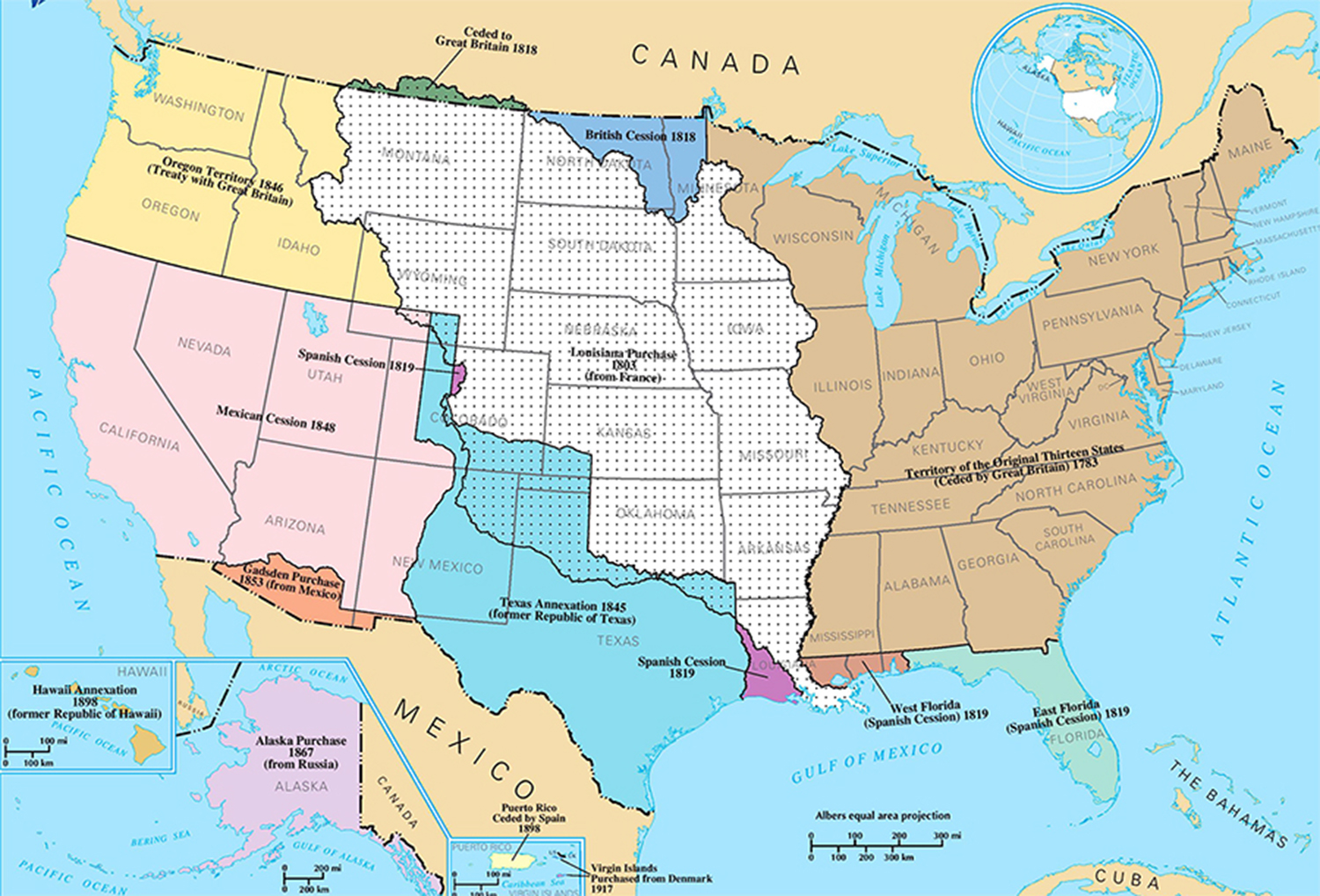
Under President William McKinley, the United States moved forward with annexation. Rather than a formal treaty, which would have required a two-thirds majority in the Senate, annexation was achieved via the Newlands Resolution. This joint resolution required only a simple majority in both houses of Congress. Despite massive petitions from native Hawaiians organized by the Hui Aloha Aina, the resolution passed, and Hawaii officially became a United States territory on August 12, 1898.
The Transformation of the Territory
As a territory, Hawaii underwent significant social and economic changes. The “Big Five” corporations—Castle & Cooke, Alexander & Baldwin, C. Brewer & Co., American Factors, and Theo H. Davies & Co.—dominated the sugar and pineapple industries, as well as the political landscape.
The military presence continued to grow, with the construction of massive facilities at Pearl Harbor, Schofield Barracks, and Fort Shafter. The islands were no longer just a source of agricultural wealth; they were the “Gibraltar of the Pacific,” essential to American power in the Pacific Ocean.
Achieving Statehood in 1959
The push for statehood gained momentum after World War II. The bravery of the 442nd Regimental Combat Team, composed primarily of Japanese-Americans from Hawaii, helped dispel doubts about the loyalty of the islands’ diverse population. On August 21, 1959, President Dwight D. Eisenhower signed the proclamation making Hawaii the 50th state of the United States.
Preserving History: Iconic Landmarks of the Hawaiian Transition
For those visiting Hawaii today, the history of the United States obtaining the islands is not just found in textbooks; it is etched into the architecture and sites of Honolulu. These landmarks serve as critical touchpoints for understanding the shift from kingdom to state.
Iolani Palace: The Seat of Power
Located in downtown Honolulu, the Iolani Palace is perhaps the most significant historical landmark in the islands. Completed in 1882, it is the only official royal palace on United States soil. Its unique “American Florentine” architectural style, characterized by grand staircases and intricate koa wood carvings, was a statement of Hawaii’s modernity and sophistication.
Visitors can tour the throne room where King Kalakaua once held court and the private upstairs room where Queen Liliuokalani was imprisoned for several months following an attempted restoration of the monarchy in 1895. The palace grounds also house the Coronation Pavilion and the Old Royal Barracks.
Washington Place
Just a short walk from the palace stands Washington Place. Built in 1847, this historic mansion was the private residence of Queen Liliuokalani until her death in 1917. After the annexation, it served as the official residence of the Governor of Hawaii for decades. Today, it stands as a landmark dedicated to the memory of the Queen and the complex legacy of the Hawaiian monarchy.
Aliiolani Hale and the Kamehameha Statue
Across from Iolani Palace is Aliiolani Hale, which currently serves as the home of the Hawaii State Supreme Court. This building was originally intended to be a royal palace but was converted into the seat of government during its construction in the 1870s. It was on the steps of this building that the Committee of Safety read the proclamation that abolished the monarchy in 1893.
Standing prominently in front of Aliiolani Hale is the iconic King Kamehameha Statue. This bronze figure, draped in a gold-colored lei during celebrations, commemorates the king who first unified the islands. It remains one of the most photographed landmarks in Honolulu.
Pearl Harbor National Memorial
While often associated with the tragic events of 1941, Pearl Harbor is a landmark that represents the primary reason for the United States’ initial interest in Hawaii. The USS Arizona Memorial and the Battleship Missouri Memorial provide a somber reflection on the islands’ role in global history. The strategic harbor, which once belonged to the Hawaiian monarchy, became the anchor of American naval power in the Pacific Ocean and a catalyst for the annexation that changed the course of the archipelago forever.
Punchbowl Crater: National Memorial Cemetery of the Pacific
Set within the dormant Punchbowl Crater in Honolulu, the National Memorial Cemetery of the Pacific serves as a landmark honoring those who served in the United States Armed Forces. The site provides a panoramic view of the city, from Diamond Head to Pearl Harbor, and stands as a testament to the integrated military and civic history of Hawaii within the United States.
By exploring these historical landmarks, visitors and residents alike can better grasp the intricate process by which the United States obtained Hawaii. It is a story of a royal kingdom, the influence of global trade, and the strategic necessities of a growing American nation—all of which have left an indelible mark on the landscape of the 50th state.
LifeOutOfTheBox is a participant in the Amazon Services LLC Associates Program, an affiliate advertising program designed to provide a means for sites to earn advertising fees by advertising and linking to Amazon.com. Amazon, the Amazon logo, AmazonSupply, and the AmazonSupply logo are trademarks of Amazon.com, Inc. or its affiliates. As an Amazon Associate we earn affiliate commissions from qualifying purchases.