
When planning a trip to Louisiana, travelers often focus on the vibrant jazz music of New Orleans, the spicy culinary delights of Cajun Country, or the haunting beauty of the Atchafalaya Basin. However, there is a logistical aspect of visiting this unique state that often catches tourists by surprise: the sales tax structure. Understanding how sales tax works in this region is essential for budget management and ensures that your vacation expenses align with your expectations.
The Unique Structure of Louisiana Sales Tax
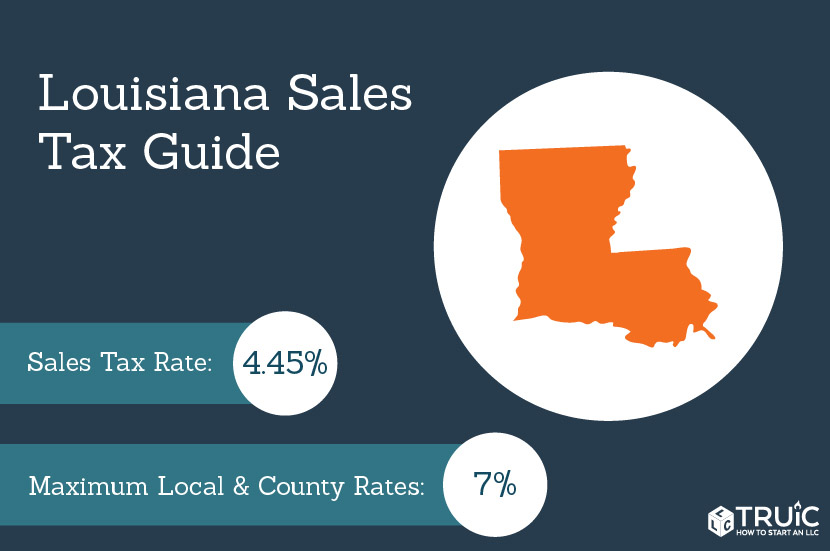
Unlike many states that have a single, unified state sales tax rate, Louisiana operates under a decentralized system. This means that the total amount you pay at the register is a combination of levies from the state, the parish, and sometimes the individual municipality.
State-Level Contributions
At the base level, the state government imposes a standard sales tax rate. However, this is only the starting point. Because Louisiana is divided into parishes rather than counties, local jurisdictions have significant autonomy in determining their specific tax overlays. This legislative structure reflects the state’s distinct historical and cultural governance, which prioritizes local control over standardized statewide uniformity.
The Role of Parish and Municipal Taxes
The complexity arises when you move from one parish to another. For example, a souvenir purchased in Baton Rouge may be taxed at a different rate than the same item purchased in Lafayette. These local taxes are used to fund community-specific projects, infrastructure, and tourism initiatives that enhance the visitor experience. When you see a tax rate reflected on your receipt at a boutique in Shreveport or a gallery in Lake Charles, you are essentially contributing to the maintenance and development of the local culture you are currently enjoying.
Tax Implications for Tourists and Travelers
For those traveling through the state, these tax variations can feel unpredictable. It is helpful to understand how different types of purchases—from dining out to booking accommodation—are categorized and taxed.
Lodging and Hospitality Taxes
If you are booking a stay at a historic hotel like the Hotel Monteleone in the French Quarter, you will likely encounter occupancy taxes in addition to standard sales tax. These are specifically earmarked for local tourism promotion, convention centers, and the preservation of historic districts. While these taxes might increase the nightly rate of your Windsor Court Hotel or a cozy bed and breakfast in Natchitoches, they are directly responsible for the preservation of the architectural beauty that draws millions of visitors to the region annually.
Dining and Entertainment Expenses
Louisiana is world-renowned for its food scene. Whether you are grabbing beignets at Cafe Du Monde or enjoying a fine dining experience in Garden District, your bill will reflect the local tax rate. Because many restaurants are located in high-traffic tourist zones, some municipalities impose additional hospitality-related surcharges. These are common in global tourist hubs and are used to provide the high level of public services and security necessary to keep areas like Bourbon Street safe and accessible for tourists.
Exemptions and Tax-Free Shopping
One important note for international travelers or those making major purchases is the availability of specific tax refund programs. Louisiana has historically offered tax-free shopping for international visitors, allowing them to reclaim the sales tax paid on tangible personal property. If you are shopping for art in Royal Street galleries or high-end retail goods, keeping your receipts is critical. Always inquire at the point of sale whether the merchant participates in tax refund programs, as this can lead to significant savings on big-ticket items.
Navigating the Costs of Your Louisiana Adventure
To avoid “sticker shock” during your travels, a proactive approach to budgeting is recommended. The fluidity of tax rates in Louisiana means that what you see on a price tag is rarely what you pay at the register.
Budgeting for Variable Rates
When planning your itinerary, consider setting aside a small buffer for taxes. While the base rate is relatively standard, the aggregate total can sometimes reach into the double digits depending on the local jurisdiction. If you are visiting iconic landmarks like the Oak Alley Plantation or taking an airboat tour of the Honey Island Swamp, remember that the cost of your ticket might include local tourism levies that support the conservation of these natural wonders.
Digital Tools and Receipt Awareness
In the digital age, many travelers use apps to estimate total trip costs. However, these tools often use national averages that do not account for Louisiana’s unique parish-based tax system. Instead of relying solely on digital calculators, it is best to view your trip as a dynamic experience. By understanding that your tax dollars are going toward keeping Jackson Square clean and the lights on at the Louisiana State Museum, you can appreciate the contribution you are making to the local economy.
Planning for Major Purchases
If your trip involves significant investments, such as commissioning a piece from a local sculptor or buying antique furniture in Magazine Street, research the specific tax rate for that parish before making the purchase. Each parish tax assessor provides information regarding local levies, and speaking directly with business owners can often clarify the total cost of an item. Because business owners are well-versed in the local tax structure, they are your best resource for understanding how much you will pay in New Orleans compared to a rural outpost in St. Tammany Parish.
The Value of the Visitor Experience
Ultimately, the sales tax in Louisiana should be viewed as a contribution to the preservation of a culture that is unlike any other in the United States. The state’s history, influenced by French, Spanish, African, and Caribbean cultures, creates an immersive experience that requires significant funding to maintain. From the upkeep of the National WWII Museum to the infrastructure supporting the Mardi Gras celebrations, your tax contributions are part of the engine that keeps Louisiana a world-class destination.
When you purchase goods or services, you are investing in the sustainability of the Mississippi River region’s unique charm. Whether you are exploring the historic French Market or enjoying live music at a club in Frenchmen Street, the small additional cost represented by sales tax is the price of keeping the vibrant spirit of the Bayou State alive for future generations to enjoy. By preparing for these costs in advance, you can focus on what truly matters: soaking in the incomparable atmosphere of this legendary southern destination.
LifeOutOfTheBox is a participant in the Amazon Services LLC Associates Program, an affiliate advertising program designed to provide a means for sites to earn advertising fees by advertising and linking to Amazon.com. Amazon, the Amazon logo, AmazonSupply, and the AmazonSupply logo are trademarks of Amazon.com, Inc. or its affiliates. As an Amazon Associate we earn affiliate commissions from qualifying purchases.