
Charting a Course for a Sustainable California Lifestyle
Embarking on a career as an electrician in California is more than just choosing a job; it’s a strategic lifestyle decision. In a state renowned for its innovation, dynamic economy, and diverse landscapes, securing a role in a high-demand, skilled trade offers unparalleled stability, excellent earning potential, and a pathway to personal fulfillment. The demand for qualified electricians remains consistently high across California, driven by ongoing construction, infrastructure upgrades, and the burgeoning green energy sector. This ensures job security, a crucial cornerstone for building a stress-free and prosperous lifestyle in the Golden State.

Choosing to become an electrician means investing in a tangible, portable skill that is always in demand, creating a versatile lifestyle asset. It empowers individuals with the technical expertise to contribute directly to the state’s growth, from powering modern homes and businesses to implementing cutting-edge renewable energy solutions. This career path offers a blend of intellectual challenge and hands-on work, appealing to those who seek a dynamic professional environment over a sedentary office setting. Furthermore, the robust earning potential of a certified electrician in California enables a comfortable standard of living, supporting aspirations from homeownership to leisure travel, thus directly impacting one’s overall lifestyle quality.
Foundational Education: Sparking Your Career
The journey to becoming a certified electrician in California typically begins with a solid educational foundation. While specific requirements can vary, a high school diploma or its equivalent, such as a GED, is the universal starting point. This academic base ensures candidates possess the fundamental literacy and mathematical skills necessary for understanding complex electrical diagrams, safety regulations, and technical specifications.
Beyond basic schooling, many aspiring electricians opt for pre-apprenticeship programs offered by vocational schools or California Community Colleges. These programs are invaluable for providing essential electrical theory, safety protocols, and basic hands-on skills before entering a formal apprenticeship. Topics covered often include Ohm’s Law, circuit theory, blueprint reading, and tool usage. Completing such a program not only strengthens an applicant’s candidacy for competitive apprenticeship spots but also gives them a head start on the theoretical knowledge required. Framing this initial education as an investment in a durable, in-demand skill underscores its value as a lifestyle asset, setting the stage for a financially independent future. These foundational steps are not just academic hurdles; they are deliberate choices that shape the trajectory of one’s professional life and overall well-being.
The Apprenticeship Journey: Hands-On Lifestyle Training
The cornerstone of becoming a licensed electrician in California is completing a registered apprenticeship program. These programs are meticulously structured to provide comprehensive on-the-job training (OJT) complemented by classroom instruction, ensuring apprentices develop both practical skills and theoretical knowledge. Typically, a California electrical apprenticeship spans four to five years, demanding approximately 8,000 hours of OJT and at least 720 hours of classroom instruction.
Apprenticeships are commonly administered by Joint Apprenticeship and Training Committees (JATCs), which are partnerships between local chapters of the International Brotherhood of Electrical Workers (IBEW) and the National Electrical Contractors Association (NECA), or by independent non-union sponsors. These programs are registered with the California Department of Industrial Relations (DIR), ensuring adherence to state standards for quality training and worker protection.
A significant lifestyle benefit of an apprenticeship is the “earn while you learn” model. Apprentices receive progressive wage increases as they advance through the program, allowing them to gain valuable work experience and financial independence simultaneously. This immediate earning potential can significantly reduce financial stress often associated with higher education and allows individuals to contribute to their living expenses while mastering a trade. This model supports a self-sufficient lifestyle from the outset, enabling apprentices to establish a stable financial footing without accumulating substantial student loan debt. The hands-on nature of the training also fosters a deep sense of accomplishment and practical competence, which contributes to overall job satisfaction and a fulfilling professional lifestyle.
Licensing and Specialization: Electrifying Your Professional Lifestyle
Upon successful completion of a registered apprenticeship program, the next critical step for aspiring electricians in California is obtaining state certification. California mandates that all electricians working for contractors must be certified by the state. This certification is managed through the California Electrician Certification Program (CECP), overseen by the California Department of Industrial Relations (DIR). Certification not only validates an electrician’s expertise and adherence to safety standards but also unlocks a wider array of professional opportunities and higher earning potential, directly enhancing one’s professional lifestyle.
The CECP offers various certifications, allowing electricians to specialize based on their interests and career aspirations. These include:
- General Electrician: The broadest certification, enabling work on a wide range of electrical systems in residential, commercial, and industrial settings.
- Residential Electrician: Focuses specifically on electrical systems in homes and dwellings.
- Voice Data Video (VDV) Technician: Specializes in low-voltage wiring for communication systems, such as internet, telephone, and cable.
- Fire/Life Safety Electrician: Focuses on the installation and maintenance of fire alarm and life safety systems.
- Non-Residential Lighting Technician: Specializes in installing and maintaining lighting systems in commercial and industrial environments.
Choosing a specialization can significantly tailor an electrician’s career to a preferred lifestyle. For instance, residential work might offer more predictable hours, appealing to those seeking a stable home life, while industrial or specialized roles could lead to higher pay and opportunities for travel or project-based work.
The California Electrician Certification Exam
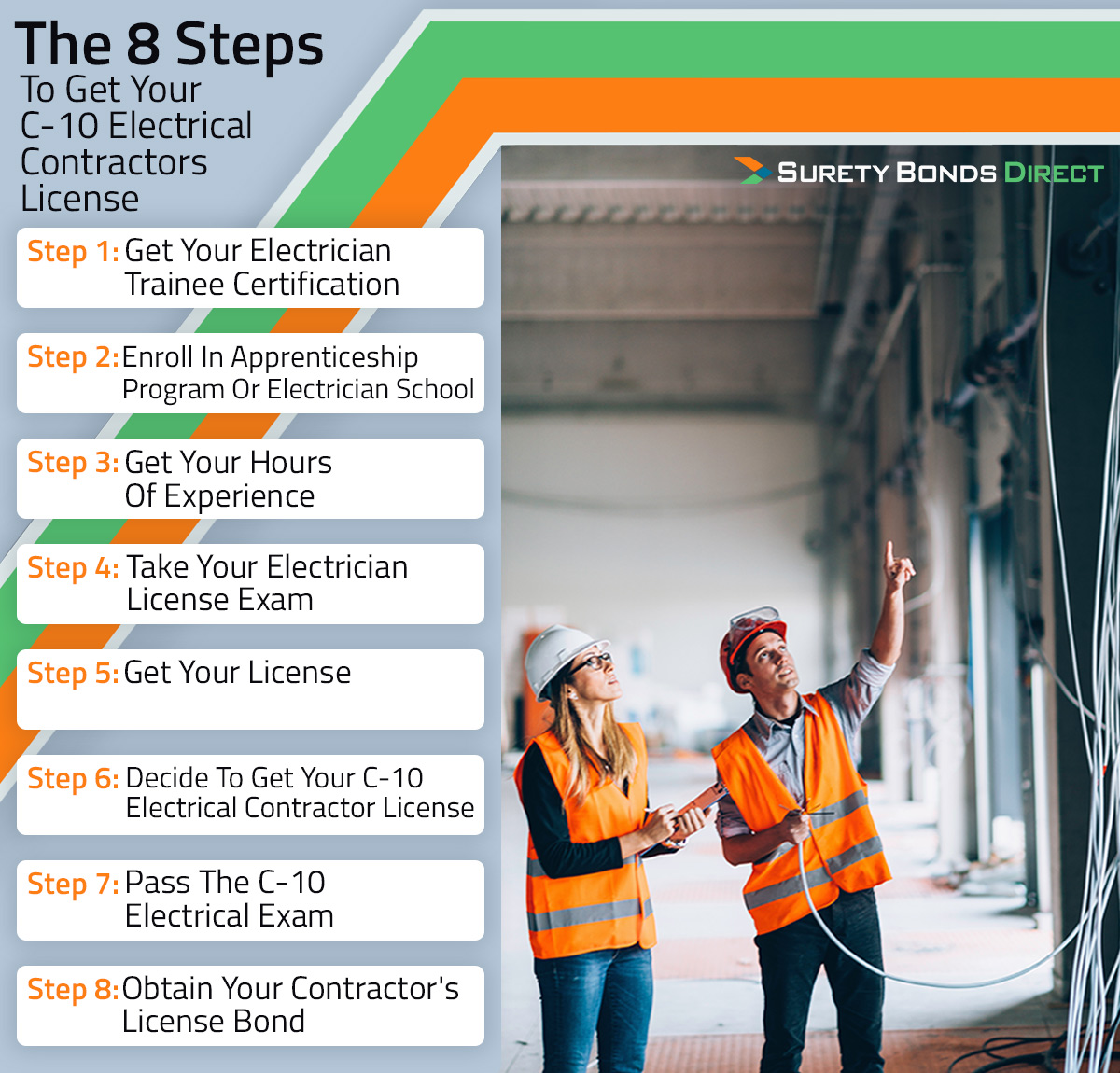
To earn certification, candidates must pass a comprehensive state examination. This exam rigorously tests an applicant’s knowledge of electrical theory, the National Electrical Code, California Electrical Safety Orders, and practical application scenarios. The examination is computer-based and typically involves multiple-choice questions. A passing score demonstrates mastery of the trade, assuring employers and clients of the electrician’s competence. Passing this exam is a significant milestone, solidifying an electrician’s professional identity and securing their long-term viability in the trade—a crucial asset for a secure lifestyle. Once certified, electricians must renew their certification periodically, which typically involves completing continuing education hours.
Continuous Learning for a Dynamic Career Lifestyle
The electrical field is constantly evolving, driven by technological advancements and changes in safety codes. Therefore, continuous learning is not just a requirement for license renewal but a fundamental aspect of maintaining a dynamic and secure career lifestyle. Electricians must stay updated with the latest editions of the National Electrical Code and California-specific regulations.
Beyond regulatory compliance, staying abreast of new technologies is vital. The advent of smart home systems, electric vehicle (EV) charging infrastructure, solar photovoltaic installations, and advanced energy storage solutions presents new opportunities and challenges. Electricians who proactively acquire skills in these emerging areas ensure their adaptability and relevance in the workforce, future-proofing their careers and securing their earning potential. This commitment to ongoing professional development transforms a job into a truly dynamic career, offering intellectual stimulation and preventing stagnation—hallmarks of a fulfilling lifestyle.
The Electrician’s Lifestyle in the Golden State
The choice to become an electrician in California is inherently a lifestyle decision, offering a range of benefits that contribute to a high quality of life. From robust income potential to significant job mobility, the profession supports a diverse array of living preferences across the state’s varied regions.
Income Potential: California offers some of the highest wages for electricians in the nation. While exact figures vary based on experience, specialization, and location, a certified electrician can command a strong salary that comfortably supports desired living standards. Metropolitan areas like Los Angeles, San Francisco, and Silicon Valley often present higher pay scales due to increased demand and cost of living. This financial security is a cornerstone of a comfortable lifestyle, enabling not just daily necessities but also discretionary spending on leisure, hobbies, and even travel, aligning with the “life out of the box” ethos.
Work-Life Balance: Compared to some high-stress corporate roles, skilled trades often provide a more predictable work schedule, contributing to a healthier work-life balance. While emergency calls and demanding projects are part of the job, many electricians can enjoy evenings and weekends off. Project-based work, particularly for those working independently, can also allow for periods of intense work followed by planned downtime, offering flexibility that supports a tailored lifestyle. This balance is crucial for personal well-being and pursuing non-work interests.
Job Mobility: A state-certified electrician’s skills are highly transferable. This means excellent job mobility, allowing professionals to find work throughout California’s diverse regions—from the bustling urban centers to the serene coastal towns or growing inland communities. This geographical flexibility is a key aspect of a mobile lifestyle, appealing to those who may wish to relocate for personal reasons, explore new environments, or follow specialized project opportunities. In some cases, California certification and experience can even facilitate reciprocity in other states, further expanding an electrician’s professional horizons.
Contribution to Community: Beyond personal benefits, electricians play a vital role in powering communities. They are essential for ensuring the safety and functionality of homes, schools, hospitals, businesses, and critical infrastructure. This direct contribution to society fosters a sense of purpose and pride in one’s work, enhancing overall job satisfaction and a fulfilling lifestyle. Knowing that one’s skills are indispensable to modern living is a powerful motivator and a significant aspect of a meaningful career.
Navigating California’s Diverse Regions
The diverse geography of California means that the demand and type of electrical work can vary significantly by region. In urban centers like Los Angeles and San Francisco, electricians might find ample opportunities in commercial high-rises, residential developments, and entertainment venues. The Silicon Valley area, for example, offers specialized work in tech campuses and data centers. Coastal regions might have unique demands related to marine electrical systems or residential properties susceptible to specific environmental factors. Inland areas, including the Central Valley, may see more agricultural or industrial electrical needs. Understanding these regional differences allows electricians to strategically choose a work environment that best aligns with their skills, interests, and desired lifestyle, whether it’s the fast pace of city life or a more laid-back community setting.
Future Outlook: A Bright Lifestyle Ahead
The future for electricians in California is exceptionally bright, ensuring a secure and evolving professional lifestyle. Long-term projections consistently indicate a steady growth in demand for skilled electrical workers. This growth is fueled by several factors, including population expansion, continuous development of residential and commercial infrastructure, and the imperative to maintain and upgrade existing electrical systems.
A significant driver of future demand comes from California’s aggressive push towards green energy and sustainability. The proliferation of solar panel installations, the expansion of electric vehicle (EV) charging stations, and the integration of smart grid technologies are creating entirely new sectors of specialized electrical work. Electricians with expertise in renewable energy systems or smart home technology will be particularly well-positioned for career advancement and higher earning potential, keeping their skills relevant for decades to come. This ensures a future-proof career, offering continuous opportunities for learning and growth, which is a hallmark of a dynamic lifestyle.
Furthermore, the option for entrepreneurship offers the ultimate lifestyle control for many electricians. After gaining sufficient experience and building a reputation, certified electricians can choose to start their own contracting businesses. This path provides unparalleled independence, the ability to set one’s own hours, select projects, and ultimately define the scope and pace of their professional life. This level of autonomy is highly attractive for those seeking to be their own boss and manage their work-life balance according to their personal preferences, truly embodying a “life out of the box” philosophy. The combination of strong demand, emerging technologies, and entrepreneurial possibilities makes becoming an electrician in California a wise and fulfilling lifestyle choice.
LifeOutOfTheBox is a participant in the Amazon Services LLC Associates Program, an affiliate advertising program designed to provide a means for sites to earn advertising fees by advertising and linking to Amazon.com. Amazon, the Amazon logo, AmazonSupply, and the AmazonSupply logo are trademarks of Amazon.com, Inc. or its affiliates. As an Amazon Associate we earn affiliate commissions from qualifying purchases.