
Booking a hotel room for a friend, family member, or business associate is a common scenario, yet it often comes with unexpected logistical hurdles. Whether you are treating your parents to a luxury getaway at the Ritz-Carlton, securing a room for an incoming employee traveling to New York City, or surprising a newlywed couple with a honeymoon suite in Paris, the process requires careful planning. Hotels operate under strict security and payment guidelines to protect both their guests and their property. Without the proper preparation, the person you are booking for could face delays at check-in or, worse, find themselves without a room. Navigating this process successfully involves understanding hotel policies, communicating effectively with the front desk, and utilizing the right reservation methods to ensure a seamless experience from arrival to departure.

Understanding Hotel Check-In Policies and Third-Party Rules
When you reserve a room for another individual, the primary challenge usually arises at the front desk during check-in. Most hotels require the person checking in to present a government-issued photo identification and a credit card matching the name on the reservation for incidentals. If your name is on the reservation and you are not present, the property may refuse to hand over the keys.
The Authorized User and Guest of Honor Dilemma
Many booking platforms and hotel loyalty programs offer options specifically designed for this situation. For instance, programs like Marriott Bonvoy and Hilton Honors allow members to book “Guest of Honor” stays or transfer points to another traveler, ensuring the actual guest receives their elite benefits. However, standard third-party travel sites like Expedia or Booking.com often complicate matters because the reservation is technically held under the corporate account of the agency rather than the individual purchaser.
Communicating with the Property in Advance
The golden rule of booking a room for someone else is proactive communication. Never assume the hotel will automatically understand the arrangement. Once you complete the reservation, call the front desk or reservations department directly—do not rely solely on the general customer service call center. Inform them of the exact name of the guest who will be arriving. Ask them to add a “second guest” or “accompanying guest” note to the file, and specifically inquire about their policy regarding third-party check-ins. Taking this step eliminates confusion when your traveler arrives after a long flight to London Heathrow Airport or a tiring drive across California.
Managing Payments and Credit Card Authorizations
Paying for a hotel room when you are miles away from the destination is entirely possible, but it requires navigating financial security protocols. Hotels are legally liable for fraudulent charges, which is why they are hesitant to accept a credit card over the phone without verifiable documentation.
Using a Credit Card Authorization Form
If you want to pay for the room rate, taxes, and resort fees ahead of time, you will almost always need to complete a Credit Card Authorization (CCA) form.
- Contact the hotel’s billing or accounting department.
- Request their official authorization form via secure email or fax.
- Fill out the details specifying what charges you agree to cover (e.g., room and tax only, or room, tax, and incidental expenses).
- Provide copies of the front and back of your credit card and a matching photo ID, depending on the hotel’s strictness.
Returning this form at least 48 to 72 hours before check-in ensures the finance department has time to process and approve the paperwork. Properties located in major financial hubs like Singapore or Tokyo are particularly stringent about these security measures to prevent financial fraud.
Handling Incidental Deposits
Even if you pre-pay for the room and resort fees, hotels require a deposit for incidentals—such as room service, minibar items, or spa treatments at wellness retreats like Canyon Ranch. Because you will not be present to swipe your card, the person checking in must provide their own credit card for these potential expenses. Make sure your traveler knows this in advance so they bring a valid card with sufficient available credit, preventing awkward moments at the reception desk.
Step-by-Step Strategies for Different Booking Methods
Depending on how you prefer to reserve accommodations, different approaches yield the best results. Whether utilizing direct channels or corporate tools, each method has distinct advantages.
Booking Directly Through the Hotel Website
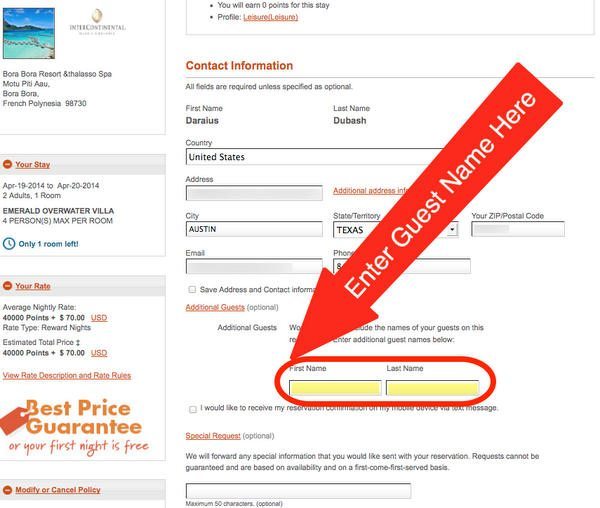
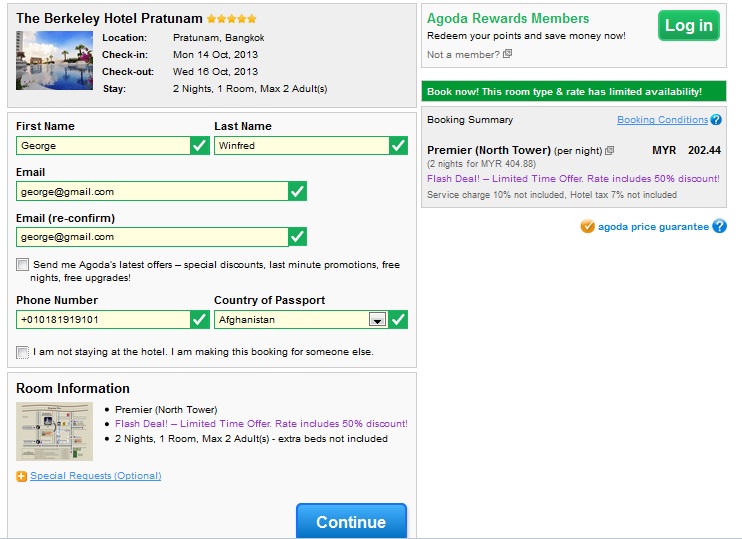
This is widely considered the safest and most reliable method. When booking directly through a brand’s website—such as the Four Seasons Hotels and Resorts—you can often enter the actual traveler’s name in the “Guest Details” section while using your own billing address and payment information.
- Enter the traveler’s legal name (as it appears on their passport or driver’s license) in the guest name field.
- Enter your own name and payment details in the billing section.
- Immediately follow up with the hotel to verify that the primary guest name is correctly registered and to arrange the aforementioned payment authorization if necessary.
Utilizing Travel Agents and Concierge Services
If the trip is complex, involves multiple destinations like a tour of Switzerland, or requires VIP treatment, working with a professional travel advisor is often the easiest route. High-end travel networks, including Virtuoso, have direct relationships with hotel management. An advisor can seamlessly handle third-party payments, ensure the traveler receives special amenities, and manage all communication with the concierge team at iconic properties like the Plaza Hotel in New York.
Ensuring a Smooth Experience for Your Guest
Once the logistical and financial details are resolved, a few final touches will guarantee your traveler enjoys a stress-free stay.
Share Confirmation Details and Policies
Send the traveler a comprehensive itinerary that includes the hotel’s confirmation number, direct phone number, exact address, and check-in/check-out times. It is also wise to brief them on what to expect—reminding them, for instance, to have their own credit card ready for the incidental hold, or letting them know if breakfast is included in the package you purchased.
Coordinate Special Requests and Surprises
If you are booking the room as a surprise celebration for a special occasion, coordination is critical. Contact the concierge to arrange for champagne, flowers, or a personalized note to be placed in the room before they arrive. Providing flight details to the hotel can also help them anticipate an early arrival or late-night check-in, ensuring the guest is welcomed warmly regardless of their travel schedule. By taking the time to handle these details professionally, you ensure that booking a room for someone else is a rewarding gesture rather than a logistical headache.
LifeOutOfTheBox is a participant in the Amazon Services LLC Associates Program, an affiliate advertising program designed to provide a means for sites to earn advertising fees by advertising and linking to Amazon.com. Amazon, the Amazon logo, AmazonSupply, and the AmazonSupply logo are trademarks of Amazon.com, Inc. or its affiliates. As an Amazon Associate we earn affiliate commissions from qualifying purchases.