
The open road beckons, promising freedom, independence, and a career that moves you, both literally and figuratively. For many seeking a “life out of the box,” a Class A Commercial Driver’s License (CDL) in California is not just a permit; it’s a passport to a distinct and rewarding lifestyle. This license unlocks the ability to operate combination vehicles – essentially, a truck and trailer – weighing over 26,001 pounds, with the towed unit exceeding 10,000 pounds. Think tractor-trailers, big rigs, and large-scale transportation. It’s a profession vital to the economy, constantly in demand, and offering a unique blend of responsibility and autonomy.
Obtaining this license in the Golden State is a structured process, demanding dedication, meticulous preparation, and a commitment to safety. It’s an investment in a future where your office view changes daily, where problem-solving is an art, and where you play a crucial role in connecting communities across vast distances. This guide will walk you through every essential step, helping you navigate the requirements and challenges to secure your Class A CDL and embark on a fulfilling professional driving lifestyle.
Understanding the Class A CDL: More Than Just Driving
A Class A CDL is not merely an upgrade from a standard driver’s license; it represents a significant commitment to a specialized skill set and a chosen professional lifestyle. It signifies your readiness to handle complex machinery, understand intricate regulations, and navigate diverse road conditions, all while ensuring the safe transport of goods or passengers.
What is a Class A CDL?
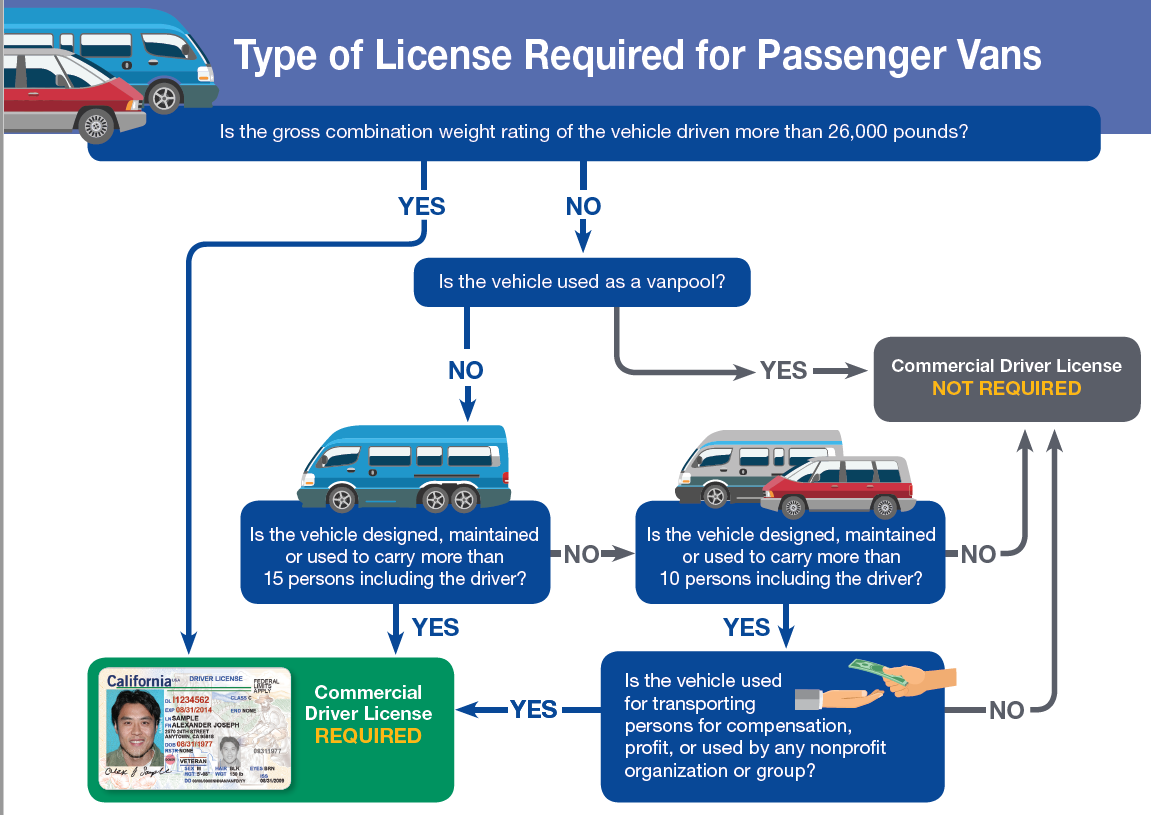
At its core, a Class A CDL authorizes you to drive any combination of vehicles with a Gross Combination Weight Rating (GCWR) of 26,001 pounds or more, provided the Gross Vehicle Weight Rating (GVWR) of the vehicle being towed is in excess of 10,000 pounds. This is the license for the big rigs, the semi-trucks, and the tractor-trailers that are the backbone of commerce. Unlike a Class B CDL, which typically covers single vehicles over 26,001 pounds (like large buses or dump trucks) or a Class C CDL for smaller hazardous materials or passenger vehicles, Class A focuses on the power and responsibility of operating combination units. This distinction is crucial, as it opens up a wider array of employment opportunities, from long-haul freight to specialized transport, each offering its own flavor of the professional driving lifestyle.
Why Choose a Class A CDL Lifestyle?
The decision to pursue a Class A CDL often stems from a desire for a different kind of life – one characterized by mobility, challenge, and significant earning potential. The trucking industry consistently faces a demand for qualified drivers, ensuring a high degree of job security. Wages are competitive, with experienced drivers often commanding impressive salaries, especially with specialized endorsements. Beyond the financial incentives, there’s the undeniable allure of the open road. For many, a Class A CDL represents the freedom to travel, to see different parts of the country, and to manage one’s own schedule to a significant extent. It’s a lifestyle that fosters independence, self-reliance, and a deep sense of accomplishment as you deliver vital goods. You become an essential cog in the nation’s logistical machinery, experiencing a unique perspective on the landscapes and communities you serve. This isn’t just a job; it’s a dynamic professional journey.
Eligibility Requirements in California
Before you can even begin the application process, there are fundamental eligibility criteria set by the state of California and federal regulations. Meeting these ensures you have the basic qualifications to undertake such a demanding and responsible profession.
- Age: You must be at least 18 years old to drive a commercial vehicle within California state lines (intrastate). However, to drive across state lines (interstate), you must be at least 21 years old. This age requirement is critical for those aspiring to long-haul careers.
- Existing License: You must possess a valid California driver’s license (Class C or higher) before applying for a CDL. This demonstrates your foundational driving competence.
- Driving Record: Your driving record must be relatively clean. Serious violations (like DUI, hit-and-run, reckless driving) can disqualify you or lead to significant delays. The California Department of Motor Vehicles (DMV) has strict rules regarding past infractions.
- Residency: You must be a legal resident of California.
- English Proficiency: You must be able to read and speak English sufficiently to converse with the general public, understand highway traffic signs and signals, respond to official inquiries, and make entries on reports and records.
Meeting these prerequisites is the first step on your path to a Class A lifestyle.
Navigating the Application Process: Your Roadmap to the Open Road
Once you meet the initial eligibility, the journey to obtaining your Class A CDL in California involves a series of tests, certifications, and permits. This structured application process is designed to ensure that all commercial drivers are thoroughly prepared and medically fit for the demanding responsibilities ahead.
The Initial Steps: Preparing for Success
Your first major hurdle is obtaining a Commercial Learner’s Permit (CLP). This permit allows you to practice driving a commercial vehicle on public roads with a qualified CDL holder present. To get your CLP, you must pass a series of written knowledge tests administered by the California Department of Motor Vehicles. These tests cover crucial areas:
- General Knowledge: This comprehensive test covers basic safety rules, vehicle inspection, air brakes, driving situations, and other fundamental information about operating commercial vehicles. It’s the foundation upon which your professional driving career is built.
- Combination Vehicles: This test specifically assesses your understanding of operating multi-unit vehicles, including coupling and uncoupling, inspecting combination vehicles, and safely driving with double and triple trailers.
- Air Brakes: Given that most large commercial vehicles use air brake systems, a dedicated test ensures you understand how they work, how to inspect them, and how to operate them safely.
Thorough study of the California CDL Handbook is paramount for these exams. Many applicants also benefit from online practice tests and formal study courses to ensure they are fully prepared. Passing these tests is not just about memorization; it’s about demonstrating a foundational understanding of the principles that will guide your professional driving life.
Medical Certification: Staying Road-Ready
A crucial component of securing your Class A CDL is proving your physical fitness for the demanding nature of the job. Commercial drivers are required to undergo a Department of Transportation (DOT) physical exam, performed by a certified medical examiner. This exam assesses various health indicators, including vision, hearing, blood pressure, and overall physical and mental health. The goal is to ensure you can safely operate a commercial vehicle for extended periods without undue risk to yourself or others.
Upon passing the DOT physical, you will receive a Medical Examiner’s Certificate (often called a “medical card”). This card must be presented to the California Department of Motor Vehicles and kept current throughout your driving career. You also need to “self-certify” to the California DMV regarding the type of commercial driving you intend to do (e.g., non-excepted interstate, intrastate, etc.). This medical clearance is a non-negotiable part of the Class A lifestyle, emphasizing safety and responsibility above all else.
Endorsements: Specializing Your Driving Lifestyle
Endorsements are additional qualifications that can be added to your Class A CDL, allowing you to operate specific types of vehicles or transport certain materials. While not all are mandatory, obtaining relevant endorsements can significantly broaden your career prospects and potentially increase your earning potential, allowing you to tailor your professional driving lifestyle.
Common endorsements include:
- Tanker (N): Required for transporting liquids or gases in tank vehicles.
- Hazardous Materials (H): Necessary for hauling placarded amounts of hazardous materials. This requires a federal background check and fingerprinting.
- Doubles/Triples (T): For pulling more than one trailer.
- Passenger (P): While more common for Class B CDLs, some Class A applications (e.g., articulated buses) may require it.
- School Bus (S): Also primarily for Class B/C, but important to know.
Each endorsement requires passing additional written knowledge tests. Deciding which endorsements to pursue depends on your desired career path and the type of trucking lifestyle you envision for yourself, from hauling fuel to transporting multiple containers.
Mastering the Skills: Training and Testing for Your New Life
With your CLP in hand and medical certification secured, the next critical phase involves acquiring the practical skills and knowledge necessary to safely and competently operate a Class A vehicle. This stage is where theoretical understanding transforms into hands-on proficiency, preparing you for the final licensing test and the demands of your new career lifestyle.
CDL Training Programs in California
While it is technically possible to prepare for the CDL skills test independently, enrolling in a reputable CDL training program in California is highly recommended and, for many, essential. These programs provide structured instruction, access to proper training vehicles, and experienced instructors who can impart critical knowledge and techniques.
A comprehensive CDL training program typically includes:
- Classroom Instruction: Covers topics like advanced driving techniques, federal and state regulations, logbook management, cargo securement, defensive driving, and trip planning. This theoretical foundation is crucial for understanding the “why” behind driving practices.
- Yard Maneuvers: Hands-on practice with basic vehicle control skills such as straight-line backing, offset backing, parallel parking, and alley docking. Mastering these maneuvers is vital for navigating tight spaces and demonstrating precise control.
- On-Road Training: Supervised driving experience on various roads, including city streets, highways, and potentially mountainous terrain, depending on the training location (e.g., Los Angeles for urban driving, routes near San Francisco or San Diego for varied conditions). This segment prepares you for real-world driving scenarios, emphasizing hazard perception, speed management, and safe merging.
Choosing the right school is an investment in your career. Look for programs with strong job placement rates, modern equipment, and instructors who are current or former professional drivers. A good training program not only prepares you to pass the test but also instills the habits and mindset required for a successful and safe Class A driving lifestyle.
The Driving Skills Test: Proving Your Prowess
The culmination of your training is the CDL driving skills test, which is often the most challenging part of the entire process. Administered by the California Department of Motor Vehicles or an authorized third-party tester, this test evaluates your ability to operate a commercial vehicle safely and proficiently. It comprises three distinct parts:
- Pre-Trip Inspection: You must demonstrate your knowledge of the vehicle’s components and your ability to perform a thorough safety inspection of the truck and trailer, identifying potential mechanical issues. This includes checking lights, tires, brakes, fluid levels, and emergency equipment. This section proves your readiness to take responsibility for your equipment.
- Basic Vehicle Control Skills: This segment takes place on a closed course and requires you to execute specific maneuvers, such as backing in a straight line, performing an offset back, or parallel parking. Precision and control are key here, showcasing your mastery over the vehicle’s dimensions.
- Road Test: This is the practical driving portion on public roads. You will be evaluated on your ability to handle the vehicle in various traffic situations, including starting, stopping, turning, changing lanes, entering and exiting highways, and observing all traffic laws. The examiner will assess your use of mirrors, signaling, speed control, gear shifting, and overall safe driving practices.
Passing this comprehensive test validates your competence and officially earns you your Class A CDL. It’s a moment of significant achievement, marking your readiness to embrace the challenges and rewards of a professional driving lifestyle.
Beyond the License: Embracing Your Class A Lifestyle
Earning your Class A CDL in California is a momentous achievement, but it’s just the beginning. The license is your entry ticket to a vast industry and a unique professional lifestyle that extends far beyond the initial training and testing.
Finding Your First Driving Job
With your Class A CDL in hand, the next step is to secure your first driving position. The demand for qualified commercial drivers means there are numerous opportunities available, often even for new licensees. Many trucking companies offer entry-level programs or even company-sponsored training, making it easier for new graduates to transition into a paid position.
You’ll encounter various types of driving jobs, each offering a different facet of the trucking lifestyle:
- Long-Haul (Over-the-Road – OTR): This classic trucking lifestyle involves driving across states or even the entire country, often spending weeks on the road. It offers maximum freedom and opportunities to see diverse landscapes, but also requires significant time away from home.
- Regional: Drivers typically operate within a specific region (e.g., the Western U.S.) and may be home more frequently than OTR drivers, perhaps on weekends.
- Local: These jobs involve daily routes within a specific city or metropolitan area (like Los Angeles or San Diego), allowing drivers to be home every night. While offering less “travel,” it’s a stable and often family-friendly option.
- Specialized Transport: Roles like tanker hauling, oversized loads, or flatbed operations often command higher pay due to their specialized nature and required endorsements.
Networking, attending career fairs, and leveraging online job boards are excellent ways to explore the options and find a company that aligns with your personal and professional goals.
The Daily Life of a Class A Driver
The Class A lifestyle is dynamic and often challenging. A typical day for a long-haul driver might involve early morning pre-trip inspections, careful planning of routes, managing logbooks (now often electronic), coordinating with dispatchers, and expertly maneuvering large vehicles through diverse conditions. You’ll develop strong time management skills, as adherence to schedules and regulations is paramount.
Drivers often become adept at problem-solving on the fly, whether it’s navigating unexpected road closures, dealing with vehicle maintenance issues, or managing cargo challenges. The independence of being on the road is a major draw, but it also means being self-reliant and comfortable with your own company. The Class A lifestyle isn’t for everyone, but for those who embrace it, it offers a profound sense of purpose and a unique perspective on the world.
Continuous Learning and Career Growth
The professional driving world is ever-evolving, with new technologies, regulations, and industry demands emerging regularly. A successful Class A driver embraces continuous learning. This might involve:
- Staying Updated: Keeping current with changes in DOT regulations, Hours of Service (HOS) rules, and safety protocols.
- Advanced Endorsements: Pursuing additional endorsements (like HazMat or Doubles/Triples) to expand skill sets and increase employability.
- Specialized Training: Undertaking training for specific types of cargo, vehicle types, or driving conditions (e.g., mountain driving, winter driving).
- Becoming an Owner-Operator: For many, the ultimate expression of the Class A lifestyle is becoming an independent owner-operator, owning their truck and running their own business. This requires not only driving prowess but also strong business acumen.
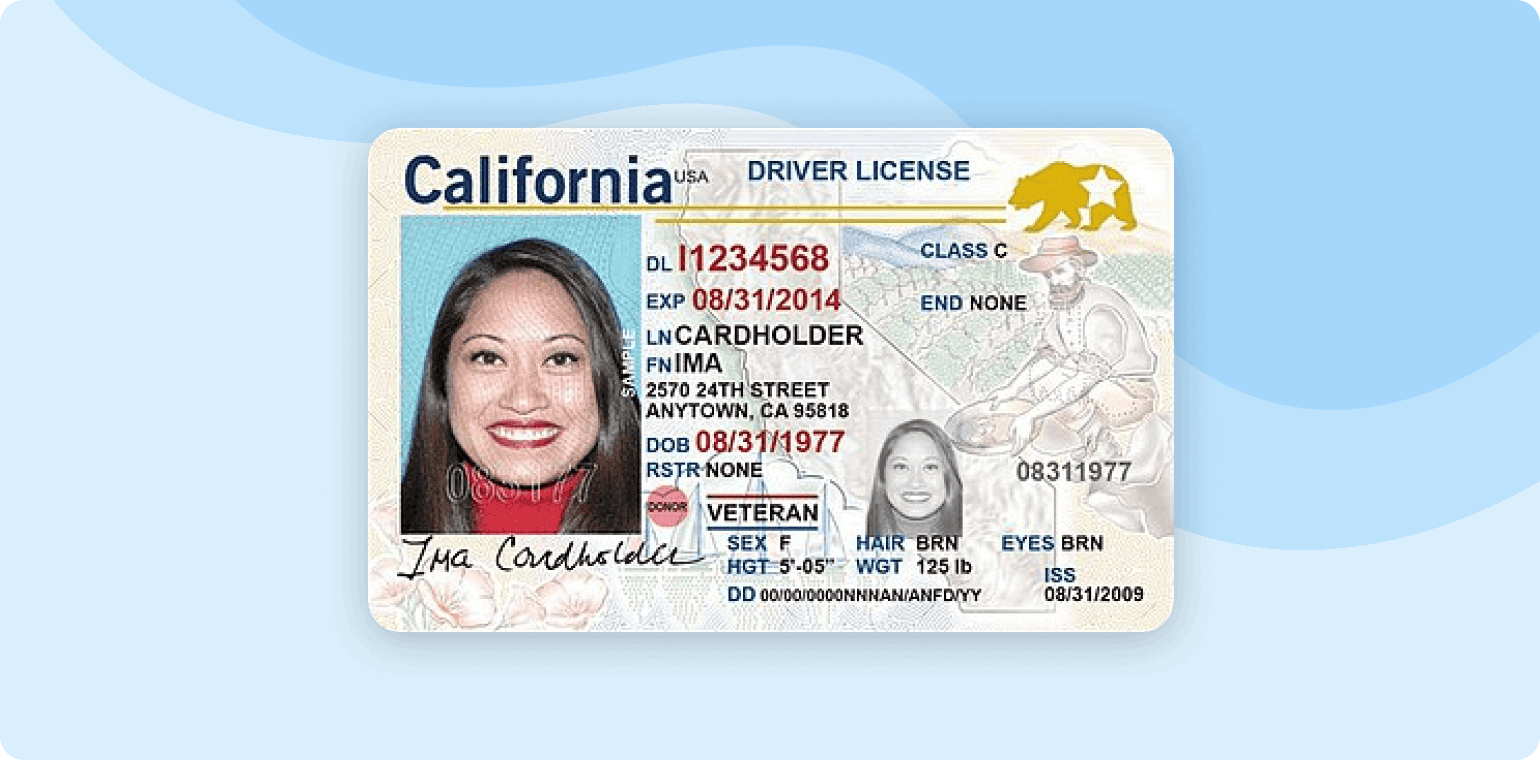
The Class A license in California is more than just a piece of plastic; it’s a foundation for a career that can offer significant professional growth and a deeply independent, rewarding lifestyle.
In conclusion, obtaining a Class A CDL in California is a journey that demands commitment and thorough preparation. From understanding the core requirements and passing rigorous written exams for your CLP, to undergoing essential medical certification, mastering practical driving skills through dedicated training, and acing the final skills test – each step builds towards a comprehensive professional readiness. Beyond the license itself, it opens the door to a diverse range of driving careers, offering competitive compensation, unparalleled independence, and the unique opportunity to experience a “life out of the box” on the open roads of California and beyond. If you’re seeking a career that combines skill, responsibility, and the freedom of movement, pursuing your Class A CDL is an excellent first step.
LifeOutOfTheBox is a participant in the Amazon Services LLC Associates Program, an affiliate advertising program designed to provide a means for sites to earn advertising fees by advertising and linking to Amazon.com. Amazon, the Amazon logo, AmazonSupply, and the AmazonSupply logo are trademarks of Amazon.com, Inc. or its affiliates. As an Amazon Associate we earn affiliate commissions from qualifying purchases.