
The concept of a conservatorship in California is a critical legal mechanism designed to protect individuals who can no longer manage their own affairs due due to advanced age, illness, or disability. While often associated with challenging circumstances, understanding how to establish a conservatorship is essential for families and concerned parties seeking to ensure the safety and well-being of vulnerable loved ones. This legal process, which profoundly impacts an individual’s lifestyle and autonomy, requires careful navigation through the state’s judicial system.
Understanding the Essence of Conservatorship in California Living
A conservatorship is more than just a legal term; it’s a framework that directly influences an individual’s day-to-day existence, financial stability, and personal freedom. It’s a serious step, taken when an individual is deemed unable to make crucial decisions for themselves, thereby necessitating another’s oversight. The impact on one’s lifestyle is profound, as decisions concerning residence, medical care, and financial management are transferred to a court-appointed conservator.
Defining Conservatorship: Protecting Vulnerable Lifestyles
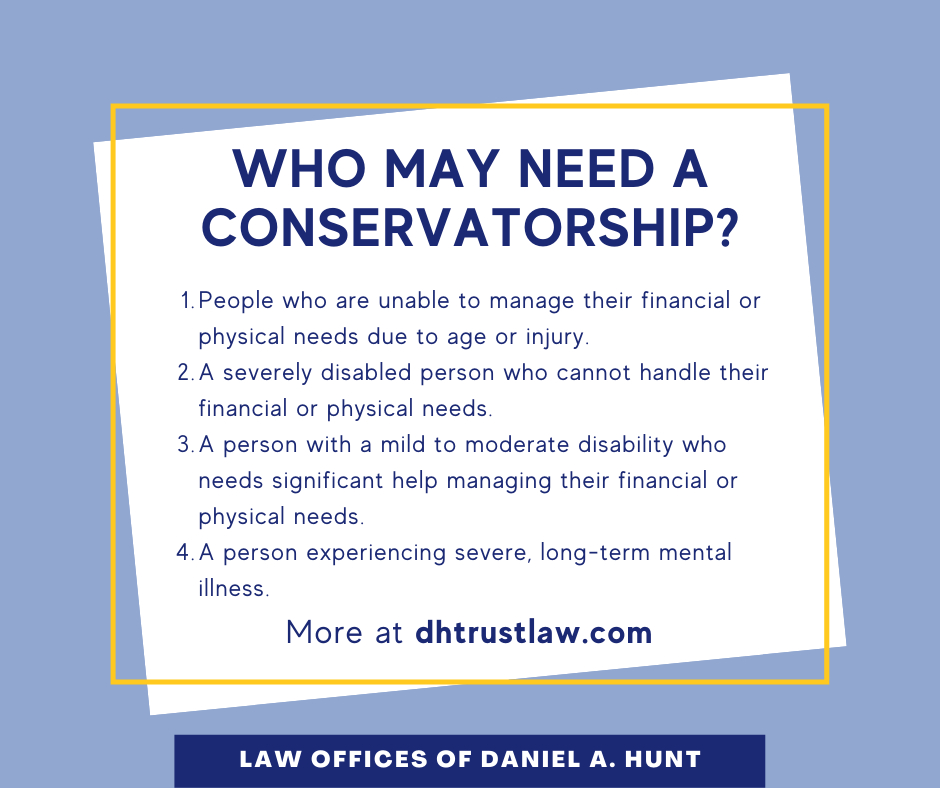
At its core, a conservatorship is a legal proceeding in California Superior Court where a judge appoints a responsible person or organization (the conservator) to care for another adult (the conservatee) who is unable to care for themselves or manage their finances. This inability can stem from various conditions, including severe mental incapacity, debilitating physical illness, or cognitive impairment such as advanced dementia. The primary goal is always to protect the conservatee from harm, neglect, or exploitation, thereby safeguarding their quality of life, assets, and overall lifestyle. The establishment of a conservatorship ensures that vital decisions are made responsibly, from where the individual lives to how their medical needs are met and their financial resources are managed.
Types of Conservatorships and Their Specific Impacts
California law distinguishes between several types of conservatorships, each tailored to different circumstances and having specific implications for the conservatee’s lifestyle:
- General Conservatorship: This is the most common type and applies to adults who are substantially unable to care for themselves or manage their financial resources. It can involve the “conservatorship of the person,” granting authority over personal care, living arrangements, and medical decisions, or the “conservatorship of the estate,” which grants authority over financial matters. Often, both aspects are combined. For an elderly person with dementia, for example, a general conservatorship would cover decisions about their residence, daily activities, healthcare, and management of their retirement funds and property. This extensively redefines their personal lifestyle and financial independence.
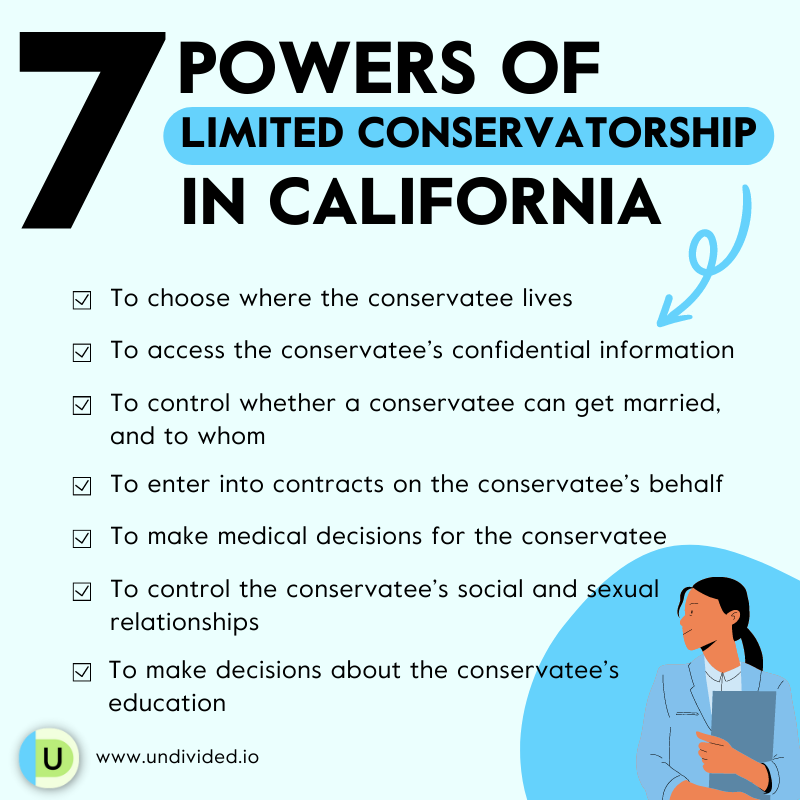
- Limited Conservatorship: Designed specifically for adults with developmental disabilities, a limited conservatorship aims to maximize the conservatee’s independence. Unlike a general conservatorship, it does not remove all of the conservatee’s rights. Instead, the court grants the conservator only those powers necessary for the conservatee’s protection and assistance, allowing the conservatee to retain as much decision-making authority as possible. This approach respects and supports a more independent lifestyle for individuals who may need specific support but are otherwise capable.
- LPS Conservatorship (Lanterman-Petris-Short Act): This specialized conservatorship is for individuals with severe mental health disorders who are gravely disabled and require involuntary mental health treatment or placement. It is typically initiated by a county mental health department and is time-limited, often lasting for one year. An LPS conservatorship profoundly impacts the individual’s freedom and personal lifestyle choices, as it involves significant restrictions on their liberty for the purpose of essential treatment and public safety.
Each type of conservatorship represents a different degree of intervention in an individual’s life, from minimal support to comprehensive management, and is directly aimed at protecting or enhancing their lifestyle within the bounds of their capacity.
Navigating the Initial Steps: When a Lifestyle Needs Guardianship
The decision to pursue a conservatorship is rarely taken lightly, often arising from a realization that a loved one’s current lifestyle is compromised or their well-being is at risk. The initial steps involve a careful assessment of the situation and the formal initiation of legal proceedings.
Identifying the Need and Who Can Petition
The impetus for a conservatorship typically arises when an individual demonstrates a consistent inability to make rational decisions regarding their personal care or finances, leading to significant risks. This could manifest as severe self-neglect, vulnerability to financial exploitation, repeated poor judgments that endanger their health or assets, or an inability to consent to necessary medical treatment. Family members (spouse, adult children, siblings), close friends, or even a professional Public Guardian can petition the court for a conservatorship. The petitioner must clearly articulate the specific reasons why the proposed conservatee is unable to manage their own affairs, highlighting how their current situation detrimentally affects their lifestyle and safety. These justifications are crucial for the court to understand the necessity of intervention and the extent of the proposed conservatorship.
The Petition Process: Documentation and Formalities
Once the need is established, the formal legal journey begins with filing a petition. This involves several critical steps:
- Filing the Petition: The process starts by filing a “Petition for Appointment of Conservator” (typically Form GC-310) with the California Superior Court in the county where the proposed conservatee resides. This document details who the proposed conservator is, why the conservatorship is needed, and whether it’s for the person, the estate, or both.
- Medical Declaration: A crucial piece of evidence is a Declaration of Medical or Accredited Practitioner (Form GC-335) from a physician, psychologist, or other qualified medical professional. This declaration provides the court with a professional assessment of the proposed conservatee’s mental and/or physical capacity, substantiating the claim that they cannot manage their own care or finances.
- Notice Requirements: Strict legal requirements dictate that the proposed conservatee and their close relatives must be formally notified of the petition. This notice ensures that all interested parties have an opportunity to be heard in court. The proposed conservatee must be personally served with the petition and summons, informing them of their rights and the impending court action.
- Temporary Conservatorship (Optional): In urgent situations where immediate intervention is necessary to prevent significant harm to the proposed conservatee or their estate (e.g., imminent eviction, severe financial exploitation), a petitioner can request a temporary conservatorship. This grants limited, short-term authority to the temporary conservator until a permanent conservator can be appointed, providing immediate protection to the individual’s lifestyle and assets.
These initial steps are highly procedural and require meticulous attention to detail. Errors or omissions can delay the process, leaving a vulnerable individual without the necessary protections.
The Court’s Role: Ensuring Just and Necessary Oversight
The judicial phase of obtaining a conservatorship is designed to be thorough and protective, ensuring that such a significant alteration of an individual’s lifestyle and rights is truly warranted and in their best interest. The court acts as a guardian of justice, scrutinizing every aspect of the petition.
Court Investigator and Attorney Appointment
Upon the filing of a petition for conservatorship, the court typically appoints a neutral court investigator. This investigator’s role is pivotal: they meet privately with the proposed conservatee, usually at their residence, to assess their living situation, understand their capacity, and ascertain their wishes regarding the conservatorship. The investigator also interviews family members and care providers to gather a comprehensive picture of the individual’s lifestyle, needs, and the necessity of the conservatorship. Their report to the court provides invaluable, unbiased information that helps the judge make an informed decision.
Furthermore, if the proposed conservatee objects to the conservatorship or if the court determines it to be in their best interest, a court-appointed attorney will represent them. This attorney’s duty is to advocate for the proposed conservatee’s rights and express their preferences, ensuring their voice is heard in the proceedings. This dual system of investigation and legal representation safeguards against unwarranted or overly broad conservatorships, emphasizing the court’s commitment to protecting the individual’s remaining autonomy.
The Hearing: Decisive Moments for Future Lifestyle
The culmination of the conservatorship process is the court hearing. During this formal proceeding, the judge reviews all submitted documents, including the petition, medical declarations, and the court investigator’s report. The petitioner, the proposed conservatee (if able and willing to attend), their respective attorneys, and other interested parties may present testimony and evidence. The judge’s primary task is to determine whether there is clear and convincing evidence that the proposed conservatee is unable to handle their own personal care or financial affairs.
Legal standards for establishing incapacity are stringent. The court must find that the individual is “substantially unable” to manage their own resources or resist fraud or undue influence, or “unable to provide for their personal needs.” If these conditions are met, and the conservatorship is found to be the least restrictive means to protect the individual, the judge will issue an order appointing a conservator. This decision is a momentous one, officially shifting control over significant aspects of the conservatee’s lifestyle and opening a new chapter of care and management.
Appointment and Letters of Conservatorship
Once the judge grants the conservatorship, the appointed conservator must complete certain administrative steps. This usually involves filing a Bond, a form of insurance protecting the conservatee’s estate from mismanagement, unless waived by the court or specified in an estate plan. After the bond is posted (if required) and other formalities are met, the court issues “Letters of Conservatorship.” These official documents serve as the conservator’s legal authority to act on behalf of the conservatee. The letters explicitly define the scope of the conservator’s powers, specifying whether they manage the person, the estate, or both, and any limitations imposed by the court. These letters are crucial for accessing bank accounts, making medical decisions, and arranging living situations, essentially empowering the conservator to manage the conservatee’s new lifestyle under legal oversight.
Life Under Conservatorship: Managing and Protecting a New Reality
The establishment of a conservatorship initiates a long-term commitment. The conservator assumes significant responsibilities that directly shape the conservatee’s daily life, financial security, and overall well-being. This ongoing management is continuously monitored by the court to ensure the conservatee’s best interests are upheld.
Responsibilities of the Conservator: Upholding Well-being and Integrity
The conservator bears a profound fiduciary duty, meaning they must act with the utmost honesty, loyalty, and good faith in the conservatee’s best interest. This involves a comprehensive range of responsibilities that directly impact the conservatee’s lifestyle:
- Personal Care and Well-being: For a conservator of the person, duties include making decisions about medical care, choosing a suitable living environment (such as an assisted living facility or home care), arranging daily activities, and ensuring the conservatee’s physical and emotional needs are met. This means actively managing the conservatee’s daily routine and quality of life.
- Financial Management: A conservator of the estate is responsible for collecting, safeguarding, and managing the conservatee’s assets. This includes paying bills, managing investments, collecting income, and ensuring that funds are used solely for the conservatee’s benefit. Detailed financial records must be maintained, and regular accountings must be filed with the court to demonstrate transparent and responsible stewardship of the conservatee’s financial lifestyle.
- Legal Compliance: Conservators must adhere to all court orders and legal requirements, including filing inventories of assets, accountings, and status reports, typically on an annual basis. Failure to comply can result in removal and potential legal penalties.
These responsibilities are demanding, requiring dedication and attention to detail, all geared towards maintaining or improving the conservatee’s lifestyle within their means and needs.

Balancing Autonomy with Protection: Ethical Considerations
One of the most delicate aspects of a conservatorship is striking a balance between protecting the conservatee and respecting their remaining autonomy and dignity. While a conservatorship is established due to incapacity, individuals often retain some ability to express preferences or make certain decisions. Ethical conservatorship practice involves:
- Promoting Independence: Conservators should strive to foster the conservatee’s independence to the greatest extent possible, encouraging participation in decisions about their daily life where appropriate. This might involve allowing them choices in their clothing, meals, or leisure activities, even if broader decisions like financial management are handled by the conservator.
- Dignity and Respect: Treating the conservatee with dignity and respect is paramount. Their wishes and feelings, even if not legally binding, should be considered when making decisions that impact their personal lifestyle.
- Ongoing Oversight: The court maintains continuous oversight of the conservatorship. Conservatees and other interested parties retain the right to petition the court to terminate the conservatorship if it’s no longer necessary, or to modify its terms if circumstances change. They can also object to the conservator’s actions if they believe the conservator is not acting in the conservatee’s best interests. This judicial review serves as a crucial check and balance, safeguarding the conservatee’s rights and ensuring the conservatorship adapts to their evolving needs.
Establishing a conservatorship in California is a complex yet vital process for protecting vulnerable individuals. It demands careful legal navigation, profound responsibility, and a commitment to upholding the conservatee’s well-being and dignity, ensuring their lifestyle is managed with care and integrity.
LifeOutOfTheBox is a participant in the Amazon Services LLC Associates Program, an affiliate advertising program designed to provide a means for sites to earn advertising fees by advertising and linking to Amazon.com. Amazon, the Amazon logo, AmazonSupply, and the AmazonSupply logo are trademarks of Amazon.com, Inc. or its affiliates. As an Amazon Associate we earn affiliate commissions from qualifying purchases.