
California, a state synonymous with diverse landscapes, vibrant cities, and a lifestyle that blends innovation with natural beauty, attracts millions of residents and visitors annually. From the sun-drenched beaches of San Diego to the majestic redwoods of the north, and the bustling urban centers of Los Angeles and San Francisco, it offers an unparalleled array of experiences. For those considering making California their home, or even long-term visitors looking to understand the nuances of local life, delving into the state’s specific legal frameworks is an essential aspect of responsible living. Among these, the regulations surrounding firearm ownership and the process for obtaining a Concealed Carry Weapon (CCW) permit are particularly distinctive and often misunderstood.
While your journey through California might typically focus on discovering hidden gems, exploring world-class attractions, or finding the perfect accommodation for your next adventure, understanding the state’s approach to firearms is a crucial piece of the lifestyle puzzle, especially for those who prioritize personal safety and wish to exercise their Second Amendment rights responsibly within this unique jurisdiction. Unlike many other states, California’s gun laws are among the strictest in the United States. This article aims to demystify the process of obtaining a CCW permit in California, guiding you through the requirements, application steps, and the critical legal shifts that have reshaped this landscape. Whether you’re a long-time resident, considering a move, or simply seeking comprehensive knowledge about California’s specific regulations, this guide offers an in-depth look at what it takes to lawfully carry a concealed firearm in the Golden State.
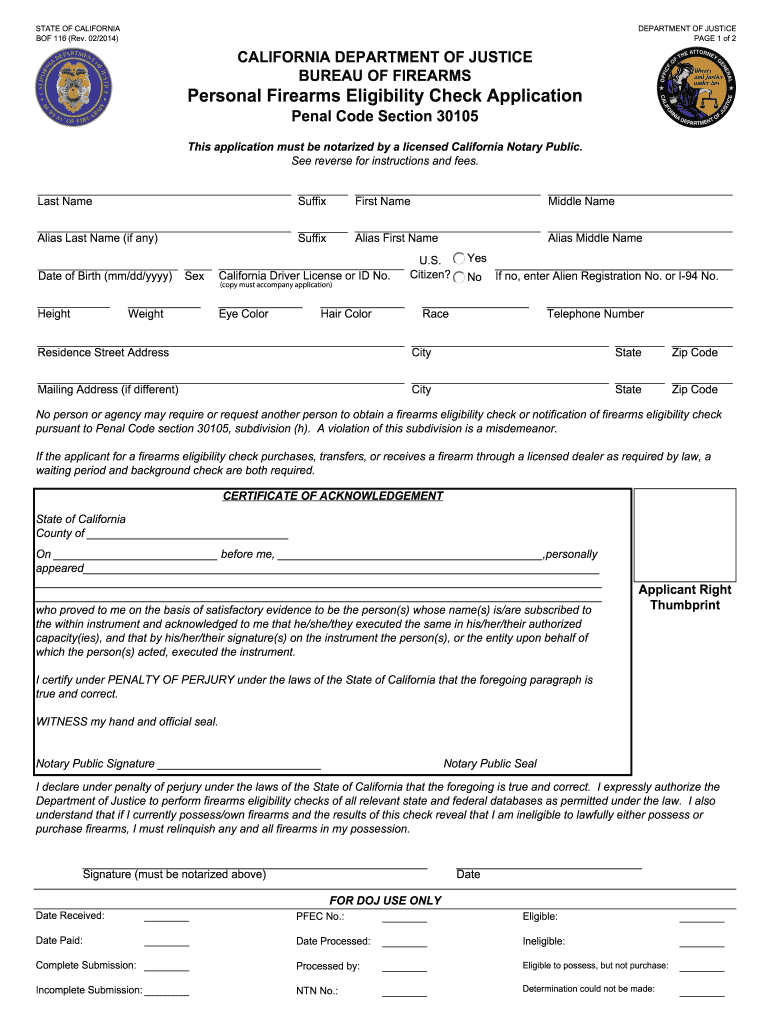
Navigating California’s Firearm Landscape: An Overview
California’s approach to firearms is deeply rooted in a philosophy that prioritizes public safety through stringent regulation. For individuals interested in obtaining a CCW permit, understanding this foundational context is paramount. It’s not merely about filling out forms; it’s about aligning with a system designed to ensure that those who carry firearms do so responsibly, competently, and only after thorough vetting.
Understanding California’s Approach to Firearms
Historically, California has operated under a “may-issue” framework for CCW permits. This meant that local law enforcement agencies – typically the county Sheriff’s Office or, in some cases, the chief of police for an incorporated city – had significant discretion in deciding whether to issue a permit, even if an applicant met all statutory requirements. This discretionary power often led to varying standards across different counties, creating a patchwork of access where obtaining a permit might be relatively easier in rural areas compared to densely populated urban centers like Los Angeles or San Francisco. The primary hurdle under this “may-issue” system was the “good cause” requirement, which demanded applicants demonstrate a specific, compelling reason beyond general self-defense for needing to carry a concealed weapon. This “good cause” was frequently interpreted very narrowly by issuing agencies, making permits notoriously difficult to acquire for the average citizen.
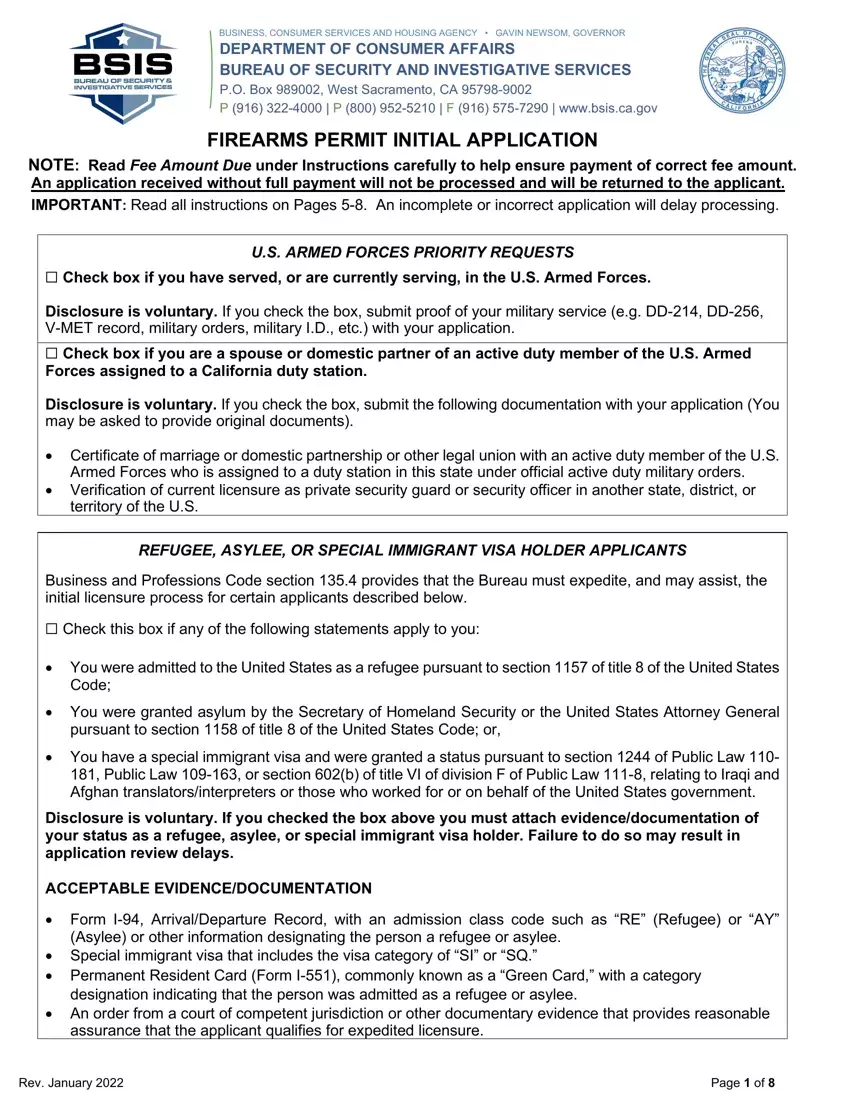
May-Issue vs. Shall-Issue: The Post-Bruen Era
The landscape of CCW permitting in California underwent a monumental shift with the United States Supreme Court’s landmark decision in New York State Rifle & Pistol Association v. Bruen in June 2022. This ruling fundamentally altered how states can regulate concealed carry. The Supreme Court struck down New York’s “proper cause” requirement, which was highly similar to California’s “good cause” mandate, declaring that requiring an applicant to demonstrate a special need for self-defense outside the home violated the Second Amendment’s protection of the right to keep and bear arms for self-defense.
In the wake of Bruen, California and other “may-issue” states have had to adapt their CCW laws. While the state still maintains extensive regulations, the Bruen decision effectively moved California closer to a “shall-issue” standard, at least regarding the “good cause” component. This means that while local agencies can still evaluate applicants based on “good moral character” and require comprehensive training, they can no longer deny a permit solely because an individual cannot demonstrate a heightened, specific threat. The general desire for self-defense is now generally accepted as sufficient “good cause.” This has opened the door for many more California residents to apply for and receive CCW permits, though the process remains rigorous. This shift reflects a broader national dialogue about the Second Amendment and its application, influencing not just gun ownership, but also aspects of personal security and lifestyle choices for many Americans.
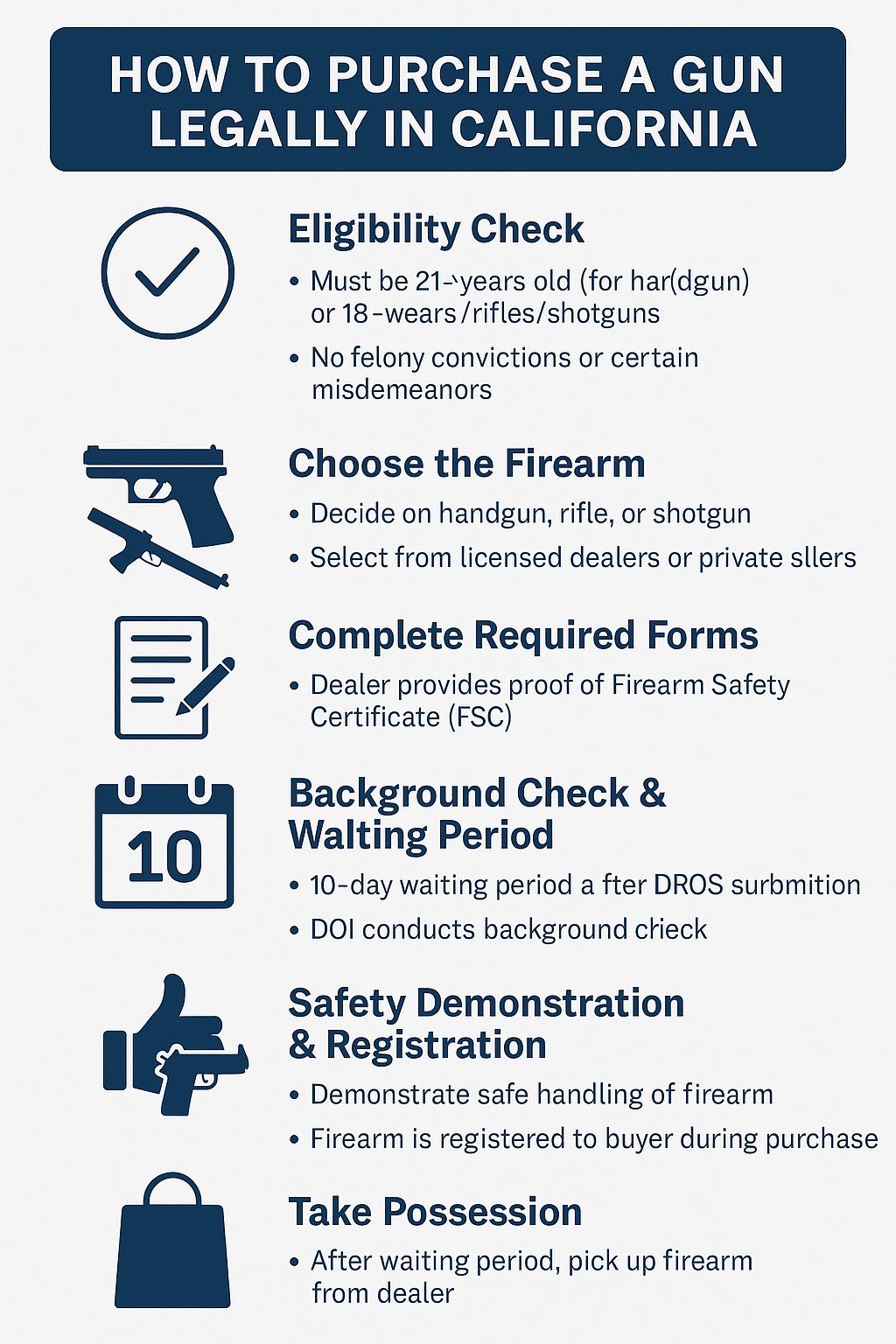
Eligibility and Core Requirements for a California CCW
Applying for a CCW permit in California is a multi-faceted process, demanding meticulous attention to detail and a clear understanding of the stringent criteria set forth by state law. These requirements are designed to ensure that only responsible, law-abiding individuals who pose no undue risk to public safety are granted the privilege of carrying a concealed firearm.
The Pillars of Qualification
Meeting the baseline qualifications is the first and most critical step. These are not merely suggestions but statutory mandates that must be unequivocally met.
-
Age and Residency: Establishing Your Connection to California
To be eligible, an applicant must be at least 21 years of age. This fundamental requirement ensures a level of adult maturity in handling the responsibilities associated with carrying a firearm. Crucially, applicants must also be residents of the county in which they are applying. This residency requirement is strictly enforced, meaning if you reside in Orange County, you must apply through the Orange County Sheriff’s Office, not a neighboring county’s. This connection to the local jurisdiction is vital for the issuing agency to conduct thorough background checks and ensure accountability. For those traveling frequently within California or considering various accommodation options, establishing clear residency is key. -
“Good Moral Character”: What It Entails
This is perhaps the most subjective, yet intensely scrutinized, requirement. While no longer tied to the “good cause” for carrying, “good moral character” is still a core component of eligibility. It essentially means that the applicant must not have a history that suggests they are unfit or dangerous to carry a firearm. This includes, but is not limited to, a clean criminal record, absence of violent tendencies, lack of substance abuse issues, and a general history of law-abiding behavior. The issuing agency will conduct an exhaustive background check, including reviewing past interactions with law enforcement, civil disputes, and any other information that might bear on the applicant’s character. Any false statements on the application can, and will, be grounds for immediate denial and potential legal repercussions. This scrutiny reflects California’s cautious approach to firearm licensure, ensuring that permits are not issued lightly. -
“Good Cause” – A Historical Look and Its Current Interpretation
As previously discussed, the “good cause” requirement was historically the biggest hurdle in California, demanding a specific, documented threat or unique professional need. Post-Bruen, this interpretation has shifted dramatically. Now, a general statement of desiring a firearm for self-defense is generally considered sufficient. Applicants typically no longer need to provide evidence of specific threats or detailed narratives of why they are uniquely in danger. This aligns with the constitutional right to self-defense recognized by the United States Supreme Court. While the door is wider, applicants should still articulate their reason clearly and genuinely within their application, acknowledging the serious nature of carrying a concealed weapon for personal protection. -
Required Training: Mastering Safety and Law
California mandates comprehensive firearm training for all CCW applicants. This is not a cursory course but a rigorous program designed to instill proficiency, safety, and a deep understanding of relevant laws. The training typically involves both classroom instruction and live-fire qualification. The classroom portion covers topics such as firearm safety rules, storage, legal aspects of self-defense, proper use of force, and California’s specific laws regarding where firearms can and cannot be carried. The live-fire portion requires applicants to demonstrate competency in handling, loading, and accurately firing their chosen carry weapon. The exact duration and content of the training can vary by county, but it generally ranges from 8 to 16 hours for initial permits, with shorter refresher courses required for renewals. This emphasis on training reflects California’s commitment to ensuring that CCW holders are not just legally authorized, but also highly competent and responsible in their use of firearms. -
Absence of Disqualifying Factors
A critical aspect of eligibility is the absence of any disqualifying factors. These are specific conditions that, by law, prevent an individual from owning or possessing a firearm, let alone carrying one. Common disqualifiers include:- Felony convictions.
- Convictions for certain misdemeanor crimes (e.g., domestic violence, assault).
- Active restraining orders.
- Certain mental health adjudications or commitments.
- A history of drug or alcohol abuse.
- Being a prohibited person under federal law (e.g., illegal alien, dishonorable discharge from the military).
The issuing agency will conduct extensive background checks through state and federal databases to verify that no such disqualifying factors exist. Applicants must be completely transparent about their history, as any attempt to conceal information will result in denial and potential legal penalties.
The Application Journey: Step-by-Step Through the Bureaucracy
Once you’ve confirmed your eligibility, the next phase involves navigating the detailed application process. This journey requires patience, precision, and diligent follow-through, often taking several months to complete. Each step is designed to thoroughly vet the applicant, aligning with California’s strict regulatory framework.
Initiating Your Application
The process begins with contacting your local issuing authority.
-
Local Law Enforcement: Sheriff’s Office or Police Department
Your first point of contact will be the Sheriff’s Office of the county in which you reside or, if you live within an incorporated city, potentially your local Police Department. Most counties centralize CCW applications through the Sheriff’s Office, even for city residents. It’s crucial to visit the specific agency’s website for the most current information, as procedures can vary slightly from one county to another (e.g., Los Angeles County Sheriff’s Department vs. Sacramento County Sheriff’s Office). Many agencies now utilize online application portals, streamlining the initial submission. -
Gathering Documentation: The Paperwork Trail
The application itself is comprehensive. Expect to provide a wealth of personal information, including:- Proof of residency (utility bills, driver’s license).
- Proof of age.
- Detailed personal history, including employment, addresses for the past several years, and references.
- Information about the specific firearm(s) you intend to carry (make, model, serial number).
- A written statement of “good cause” for carrying, which, post-Bruen, can be a simple affirmation of self-defense.
Accuracy and completeness are paramount; errors or omissions can lead to delays or denial.
-
The Interview Process: Your Narrative and Background Check
After submitting your initial application, you will typically be scheduled for an in-person interview. This is a critical stage where the issuing agency will delve deeper into your background, verify information provided in your application, and assess your “good moral character.” Interviewers may ask about your reasons for wanting a CCW, your understanding of firearm laws, and your personal history. This interview is not just a formality; it’s an opportunity for the agency to gain a holistic understanding of the applicant beyond mere paperwork. Following the interview, an exhaustive background investigation will commence, which often includes contacting references, reviewing public records, and checking state and federal databases. This check will look for any criminal history, civil judgments, domestic disputes, or other issues that might indicate an applicant is not suitable to carry a firearm. -
Fingerprinting and Live Scan: Federal and State Scrutiny
As part of the background check, applicants are required to undergo electronic fingerprinting, commonly known as a Live Scan. These fingerprints are submitted to the California Department of Justice (Department of Justice) and the Federal Bureau of Investigation (Federal Bureau of Investigation) for a comprehensive criminal history check. This step is mandated by both state and federal law (such as the Brady Act) and plays a crucial role in preventing prohibited individuals from obtaining firearms. The Live Scan process helps cross-reference the applicant against the National Instant Criminal Background Check System (National Instant Criminal Background Check System) and other relevant databases. -
Training Completion: Proof of Proficiency
As detailed earlier, completing the state-mandated firearm training course is a non-negotiable step. For initial permits, this typically involves 8-16 hours of instruction covering legal aspects, safety, and live-fire qualification. It is often recommended to complete this training only after your application has progressed past the initial interview and background check stages, as the permit process can be lengthy, and the training certificate usually has an expiration date. Your issuing agency will provide a list of approved instructors and require proof of completion before issuing the permit. -
Fees: Understanding the Financial Commitment
Obtaining a CCW permit involves various fees. These typically include:- Application processing fees (non-refundable).
- Live Scan fingerprinting fees (state and FBI background check fees).
- Firearm training course fees (these vary widely depending on the instructor).
- Permit issuance fees.
The total cost can range from several hundred to over a thousand dollars, depending on the county and the chosen training provider. It’s important to budget for these expenses as part of the overall application process.
Beyond the Permit: Maintaining Your CCW and Understanding Limitations
Receiving your California CCW permit is not the end of the journey; it’s the beginning of a commitment to responsible firearm ownership and strict adherence to the law. Permit holders have ongoing responsibilities and must be acutely aware of the limitations placed on where and how they can carry.
Renewal Process: Keeping Your Permit Current
California CCW permits are typically valid for two years, though some agencies may issue them for up to five years, especially for certain employment-related permits. Before your permit expires, you must undergo a renewal process, which is similar to the initial application but often less intensive. This typically includes:
- A renewal application form.
- Updated background checks.
- A shorter, state-mandated refresher training course (usually 4-8 hours), including live-fire qualification.
- Renewal fees.
It is crucial to initiate the renewal process well in advance of your permit’s expiration date, as delays can lead to a lapse in your ability to lawfully carry. Staying informed about your local agency’s specific renewal timeline and requirements is essential for uninterrupted carry privileges.
Where You Can and Cannot Carry: Understanding California’s Sensitive Places
Possessing a CCW permit in California does not grant you the right to carry a firearm everywhere. California law, particularly Penal Code sections, designates numerous “sensitive places” where carrying a firearm, even with a permit, is strictly prohibited. These locations are generally areas where large groups of people gather, where vulnerable populations are present, or where the presence of firearms could heighten risks. Examples include:
- Schools and universities (enforced by the Gun-Free School Zones Act and state laws).
- Courthouses and government buildings.
- Airports (especially sterile areas).
- Polling places.
- Public transit facilities.
- Establishments primarily serving alcohol (bars).
- Federal buildings and property.
- Designated sensitive areas such as parks, playgrounds, zoos, museums, and places of worship, following recent legislative updates.
It is the permit holder’s responsibility to know and strictly abide by these restrictions. Carrying a firearm in a prohibited location, even inadvertently, can result in severe legal penalties, including felony charges and revocation of your CCW permit. For those exploring California’s landmarks and attractions, or staying in various hotels and accommodations, constant awareness of these sensitive zones is critical. Many establishments may also post their own “no firearms” signs, which, while not always carrying the weight of law for CCW holders, are generally respected as property owner rights.
Traveling with Firearms in California
It is important to differentiate between obtaining a CCW permit (which allows for concealed carry on your person) and the general rules for traveling with firearms in California. Even if you do not have a CCW permit, or if you are visiting from another state, you can transport firearms within California, but under very specific conditions:
- Unloaded and Locked: Handguns must be unloaded and stored in a locked container, separate from ammunition, and not readily accessible from the passenger compartment. For long guns (rifles, shotguns), they must also be unloaded, but do not necessarily need to be in a locked container, though it is highly recommended for safety and to avoid any misinterpretation by law enforcement.
- Open Carry: Open carry of unloaded firearms is generally prohibited in most incorporated areas of California, and open carry of loaded firearms is prohibited statewide.
- Magazine Capacity: California has restrictions on high-capacity magazines (generally those holding more than 10 rounds), which can be a point of confusion for out-of-state visitors.
Understanding these transportation laws is crucial for anyone bringing firearms into or moving them within California, whether they hold a CCW permit or not.
In conclusion, acquiring a gun permit in California, specifically a CCW permit, is a challenging but increasingly accessible endeavor in the post-Bruen era. It demands diligence, adherence to strict legal requirements, and a commitment to ongoing responsibility. For those who choose to integrate lawful firearm ownership into their California lifestyle, navigating this complex legal framework is a necessary part of ensuring safety, compliance, and peace of mind. As the state continues to evolve its gun laws, staying informed and proactive remains the key to exercising your rights responsibly within this dynamic and beautiful region.
LifeOutOfTheBox is a participant in the Amazon Services LLC Associates Program, an affiliate advertising program designed to provide a means for sites to earn advertising fees by advertising and linking to Amazon.com. Amazon, the Amazon logo, AmazonSupply, and the AmazonSupply logo are trademarks of Amazon.com, Inc. or its affiliates. As an Amazon Associate we earn affiliate commissions from qualifying purchases.