
Navigating the landscape of travel with a disability can present unique challenges, and for many, securing accessible parking is a fundamental aspect of a smooth and enjoyable journey. In Texas, obtaining a handicap parking permit, often referred to as a disabled parking placard or plate, is a streamlined process designed to enhance mobility and independence for eligible residents and visitors alike. This guide delves into the intricacies of acquiring these essential permits, ensuring that your adventures across the Lone Star State are as accessible as they are memorable. Whether you are a permanent resident planning your next local excursion or a traveler preparing to explore the vibrant cities and scenic landscapes of Texas, understanding the requirements and procedures is key.

Understanding Texas Disabled Parking Permits
In Texas, disabled parking permits fall into two primary categories: temporary placards and permanent placards, along with corresponding disabled license plates. The purpose of these permits is to grant individuals with qualifying disabilities the right to park in designated accessible parking spaces. These spaces are strategically located to provide the shortest possible distance to building entrances, reducing the physical exertion required to access various venues. The benefits extend beyond mere convenience; they are crucial for individuals whose mobility impairments necessitate closer proximity to amenities, thereby enabling greater participation in public life and recreational activities.
Types of Permits Available
The Texas Department of Motor Vehicles (DMV) oversees the issuance of disabled parking permits. The permits are designed to accommodate a range of needs:
- Temporary Placards: These are issued for a maximum of six months and are intended for individuals with temporary disabilities, such as those recovering from surgery or experiencing a short-term mobility impairment.
- Permanent Placards: For individuals with long-term or permanent disabilities, permanent placards are available. These do not have an expiration date, though the underlying medical condition must be re-certified periodically by a physician.
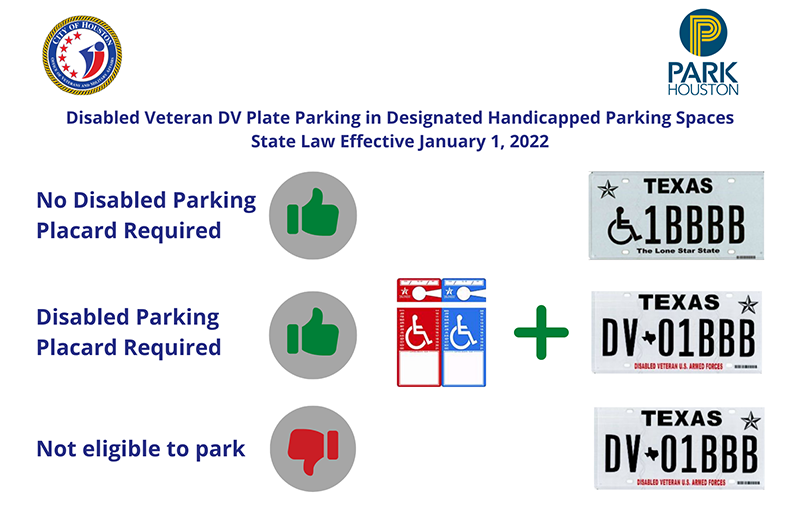
- Disabled License Plates: These are permanently affixed to a vehicle and serve the same purpose as a placard, eliminating the need to move a placard between vehicles. They are issued for vehicles owned by individuals with permanent disabilities.
- Special (Organizational) Plates: These are available for organizations that transport individuals with disabilities.
Each type of permit is distinguished by its color and designation, ensuring clear identification by parking enforcement officials. The intention is to ensure that these valuable parking spots are utilized by those who genuinely require them, thereby maintaining the integrity of the accessible parking system.
Eligibility Criteria
Eligibility for a disabled parking permit in Texas is based on specific medical criteria, focusing on the individual’s ability to walk a certain distance or their need for assistive devices. The primary conditions that qualify an individual include, but are not limited to:
- A physician’s certification that the applicant cannot walk 200 feet without stopping to rest.
- A physician’s certification that the applicant suffers from a lung disease or pulmonary condition that, as diagnosed by a physician, would impair the applicant’s ability to walk 200 feet without stopping to rest.
- A physician’s certification that the applicant suffers from a disabling khánđơ-vascular ailment or an organic brain disorder, as diagnosed by a physician, which limits the applicant’s mobility.
- A physician’s certification that the applicant is severely limited in their ability to walk due to an arthritic, neurological, or orthopedic condition.
- The applicant is blind in both eyes or has uncorrectable vision of 20/200 or less in the better eye.
- The applicant uses a wheelchair or other assistive device for mobility.
It is essential to note that conditions such as temporary illness, general frailty, or reliance on a cane for balance, unless they significantly impair walking distance as described above, may not qualify. The certification process relies on a medical professional’s expert opinion regarding the applicant’s functional limitations.
The Application Process in Texas
Securing a disabled parking permit in Texas involves a clear, step-by-step process managed by the state’s tax assessor-collector offices, which act as local DMV service centers. This process ensures that all applicants meet the state’s requirements before a permit is issued. Diligence in completing the necessary forms and obtaining the required medical certification is paramount to a successful application.
Step 1: Obtain the Application Form
The first step is to acquire the official application form. This form is available online from the Texas Department of Motor Vehicles (DMV) website or can be obtained in person from any county tax assessor-collector’s office. The form, known as the “Application for Disabled Parking Placard/License Plate” (Form VTR-214), is comprehensive and requires detailed information from both the applicant and their healthcare provider.
Step 2: Medical Certification
This is a critical component of the application. A licensed physician, a podiatrist, or an advanced practice registered nurse (APRN) must complete the medical certification section of the application form. This section requires the healthcare provider to attest to the applicant’s specific medical condition and its impact on their mobility, confirming that they meet one or more of the eligibility criteria. The healthcare provider must sign and date this section. It is important to schedule an appointment with your healthcare provider well in advance to discuss your mobility limitations and obtain this certification.
Step 3: Complete Your Personal Information
The applicant must meticulously fill out the personal information section of the application. This includes providing your full legal name, date of birth, driver’s license or ID card number, address, and contact information. If applying for disabled license plates, you will also need to provide vehicle information, including the Vehicle Identification Number (VIN). Accuracy and completeness are vital to avoid delays.
Step 4: Submit the Application
Once the application form is fully completed and the medical certification is signed by your healthcare provider, you must submit it to your local county tax assessor-collector’s office. You can typically do this in person, by mail, or in some cases, online through specific county portals if offered. There is no application fee for disabled parking placards, but there may be a fee for disabled license plates, depending on the type of plate and your vehicle registration status. It is advisable to check with your local tax assessor-collector’s office for their specific submission procedures and any associated fees.
Step 5: Receive Your Permit
Upon successful submission and verification of your application, your disabled parking permit will be issued. Temporary placards are usually issued on the spot or mailed within a few business days. Permanent placards and disabled license plates may take a bit longer to be processed and mailed to your address. It is essential to display your placard correctly when parked in a designated accessible space. The placard must be hung from the rearview mirror when the vehicle is parked and removed when the vehicle is in motion.
Utilizing Your Disabled Parking Permit Effectively
Once you have successfully obtained your disabled parking permit, understanding how and where to use it is crucial for a seamless travel experience. These permits are not exclusive to Texas residents; they are recognized across the United States, as well as internationally, under various reciprocal agreements. This means that your Texas disabled parking placard will be valid when you travel to other states or even other countries.
Parking Privileges
Your disabled parking permit grants you the privilege to park in any designated accessible parking space. These spaces are clearly marked with the International Symbol of Access (ISA), often depicted as a stylized wheelchair. They are typically located closest to building entrances, on level surfaces, and have adequate access aisles for wheelchair users. In addition to reserved accessible parking, permit holders may also benefit from reduced parking fees or extended parking time limits in some municipalities, though these benefits can vary significantly by city and state. It is always a good practice to familiarize yourself with local parking regulations.
Legal Responsibilities and Enforcement
It is imperative to use your disabled parking permit responsibly and ethically. Misuse of a disabled parking permit is a serious offense and can result in significant fines and penalties. Only the permit holder or a person transporting the permit holder may use the placard. Never allow a friend or family member who does not have a disability or is not accompanying you to use your placard. Law enforcement and parking authorities are vigilant in enforcing these regulations to ensure that designated parking spaces remain available for those who truly need them.
Renewing Your Permit
While permanent placards do not expire, the medical certification may need to be renewed periodically. The Texas DMV requires medical re-certification every two years for permanent placards to ensure continued eligibility. You will receive a renewal notice from the DMV when your medical certification is due. It is your responsibility to have your healthcare provider complete the updated medical certification section and return it to your local tax assessor-collector’s office. Failure to do so may result in the revocation of your permit. Temporary placards have a defined expiration date and must be reapplied for if the need for accessible parking continues beyond that period.
Planning Accessible Travel in Texas
With your disabled parking permit in hand, the vast opportunities for exploration in Texas open up. From the bustling urban centers of Dallas and Houston to the historic charm of San Antonio and the natural beauty of the Texas Hill Country, accessibility is increasingly a priority for many destinations. Proactive planning can significantly enhance your travel experience.
Researching Accessible Attractions and Accommodations
Before embarking on your journey, take the time to research the accessibility of your chosen destinations. Many major tourist attractions, museums, and entertainment venues in Texas are committed to providing accessible facilities. Websites for attractions like the Alamo in San Antonio, the Perot Museum of Nature and Science in Dallas, or the Space Center Houston often provide detailed information about their accessibility features, including wheelchair ramps, elevators, accessible restrooms, and designated parking.
When booking accommodations, look for hotels, resorts, or vacation rentals that offer accessible rooms. Major hotel chains such as Marriott, Hilton, and Hyatt have specific room types designed for guests with disabilities. It is always recommended to call the hotel directly to confirm the specific accessibility features of the room and to ensure it meets your individual needs. Websites like AccessibleGO or WheelchairTravel.org can also be valuable resources for finding accessible lodging and activities.
Transportation Options
While your disabled parking permit allows you to use accessible parking spaces, you may also need to consider accessible transportation options for getting around. Many cities in Texas offer specialized paratransit services for individuals with disabilities. Ride-sharing services like Uber and Lyft often have accessible vehicle options available. When planning your travel, research the public transportation systems in your destination city, as many have made significant strides in providing accessible buses and trains. For longer distances, consider train travel, which often offers greater accessibility than air travel, or explore accessible car rental options.
By taking these steps to understand and utilize your disabled parking permit effectively, and by engaging in thorough pre-travel planning, your experiences in Texas can be enriched, allowing you to fully enjoy the diverse attractions and experiences the state has to offer. The goal is to remove barriers and empower individuals with disabilities to travel with confidence and ease.
LifeOutOfTheBox is a participant in the Amazon Services LLC Associates Program, an affiliate advertising program designed to provide a means for sites to earn advertising fees by advertising and linking to Amazon.com. Amazon, the Amazon logo, AmazonSupply, and the AmazonSupply logo are trademarks of Amazon.com, Inc. or its affiliates. As an Amazon Associate we earn affiliate commissions from qualifying purchases.