
Navigating the legal landscape of recording conversations can be a complex undertaking, especially when you’re traveling or considering business operations in a new jurisdiction. For those planning a trip to the Lone Star State or engaging in activities that might involve verbal exchanges, understanding the nuances of Texas‘s recording laws is paramount. This article delves into the specifics of conversation recording legality in Texas, focusing on aspects relevant to travelers, local culture enthusiasts, and those seeking to understand potential legal pitfalls during their stay.
Understanding “One-Party Consent” vs. “Two-Party Consent”
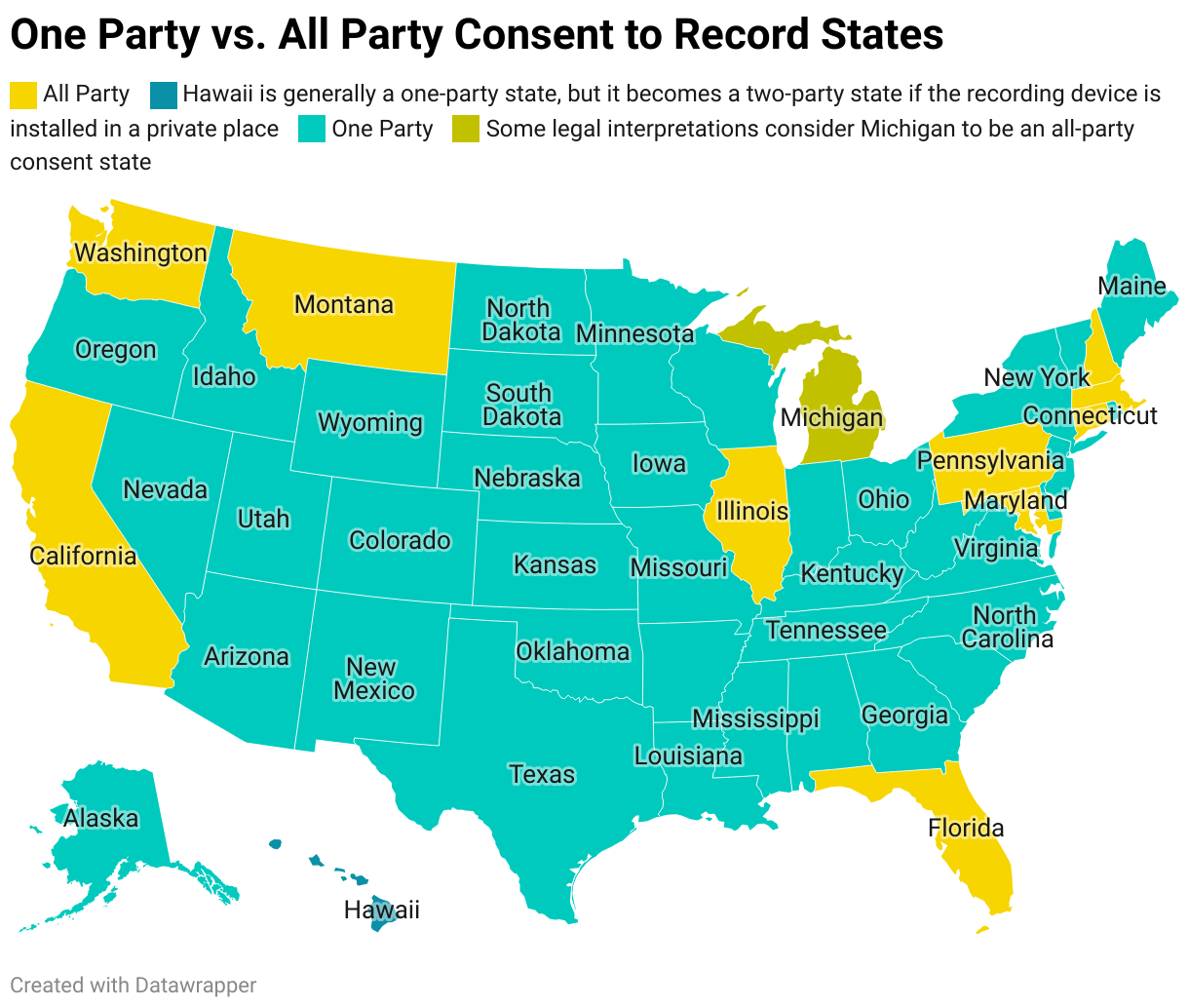
The legality of recording conversations hinges on a fundamental distinction in state laws: “one-party consent” versus “two-party consent” (also known as “all-party consent”). This distinction dictates who needs to be aware of and agree to the recording.
One-Party Consent States
In a one-party consent state, only one party to the conversation needs to consent to the recording. This means that if you are a participant in the conversation, you can legally record it without informing the other participants, provided you are present during the recording. Texas operates under this framework. This principle is enshrined in Texas Penal Code §16.02, which outlines the unlawful interception, use, or disclosure of wire, oral, or electronic communications. The statute generally permits recording if the person doing the recording is a party to the communication or has obtained the consent of at least one party to the communication.
Two-Party Consent States
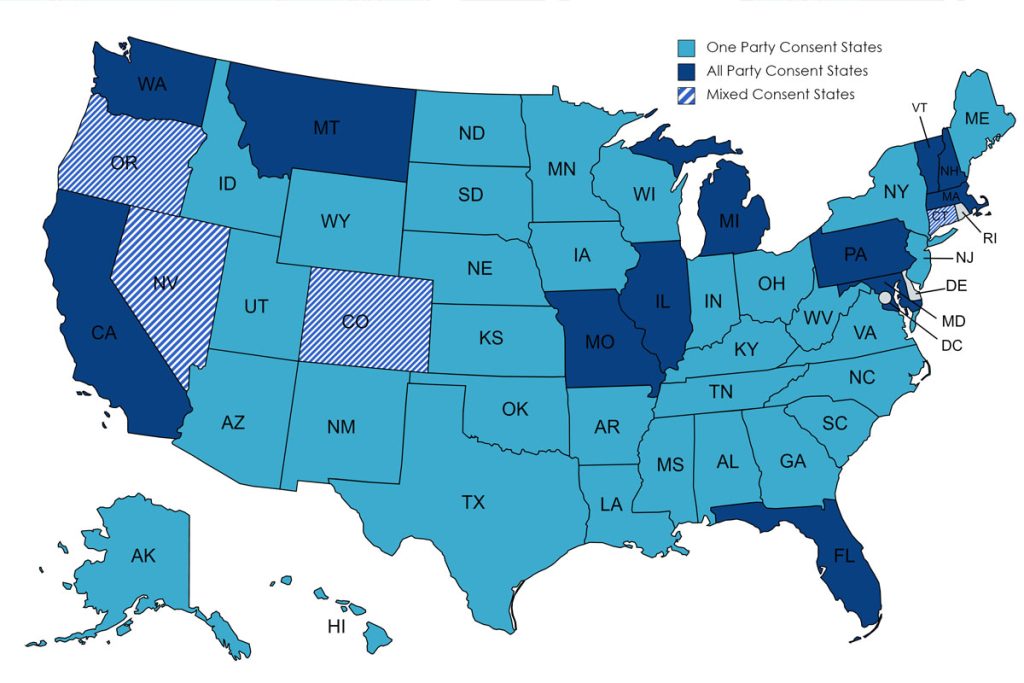
Conversely, two-party consent states require that all parties to a conversation must consent to the recording. If you are in a state with two-party consent laws, even if you are a participant, you must inform all other participants that the conversation is being recorded and obtain their explicit agreement. Failure to do so can result in severe legal penalties, including criminal charges and civil lawsuits. It is crucial for travelers to be aware of the laws in their destination state. For instance, if you are traveling from a two-party consent state into Texas, you must adhere to Texas‘s one-party consent law.
Recording Conversations in Texas: Key Considerations for Visitors
As a visitor to Texas, you may find yourself in various situations where recording conversations might be tempting or even necessary. This could range from capturing the vibrant storytelling at a local rodeo to documenting a business meeting in Dallas or obtaining a clearer understanding of directions at a historical site in San Antonio. Understanding the one-party consent rule in Texas provides significant latitude, but it’s not a free pass for indiscriminate recording.
Business and Professional Interactions
When attending conferences, trade shows, or meetings in cities like Houston or Austin, you might consider recording to ensure accuracy of details or to share key information with colleagues who couldn’t attend. Under Texas law, if you are a participant in the discussion, you can legally record it. However, ethical considerations and professional courtesy often dictate informing other participants anyway. While not legally mandated for all parties, transparency can foster better relationships and avoid potential misunderstandings, especially in a professional environment. Some businesses may also have their own internal policies regarding recording, which you should be mindful of.
Tourism and Cultural Experiences
Exploring the rich tapestry of Texas culture, from the music scene in Austin to the culinary delights of San Antonio, often involves interactions with locals. If you’re interviewing a musician, a chef, or a guide about local history or traditions, and you are part of the conversation, you are generally permitted to record it in Texas. This can be invaluable for travel blogs, personal journals, or simply for recalling fascinating details. Always be respectful of the person you are recording. While legality is one aspect, ensuring comfort and consent, even if not legally required, is good practice and maintains the integrity of the experience.
Personal and Everyday Interactions
Even in casual settings, such as discussing plans at a resort in the Texas Hill Country or asking for recommendations at a local eatery, the one-party consent rule applies. If you are involved in the conversation, you can record it. However, privacy concerns are always a consideration. Recording individuals without their knowledge, even if legally permissible, can be perceived as intrusive and may damage relationships or reputations.
Exceptions and Nuances in Texas Recording Laws
While Texas follows a one-party consent rule, there are specific situations and limitations that are crucial to understand to avoid inadvertently breaking the law or facing civil liabilities.
Criminal Intent and Illegality

The primary purpose of Texas‘s recording laws is to protect privacy and prevent illegal surveillance. Recording a conversation with the intent to commit a crime, such as extortion, fraud, or to harass someone, is illegal, regardless of consent. Therefore, the motivation behind the recording is a critical factor. If your recording is for legitimate purposes such as documentation, memory recall, or personal record-keeping, and you are a participant, you are generally in the clear.
Recording in Public vs. Private Spaces
The one-party consent rule in Texas primarily applies to “oral communications,” which typically refers to conversations where there is a reasonable expectation of privacy. This generally means conversations in private residences, offices, or other enclosed spaces where individuals expect their discussions to be confidential.
However, the legality of recording conversations in public spaces can be more nuanced. While you can generally record conversations in public places like parks, streets, or public events where there is no reasonable expectation of privacy, intentionally or strategically recording private conversations that happen to occur in a public setting might still be problematic. The key remains the expectation of privacy.
For instance, recording a public address or a speech at an event is typically permissible. However, if you are in a public park and a group of people are having a private conversation nearby, and you focus your recording on their private discussion, this could potentially cross a legal boundary depending on the specific circumstances and the perceived expectation of privacy.
Interception of Communications
Texas law specifically targets the “interception” of communications. This usually implies the use of electronic devices to capture a conversation that you are not a direct participant in, or that is being transmitted electronically. The one-party consent rule is generally understood to apply when you are physically present and a participant in the conversation you are recording. Using sophisticated eavesdropping equipment to capture conversations you are not part of, even if you are in the same building, would likely fall outside the scope of the one-party consent exception.
Best Practices for Recording Conversations in Texas
Even though Texas law is relatively permissive regarding recording conversations, adopting best practices can help you avoid legal trouble and maintain ethical conduct, particularly when traveling.
Transparency and Courtesy
The most straightforward way to ensure you are acting ethically and legally is to be transparent. Informing all parties that you are recording the conversation, even if not legally required in Texas, is a sign of respect. Phrases like, “I’d like to record this conversation for my notes, is that okay?” can preempt any issues. This approach is particularly recommended when interacting with individuals in their professional capacity or when documenting cultural experiences, such as at the Alamo Mission or during a tour of a vineyard in the Texas Hill Country.
Know Your Purpose
Be clear about why you are recording. Is it for personal memory, professional documentation, or to share information? If your purpose is legitimate and not intended to harm or exploit others, you are on solid legal ground in Texas. Avoid recording with malicious intent or for purposes that could be construed as illegal or unethical.
Documenting Interactions with Businesses or Officials
If you are engaging in business dealings, seeking customer service, or interacting with public officials in Texas, and you anticipate potential disputes or need to verify agreements, recording can be a valuable tool. However, consider the potential impact on the interaction. While legally permitted, it might create a more formal or guarded atmosphere. Some institutions or businesses might have policies against recording, which, while potentially not legally binding on you if you are a participant, could still lead to friction. It’s always wise to check if there are any posted policies or ask for permission.
Respecting Privacy Expectations
Even in a one-party consent state, the concept of privacy is still respected. Avoid recording conversations where individuals clearly have a high expectation of privacy, such as within their own homes or in private medical settings, unless you have explicit consent from all parties. While Texas law might allow it if you are a participant, respecting these boundaries demonstrates a higher level of consideration.
Seeking Legal Counsel When in Doubt
The legal landscape can be complex, and specific situations may present unique challenges. If you are involved in a sensitive negotiation, a significant business transaction, or any situation where the recording of conversations carries substantial legal weight, it is always advisable to consult with a legal professional experienced in Texas law. They can provide tailored advice based on the specifics of your circumstances, ensuring you remain compliant with all relevant statutes and regulations. This is particularly important for businesses planning to operate or expand within the state, or for individuals involved in high-stakes personal matters.
LifeOutOfTheBox is a participant in the Amazon Services LLC Associates Program, an affiliate advertising program designed to provide a means for sites to earn advertising fees by advertising and linking to Amazon.com. Amazon, the Amazon logo, AmazonSupply, and the AmazonSupply logo are trademarks of Amazon.com, Inc. or its affiliates. As an Amazon Associate we earn affiliate commissions from qualifying purchases.