
The Luxor Las Vegas, with its distinctive pyramid shape and sphinx, stands as a prominent landmark on the Las Vegas Strip. Its ownership history, while seemingly straightforward, reflects the dynamic nature of the Las Vegas casino and hospitality industry, a landscape shaped by major corporations and strategic acquisitions. Understanding who owns the Luxor provides insight into the broader economic forces at play in this global entertainment capital.
The Corporate Landscape of Las Vegas Casinos
The ownership of major Las Vegas resorts is rarely a simple matter of individual proprietorship. Instead, these sprawling complexes are typically owned and operated by large, publicly traded corporations that manage portfolios of properties across various cities and states. These companies specialize in the entertainment and gaming industries, leveraging economies of scale and extensive resources to maintain and develop their assets.
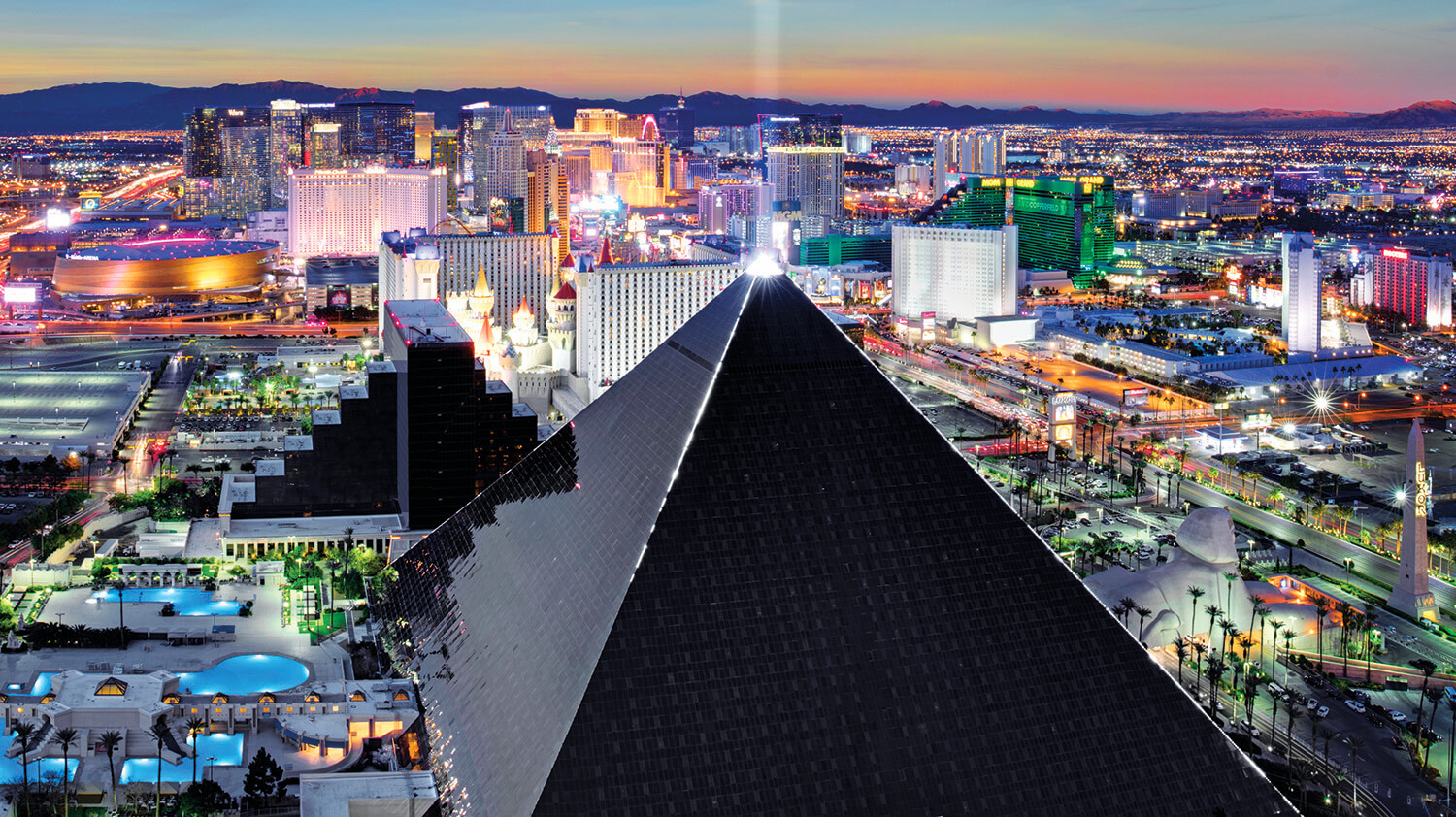
The landscape has evolved significantly over the decades, with mergers, acquisitions, and divestitures being commonplace. This consolidation has led to a few dominant players controlling a substantial portion of the Las Vegas Strip. For a property like the Luxor, its ownership is intrinsically linked to the strategic decisions and financial health of its parent company.
Tracing the Lineage of Ownership
The Luxor opened its doors in 1993, a project spearheaded by Circus Circus Enterprises. At that time, the company was known for its theme-park-like resorts, and the Luxor was designed to be an immersive, Egyptian-themed experience, complete with a replica Great Sphinx of Giza outside its entrance.
In 2005, Circus Circus Enterprises underwent a significant transformation. It was acquired by MGM MIRAGE, a company that would later become MGM Resorts International. This acquisition brought the Luxor under the umbrella of one of the largest hospitality and entertainment companies in the world.
The renaming of MGM MIRAGE to MGM Resorts International in 2010 solidified the corporate identity that now presides over the Luxor. Therefore, for all intents and purposes, MGM Resorts International is the current owner and operator of the Luxor Las Vegas.
MGM Resorts International: The Current Proprietor
MGM Resorts International is a Fortune 500 company headquartered in Las Vegas, Nevada. Its portfolio is vast, encompassing a wide array of iconic resorts and casinos, primarily located on the Las Vegas Strip. The company’s operations extend beyond Nevada, with properties in other key markets such as Mississippi, Michigan, and Maryland, as well as international ventures.
The acquisition of the Luxor by MGM Resorts International meant it was integrated into a larger network of gaming and hospitality assets. This integration typically involves shared management structures, marketing efforts, and loyalty programs, such as MGM Rewards. Being part of such a large entity provides the Luxor with significant financial backing for renovations, upgrades, and strategic planning, while also subjecting it to the corporate objectives and market strategies of MGM Resorts International.
The Impact of Corporate Ownership on the Luxor
Corporate ownership has several implications for a property like the Luxor. On one hand, it ensures continuous investment and access to vast resources, which are crucial for maintaining competitiveness in the demanding Las Vegas market. This often translates into regular renovations, updated amenities, and the implementation of new technologies and entertainment offerings. For instance, MGM Resorts International has invested in refreshing several of its properties, including aspects of the Luxor, to keep them appealing to a diverse range of travelers.
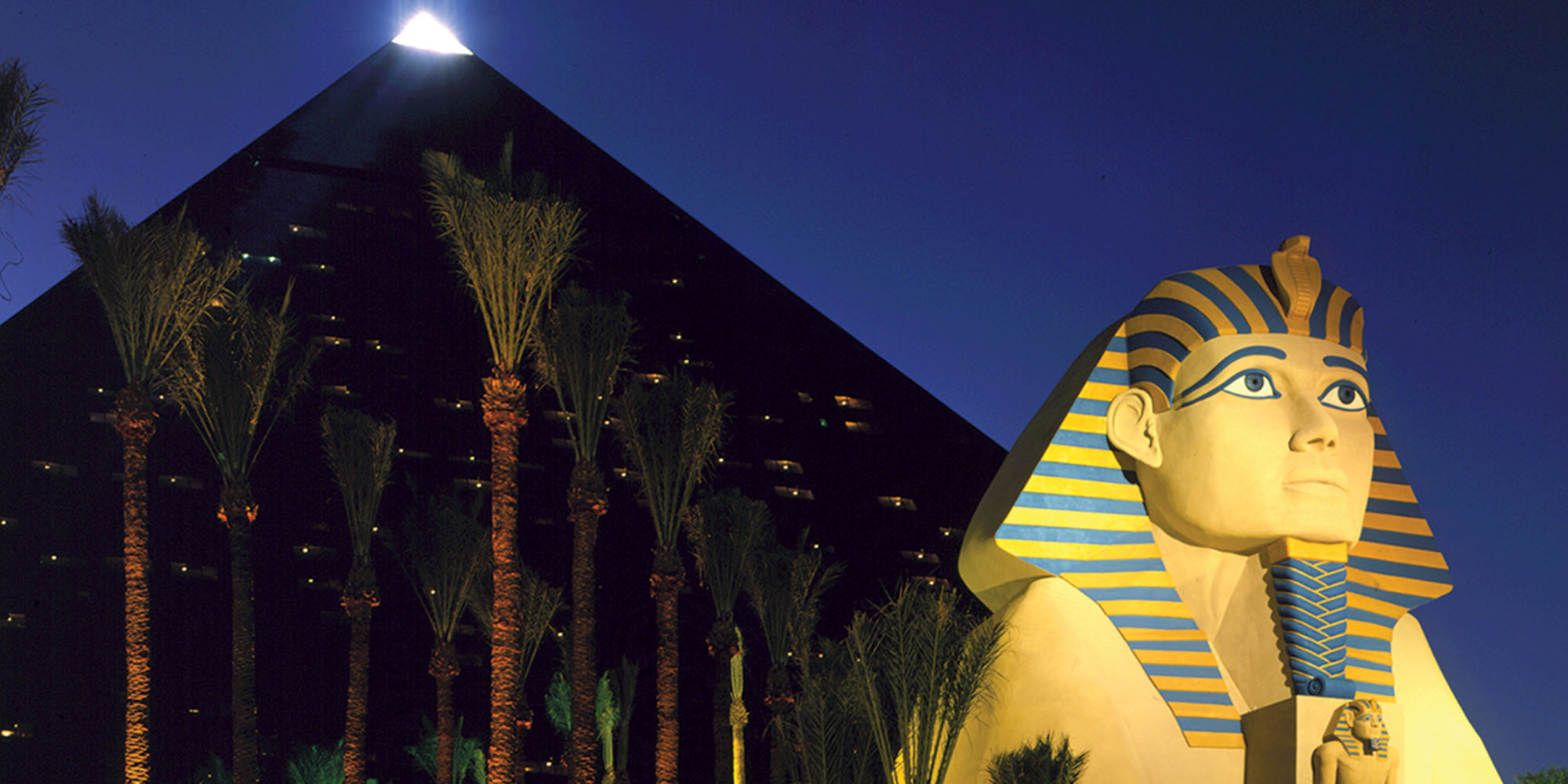
On the other hand, corporate ownership can sometimes lead to a more standardized approach to guest experiences across different properties within the same portfolio. While this ensures a baseline level of quality, it can also dilute some of the unique character that older, independently owned establishments might retain. The Luxor, with its iconic pyramid design, still possesses a strong individual identity, but its operational strategies, pricing, and marketing are undoubtedly influenced by the overarching policies of MGM Resorts International.
Furthermore, the financial performance of the Luxor is evaluated as part of the larger MGM Resorts International conglomerate. Decisions regarding capital expenditure, expansion, or even potential divestiture are made with the overall profitability and strategic goals of the parent company in mind.
Strategic Mergers and Acquisitions in the Las Vegas Market
The ownership of the Luxor is a product of the ongoing consolidation within the Las Vegas gaming and hospitality sector. The industry has witnessed several transformative mergers and acquisitions over the past few decades, reshaping the competitive landscape and the ownership structure of many prominent resorts.
One of the most significant recent developments was the acquisition of The Cosmopolitan of Las Vegas by MGM Resorts International in 2022. While this did not directly involve the Luxor, it underscores the aggressive growth strategies employed by major players in the market. These strategic moves are often driven by the desire to expand market share, diversify offerings, and achieve greater operational efficiencies.
The Role of REITs and Blackstone
It is also important to note that the ownership structures in Las Vegas can sometimes involve complex arrangements, including the involvement of Real Estate Investment Trusts (REITs). While MGM Resorts International currently owns and operates the Luxor, past transactions in the industry have seen properties being sold to REITs, with the gaming company then leasing back the operations. For example, Blackstone Real Estate acquired The Cosmopolitan from The Blackstone Group for $1.73 billion in 2021, with MGM Resorts International subsequently acquiring the operations from MGM Growth Properties (a REIT spun off by MGM Resorts).
These financial maneuvers, while not always directly impacting the day-to-day guest experience at a property like the Luxor, are critical to the financial health and strategic positioning of the owning corporations. They highlight the intricate interplay between real estate ownership, operational management, and the broader financial markets that undergird the Las Vegas entertainment empire. For the consumer, the most tangible aspect of ownership is the quality of service, the array of amenities, and the overall experience provided by the resort, which are all ultimately influenced by the decisions of the parent company, MGM Resorts International.
The Luxor Today: An MGM Resorts Property
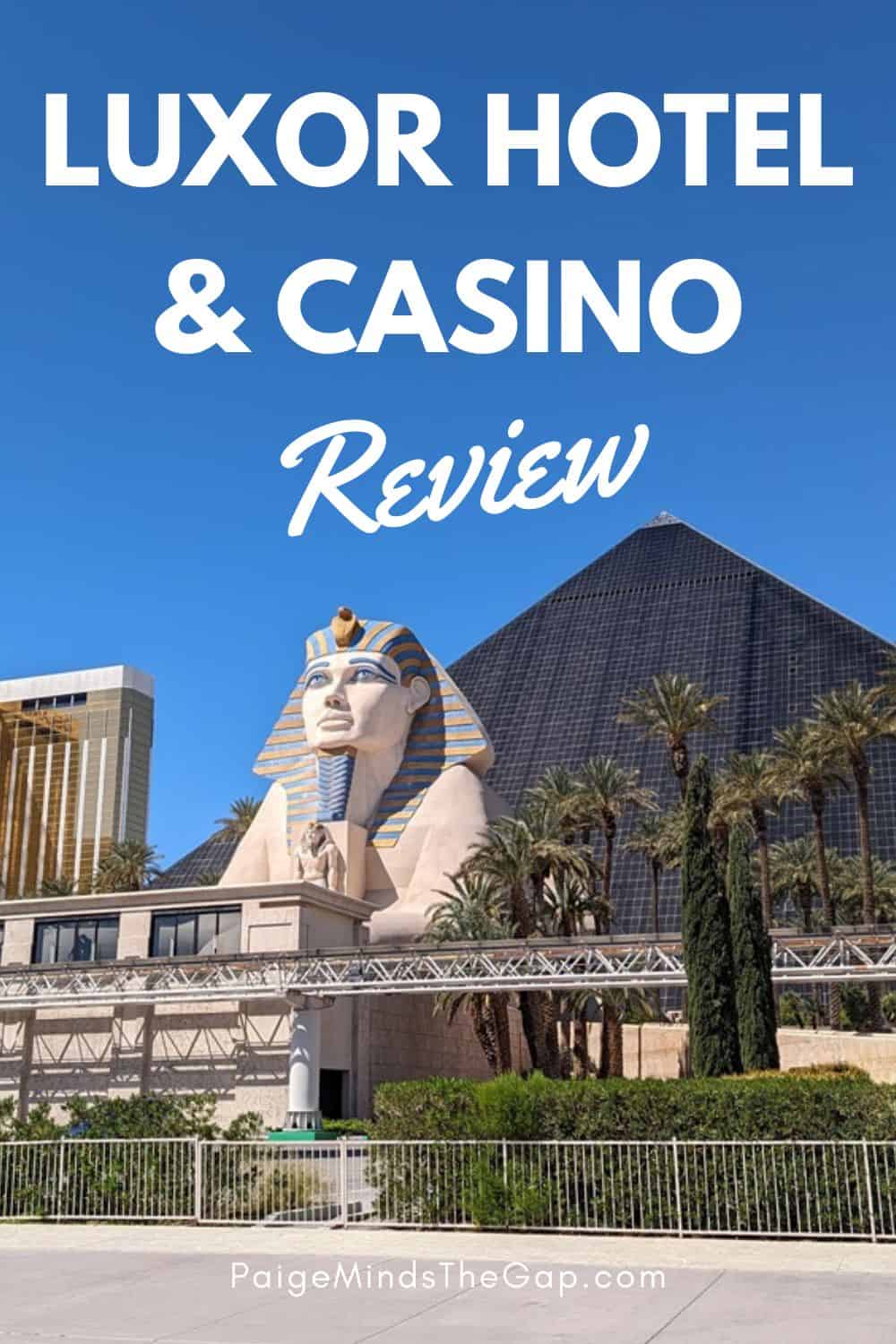
In the present day, the Luxor operates as one of the many integrated resorts under the MGM Resorts International banner. Its distinctive architecture continues to make it a recognizable feature of the Las Vegas skyline, and it remains a popular choice for travelers seeking an affordable and themed lodging experience.
The hotel boasts a significant number of rooms and suites, catering to a wide demographic, from budget-conscious travelers to those looking for themed accommodations. Its amenities include a casino, multiple dining options, entertainment venues, and a spa. The iconic “Naked Man” statues, inspired by ancient Egyptian art, are a signature element that contributes to its unique ambiance.
The ongoing management and strategic direction of the Luxor are determined by MGM Resorts International. As a member of the MGM Rewards program, guests can earn points and enjoy benefits across a multitude of MGM properties, further integrating the Luxor into the broader loyalty ecosystem of its owner.
Future Prospects and Market Positioning
The future of the Luxor, like all properties within the MGM Resorts International portfolio, will be shaped by the company’s ongoing strategies for growth, modernization, and market adaptation. While the Luxor may not always be at the forefront of luxury offerings compared to some of its sister properties like the Bellagio or Aria, it plays a crucial role in attracting a broad spectrum of visitors to Las Vegas and contributing to the overall economic vitality of the Strip.
Its unique Egyptian theme, while perhaps a relic of a bygone era of themed mega-resorts, still offers a distinct appeal. The ongoing challenge for MGM Resorts International will be to balance the preservation of the Luxor’s characteristic charm with the need to update and enhance its offerings to remain competitive in an ever-evolving tourism market. The ownership by a major corporation like MGM Resorts International ensures that the Luxor will continue to be a part of the Las Vegas experience for the foreseeable future, its destiny intertwined with the strategic vision of its powerful parent company.
LifeOutOfTheBox is a participant in the Amazon Services LLC Associates Program, an affiliate advertising program designed to provide a means for sites to earn advertising fees by advertising and linking to Amazon.com. Amazon, the Amazon logo, AmazonSupply, and the AmazonSupply logo are trademarks of Amazon.com, Inc. or its affiliates. As an Amazon Associate we earn affiliate commissions from qualifying purchases.