
California, a state renowned for its diverse landscapes, from the towering Sequoia National Park to the rugged coastlines and vast deserts, offers an unparalleled outdoor experience for hunters. Acquiring a hunting license is the gateway to exploring these natural wonders and participating in the state’s rich hunting heritage. This guide meticulously details the steps involved in obtaining your California hunting license, ensuring a smooth and compliant process for both new and returning sportsmen.
Understanding California’s Hunting License Requirements
Before embarking on the application process, it’s crucial to understand the fundamental requirements set forth by the California Department of Fish and Wildlife (CDFW). These regulations are designed to promote responsible wildlife management and ensure the sustainability of game populations.
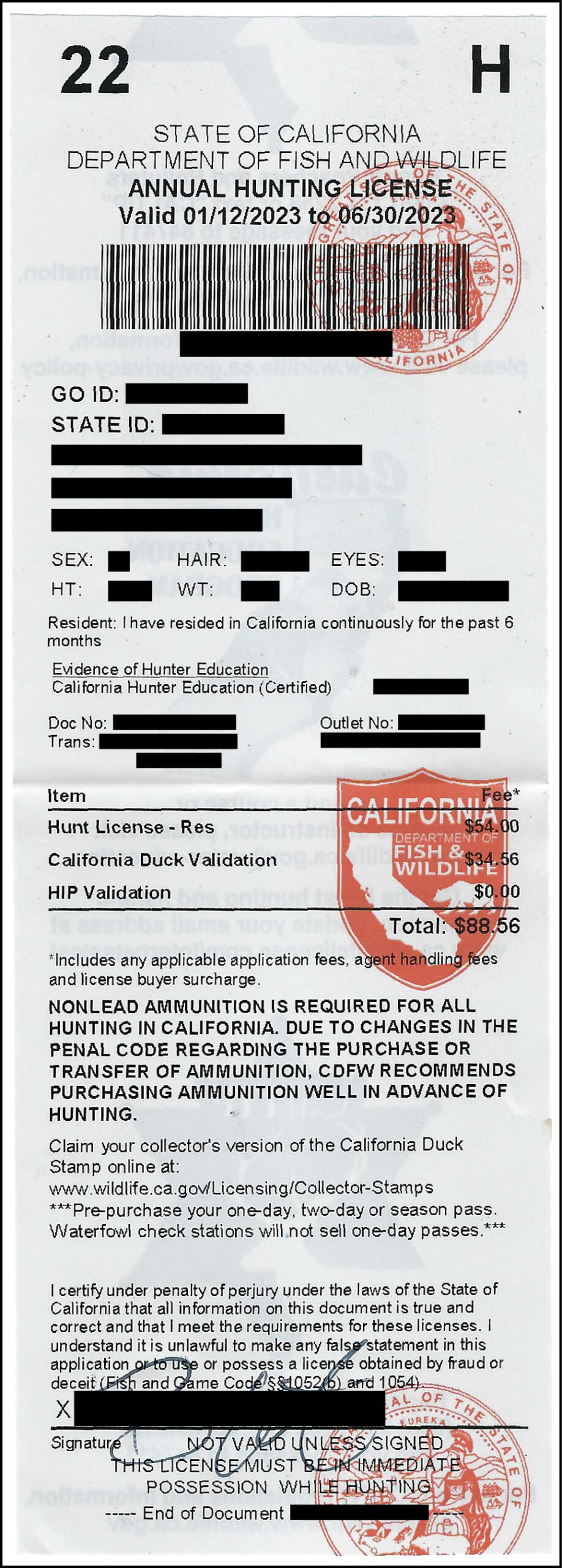
Age and Residency
- Age Minimums: In California, individuals must be at least 12 years old to hunt. However, specific regulations apply to younger hunters. Those under 16 years of age are considered junior hunters and may be subject to different license types and supervision requirements.
- Residency: California offers resident and non-resident hunting licenses. To qualify for a resident license, you must have lived in California for at least six months immediately preceding the date of application. Proof of residency, such as a valid California driver’s license or state identification card, is typically required. Non-residents will need to follow a separate application process and will generally face higher license fees.
Hunter Education
A cornerstone of responsible hunting practices is comprehensive hunter education. California mandates that all hunters, regardless of age, must complete a certified hunter education course before they can be issued a hunting license.
- Course Content: These courses cover a wide array of essential topics, including firearm safety, hunting ethics, wildlife identification, conservation principles, survival skills, and relevant laws and regulations. The goal is to equip hunters with the knowledge and skills necessary to be safe, ethical, and effective.
- Completion Certification: Upon successful completion of the course, you will receive a certificate. This certificate is a prerequisite for purchasing your first hunting license in California. You will need to present this certification when applying for your license.
- Online and In-Person Options: The CDFW offers various ways to complete the hunter education requirement. Many counties provide in-person courses conducted by certified volunteer instructors. Alternatively, accredited online courses are available, offering flexibility for those with busy schedules. It is vital to ensure that any online course you choose is officially recognized by the CDFW.
Types of Hunting Licenses
California offers a variety of licenses tailored to different hunting needs and durations. Understanding these options will help you select the most appropriate one for your planned activities.
- Annual Licenses: These licenses are valid for a full year, typically from July 1st to June 30th, and are the most common choice for regular hunters. They allow access to a broad range of hunting opportunities throughout the season.
- Junior Licenses: Specifically designed for hunters under the age of 16, these licenses offer reduced fees and may have specific endorsements or regulations associated with them.
- Apprentice Licenses: For individuals who have not yet completed hunter education, an apprentice license can be obtained. This license allows the holder to hunt under the direct supervision of a licensed adult hunter (21 years or older) who has completed hunter education. The apprentice license is typically valid for one year, during which time the apprentice must complete the full hunter education course.
- Lifetime Licenses: While a significant upfront investment, lifetime licenses offer a convenient and cost-effective option for dedicated hunters who plan to pursue their passion in California for many years to come.
The Application Process: Step-by-Step
Obtaining your California hunting license involves several distinct steps, from gathering necessary documentation to submitting your application and fees.
Step 1: Complete Your Hunter Education
As previously mentioned, this is the foundational step. Enroll in and successfully complete a certified hunter education course. Keep your certificate of completion in a safe place, as you will need it. If you have previously completed a hunter education course in another state that is recognized by the National Rifle Association (NRA) or is equivalent to California’s requirements, it may be accepted. You can contact the CDFW directly to confirm the equivalency of out-of-state certifications.
Step 2: Gather Required Information and Documentation
Before you begin the application, ensure you have the following information readily available:
- Personal Identification: A valid government-issued ID, such as a driver’s license or passport, is usually required.
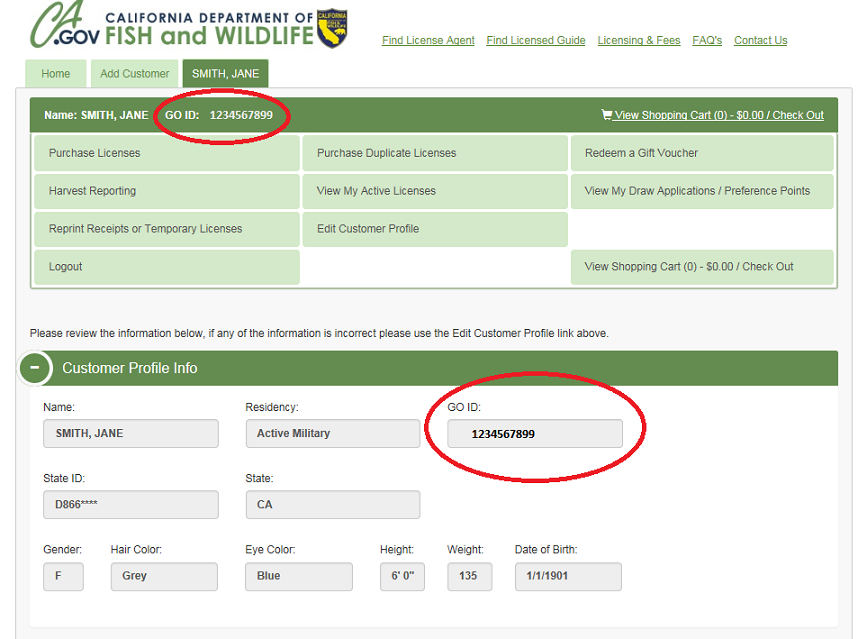
- Proof of Residency (if applying for a resident license): This could be your California driver’s license number or state ID number.
- Hunter Education Certificate Number: You will need to provide the number or a copy of your completion certificate.
- Previous Hunting License Information (if applicable): If you have held a hunting license in California or another state previously, having that information can streamline the process.
Step 3: Choose Your Application Method
The CDFW provides several convenient methods for purchasing hunting licenses:
- Online Purchase: The most straightforward and fastest method is through the CDFW’s official website. The online portal allows you to create an account, enter your details, upload necessary documentation (if required), and pay for your license securely. This method is available 24/7, offering maximum convenience.
- In-Person at CDFW License Sales Offices: If you prefer a face-to-face interaction or need assistance, you can visit one of the CDFW’s regional license sales offices located throughout the state. It’s advisable to check the operating hours and locations of these offices beforehand.
- Authorized License Dealers: Many sporting goods stores, bait and tackle shops, and outdoor retailers across California are authorized to sell hunting licenses. These dealers often provide a convenient local option for purchasing your license. A list of authorized dealers can be found on the CDFW website.
Step 4: Complete the Application and Pay Fees
Whether applying online, in person, or through a dealer, you will need to fill out the appropriate application form. Ensure all information provided is accurate and complete.
- License Fees: The cost of a hunting license varies depending on whether you are a resident or non-resident, and the type of license you are purchasing (e.g., annual, junior, apprentice). Special permits and endorsements for specific game animals or hunting methods will incur additional fees. You can find the most up-to-date fee schedule on the CDFW website.
- Payment: Payment can typically be made via credit card, debit card, or money order, depending on the purchase method. Cash may be accepted at physical locations.
Step 5: Receive Your License
Once your application is processed and payment is confirmed, you will receive your hunting license.
- Online Purchases: If purchased online, you can usually print a temporary license immediately, which is valid for immediate use. Your permanent license will typically be mailed to you within a few weeks.
- In-Person/Dealer Purchases: Licenses are often issued on the spot when purchased in person at a CDFW office or through an authorized dealer.
Beyond the Basic License: Special Permits and Stamps
In addition to the general hunting license, certain types of hunting or hunting specific game animals require additional permits, stamps, or tags. These are crucial for legal hunting and are part of the state’s wildlife management strategy.
Depredation Permits
These permits are issued to landowners to legally take certain animals that are causing significant damage to their property or agricultural interests. The process involves demonstrating to the CDFW that a depredation issue exists.
Big Game Permits and Tags
For hunting larger game animals like deer, bear, wild pig, and turkey, you will need specific tags in addition to your base hunting license.
- Deer Tags: California utilizes a draw system for many deer tags, particularly for premium hunting areas. Hunters must apply for these tags during a specific application period, and if successful, they will be awarded a tag for a particular zone and season. Archery, muzzleloader, and general rifle seasons often have different tag allocations.
- Bear Tags: Hunting black bears in California requires a bear tag. There are specific regulations regarding the take of bears, including reporting requirements after a successful hunt.
- Wild Pig Tags: Wild pigs are abundant in many parts of the state and can be hunted with the appropriate tag.
- Turkey Tags: Spring and fall turkey seasons offer opportunities for hunters to pursue these game birds, requiring a valid turkey tag.
Waterfowl Stamps
If you plan to hunt migratory waterfowl, such as ducks and geese, you will need to purchase a Federal Migratory Bird Hunting and Conservation Stamp (often referred to as a “duck stamp”) in addition to your California hunting license. A California state waterfowl conservation stamp is also required for waterfowl hunting in the state.
Upland Game Bird Stamp
For hunting upland game birds like quail, pheasant, and grouse, an upland game bird stamp is necessary.
Essential Resources and Regulations
Navigating the world of hunting in California requires staying informed about the latest regulations and utilizing available resources.
The California Department of Fish and Wildlife (CDFW) Website
The official CDFW website is your primary source for all information pertaining to hunting. It provides:
- Official Regulations: Detailed hunting regulations, including season dates, bag limits, and legal hunting methods for all game species.
- License and Permit Information: Up-to-date details on license types, fees, application deadlines for draws, and purchase locations.
- Hunter Education Information: Listings of available hunter education courses and online registration.
- Hunting Zones and Maps: Information on designated hunting areas, including public hunting lands and wildlife areas.
- Big Game Draw Information: Details on application periods, quotas, and results for big game tags.
- Reporting Requirements: Information on mandatory reporting for harvested game animals.
California Hunting Digest
The CDFW publishes an annual Hunting Digest, which is an indispensable guide for all hunters. It summarizes the regulations for the upcoming hunting season in a clear and accessible format. It is imperative to read and understand the digest for the current year before you hunt.
Local Wildlife Areas and Public Hunting Lands
California boasts numerous wildlife areas and Bureau of Land Management (BLM) lands that are open to public hunting. Familiarizing yourself with these areas, their specific regulations, and access points is key to planning successful hunting trips. Some popular areas include the Kern National Wildlife Refuge, San Luis National Wildlife Refuge Complex, and various state wildlife areas.
Ethical Hunting and Conservation
Hunting is a privilege that comes with significant responsibility. Practicing ethical hunting and actively participating in conservation efforts are paramount to ensuring the future of hunting for generations to come.
Hunter Ethics
- Know Your Target and What’s Beyond: Always positively identify your target before taking a shot. Be aware of your backstop and ensure there are no people or property in the line of fire.
- Respect Property Rights: Always obtain permission before hunting on private land and be mindful of property boundaries.
- Fair Chase: Hunt with respect for the game animal, using appropriate equipment and techniques that ensure a quick and humane harvest.
- Minimize Waste: Utilize as much of the harvested animal as possible and follow proper field dressing and meat care procedures.
- Adhere to Laws and Regulations: Ignorance of the law is not an excuse. Thoroughly understand and follow all state and federal hunting laws.
Conservation Efforts
California’s wildlife populations are managed through robust conservation programs, often funded in part by hunting license fees and excise taxes on sporting equipment (e.g., the Pittman-Robertson Act). Hunters are often at the forefront of conservation, serving as stewards of the land and advocates for wildlife. Supporting conservation organizations and participating in habitat improvement projects are vital aspects of responsible hunting.
By meticulously following these steps and committing to ethical hunting practices, you can confidently obtain your California hunting license and embark on a rewarding journey into the state’s magnificent wild landscapes.
LifeOutOfTheBox is a participant in the Amazon Services LLC Associates Program, an affiliate advertising program designed to provide a means for sites to earn advertising fees by advertising and linking to Amazon.com. Amazon, the Amazon logo, AmazonSupply, and the AmazonSupply logo are trademarks of Amazon.com, Inc. or its affiliates. As an Amazon Associate we earn affiliate commissions from qualifying purchases.