
Living in Colorado offers a unique blend of majestic landscapes, vibrant communities, and progressive policies, particularly concerning cannabis. For many residents, integrating holistic health practices and alternative wellness solutions into their lifestyle is a key priority. Obtaining a medical cannabis card in Colorado is a well-established pathway for individuals seeking to manage specific health conditions with cannabis, providing access to benefits not available to recreational users. This comprehensive guide delves into the process, requirements, and responsibilities associated with securing a medical marijuana card, framing it as an essential aspect of health management and informed living for eligible Colorado citizens. Understanding this process is crucial for anyone considering medical cannabis as part of their personal health regimen within the state’s legal framework.
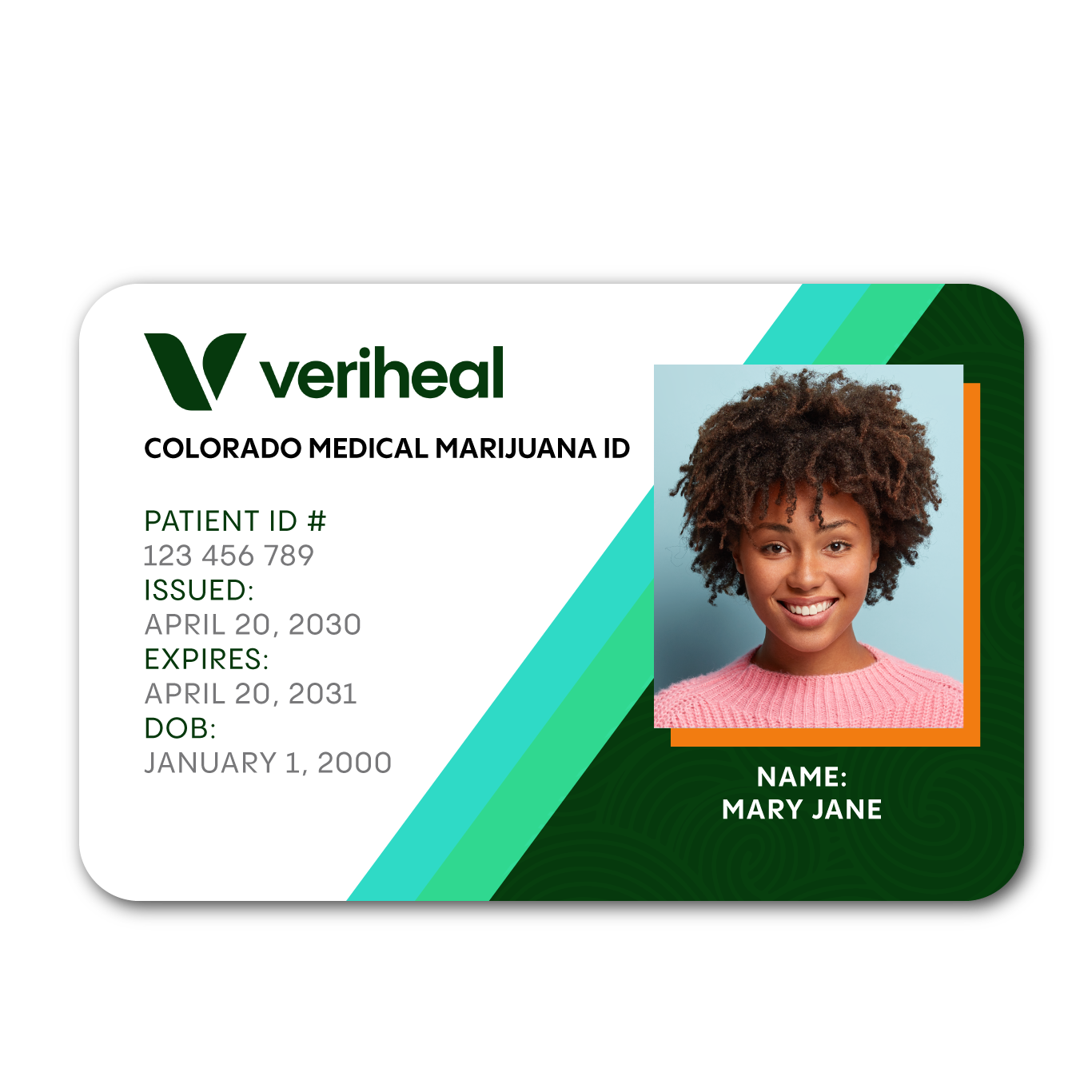
Understanding Colorado’s Medical Cannabis Program
Colorado has long been at the forefront of cannabis legislation, famously being one of the first states to legalize recreational marijuana. However, its medical cannabis program predates recreational legalization and continues to serve a vital role for patients with qualifying conditions. Integrating medical cannabis into one’s lifestyle in Colorado requires a clear understanding of the regulatory environment and the specific pathways designed for patient access.
A Brief History and Current Landscape
The Colorado Medical Marijuana Amendment, Article XVIII, Section 14 of the Colorado Constitution, was passed by voters in 2000. This landmark decision allowed qualifying patients and their primary caregivers to possess and cultivate limited amounts of marijuana for medical purposes. Over two decades later, the program has evolved significantly, incorporating robust patient protections, strict product safety standards, and a streamlined application process. While recreational cannabis is widely available, the medical program offers distinct advantages for patients, including access to higher potency products, increased purchase limits, and often lower sales taxes, making it a valuable component of health management for many residents. Cities like Denver, Boulder, and Colorado Springs all have well-established medical dispensaries, catering to the needs of cardholders across the state. The legal framework is continuously refined by the Colorado Department of Public Health and Environment (CDPHE), which oversees the state’s medical marijuana registry.
Eligibility Requirements: Who Qualifies?
Before embarking on the application journey, it is paramount to understand the eligibility criteria. The program is designed for Colorado residents who meet specific conditions.
Firstly, residency is a non-negotiable requirement. Applicants must provide proof of Colorado residency, typically a valid Colorado driver’s license or state identification card. For minors, the application process involves parental or legal guardian consent and designated caregivers.
Secondly, applicants must have one or more qualifying medical conditions as defined by Colorado law. These typically include:
- Cancer
- Glaucoma
- HIV or AIDS
- Cachexia (wasting syndrome)
- Persistent muscle spasms (e.g., associated with multiple sclerosis)
- Seizures (e.g., associated with epilepsy)
- Severe nausea
- Severe pain
- Post-Traumatic Stress Disorder (PTSD)
- Autism Spectrum Disorder
- Any condition for which a physician believes that medical marijuana would be beneficial and that the benefit of medical marijuana would outweigh any associated risks.
It is crucial to note that the “any condition” clause grants physicians a degree of discretion, allowing them to recommend cannabis for debilitating conditions not explicitly listed, provided they believe it to be medically appropriate. This flexibility underscores Colorado’s patient-centric approach to medical cannabis, recognizing the diverse and complex nature of chronic illnesses.
The Step-by-Step Application Process
Obtaining a medical card in Colorado is a structured, multi-step process that primarily occurs online. Successfully navigating this procedure is key to integrating medical cannabis into your wellness lifestyle.
Consulting a Colorado Physician
The first and most critical step is to obtain a recommendation from a licensed Colorado physician. This isn’t merely a formality; it’s a genuine medical consultation to establish a bona fide physician-patient relationship and ensure cannabis is an appropriate treatment option for your condition.
During this consultation, the doctor will review your medical history, discuss your symptoms, and may ask about previous treatments and their efficacy. Be prepared to provide medical records that substantiate your qualifying condition. The physician will assess whether medical cannabis is an appropriate course of treatment and, if so, will certify your condition. This certification is uploaded directly to the Colorado Medical Marijuana Registry, an online portal managed by the CDPHE. This digital submission streamlines the application process considerably. It’s advisable to seek out doctors who are knowledgeable about medical cannabis and its applications, as their expertise can guide you in making informed health decisions. Many clinics specialize in medical cannabis evaluations, making the process more accessible for patients.
Navigating the Online Application Portal
Once your physician has certified your condition, the next step involves submitting your application through the Colorado Medical Marijuana Registry. This is an entirely online system designed for efficiency and convenience.
To begin, you will need to create an account on the registry’s website. The portal will guide you through entering personal information, uploading necessary documentation, and confirming your physician’s certification. It’s essential to ensure all information is accurate and matches your supporting documents. The system is relatively user-friendly, but attention to detail is crucial to avoid delays. You’ll be prompted to link to your physician’s certification, which should already be on file in the system from your doctor’s submission. The portal provides real-time updates on your application status, allowing you to track its progress from submission to approval.
Required Documentation and Fees
A successful application hinges on providing accurate documentation and paying the associated fees. Prepare these items in advance to ensure a smooth submission:
- Proof of Colorado Residency: A valid Colorado driver’s license or state identification card is typically sufficient. For minors, birth certificates and proof of parent/guardian residency are required.
- Physician Certification: As mentioned, this is submitted directly by your doctor to the Colorado Medical Marijuana Registry. You will simply confirm it.
- Application Fee: There is a non-refundable application fee, typically around $29.50, payable online via credit or debit card. For individuals who can demonstrate financial hardship (e.g., participation in certain state or federal assistance programs), there might be an option for a reduced fee or waiver. Always check the official CDPHE website for the most current fee structure and potential waivers.
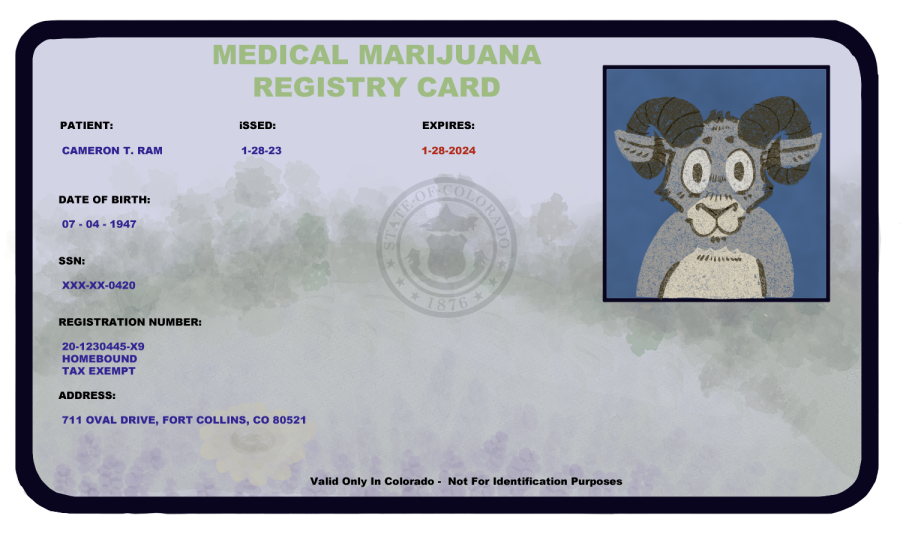
Upon successful submission, the CDPHE will review your application. Processing times can vary, but generally, applicants can expect to receive their approval or a request for more information within a few weeks. Once approved, you will receive an email with instructions on how to print your temporary medical marijuana card, which serves as your official identification until a physical card arrives by mail.
Benefits and Responsibilities of a Medical Cardholder
Holding a medical cannabis card in Colorado offers distinct advantages and entails specific responsibilities, all of which contribute to a regulated and safe lifestyle for patients.
Advantages for Colorado Residents
For eligible Colorado residents, a medical card provides several significant benefits over relying on the recreational market:
- Higher Purchase Limits: Medical patients are generally permitted to purchase and possess significantly larger quantities of cannabis (typically 2 ounces of flower, compared to 1 ounce for recreational users). This allows patients to stock up less frequently and ensures a consistent supply for managing their conditions.
- Increased Potency: Medical dispensaries often carry products with higher cannabinoid concentrations, including THC, which may be necessary for patients with severe conditions requiring stronger therapeutic effects.
- Lower Taxes: Medical cannabis purchases are subject to lower sales taxes compared to recreational sales, leading to considerable cost savings over time. This financial benefit makes ongoing treatment more affordable for patients.
- Access to Specific Products and Dispensaries: Some medical-only dispensaries and product lines cater specifically to patients, offering a wider range of tailored products and a more private, consultation-focused retail experience. This can include specialized edibles, tinctures, and topicals designed for specific ailments.
- Cultivation Rights: Medical cardholders may have the right to cultivate a larger number of cannabis plants for personal use, though specific limits and regulations apply and should be carefully researched.
These advantages collectively enhance the quality of life for patients, offering them greater control over their health management and access to vital medicine without the same restrictions faced by recreational consumers.
Adhering to Legal Guidelines
With the privileges of a medical card come significant responsibilities. Cardholders must rigorously adhere to Colorado’s laws and regulations concerning medical cannabis:
- Possession Limits: Always stay within the legal possession limits for medical patients. Exceeding these limits can lead to legal penalties.
- Public Consumption: Public consumption of cannabis, medical or recreational, remains illegal in Colorado. Use should be confined to private residences or designated consumption areas, where permitted.
- Driving Under the Influence (DUI): Operating a vehicle under the influence of cannabis is illegal and dangerous. Colorado has strict DUI laws regarding cannabis, and these apply equally to medical cardholders.
- Interstate Travel: Medical cannabis laws are state-specific. It is illegal to transport cannabis across state lines, even if you have a medical card in Colorado and are traveling to another state where medical cannabis is legal. Federal law still classifies cannabis as a Schedule I controlled substance.
- Safe Storage: Store cannabis securely, especially away from children and pets. This is a crucial aspect of responsible cannabis use.
- Designated Caregivers: If you are a designated caregiver for a patient, ensure you understand and adhere to all legal requirements and responsibilities associated with this role, including possession and cultivation limits.
Maintaining a clear understanding of these guidelines ensures that medical cardholders can responsibly integrate cannabis into their lifestyle without legal repercussions.
Common Challenges and Tips for a Smooth Process
While the process for obtaining a medical card in Colorado is generally straightforward, applicants may encounter certain challenges. Being prepared for these can help ensure a smooth and timely approval.
Overcoming Hurdles in Certification
One common hurdle can be finding a physician willing to recommend medical cannabis, especially if you have a less common qualifying condition or lack comprehensive medical records.
- Finding the Right Doctor: Not all doctors are comfortable recommending medical cannabis. Research clinics or individual practitioners specializing in medical marijuana evaluations. These professionals are typically well-versed in Colorado law and the therapeutic applications of cannabis.
- Gathering Medical Records: Ensure you have thorough medical records documenting your qualifying condition. This includes diagnoses, treatment history, imaging results, and specialist reports. The more evidence you can provide, the smoother the physician consultation will be. If obtaining records is difficult, inform the clinic in advance; they might be able to assist or guide you on alternatives.
- Understanding the “Any Condition” Clause: If your condition isn’t explicitly listed, discuss the “any condition for which a physician believes…” clause with your doctor. They can determine if cannabis is medically beneficial for your specific circumstances.
Maintaining Your Medical Card
Obtaining the card is just the first step; maintaining its validity requires ongoing attention to renewals and staying informed about regulatory changes.
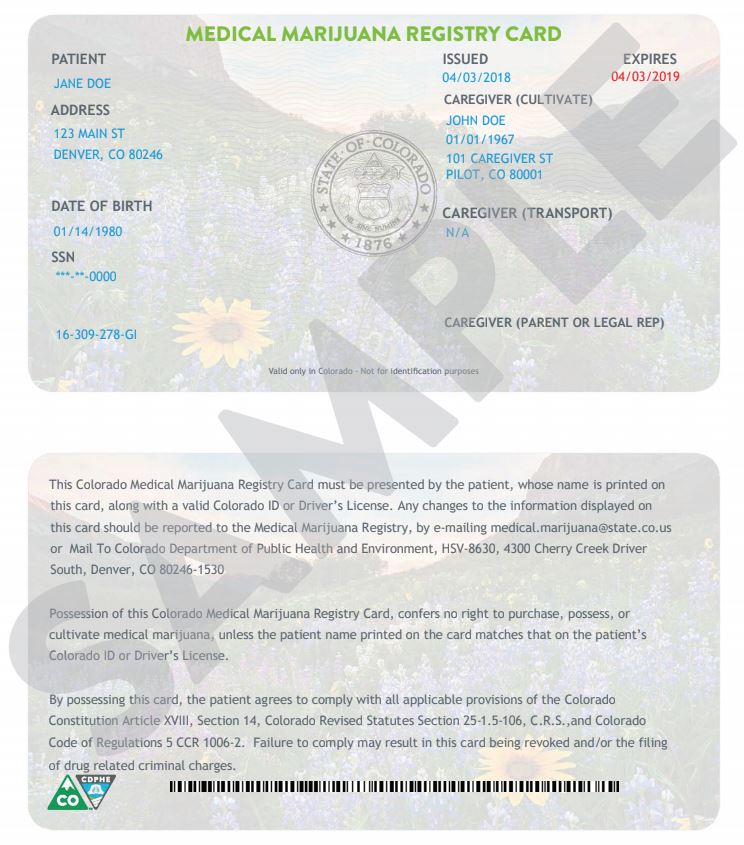
- Annual Renewal: Medical cards in Colorado are valid for one year. You must renew your card annually, which typically involves another physician consultation and resubmission of your application through the Colorado Medical Marijuana Registry. The CDPHE usually sends renewal reminders, but it’s wise to mark your calendar well in advance.
- Staying Informed: Cannabis laws and regulations, particularly concerning medical programs, can evolve. Regularly check the official Colorado Department of Public Health and Environment (CDPHE) website for updates. Subscribing to their newsletters or alerts can help you stay current with any changes that might affect your status as a medical cardholder.
- Updating Information: If your personal information (e.g., address) changes, update it promptly on the Colorado Medical Marijuana Registry to ensure you continue receiving important communications and that your card remains valid.
By being proactive and informed, you can ensure uninterrupted access to medical cannabis as part of your ongoing health and wellness lifestyle in Colorado.
Conclusion
Navigating the process to obtain a medical cannabis card in Colorado is a testament to the state’s progressive approach to health and wellness. For eligible residents, it represents a significant opportunity to integrate medical cannabis into their lifestyle as a therapeutic tool for managing qualifying conditions. From understanding the pioneering history of Colorado’s medical program and establishing eligibility to meticulously following the online application steps, each stage is designed to ensure patient access within a regulated framework. The benefits of a medical card — including higher purchase limits, reduced taxes, and access to specialized products — offer substantial advantages for patients. However, these privileges come with the crucial responsibility of adhering to all state laws and renewing your card diligently. By approaching this process with thorough preparation and a commitment to compliance, individuals can successfully secure their medical cannabis card, empowering them to pursue a holistic and legally supported path to health and well-being within the vibrant lifestyle of Colorado.
LifeOutOfTheBox is a participant in the Amazon Services LLC Associates Program, an affiliate advertising program designed to provide a means for sites to earn advertising fees by advertising and linking to Amazon.com. Amazon, the Amazon logo, AmazonSupply, and the AmazonSupply logo are trademarks of Amazon.com, Inc. or its affiliates. As an Amazon Associate we earn affiliate commissions from qualifying purchases.