
Chicago, a city synonymous with architectural marvels, vibrant jazz, and a distinctive deep-dish pizza, boasts a culinary scene that is as diverse as its population. For visitors planning a gastronomic adventure or simply wondering about the sheer scale of dining options, the question “How many restaurants in Chicago?” is more than just a numerical inquiry; it’s an invitation to explore a dynamic, ever-evolving food landscape. While pinpointing an exact, constantly updated figure is challenging due to openings, closures, and seasonal shifts, the spirit of the question points to an undeniable truth: Chicago is a global culinary powerhouse, offering thousands of establishments that cater to every taste, budget, and occasion. From humble hot dog stands to opulent Michelin-starred restaurants, the options are virtually endless, making it a dream destination for food lovers.

The Culinary Landscape of a Global City
The restaurant scene in Chicago is a testament to its status as a major international hub. It reflects the city’s rich history, its diverse immigrant communities, and its continuous drive for innovation. The sheer volume of eateries signifies not just quantity, but a robust and competitive environment that fosters creativity and excellence, consistently pushing chefs and restaurateurs to deliver unique and memorable experiences.
Numbers, Trends, and the Dynamic Ecosystem
While official figures can vary, estimates frequently place the number of restaurants and food service establishments in Chicago at well over 7,000, and sometimes even closer to 8,000 or more, including everything from full-service dining rooms to cafes, bars with food menus, and fast-casual spots. This staggering number isn’t static; it’s a living ecosystem. New concepts emerge, old favorites evolve, and the city’s culinary narrative is constantly being rewritten.
Trends in Chicago’s dining scene often mirror national and international movements, with a strong emphasis on farm-to-table sourcing, sustainable practices, and adventurous fusion cuisines. However, the city also proudly champions its own unique culinary identity, maintaining a strong presence of classic American fare, ethnic enclaves, and of course, its signature deep-dish pizza and Chicago-style hot dogs. The economic impact of this industry is immense, providing countless jobs and contributing significantly to the city’s tourism appeal. It’s a landscape shaped by dedicated chefs, passionate owners, and a discerning public hungry for authentic flavors and novel dining experiences.
Beyond the Statistics: A Hub of Innovation
Beyond the impressive numbers, Chicago’s dining scene is renowned as a hub for culinary innovation. It’s a place where chefs are celebrated, and boundaries are pushed. The city has consistently garnered international acclaim, with a significant number of restaurants receiving coveted stars from the Michelin Guide. This recognition attracts global talent and fosters an environment where culinary artistry flourishes.
Experimental kitchens, tasting menus that tell stories, and restaurants that blend dining with immersive experiences are commonplace. This spirit of innovation isn’t confined to high-end establishments; it permeates casual dining too, with food trucks and pop-ups frequently experimenting with new flavors and concepts. For tourists, this means that every meal can be an opportunity for discovery, whether it’s a gourmet delight or a surprisingly sophisticated street food experience.
A Gastronomic Mosaic: Diverse Flavors and Cuisines
The true richness of Chicago’s restaurant scene lies not just in its quantity but in its unparalleled diversity. The city is a melting pot of cultures, and its food reflects this intricate tapestry, offering a global journey for the palate without ever leaving the city limits.
From Deep-Dish to Michelin Stars
No discussion of Chicago food is complete without mentioning its iconic deep-dish pizza. Institutions like Lou Malnati’s, Giordano’s, and Pequod’s Pizza are pilgrimage sites for visitors eager to experience this cheesy, saucy, buttery crust creation. Similarly, the Chicago-style hot dog, piled high with mustard, relish, onions, pickles, tomatoes, sport peppers, and a dash of celery salt, is a local legend found at countless stands across the city. These quintessential Chicago foods are essential stops for any tourist looking to taste the city’s unique identity.
However, Chicago’s culinary prowess extends far beyond these beloved staples. The city is home to an impressive roster of Michelin-starred restaurants, where world-renowned chefs craft exquisite, multi-course experiences. Establishments like Alinea, known for its avant-garde approach to molecular gastronomy, and Oriole, offering refined American cuisine, showcase the pinnacle of fine dining. These establishments contribute to Chicago’s reputation as a top culinary destination, attracting gourmands from around the globe.
International Flavors and Local Delights
Beyond the famous and the fancy, Chicago’s neighborhoods are vibrant hubs for specific international cuisines. The city’s history of immigration has fostered distinct ethnic enclaves, each with its own culinary traditions thriving in numerous family-owned restaurants and markets.
You can find authentic Mexican cuisine in Pilsen and Little Village, explore the rich culinary heritage of China in Chinatown, savor the tastes of Greece in Greek Town, or enjoy traditional Italian dishes in Little Italy. Each of these districts offers an immersive experience, complete with specialized grocery stores, bakeries, and restaurants that serve dishes passed down through generations.
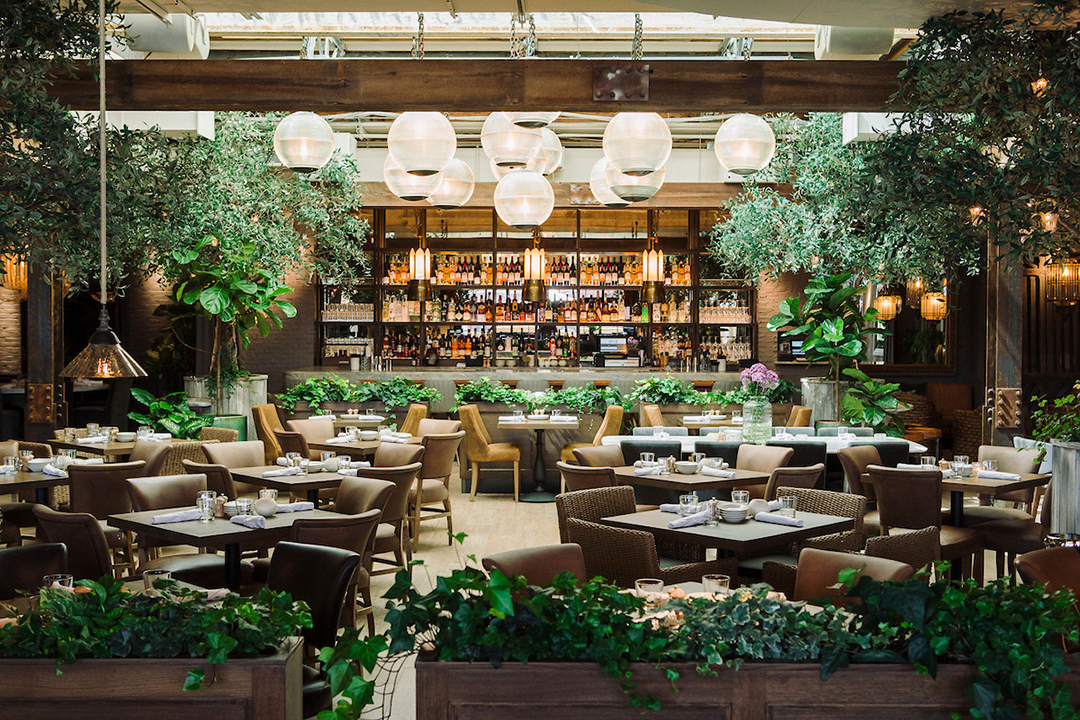
But the diversity doesn’t stop there. Korean BBQ in Lincoln Square, Vietnamese pho in Uptown, Indian curries in Rogers Park, and Ethiopian injera in Edgewater are just a few examples of the expansive global palette available. This makes Chicago an ideal place for adventurous eaters to embark on a culinary world tour without ever needing a passport.
Iconic Dining Districts and Emerging Hotspots
To truly appreciate Chicago’s gastronomic offerings, it’s helpful to understand its key dining districts. Each neighborhood possesses a unique character and a distinct concentration of culinary experiences.
River North and West Loop: Fine Dining Epicenters
The River North neighborhood, just north of the Chicago River, has long been a destination for upscale dining and vibrant nightlife. Here, you’ll find a concentration of celebrity chef restaurants, stylish steakhouses, and trendy bars. It’s a go-to for an elegant evening out or a sophisticated business dinner, with establishments ranging from classic American to modern global cuisine. Its proximity to downtown hotels and the Magnificent Mile makes it easily accessible for tourists.
The West Loop, once an industrial area, has undergone a dramatic transformation to become Chicago’s undisputed restaurant row, particularly along Randolph Street. This area is home to some of the city’s most celebrated and innovative restaurants, including many of its Michelin-starred gems. The atmosphere is often buzzing and energetic, with a mix of industrial-chic interiors and bustling outdoor patios. The West Loop is where you’ll find everything from experimental tasting menus to elevated gastropubs, making it a must-visit for serious foodies.
Neighborhood Gems: Exploring Ethnic Enclaves
While River North and the West Loop offer high-profile dining, the true soul of Chicago’s food scene often resides in its diverse neighborhoods. Exploring these areas provides a more authentic and often more affordable culinary experience.
As mentioned, Pilsen is famed for its vibrant Mexican culture and incredible tacos, tamales, and mole dishes. Chinatown offers dim sum, Szechuan specialties, and Cantonese BBQ. Andersonville, historically a Swedish neighborhood, now boasts a fantastic array of independent restaurants, including some excellent Middle Eastern and global fusion spots. Lincoln Park offers a mix of casual cafes, upscale bistros, and classic American eateries. venturing beyond the downtown core allows tourists to uncover hidden gems and experience the genuine flavors of Chicago’s many communities.
Navigating Chicago’s Food Scene: Tips for Tourists
With thousands of restaurants to choose from, navigating Chicago’s food scene can be overwhelming for a first-time visitor. A little planning can go a long way in ensuring a memorable culinary journey.
Planning Your Culinary Journey
- Research in Advance: Use food blogs, restaurant review sites, and local guides to identify restaurants that align with your taste and budget. Look for recommendations from local food critics or popular publications.
- Consider Reservations: For popular fine dining establishments, especially those with Michelin stars or high demand, reservations are often essential and should be made well in advance – sometimes weeks or even months ahead. For many casual or mid-range spots, especially on weekends, booking a table is highly recommended to avoid long waits.
- Embrace Neighborhood Hopping: Don’t limit yourself to just one area. Chicago’s public transportation (the ‘L’ train and buses) makes it easy to explore different neighborhoods and their unique culinary offerings.
- Budget Wisely: Chicago offers options for every budget. You can enjoy an inexpensive but delicious hot dog or taco, or splurge on a once-in-a-lifetime tasting menu. Mix and match to get the full experience.
- Timing is Key: Some restaurants offer lunch specials or happy hour deals that provide a more affordable way to experience their cuisine. Also, be aware that many popular spots can get very busy during peak dinner hours (7-9 PM).
Beyond Restaurants: Markets and Food Tours
To fully immerse yourself in Chicago’s food culture, consider exploring options beyond traditional sit-down restaurants.
- Food Halls and Markets: Places like Eataly Chicago or the French Market offer a diverse range of gourmet food stalls, bakeries, and specialty shops under one roof, perfect for casual dining or grabbing ingredients for a picnic in Millennium Park or Grant Park. Seasonal farmers’ markets also provide an opportunity to taste fresh local produce and artisan goods.
- Food Tours: Joining a guided food tour is an excellent way to discover hidden gems, learn about the city’s culinary history, and sample a variety of dishes in different neighborhoods. Many tours focus on specific cuisines (e.g., pizza, ethnic foods) or dining districts.
- Cooking Classes: For a more hands-on experience, some Chicago culinary schools and restaurants offer cooking classes, allowing you to learn the secrets behind some of the city’s beloved dishes.

The Economic and Cultural Impact of Chicago’s Restaurants
The sheer number and diversity of restaurants in Chicago are not merely statistics; they represent a fundamental pillar of the city’s economy and cultural identity. The restaurant industry in Chicago, and indeed across the state of Illinois, is a significant employer, providing jobs for hundreds of thousands of people, from chefs and servers to suppliers and distributors. This economic engine fuels local businesses and contributes substantially to the tax base, supporting public services and urban development.
Culturally, Chicago’s restaurants are gathering places, community anchors, and vibrant expressions of its heritage. They preserve traditions, foster new ones, and serve as accessible entry points for visitors to understand the city’s soul. Dining out in Chicago is more than just eating; it’s an experience that connects people to the city’s past, present, and future, making every meal an integral part of the Chicago story. The continuous evolution of this dynamic scene ensures that Chicago remains a compelling destination for culinary enthusiasts and curious travelers alike.
LifeOutOfTheBox is a participant in the Amazon Services LLC Associates Program, an affiliate advertising program designed to provide a means for sites to earn advertising fees by advertising and linking to Amazon.com. Amazon, the Amazon logo, AmazonSupply, and the AmazonSupply logo are trademarks of Amazon.com, Inc. or its affiliates. As an Amazon Associate we earn affiliate commissions from qualifying purchases.