
Navigating the landscape of cannabis laws in California can initially seem complex, particularly for those accustomed to different regulatory frameworks. While recreational cannabis has been legal for adults 21 and over in California since 2016, obtaining a Medical Marijuana Identification Card (MMIC) still offers distinct advantages and protections for qualifying individuals. This guide delves into the process of acquiring an MMIC, exploring the eligibility criteria, the application journey, and the enduring benefits that make it a valuable asset for many residents and long-term visitors considering cannabis as part of their lifestyle in the Golden State.
Understanding California’s Cannabis Landscape
The legal history of cannabis in California is rich and pioneering, dating back to 1996 with the passage of Proposition 215, which legalized medical marijuana. This legacy has shaped the current dual market, where both medical and recreational cannabis coexist. Understanding the distinction is crucial for anyone looking to responsibly integrate cannabis into their health and wellness routine.
Prop 64 vs. SB 420: A Quick Overview
The current regulatory framework in California is primarily governed by two significant pieces of legislation. Proposition 64, passed in 2016, legalized adult-use (recreational) cannabis, allowing individuals aged 21 and older to possess and cultivate specified amounts of cannabis for personal use. It also established the regulatory framework for commercial recreational sales. This means that, in most cases, an adult can walk into a licensed dispensary with a valid ID and purchase cannabis products without a medical card.
However, the medical program, established under Senate Bill 420 (the Medical Marijuana Program Act) and further refined, continues to operate. SB 420 laid the groundwork for the Medical Marijuana Identification Card Program (MMICP), managed by the California Department of Public Health. The MMICP is designed to identify qualified patients and their primary caregivers and provide them with a state-issued identification card.
Why a Medical Card Still Matters
Despite the broad legalization of recreational cannabis, the MMIC retains significant value. For individuals relying on cannabis for medical reasons, the card offers substantial benefits that enhance access, affordability, and legal protection. It represents a formal recognition of a patient’s need for cannabis treatment, distinguishing them from recreational users. This distinction translates into tangible advantages, from reduced costs to greater legal safeguards, making the effort to obtain one a worthwhile endeavor for many.
Eligibility Requirements for a California Medical Marijuana Card
The first step in acquiring an MMIC is determining if you meet the state’s eligibility criteria. These requirements are designed to ensure that the program serves its intended purpose: providing cannabis access to patients with legitimate medical needs.
Residency and Age
To be eligible for a California MMIC, an applicant must be a current resident of California. Proof of residency, such as a California driver’s license or state ID, along with utility bills or other official documents, will be required during the application process. While the MMIC is available to individuals of all ages, minors (under 18) must have the consent of a parent or legal guardian who also serves as their primary caregiver, and two physicians must approve their medical use of cannabis. Adults aged 18 and older can apply on their own behalf.
Qualifying Medical Conditions
California law specifies a list of qualifying medical conditions for which cannabis can be recommended. These include, but are not limited to:
- Cancer
- Anorexia
- AIDS
- Chronic pain
- Spasticity
- Glaucoma
- Arthritis
- Migraine
- Any debilitating medical condition where the qualified patient’s physician has determined that the medical use of cannabis is appropriate and has recommended it. This last category provides some flexibility, allowing physicians to exercise their professional judgment for conditions not explicitly listed but for which cannabis could provide therapeutic benefit.
It is important to note that the presence of one of these conditions alone is not sufficient; a licensed physician must also determine that medical cannabis is an appropriate treatment.
Physician Recommendation: The Crucial Step
The cornerstone of the MMIC application process is obtaining a written recommendation from a licensed California physician. This recommendation must attest that the physician has reviewed your medical history, conducted a physical examination, and concluded that cannabis is medically appropriate for your qualifying condition. The physician must be in good standing with the Medical Board of California or the Osteopathic Medical Board of California. This step typically involves a consultation where you discuss your symptoms, previous treatments, and how cannabis might fit into your treatment plan. Telehealth appointments have become increasingly common and accepted for this initial consultation, making the process more accessible.
The Application Process: Step-by-Step
Once you have secured a physician’s recommendation, the next phase involves formally applying for the MMIC through your county’s public health department. This process is structured to ensure proper verification and issuance of the card.
Finding a Qualified Physician
The first practical step is to find a licensed California doctor who is experienced in recommending medical cannabis. Many clinics specialize in medical marijuana evaluations, and a quick online search for “medical marijuana doctor Los Angeles” or “cannabis doctor San Francisco” will yield numerous results. Ensure the physician is licensed and reputable. During your consultation, be prepared to discuss your medical history, symptoms, and any previous treatments.

The Medical Evaluation
During your appointment, the doctor will review your medical records and perform an evaluation to confirm your qualifying condition. It is helpful to bring any relevant medical documents, such as previous diagnoses, treatment records, and medication lists. If the doctor determines that medical cannabis is a suitable treatment, they will issue a written recommendation. This document is vital for your MMIC application.
Submitting Your Application to the County
With your physician’s recommendation in hand, you will then apply to the Medical Marijuana Identification Card Program (MMICP) through your county’s health department. This is a crucial distinction: while many private clinics assist with the doctor’s recommendation, the actual card issuance is a state function administered at the county level. You will typically need to provide:
- Your physician’s recommendation
- Proof of California residency (e.g., California driver’s license or ID card, utility bill)
- Proof of identity (e.g., California driver’s license or ID card)
- The applicable application fee (which can be reduced or waived for Medi-Cal beneficiaries)
- A recent photograph
- Your completed MMICP application form.
You will typically need to schedule an appointment at your county’s public health office (e.g., Sacramento County Public Health, Oakland Department of Health) to submit these documents in person. This appointment allows county staff to verify your documents and take your photo for the card.
What to Expect After Application
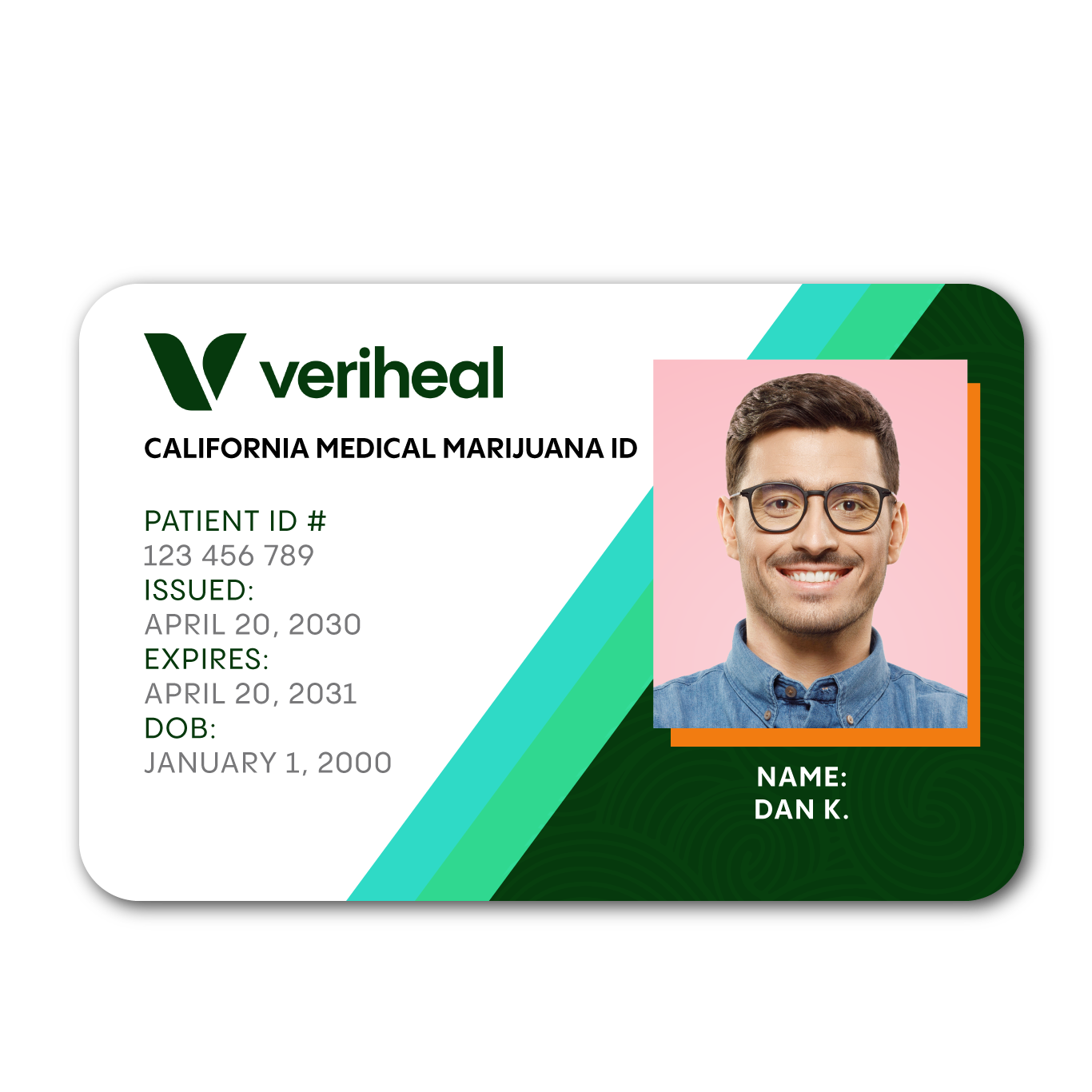
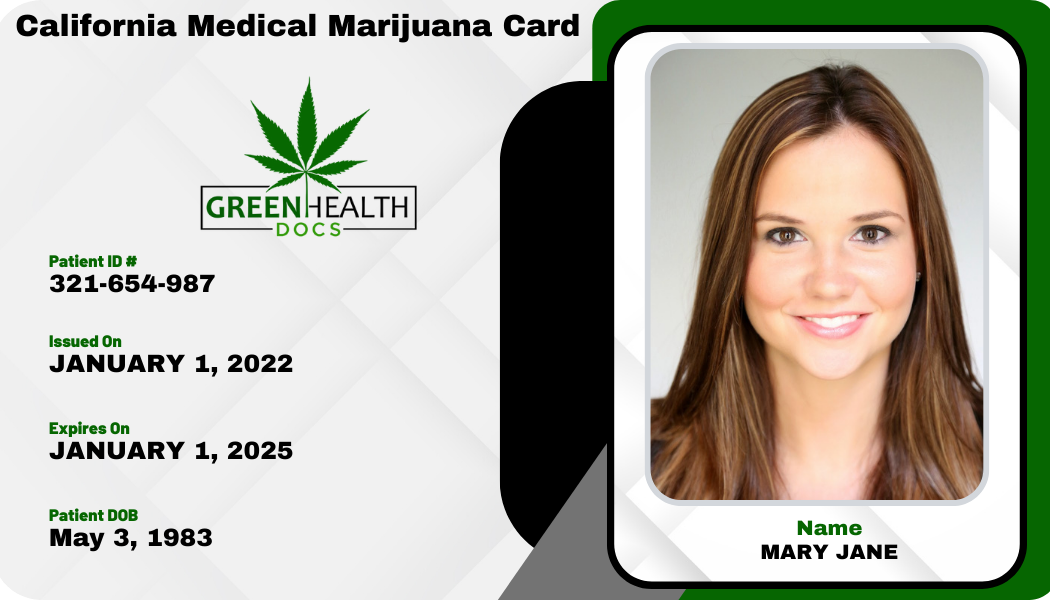
After submitting your application, your county’s MMICP staff will verify your physician’s recommendation and residency. This verification process can take several weeks. Once approved, you will be notified, and your official MMIC will be mailed to you. The card typically includes your photo, name, unique identification number, and expiration date. It is valid for one year from the date of issue.
Benefits and Protections of Holding a Medical Card
While recreational cannabis is readily available, the MMIC provides a layer of benefits and protections that significantly enhance the experience for medical users. These advantages are often overlooked but contribute to a more secure and affordable approach to cannabis consumption.
State Tax Exemptions
One of the most immediate and tangible benefits of holding an MMIC is the exemption from certain state sales and excise taxes on medical cannabis purchases. Recreational cannabis purchases are subject to these taxes, which can significantly increase the final cost. For patients who rely on cannabis regularly, these savings can add up substantially over a year, making their medication more affordable and accessible. This financial relief can be a significant factor in managing long-term treatment costs.
Higher Purchase Limits and Potency
MMIC holders are generally permitted to purchase and possess larger quantities of cannabis than recreational users. Under California law, medical patients can possess up to eight ounces of dried cannabis and cultivate up to 12 mature cannabis plants (unless a doctor specifies a higher amount based on medical need), compared to one ounce and six plants for recreational users. Furthermore, medical dispensaries may offer a wider range of high-potency products, including concentrates and edibles, that are specifically formulated for therapeutic use and might have higher THC limits than those sold in the recreational market. This expanded access ensures patients can obtain the specific dosages and product types necessary for their conditions.
Enhanced Legal Protections
While Proposition 64 offers protections for recreational users, an MMIC provides a stronger legal defense under state law. It formally identifies you as a patient engaged in the state’s medical cannabis program, offering greater protection against arrest and prosecution for cannabis-related offenses, provided you are in compliance with state regulations (e.g., not exceeding possession limits, not consuming in prohibited areas). This can be particularly important in ambiguous legal situations or when interacting with law enforcement, especially in jurisdictions like San Diego or Berkeley where local ordinances might differ slightly. The card serves as clear, official documentation of your status as a medical cannabis patient.
Important Considerations and What to Watch Out For
Once you have your MMIC, responsible use and adherence to regulations are key. There are a few important aspects to keep in mind to ensure you continue to benefit from the program without issues.
Renewals and Expiration
Your California MMIC is valid for one year from its issuance date. To maintain your status as a medical cannabis patient and continue enjoying the associated benefits, you must renew your card annually. The renewal process is similar to the initial application, requiring a new physician’s recommendation and resubmission of documents to your county’s health department. It is advisable to begin the renewal process several weeks before your card’s expiration date to avoid any lapse in coverage.
Understanding Local Ordinances
While state law provides a general framework, individual cities and counties in California may have their own specific ordinances regarding cannabis cultivation, consumption, and the operation of dispensaries. For example, rules in Los Angeles might differ from those in more rural areas. Always be aware of local regulations in the specific area you are in to ensure full compliance. This includes restrictions on public consumption, zoning for dispensaries, and home cultivation limits. Your MMIC offers state-level protection, but local rules still apply.
Avoiding Scams and Unlicensed Services
The popularity of cannabis has led to the emergence of both legitimate and illicit services. When seeking a physician’s recommendation or information about the MMIC, ensure you are dealing with licensed doctors and official county health department channels. Be wary of services that promise “instant cards” without a proper medical evaluation or that operate outside established legal frameworks. Always verify the credentials of any medical professional and confirm that you are applying through your official county Medical Marijuana Identification Card Program office to protect yourself from fraud and ensure the validity of your card.
LifeOutOfTheBox is a participant in the Amazon Services LLC Associates Program, an affiliate advertising program designed to provide a means for sites to earn advertising fees by advertising and linking to Amazon.com. Amazon, the Amazon logo, AmazonSupply, and the AmazonSupply logo are trademarks of Amazon.com, Inc. or its affiliates. As an Amazon Associate we earn affiliate commissions from qualifying purchases.