
Navigating the intricacies of vehicle registration in any state can often feel like deciphering an ancient script. For those in the Lone Star State, specifically regarding temporary registration permits, understanding the process is crucial. Whether you’ve just purchased a vehicle, are moving to Texas, or have a unique situation requiring temporary operation of a vehicle, securing a temporary tag is a necessary step. This guide will break down the essential requirements, procedures, and considerations for obtaining a temporary tag in Texas, ensuring you can drive legally and without unnecessary complications.
Understanding Temporary Vehicle Registration in Texas
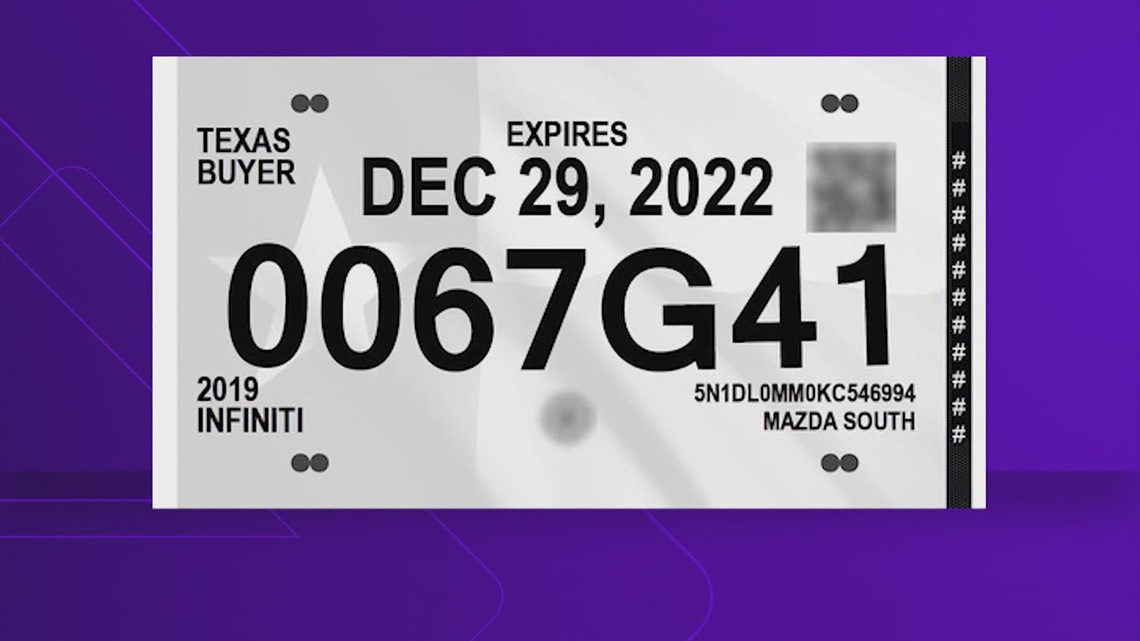
A temporary tag, officially known as a Temporary Transit Permit (TTP) in Texas, serves as a short-term authorization to operate a motor vehicle on public roads before a permanent registration and license plate can be issued. These permits are typically issued for a limited duration, usually 30 days, and are designed to bridge the gap between vehicle acquisition and full registration. It’s important to note that TTPs are not a substitute for permanent registration, but rather a legal conduit to ensure compliance during the interim period.
There are several scenarios where obtaining a temporary tag becomes essential:
- Purchasing a Vehicle: When you buy a new or used vehicle from a dealership or a private seller, you’ll need a temporary tag to drive it home or to your preferred registration office before obtaining your permanent Texas plates.
- Moving to Texas: If you are relocating to Texas with a vehicle registered in another state, you will need to transfer your registration and title. During this process, a temporary tag allows you to legally operate the vehicle in Texas while you complete the necessary paperwork with the Texas Department of Motor Vehicles (TxDMV).
- Out-of-State Vehicle Sale: If you are a Texas resident and have purchased a vehicle out of state, a temporary tag might be necessary to drive it back to Texas before you can register it.
- Repair or Modification: In certain limited circumstances, if a vehicle requires extensive repairs or modifications that necessitate its removal from your property for extended periods but without permanent plates, a temporary permit might be applicable, though this is less common than purchase or relocation scenarios.
Who Issues Temporary Tags in Texas?
In Texas, the primary entities authorized to issue Temporary Transit Permits are licensed Texas vehicle dealerships. When you purchase a vehicle from a dealership, they are generally responsible for providing you with a temporary tag and the necessary paperwork to facilitate your permanent registration. This process is integrated into the sales transaction.
For individuals who have purchased a vehicle from a private seller, or for those who have moved to Texas and need a temporary permit before visiting a county tax assessor-collector’s office for permanent registration, the Texas Department of Motor Vehicles (TxDMV) offers a specific program. Through authorized third-party businesses, individuals can purchase temporary tags directly. These businesses are licensed by the TxDMV to sell TTPs to the public. It is crucial to ensure that any business you use for this purpose is officially authorized by the TxDMV to avoid fraudulent permits.
Requirements for Obtaining a Temporary Tag
The specific requirements for obtaining a temporary tag in Texas can vary slightly depending on whether you are acquiring it through a dealership or an authorized third-party vendor. However, several core pieces of documentation and information are generally mandatory.
For Dealership Purchases
When you buy a vehicle from a licensed Texas dealership, they will typically handle the initial issuance of your temporary tag as part of the sales process. The dealership is required to verify certain information and ensure the vehicle is ready for road use. The primary requirements you will need to provide to the dealership typically include:
- Proof of Purchase: This includes the bill of sale or purchase agreement, clearly detailing the vehicle’s identification number (VIN), make, model, year, and the purchase price.
- Proof of Texas Auto Insurance: Texas law mandates that all registered vehicles must have liability insurance. You will need to provide proof of valid Texas auto insurance that meets the state’s minimum coverage requirements. This insurance policy must be active and cover the vehicle from the moment you take possession.
- Valid Driver’s License: You will need to present a valid, government-issued driver’s license as proof of identity.
- Vehicle Information: The dealership will have the necessary information about the vehicle, including its VIN.
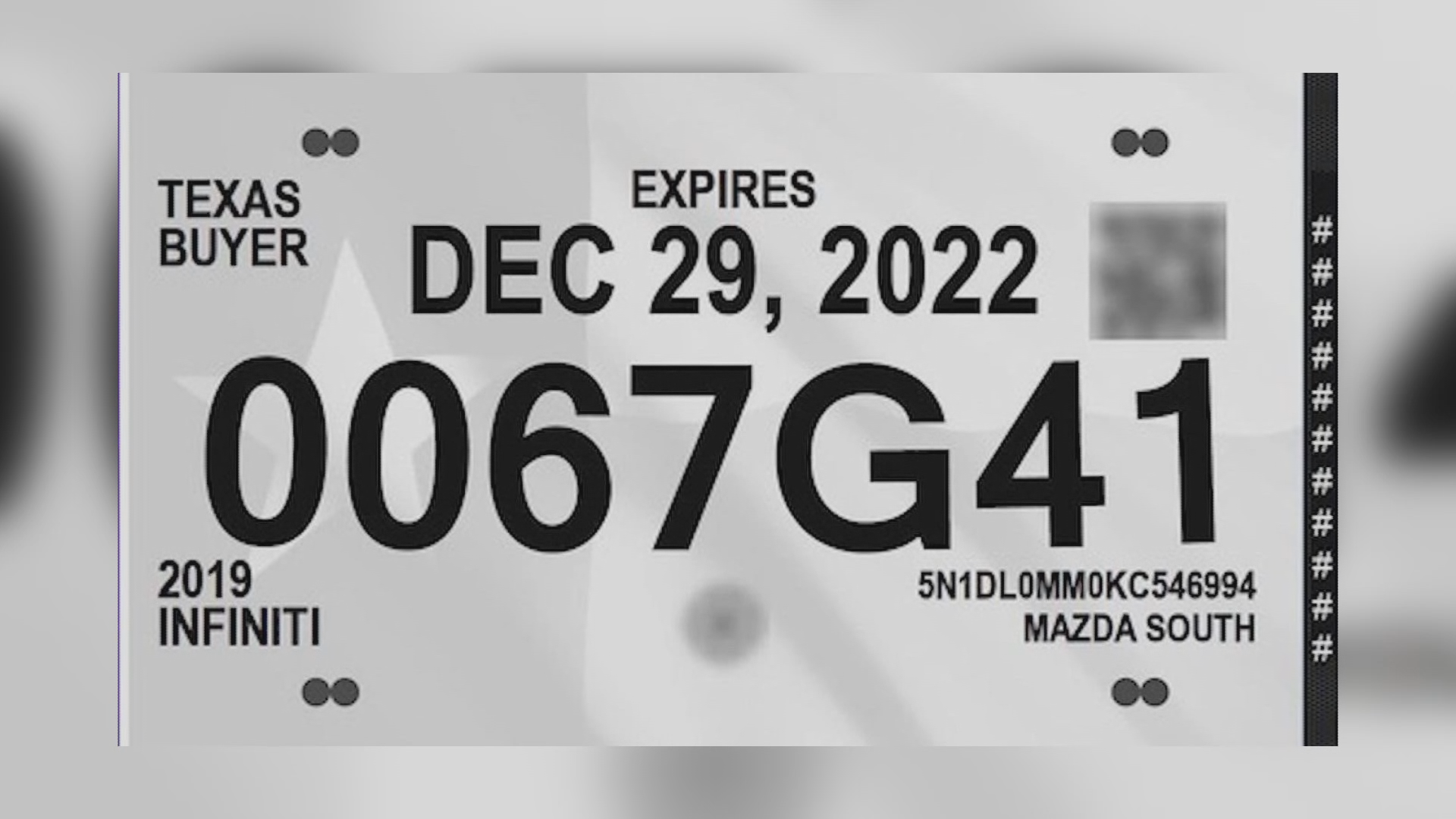
The dealership will then issue the temporary tag, which is usually affixed to the vehicle, along with a temporary registration permit that should be kept in the vehicle. This permit will indicate the expiration date of the temporary tag.
For Private Party Purchases or Relocation Without a Dealership
If you purchase a vehicle from a private seller in Texas, or if you are moving to Texas and need a temporary tag to operate your out-of-state registered vehicle before you can complete your Texas registration, you will need to obtain the TTP through an authorized third-party vendor licensed by the TxDMV. The requirements in this scenario are more specific and often involve demonstrating the legality of your possession of the vehicle and your intent to register it.
- Proof of Ownership: This is critical. You will need to present documentation proving you legally own the vehicle. This typically includes:
- A Bill of Sale: This document, signed by both the buyer and the seller, should clearly state the VIN, make, model, year, purchase price, and the names and addresses of both parties. For private sales, this is your primary proof of purchase.
- Out-of-State Title (if applicable): If you are bringing a vehicle from another state, you will need the out-of-state title.
- Manufacturer’s Certificate of Origin (MCO): For brand-new vehicles purchased privately, the MCO serves as proof of ownership.
- Proof of Texas Auto Insurance: As with dealership purchases, you must have valid Texas auto insurance that meets the state’s minimum coverage requirements. The policy must be active and in your name, covering the vehicle for which you are seeking the temporary tag.
- Valid Driver’s License: A valid government-issued driver’s license is required for identification.
- Vehicle Identification Number (VIN) Verification: In some cases, the TxDMV may require a VIN inspection to ensure the vehicle’s identity matches the submitted documentation. This is particularly common if the vehicle’s history is unclear or if it is being brought into Texas from another jurisdiction. You may need to have this inspection performed by a certified VIN inspector.
- Application Form: You will need to complete a specific application form provided by the authorized third-party vendor.
The authorized vendor will review all your documentation. Upon successful verification, they will issue the Temporary Transit Permit and the associated paperwork. It is essential to retain these documents securely within the vehicle at all times.
The Process of Obtaining and Using Your Temporary Tag
Once you have gathered the necessary documentation, the process of obtaining and utilizing your temporary tag is relatively straightforward, but it requires diligence.
Acquiring the Tag

- Dealership Transactions: As mentioned, dealerships integrate this into the sale. They will provide the temporary tag and the accompanying documentation at the time you finalize the purchase and take possession of the vehicle.
- Third-Party Vendor Transactions: If you are using an authorized third-party vendor, you will need to visit one of their locations. Be prepared for a potentially thorough review of your documents. The vendor will input the information into the TxDMV system and print the temporary tag and permit. There will be a fee associated with purchasing the temporary tag, which varies by vendor but is set by the TxDMV. You should inquire about this fee in advance.
Affixing the Tag and Carrying Documentation
- Placement: The temporary tag must be properly affixed to the vehicle as instructed by the issuing authority. Typically, this means placing it in the rear license plate bracket. If the temporary tag is a paper document, it must be clearly visible and protected from the elements, often placed inside a protective sleeve.
- Required Documents: You must always carry the following documents in the vehicle while operating with a temporary tag:
- The temporary tag itself.
- The temporary registration permit issued with the tag, which details its expiration date.
- Proof of Texas auto insurance.
- Your Texas driver’s license.
- The bill of sale or proof of ownership.
Expiration and Next Steps
Temporary tags are valid for a limited period, typically 30 days from the date of issuance. It is imperative to know the exact expiration date and to have your permanent Texas registration and license plates obtained before this date. Failure to do so will result in operating an unregistered vehicle, which can lead to citations, fines, and other penalties.
Your next steps after obtaining a temporary tag should be to:
- Visit the County Tax Assessor-Collector’s Office: For most Texas residents, the county tax assessor-collector’s office is where you will complete the permanent registration process. You will need to present your proof of ownership, proof of Texas auto insurance, a completed application for Texas title and/or registration, and potentially pass a vehicle inspection (if required for your vehicle type).
- Vehicle Inspection: Texas requires most vehicles to undergo a state safety inspection and, in some counties, an emissions inspection. Ensure your vehicle passes these inspections before visiting the tax assessor-collector’s office. You will need the inspection certificate.
- Pay Fees and Taxes: Be prepared to pay various fees, including registration fees, title fees, and any applicable motor vehicle sales tax.
- Receive Permanent Plates and Registration: Once all requirements are met and fees are paid, you will receive your permanent Texas license plates and registration certificate. You will then need to affix your permanent plates to your vehicle as required by law.
Important Considerations and Potential Pitfalls
While the process for obtaining a temporary tag in Texas is designed to be functional, there are several important considerations and potential pitfalls to be aware of to ensure a smooth experience.
Choosing an Authorized Vendor
For those not purchasing from a dealership, selecting an authorized Texas Department of Motor Vehicles (TxDMV) vendor is paramount. Fraudulent temporary tags are a concern, and using an unlicensed or unauthorized provider can lead to significant legal trouble. Always look for official TxDMV authorization when seeking to purchase a temporary tag independently. You can often verify authorized vendors on the official TxDMV website.
Insurance is Non-Negotiable
Texas has strict laws regarding vehicle insurance. Without valid Texas auto insurance, you cannot obtain a temporary tag, nor can you register your vehicle permanently. Ensure your insurance policy is up-to-date and meets or exceeds the state’s minimum liability coverage. If you are new to Texas, you may need to switch to a Texas-based policy that complies with state regulations.
Timeliness is Key
The 30-day validity of a temporary tag is a firm deadline. Do not procrastinate in completing your permanent registration. It is advisable to begin the process of gathering your documents and scheduling appointments as soon as you have the vehicle and your temporary tag. Unexpected delays, such as issues with title transfers or vehicle inspections, can arise, so build in some buffer time.
Understanding Fees
Be aware that there are fees associated with obtaining a temporary tag. These fees are set by the TxDMV and may be slightly different depending on the authorized vendor. Additionally, remember that you will also incur fees for permanent registration, title transfer, and any applicable sales tax when you go to the county tax assessor-collector’s office.
Out-of-State Vehicles
If you are bringing a vehicle into Texas from another state, ensure you understand the specific requirements for titling and registering it in Texas. This may involve more detailed inspections or paperwork than for vehicles purchased within the state. The Texas Comptroller of Public Accounts also has information regarding the payment of any applicable Texas motor vehicle sales tax on vehicles brought into the state.
Special Circumstances
In rare cases, there might be situations where a temporary permit is needed for reasons other than immediate purchase or relocation, such as allowing a vehicle to be moved for repair or sale by a third party. These scenarios may have specific rules and may require authorization from the TxDMV directly or through a licensed dealer. Always consult the official TxDMV resources or a licensed dealer for guidance in non-standard situations.
By understanding these requirements and considerations, you can navigate the process of obtaining a temporary tag in Texas with confidence, ensuring you remain legally compliant on the road as you transition to permanent registration.
LifeOutOfTheBox is a participant in the Amazon Services LLC Associates Program, an affiliate advertising program designed to provide a means for sites to earn advertising fees by advertising and linking to Amazon.com. Amazon, the Amazon logo, AmazonSupply, and the AmazonSupply logo are trademarks of Amazon.com, Inc. or its affiliates. As an Amazon Associate we earn affiliate commissions from qualifying purchases.