
Navigating property line disputes and shared expenses can be a significant source of tension between neighbors. In California, the question of who bears the cost of a fence erected or replaced along a shared property line is governed by specific legal principles and common practices. Understanding these rules is crucial for maintaining harmonious neighborly relations and avoiding costly legal battles. This guide delves into the legal framework, common scenarios, and practical considerations surrounding fence costs between neighbors in the Golden State.
The Legal Framework: California Civil Code
In California, the primary legal authority governing fences between adjoining landowners is found within the California Civil Code, particularly sections related to coterminous owners and adjoining landowners. While there isn’t a single statute that definitively states how fence costs must be split in every situation, the general principle leans towards shared responsibility.

Adjoining Landowners and Their Responsibilities
The concept of “adjoining landowners” is key. When two properties share a common boundary line, the owners of those properties are considered adjoining landowners. The California Civil Code recognizes that these landowners have mutual rights and responsibilities regarding the boundary that separates them.
Historically and in modern interpretation, if one neighbor wishes to erect a fence where none previously existed, or to replace an existing, dilapidated fence, the default expectation is that both neighbors should contribute to the cost. This principle stems from the idea that a fence benefits both properties by providing security, privacy, and delineation of boundaries. The law generally presumes that a fence built on the boundary line serves a mutual purpose.
The “Beneficial Use” Principle
A cornerstone of the legal understanding is the “beneficial use” principle. If a fence is deemed to provide a demonstrable benefit to both properties, then the cost of its construction or repair is typically shared. This benefit can be multifaceted, including:
- Security: Preventing unauthorized access and deterring theft.
- Privacy: Creating a visual barrier and enhancing the sense of personal space.
- Containment: Keeping pets or children within their respective yards.
- Aesthetics: Improving the visual appeal of both properties and the neighborhood.
- Boundary Definition: Clearly marking the legal separation between properties, thus preventing future disputes.
“Good Neighbor” Fences
California law also acknowledges the concept of a “good neighbor” fence. This refers to a fence that is well-constructed, aesthetically pleasing, and placed on the boundary line. When such a fence is erected or replaced, the expectation is that neighbors will cooperate and share the costs. The law generally favors cooperation and amicable resolutions over contentious legal disputes.
However, the law does not mandate that neighbors must agree on the style or type of fence. If one neighbor insists on a more expensive or elaborate fence than the other desires, the contributing neighbor may only be obligated to pay for half the cost of a “good neighbor” fence, rather than the full cost of the desired upgrade. This is a critical distinction that often leads to negotiation.
Common Scenarios and How Costs Are Typically Handled
While legal principles provide a framework, the practical application of fence cost sharing often depends on the specific circumstances and the willingness of neighbors to communicate and compromise.
Scenario 1: Erecting a New Fence
If there is no existing fence on the boundary line and one neighbor decides they want to install one, the most common and legally sound approach is to approach the neighbor before commencing any work.
- Discussion and Agreement: The initiating neighbor should discuss their desire for a fence with their neighbor, explaining the perceived benefits. Crucially, they should discuss the proposed style, materials, and estimated cost.
- Shared Estimate: It is best practice to obtain at least two estimates from reputable fence contractors. Presenting these to the neighbor allows for transparency and can facilitate agreement on a chosen contractor and cost.
- Cost Sharing: Ideally, both neighbors agree to split the cost equally (50/50). This is the most common and equitable arrangement. If one neighbor agrees to pay a larger share, this should be documented.
- Documentation: Even with an agreement, it is wise to have a simple written agreement signed by both parties, outlining the fence type, cost, and each party’s contribution. This can prevent misunderstandings down the line.
Scenario 2: Replacing an Existing Fence
When an existing fence has fallen into disrepair, the situation becomes slightly different, but the principle of shared responsibility generally still applies.
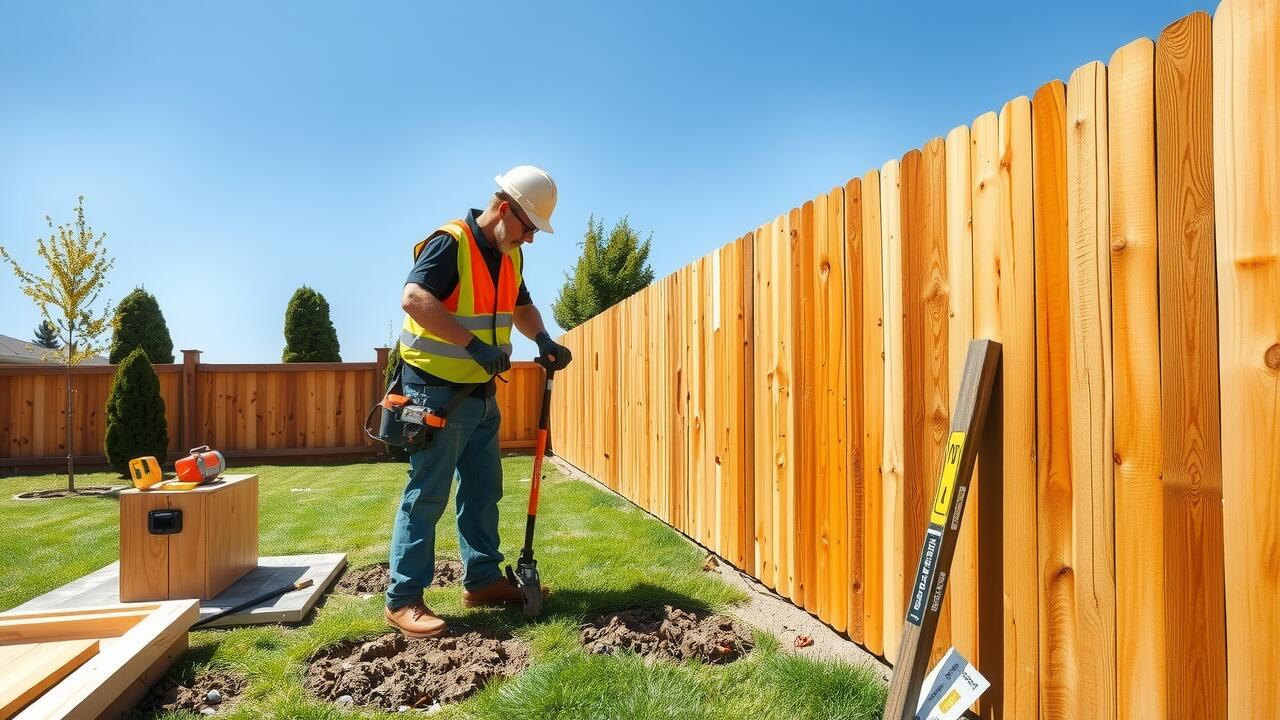
- Assessing the Condition: Both neighbors should agree that the existing fence is beyond repair and requires replacement.
- Joint Decision-Making: Similar to erecting a new fence, both neighbors should be involved in the decision-making process for the replacement fence, including style, materials, and contractor selection.
- Cost Division: The standard expectation is a 50/50 split of the replacement cost.
- Disputes Over Replacement: If one neighbor believes the fence is fine and the other insists on replacement, the neighbor wanting the new fence may have to bear the full cost unless they can prove the existing fence is unsafe or encroaching. However, legal recourse for this is complex and often not worth the expense.
Scenario 3: One Neighbor Builds a Fence on Their Property Line (Not the Boundary)
This is where complications often arise. If a neighbor decides to build a fence entirely on their own property, a few feet away from the actual boundary line, they are generally not obligated to involve or seek contribution from their neighbor. The fence is considered their private improvement.
However, this can lead to issues:
- Misunderstandings: The neighbor might believe the fence is on the boundary, leading to confusion.
- Aesthetics: A fence that isn’t on the line might look odd or create an unintended visual division.
- Lost Benefit: The neighboring property doesn’t directly benefit from a fence solely on the other’s land.
In such cases, the cost is typically borne entirely by the homeowner who erected the fence. It’s crucial to know your exact property line before undertaking any fencing project. Hiring a land surveyor can definitively establish property boundaries and prevent such disputes.
When Agreement Isn’t Reached: Legal Options and Considerations
When neighbors cannot agree on the necessity, style, or cost-sharing of a fence, the situation can escalate. California law provides some recourse, but it’s often a last resort.
The “Cost of the Fence” Default
If one neighbor proceeds to build a fence without the consent or agreement of the other, they may not be able to compel the other neighbor to contribute financially, especially if the fence is deemed unnecessary or not a “good neighbor” fence. However, if the fence is clearly on the boundary line and provides a clear benefit to both properties, the builder might have legal grounds to seek contribution after the fact, although this can be a difficult and contentious legal process. The law generally prefers proactive agreement.
Trespassing and Encroachment
A significant legal issue arises if a fence is built on the neighbor’s property without permission. This constitutes trespassing and encroachment, and the offending neighbor can be forced to remove the fence at their own expense and may even be liable for damages. A property survey is paramount in avoiding this.
Mediation and Arbitration
Before resorting to expensive litigation, neighbors are often encouraged to pursue alternative dispute resolution methods.
- Mediation: A neutral third party (mediator) helps the neighbors communicate and find a mutually agreeable solution. This is a non-binding process.
- Arbitration: A neutral third party (arbitrator) hears both sides and makes a binding decision. This is a more formal process than mediation but less formal and usually less expensive than court.
Litigation
If all else fails, a lawsuit can be filed. This is typically a time-consuming and costly endeavor. The court will examine the facts, including property surveys, evidence of benefit, and the reasonableness of costs. The outcome can be unpredictable, and even if successful, the legal fees can outweigh the cost of the fence itself. Therefore, litigation is generally discouraged as the first course of action.

Practical Tips for Smooth Neighborly Fencing
Maintaining good relationships with neighbors is often more valuable than winning a fence dispute. Here are some tips for a smoother process:
- Open Communication: Start talking early and often. Clearly express your needs and listen to your neighbor’s concerns.
- Be Proactive: Don’t wait until a fence is falling down or a dispute has already erupted. Initiate discussions about boundary maintenance well in advance.
- Know Your Boundaries: Obtain a property survey if there is any doubt about where your property line lies. This is an investment that can prevent significant future headaches.
- Research Local Ordinances: Some cities or counties may have specific regulations regarding fences, such as height restrictions, material types, or setback requirements.
- Get Multiple Quotes: Obtain bids from several reputable fencing companies. This ensures you are getting a fair price and allows your neighbor to review the costs openly.
- Consider a Fence on the Line: Fences built directly on the property line are generally considered to serve both parties. Fences built entirely on one’s own property are usually the sole responsibility of the builder.
- Document Everything: Keep records of all communications, estimates, invoices, and agreements. A simple written agreement signed by both parties can save a lot of trouble.
- Be Willing to Compromise: You may not get exactly the fence you envisioned, and neither may your neighbor. Finding a middle ground is often the most practical solution.
- Respect Privacy: While a fence offers privacy, remember that the boundary line is shared. Ensure your fence design respects reasonable privacy needs for both properties.
In conclusion, while California law generally favors shared responsibility for fences that benefit adjoining properties, proactive communication, a willingness to compromise, and a clear understanding of property lines are the most effective tools for navigating fence costs between neighbors. By fostering a spirit of cooperation, homeowners can ensure their fencing projects enhance their properties without damaging neighborly relationships.
LifeOutOfTheBox is a participant in the Amazon Services LLC Associates Program, an affiliate advertising program designed to provide a means for sites to earn advertising fees by advertising and linking to Amazon.com. Amazon, the Amazon logo, AmazonSupply, and the AmazonSupply logo are trademarks of Amazon.com, Inc. or its affiliates. As an Amazon Associate we earn affiliate commissions from qualifying purchases.