
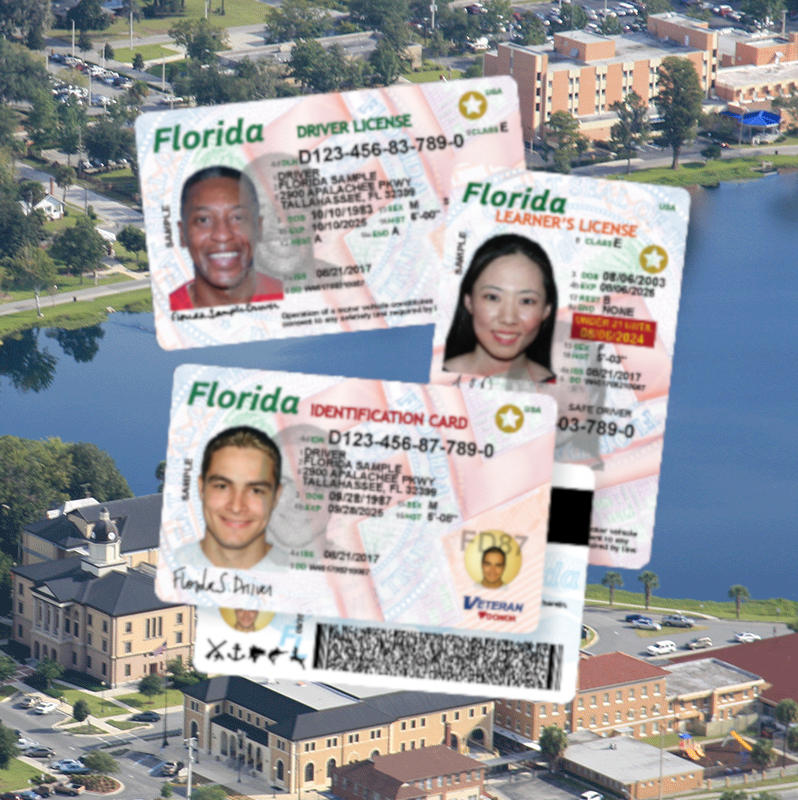
Obtaining a Commercial Driver’s License (CDL) in Florida is a significant step for anyone aspiring to operate heavy or large vehicles professionally. This license is not just a permit; it’s a gateway to numerous career opportunities within the transportation and logistics industries, from long-haul trucking to local delivery services. The process, while structured, requires careful attention to detail, dedicated preparation, and adherence to the Florida Department of Highway Safety and Motor Vehicles (FLHSMV) regulations. This guide will navigate you through the essential steps, requirements, and considerations for earning your CDL in the Sunshine State.
Understanding CDL Classifications and Endorsements
Before embarking on the application process, it’s crucial to understand the different classes of CDLs and the various endorsements that may be necessary for specific driving roles. The Federal Motor Carrier Safety Administration (FMCSA) and state authorities categorize CDLs based on the weight of the vehicle and the type of operation.
CDL Classes
- Class A CDL: This is required for drivers who operate a combination vehicle with a gross combination weight rating (GCWR) of 26,001 pounds or more, provided the gross vehicle weight rating (GVWR) of the vehicle(s) being towed is in excess of 10,000 pounds. This typically includes tractor-trailers.
- Class B CDL: This is for drivers who operate a single vehicle with a GVWR of 26,001 pounds or more, or a vehicle towing a trailer weighing 10,000 pounds or less. Examples include straight trucks and dump trucks.
- Class C CDL: This is for vehicles that do not meet the definition of Class A or Class B but are designed to transport 16 or more occupants (including the driver), or are transporting hazardous materials that require placarding. This often includes larger passenger vans and smaller hazardous material transport vehicles.
Essential Endorsements
Beyond the general class, certain endorsements are mandatory for operating specific types of commercial vehicles or transporting certain goods. These endorsements signify that you have passed an additional test demonstrating your knowledge and skills in that area. Common endorsements include:
- H Endorsement (Hazardous Materials): Required for drivers transporting hazardous materials in quantities that require placarding. This involves a rigorous background check and a written knowledge test.
- P Endorsement (Passenger): Necessary for drivers who operate vehicles designed to transport 15 or more passengers (including the driver). This includes school buses, transit buses, and charter buses.
- S Endorsement (School Bus): A specialized endorsement for individuals driving school buses. This often involves additional training and background checks.
- N Endorsement (Tank Vehicle): Required for drivers operating vehicles designed to haul liquids or gaseous materials in bulk, such as tank trucks or tank trailers.
- T Endorsement (Double/Triple Trailers): Required for drivers who operate vehicles pulling double or triple trailers.
Eligibility Requirements for a Florida CDL
To be eligible for a CDL in Florida, applicants must meet several prerequisite conditions established by the FLHSMV. These requirements ensure that all CDL holders possess the necessary qualifications for safe commercial driving.
General Eligibility Criteria
- Age: Applicants must be at least 18 years old to obtain a CDL for intrastate commerce (driving within Florida only). To drive a commercial vehicle in interstate commerce (crossing state lines), drivers must be at least 21 years old.
- Valid Driver’s License: You must possess a valid, non-commercial Florida driver’s license before applying for a CDL.
- Social Security Number: A valid Social Security number is required for all CDL applications.
- Proof of Florida Residency: Applicants must provide proof of their residential address in Florida. Acceptable documents include utility bills, rental agreements, or bank statements.
- Medical Examination: All CDL applicants must pass a DOT (Department of Transportation) physical examination administered by a certified medical examiner. This ensures you meet the physical qualifications necessary for commercial driving. The examiner will issue a Medical Examiner’s Certificate, which must be submitted to the FLHSMV.
Medical Qualifications
The medical examination is a critical component of the CDL application process. The certified medical examiner will assess your vision, hearing, blood pressure, and overall health to determine if you can safely operate a commercial vehicle. Certain medical conditions, such as uncontrolled diabetes, heart conditions, or certain vision impairments, may disqualify an applicant. It is advisable to consult with a medical examiner early in the process to understand any potential health-related hurdles.
The CDL Application and Testing Process
Once you have confirmed your eligibility and gathered the necessary documentation, you can proceed with the formal application and testing phases. This typically involves a series of written and practical examinations.
Step 1: Obtain a Commercial Learner’s Permit (CLP)
The first formal step towards obtaining your CDL is to get a Commercial Learner’s Permit (CLP). To do this, you will need to:
- Visit a Florida Tax Collector’s Office or FLHSMV Service Center: You must apply in person.
- Pass the Vision and Written Knowledge Tests: You will take a vision test to ensure you meet the required standards. Then, you will undergo a written knowledge test covering general CDL information, specific vehicle types, and endorsements relevant to your intended career. The FLHSMV provides a Commercial Driver’s License Handbook, which is an indispensable study resource.
- Provide Required Documentation: Bring your valid Florida driver’s license, proof of Social Security number, proof of Florida residency, and your Medical Examiner’s Certificate.
- Pay Applicable Fees: There are fees associated with the CLP application and tests.
Upon successfully passing these tests and submitting all required documents, you will be issued a CLP. This permit allows you to practice driving commercial vehicles, but only under specific conditions: you must be accompanied by a fully licensed CDL holder who is qualified to operate the type of vehicle you are driving.
Step 2: Complete CDL Skills Training (Optional but Recommended)
While not always mandatory, completing a CDL skills training program at a reputable driving school is highly recommended. These programs provide comprehensive instruction on vehicle operation, safety procedures, and test-taking strategies, significantly increasing your chances of passing the CDL skills test on your first attempt. Many schools offer tailored programs for specific CDL classes and endorsements.
Step 3: Pass the CDL Skills Test
The CDL skills test is the final hurdle and is designed to assess your ability to operate a commercial vehicle safely. It consists of three parts:
- Pre-Trip Inspection: This involves thoroughly inspecting the vehicle you will be using for the test, identifying potential safety defects, and explaining what you are checking and why.
- Basic Vehicle Control: This section evaluates your ability to maneuver the vehicle in various controlled situations, such as backing into a parking space, turning, and general control of the vehicle’s dimensions.
- Road Test: This is the on-road portion where you will drive the commercial vehicle in actual traffic conditions. An examiner will observe your ability to safely operate the vehicle, follow traffic laws, and demonstrate defensive driving techniques.
To take the skills test, you must have held your CLP for at least 10 days and have completed the required skills training or practice driving. You will need to provide a properly registered and insured commercial vehicle that matches the class and type of CDL you are applying for.
Step 4: Finalize Your CDL Application
After successfully passing the CDL skills test, you will return to a Florida Tax Collector’s Office or FLHSMV Service Center to finalize your application. You will surrender your CLP, present your passing skills test score sheet, and pay the final CDL licensing fees. Your new CDL will be mailed to you.
Special Considerations for Hazardous Materials and Passenger Endorsements
Obtaining a Hazardous Materials (H) or Passenger (P) endorsement involves additional stringent requirements due to the inherent risks associated with these types of operations.
Hazardous Materials Endorsement
- Background Check: As part of the process for an H endorsement, you must undergo a Transportation Security Administration (TSA) background check, which includes fingerprinting and a criminal history review. This is a recurring requirement.
- Knowledge Test: You will need to pass a specific written knowledge test on hazardous materials regulations and safety protocols.
- Federal Compliance: Ensure you are familiar with all federal regulations pertaining to the transportation of hazardous materials, including placarding requirements, emergency response information, and securement of cargo.
Passenger Endorsement
- Vehicle Inspection: Specific pre-trip inspection procedures apply to passenger-carrying vehicles, focusing on safety features like emergency exits, communication systems, and passenger restraints.
- Road Test Nuances: The road test for a P endorsement may include scenarios specific to passenger transport, such as safely maneuvering in urban environments and managing passenger boarding and disembarking.
- Driver Conduct: Drivers with a P endorsement are held to a high standard of professionalism and passenger safety.
Maintaining Your Florida CDL
Once you have your CDL, there are ongoing responsibilities to ensure its validity and your compliance with regulations.
Medical Certification Updates
You are required to maintain an up-to-date Medical Examiner’s Certificate on file with the FLHSMV. Failure to do so can lead to the downgrade or cancellation of your CDL. It’s essential to schedule your medical re-examinations well in advance of your current certificate’s expiration.
Renewal Process
CDLs in Florida are typically valid for six years. You will receive a renewal notice from the FLHSMV before your expiration date. The renewal process usually involves visiting a Tax Collector’s office or FLHSMV Service Center, passing a vision test, and paying the renewal fees. If you have any endorsements that require periodic retesting (like the H endorsement), ensure those are also up-to-date.
Record Keeping
Maintain good driving records. Traffic violations, especially those involving commercial vehicles, can have severe consequences for your CDL status, including suspension or revocation. Understanding and adhering to the FMCSA’s Hours of Service regulations is also paramount to safe and legal operation.
Earning your Commercial Driver’s License in Florida is a rewarding endeavor that opens doors to a stable and in-demand career. By understanding the requirements, preparing diligently for the tests, and committing to safe driving practices, you can successfully navigate the path to becoming a licensed commercial driver and contribute to the vital flow of goods and people across the state and beyond.
LifeOutOfTheBox is a participant in the Amazon Services LLC Associates Program, an affiliate advertising program designed to provide a means for sites to earn advertising fees by advertising and linking to Amazon.com. Amazon, the Amazon logo, AmazonSupply, and the AmazonSupply logo are trademarks of Amazon.com, Inc. or its affiliates. As an Amazon Associate we earn affiliate commissions from qualifying purchases.