
When planning a trip to Daytona Beach, Florida, understanding its weather patterns is paramount to ensuring a memorable and enjoyable experience. This vibrant coastal city, renowned for its famous raceway and expansive shores, boasts a tropical savanna climate, characterized by warm temperatures year-round and distinct wet and dry seasons. Whether you’re a sun-seeker, a motorsports enthusiast, or a family looking for beachside fun, the weather will undoubtedly play a significant role in your itinerary.
Understanding Daytona Beach’s Climate
Daytona Beach experiences a subtropical climate, which translates to hot, humid summers and mild, pleasant winters. The proximity to the Atlantic Ocean significantly moderates its temperatures, preventing extreme highs and lows that might be found further inland. The city is part of the larger climate zone of Central Florida, which is influenced by the Gulf Stream and prevailing easterly winds. These winds often bring moisture from the ocean, contributing to the region’s rainfall patterns.
Seasonal Breakdown
-
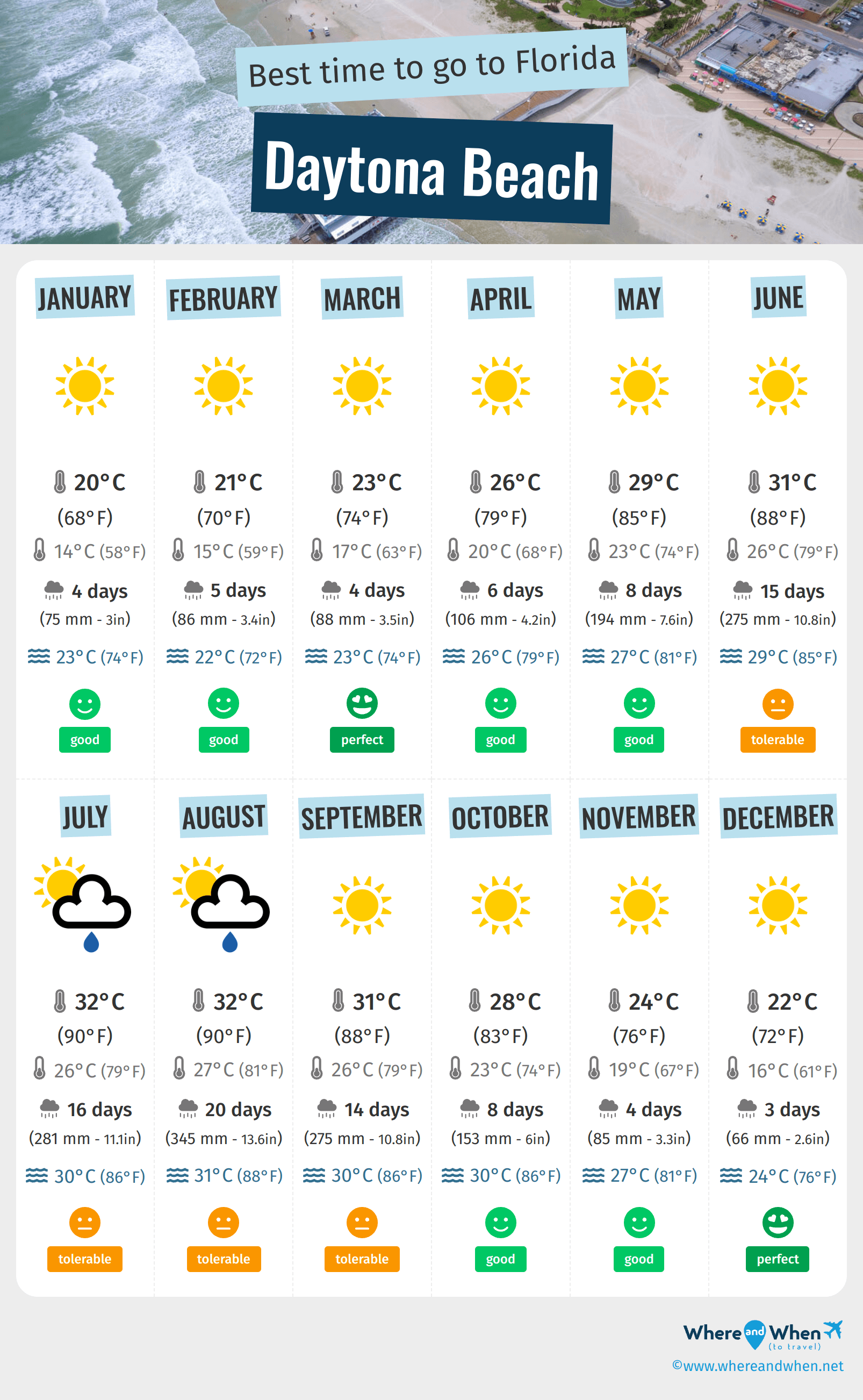
Summer (June – August): These months are characterized by high temperatures and humidity. Daytime highs typically range from the upper 80s to the low 90s Fahrenheit (around 31-33°C), with “feels like” temperatures often exceeding 100°F (38°C) due to the humidity. Thunderstorms are a frequent occurrence, usually developing in the afternoon or early evening. These storms can be intense but are often short-lived, bringing welcome relief from the heat. Hurricane season also officially begins in June and runs through November, though the peak activity is typically from August to October. Visitors should stay informed about tropical weather advisories during this period.
-
Autumn (September – November): As the summer heat begins to wane, autumn in Daytona Beach offers some of the most pleasant weather of the year. September can still be quite warm and humid, with lingering chances of tropical activity. However, by October and November, temperatures become milder, with average highs in the mid-70s to low 80s Fahrenheit (24-28°C). Humidity decreases, and the skies are often clear and sunny. This makes it an ideal time for outdoor activities, including enjoying the beaches and attending events at the Daytona International Speedway.
-
Winter (December – February): Daytona Beach winters are mild and inviting. While not tropical in the way summer is, temperatures rarely drop to freezing. Average daytime highs are in the 60s and low 70s Fahrenheit (15-22°C), with occasional cooler fronts bringing temperatures down into the 50s (10-15°C) for a few days. The air is generally dry, and sunshine is abundant. This season is perfect for exploring the city’s attractions without the oppressive heat and humidity of the summer months. It’s also a popular time for snowbirds escaping colder climates.
-
Spring (March – May): Spring in Daytona Beach offers a gradual transition from the mild winter to the hot summer. March and April are typically beautiful months with average highs in the 70s Fahrenheit (21-25°C) and comfortable humidity levels. As May approaches, temperatures begin to climb, reaching into the 80s (27-31°C), and humidity starts to increase, signaling the approach of summer. Spring is a popular time for visitors due to the pleasant weather and the start of many outdoor events.
Impact on Travel and Activities
The weather in Daytona Beach directly influences the types of activities you can enjoy and the best times to visit.
Beach and Outdoor Pursuits
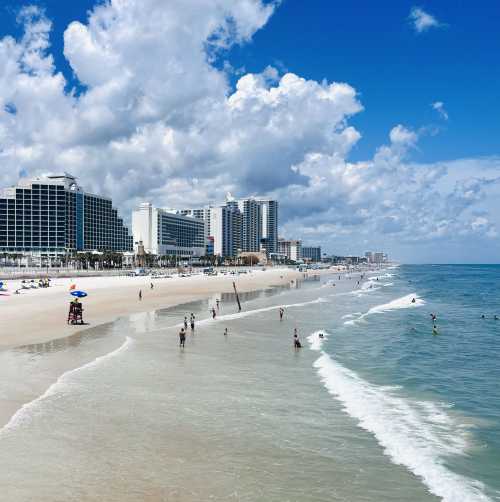
The most iconic aspect of Daytona Beach is its expansive shoreline, which allows driving on the beach in designated areas. For beachgoers, the summer months, despite the heat and humidity, offer the longest daylight hours for sunbathing, swimming, and watersports. However, the intense sun and frequent thunderstorms might necessitate flexibility in plans. The shoulder seasons of spring and fall are often considered ideal for beach activities, offering warm, sunny days with lower humidity and fewer crowds. Winter provides a more relaxed beach experience, perfect for leisurely walks, shell collecting, and enjoying the cooler ocean breeze without the need for constant shade.
Motorsports at Daytona International Speedway
For fans of NASCAR and other racing events held at the Daytona International Speedway, understanding the weather is crucial. Major races, such as the Daytona 500, are typically held in February. The winter weather at this time is generally pleasant, with average highs in the 70s Fahrenheit (21-25°C), making it comfortable for spectators. However, like any Florida event, there’s always a chance of rain, which can lead to delays or cancellations, so checking forecasts and having rain gear is advisable. Other major events throughout the year will have their own weather considerations, with summer races potentially being very hot and humid.
Exploring Local Attractions
Daytona Beach offers a variety of attractions beyond the beach and speedway. The Daytona Beach Boardwalk & Pier is a lively hub of activity with amusement rides, shops, and eateries. This area is best enjoyed during pleasant weather, making spring and fall particularly suitable. Museums like the Congo River Golf and the Congo River Expedition offer indoor and outdoor fun, while historical sites and natural areas provide opportunities for exploration. Even during warmer months, afternoon thunderstorms often pass quickly, allowing for continued exploration after a brief respite.
Preparing for Florida Weather
Regardless of the season, some general preparations are always recommended when visiting Daytona Beach.
Sun Protection
The Florida sun is intense year-round, even on cloudy days. It’s essential to pack and use high-SPF sunscreen, hats, and sunglasses. Staying hydrated is also critical, especially during the warmer months.
Hydration and Comfort
Carry a reusable water bottle to stay hydrated. Light, breathable clothing made from natural fibers like cotton and linen is ideal for the humid climate. Even in winter, it’s wise to pack a light jacket or sweater for cooler evenings or air-conditioned spaces.
Rain Gear
Given the propensity for sudden, brief thunderstorms, especially in the summer and fall, a lightweight, packable umbrella or a rain jacket is a wise addition to your packing list. These can also provide protection from unexpected drizzles during other times of the year.
Staying Informed
Before and during your trip, regularly check the weather forecast for Daytona Beach. Reputable weather apps and websites can provide real-time updates, including severe weather alerts and hurricane advisories. This will allow you to adjust your plans accordingly and make the most of your time in this dynamic coastal destination.
Microclimates and Regional Influences
While Daytona Beach generally follows the typical Central Florida weather patterns, minor variations can occur. Proximity to the Atlantic can sometimes lead to sea breezes that offer a slight cooling effect on the immediate coast, even when inland areas feel hotter. Conversely, during periods of offshore winds, humidity can increase. The city is also part of a region susceptible to weather systems moving across the southeastern United States, so staying informed about broader meteorological conditions is always beneficial.
Hurricane Preparedness
As mentioned, Daytona Beach is located in a hurricane-prone region. While direct hits are infrequent, the possibility necessitates awareness. Hurricane season runs from June 1st to November 30th, with the most active period typically from August through October. Visitors planning trips during these months should monitor weather advisories, understand evacuation routes, and consider travel insurance that covers weather-related disruptions. Hotels in the area often have robust emergency plans in place, and it’s advisable to familiarize yourself with their procedures.

Conclusion: Embrace the Sunshine State’s Climate
Daytona Beach, Florida, offers a desirable climate for much of the year, attracting visitors with its warm sunshine and coastal charm. By understanding the seasonal nuances—from the sultry summers and mild winters to the pleasant spring and fall—you can better plan your activities, pack appropriately, and ensure a seamless and enjoyable visit to this iconic Florida destination. Whether you’re drawn by the roar of engines at the speedway or the calming rhythm of the waves on the shore, embracing the Sunshine State’s climate will undoubtedly enhance your Daytona Beach experience.
LifeOutOfTheBox is a participant in the Amazon Services LLC Associates Program, an affiliate advertising program designed to provide a means for sites to earn advertising fees by advertising and linking to Amazon.com. Amazon, the Amazon logo, AmazonSupply, and the AmazonSupply logo are trademarks of Amazon.com, Inc. or its affiliates. As an Amazon Associate we earn affiliate commissions from qualifying purchases.