
Embarking on a new chapter in the Lone Star State, whether for an extended vacation, a business relocation, or making Texas your permanent home, often involves a crucial step: obtaining a Texas Driver’s License. Far more than just a permit to drive, this vital document serves as a cornerstone for establishing your lifestyle, facilitating seamless travel, and ensuring you can fully immerse yourself in the rich culture and diverse attractions that Texas offers. From navigating bustling city streets to embarking on epic road trips through stunning landscapes, a Texas Driver’s License unlocks unparalleled freedom and convenience.
For anyone planning a long-term stay, whether in a cozy apartment in Austin, a sprawling ranch near Dallas, or a coastal retreat on South Padre Island, acquiring a local driver’s license becomes a practical necessity. It simplifies everything from checking into hotels and resorts to opening bank accounts, and even provides essential identification when exploring Texas’ world-class landmarks and tourism offerings. This comprehensive guide will walk you through the entire process, ensuring a smooth transition as you prepare to experience all the wonders of Texas firsthand.
Eligibility and Essential Documentation: Your First Steps to Driving in Texas
Before you even consider stepping foot into a Texas Department of Public Safety (DPS) office, understanding the eligibility requirements and meticulously gathering the necessary documents is paramount. This initial preparation phase is crucial for avoiding delays and ensuring a streamlined application process. Texas, like all states in the United States, has specific criteria designed to verify your identity, residency, and legal status.
Who Can Apply and Age Requirements
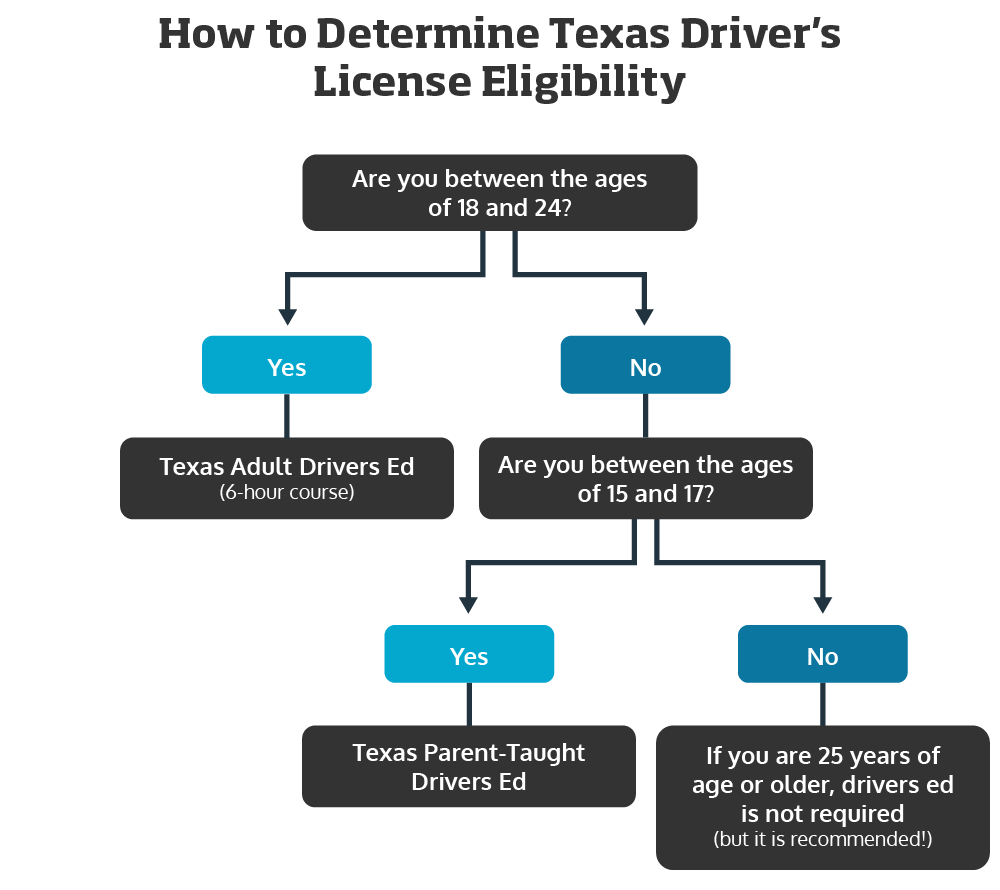
Generally, to obtain a standard Class C non-commercial Texas Driver’s License, applicants must be at least 18 years old. For individuals under 18, there are specific graduated driver’s license programs that involve provisional licenses and additional requirements, such as completing driver education courses. However, for the purpose of this guide, we’ll focus primarily on adult applicants, typically those establishing residency in Texas for travel, work, or lifestyle changes.
New residents moving to Texas from another U.S. state have 90 days after establishing residency to obtain a Texas Driver’s License. This timeframe is generous, allowing you to settle into your accommodation, whether it’s a long-term rental or a temporary stay at a serviced apartment, before tackling the licensing process. For international visitors or those with foreign licenses, the rules can be more nuanced. While some foreign licenses may be valid for a short period, establishing residency will necessitate obtaining a Texas license.
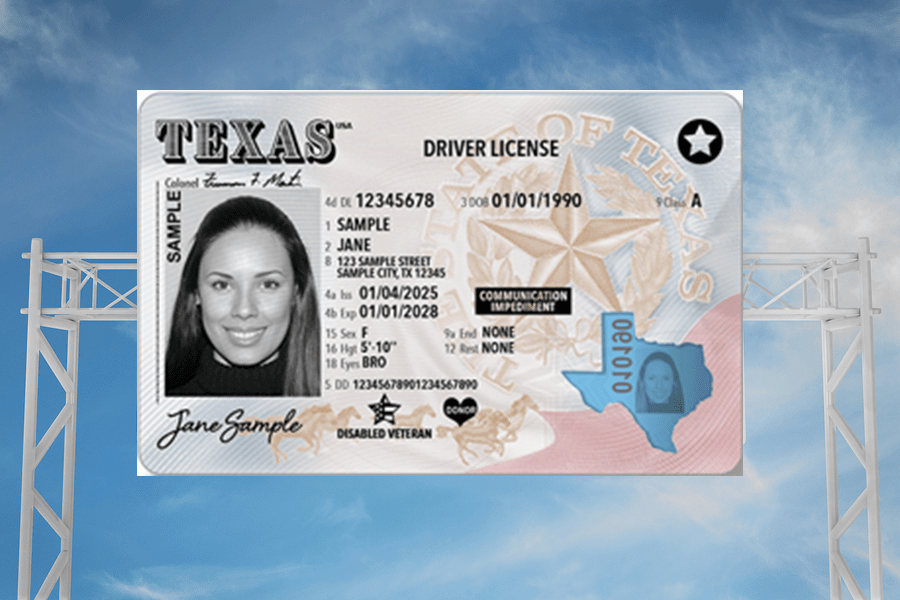
The Critical Document Checklist
The Texas Department of Public Safety requires several categories of documents to prove your eligibility. It’s highly recommended to bring original documents, as copies are often not accepted.
-
Proof of Identity: This is arguably the most critical component. Acceptable documents include:
- A U.S. passport or passport card.
- A U.S. birth certificate.
- A foreign passport with a U.S. visa and I-94 (Arrival/Departure Record).
- A U.S. Citizenship and Immigration Services (USCIS) document (e.g., Green Card, Employment Authorization Document).
- An unexpired out-of-state driver’s license or ID card (for transfers).
-
Proof of U.S. Citizenship or Lawful Presence: For non-citizens, this verifies your legal right to reside in the United States. This often overlaps with identity documents but may require additional paperwork from USCIS.
-
Proof of Texas Residency: This category is vital for demonstrating that you genuinely live in Texas. You’ll typically need two different documents from a specific list, showing your name and current Texas address. Examples include:
- A current utility bill (electricity, water, natural gas, internet, cable TV).
- A current rental lease agreement or mortgage statement for your Texas accommodation.
- A homeowner’s or renter’s insurance policy.
- A selective service card.
- A medical card or bill.
- A current bank statement.
- A valid Texas voter registration card.
- Mail from a government agency.
- Tip for Newcomers: If you’ve just moved and don’t have utility bills yet, a lease agreement combined with a bank statement or a recent pay stub showing your Texas address can often suffice. If you’re staying in a long-term hotel or extended-stay apartment, check if they can provide a letter verifying your residency.
-
Proof of Social Security Number (SSN): You will need your physical Social Security card. If you don’t have an SSN, you may still be able to apply if you meet specific criteria and prove ineligibility.
-
Proof of Vehicle Registration and Insurance: If you own a vehicle, you’ll need to show proof of current Texas vehicle registration and liability insurance. If you don’t own a car, you will sign an affidavit stating you don’t own a registered vehicle. This is important for those planning to rent cars for travel or business after getting their license.
Always check the official Texas DPS website for the most up-to-date and comprehensive list of acceptable documents before your visit. Over-preparing is always better than being turned away!
Navigating the Application Process: From Office Visit to Driving Test
Once your documents are in order, the next phase involves the actual application process at a DPS office. This multi-step journey requires patience, attention to detail, and a readiness to demonstrate your knowledge and skills.
Scheduling Your Appointment and Initial Application
While walk-ins are sometimes accepted, especially in smaller towns, it is highly recommended to schedule an appointment online via the Texas DPS website. This will save you considerable waiting time, which can be particularly useful if you’re on a tight schedule exploring Dallas’ arts district or enjoying a weekend getaway.
When you arrive at your scheduled time, you will:
- Complete the Driver License Application Form: This form will ask for personal information, residency details, and medical history questions relevant to safe driving.
- Pay the Application Fee: The fee for a Class C non-commercial driver’s license typically covers the entire process, including the written and driving tests. Check the DPS website for current fees.
- Provide Fingerprints: For identity verification.
- Have Your Photo Taken: This will be the photo on your license, so prepare accordingly!
- Pass a Vision Test: You’ll need to demonstrate adequate eyesight, often with or without corrective lenses, to ensure you can safely navigate Texas roads.
The Knowledge and Driving Tests
The heart of the application process involves proving your understanding of Texas traffic laws and your ability to drive safely.
The Knowledge Test
The knowledge test (also known as the written test) assesses your understanding of road signs, traffic laws, and safe driving practices in Texas. It’s typically administered on a computer. To prepare, study the official Texas Driver Handbook, which is available for free online on the DPS website. This handbook is an invaluable resource, packed with information essential for anyone planning road trips to Big Bend National Park or navigating the intricate highway systems around Houston. Many online practice tests are also available to help you familiarize yourself with the format and types of questions.
The Driving Test
Once you’ve passed the knowledge test, you’ll proceed to the driving test (also known as the road test or behind-the-wheel test). For this, you must:
- Provide a Vehicle: The vehicle must be insured, registered, and in good working condition. The examiner will typically check lights, horn, turn signals, and brakes before the test begins.
- Be Accompanied by a Licensed Driver: If you don’t have an existing driver’s license, you’ll need someone with a valid license to drive the vehicle to the DPS office.
- Demonstrate Driving Proficiency: The examiner will evaluate your ability to safely operate a vehicle, including turns, lane changes, parking (often parallel parking), stopping, starting, and obeying all traffic laws and signs. The test usually lasts about 15-20 minutes and takes place on public roads.
Passing the driving test is a momentous occasion, signaling your readiness to explore the vastness of Texas on your own terms.
Temporary License and Receiving Your Permanent Card
Upon successfully completing all requirements—document verification, vision test, knowledge test, and driving test—you will be issued a temporary driver’s license. This paper document is valid immediately and allows you to legally drive in Texas while you await your permanent card. Your official, photo-embedded Texas Driver’s License will then be mailed to your provided Texas address, typically within 2-3 weeks. This card is not only your driving permit but also a widely accepted form of identification, invaluable for everything from checking into resorts to verifying your age at local establishments.
Life with a Texas Driver’s License: Travel, Tourism, and Lifestyle Freedom
Obtaining your Texas Driver’s License is more than just completing a bureaucratic process; it’s an investment in your freedom and ability to fully experience the dynamic lifestyle the state offers. With your license in hand, the possibilities for travel, tourism, and exploration become limitless.
Unlocking Texas Destinations and Landmarks
Texas is a state of immense geographical and cultural diversity, boasting everything from historic landmarks to sprawling natural parks. Your driver’s license is the key to unlocking these experiences:
- Historic Cities: Drive through the vibrant streets of San Antonio and visit the iconic Alamo or stroll along the picturesque Riverwalk. Explore the live music scene in Austin or the world-class museums in Houston.
- National Parks and Nature: Plan a multi-day road trip to Big Bend National Park, where rugged mountains meet desert landscapes, or discover the towering peaks of Guadalupe Mountains National Park.
- Coastal Escapes: Head to the Gulf Coast for beach relaxation, fishing, and watersports, with South Padre Island being a prime destination.
- Beyond the Borders: While primarily for Texas, your U.S. driver’s license is recognized throughout the United States and can even be used as identification for travel to neighboring countries like Mexico (often in conjunction with a passport) or Canada.
For those who love independent travel, having a Texas Driver’s License means you can easily rent a car from any major provider. This convenience is a game-changer for business travelers needing flexibility or families planning extensive itineraries.
Accommodation and Long-Term Stays
Your driver’s license also plays a significant role in accommodation and long-term stays. Many hotels, especially high-end resorts or those with advanced amenities, require a valid driver’s license or government-issued ID for check-in. For those pursuing long-term accommodation, such as signing a lease for an apartment or house, a Texas Driver’s License serves as a primary form of identification and proof of local residency, streamlining the application process. It simplifies everything from setting up utilities to securing local services, truly cementing your status as a Texas resident.
Embracing the Texas Lifestyle
The lifestyle in Texas is defined by its vastness, its vibrant communities, and the freedom to explore. Whether you’re planning family trips to theme parks, embarking on adventurous solo journeys, or simply navigating your daily commute, a Texas Driver’s License is an indispensable tool. It empowers you to participate fully in local culture, attend events, visit hidden gems, and truly make the most of your time in this magnificent state. It represents autonomy, mobility, and the assurance that you can responsibly and safely explore every corner of Texas.
In conclusion, obtaining a Texas Driver’s License is a structured process that, with careful preparation and understanding, can be remarkably smooth. It’s an essential step for anyone looking to build a life, enjoy extended travel, or simply embrace the unparalleled freedom of movement that defines the Texas experience. So gather your documents, brush up on your road signs, and prepare to hit the open roads of the Lone Star State!
LifeOutOfTheBox is a participant in the Amazon Services LLC Associates Program, an affiliate advertising program designed to provide a means for sites to earn advertising fees by advertising and linking to Amazon.com. Amazon, the Amazon logo, AmazonSupply, and the AmazonSupply logo are trademarks of Amazon.com, Inc. or its affiliates. As an Amazon Associate we earn affiliate commissions from qualifying purchases.