
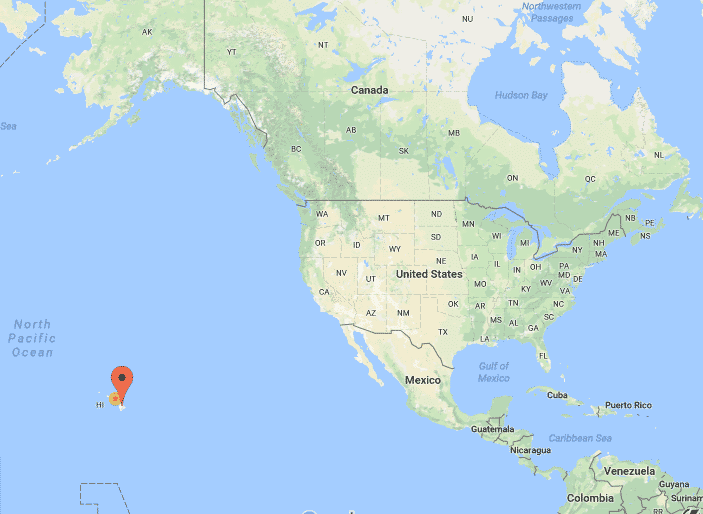
Embarking on a journey from the vibrant shores of California to the paradisiacal islands of Hawaii is a dream for many. Whether you’re planning a romantic getaway, a family vacation, an adventurous solo trip, or a relaxing escape, understanding the logistics of your travel is key to a seamless experience. The vast expanse of the Pacific Ocean separates the mainland United States from this island paradise, making the flight a significant part of the adventure. The question “How long is the flight to Hawaii from California?” is one of the most common inquiries for prospective travelers. The simple answer typically ranges from 5 to 6 hours for a direct flight, but this can vary based on several crucial factors. This comprehensive guide will delve into these details, offering insights into average flight times, what influences them, how to prepare for your journey, and what glorious experiences await you in the Aloha State.

The Core Journey: Flight Times from California to Hawaii
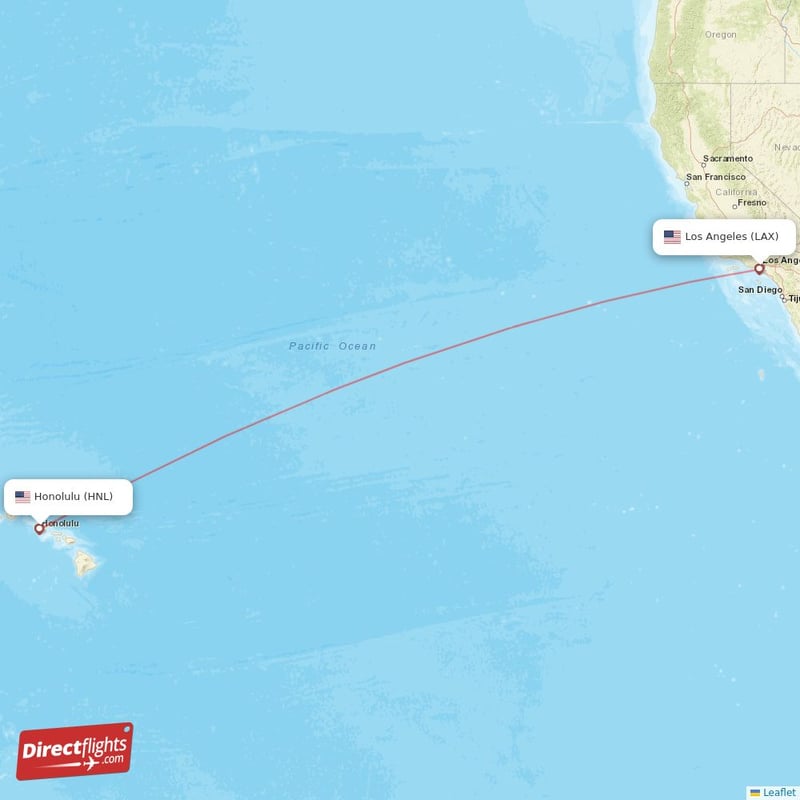
The flight across the Pacific Ocean is a bridge between two distinct worlds. For travelers departing from California, the journey to Hawaii represents a relatively short long-haul flight, especially when compared to international trips to other continents. While 5 to 6 hours is the general benchmark, precision depends on your departure city in California and your arrival island in Hawaii.
Average Flight Durations by Departure City
California boasts several major international airports that serve as primary departure points for flights to Hawaii. The flight duration will naturally differ slightly based on the geographical distance from these departure points to the various Hawaiian islands.
- From Los Angeles (LAX): Flights from Los Angeles International Airport (LAX) are among the most frequent and often the shortest. A direct flight to Honolulu, Oahu, typically takes around 5 hours and 20 minutes to 5 hours and 45 minutes. Journeys to Maui (Kahului Airport – OGG) or the Big Island (Kona International Airport – KOA) might be similar or slightly longer, usually within the 5-hour and 30-minute to 6-hour range.
- From San Francisco (SFO): Flights departing from San Francisco International Airport (SFO) are also very popular. The flight duration to Honolulu is generally 5 hours and 30 minutes to 6 hours. Similar times apply for direct flights to Maui or the Big Island.
- From San Diego (SAN): Travelers from San Diego International Airport (SAN) can expect direct flights to Honolulu to be in the range of 5 hours and 45 minutes to 6 hours and 15 minutes.
- From Oakland (OAK) and San Jose (SJC): These Bay Area airports, Oakland International Airport (OAK) and San Jose Mineta International Airport (SJC), also offer direct routes. Flight times are typically consistent with those from San Francisco, ranging from 5 hours and 40 minutes to 6 hours and 10 minutes to Honolulu.
- From Sacramento (SMF): While offering fewer direct options, flights from Sacramento International Airport (SMF) to Hawaii typically fall within the 6 to 6 hours and 30 minutes timeframe.
It’s important to note that these times are for direct, non-stop flights. Flights with layovers will naturally extend your total travel time significantly.
Factors Influencing Flight Length
While the geographical distance is the primary determinant, several other factors can subtly influence the actual duration of your flight:
- Tailwinds and Headwinds: The Pacific Ocean is known for its powerful jet streams. When flying westward from California to Hawaii, airplanes often encounter headwinds, which can slightly increase flight duration. Conversely, the return journey eastward often benefits from tailwinds, potentially shortening the flight by 30 minutes to an hour.
- Aircraft Type: Different aircraft models have varying cruising speeds. Larger, more modern planes might shave a few minutes off the journey compared to older or smaller models.
- Air Traffic Control: While less impactful on such a long-haul route, air traffic control patterns and potential delays at busy airports can occasionally affect overall travel time, though usually by minimal amounts in the air itself.
- Specific Hawaiian Island: As mentioned, flying to Oahu (Honolulu) might be marginally shorter than flying to Kauai (Lihue Airport – LIH) or the Big Island (Kona), simply due to the exact coordinates of each island.
Choosing Your Hawaiian Gateway: Major Airports and Airlines
Planning your trip involves more than just knowing the flight time; it also requires understanding the primary hubs and carriers that facilitate this journey. The choice of airport and airline can impact not only the convenience and cost but also the overall comfort of your travel experience.
Key Departure Hubs in California
California’s robust air travel infrastructure provides numerous options for reaching Hawaii. The most prominent gateways include:
- Los Angeles International Airport (LAX): As one of the busiest airports in the world, LAX offers the most frequent and diverse flight options to Hawaii. It’s a major hub for several airlines.
- San Francisco International Airport (SFO): Serving the San Francisco Bay Area, SFO is another critical departure point with excellent connectivity to all major Hawaiian islands.
- San Diego International Airport (SAN): Located further south, SAN offers convenient direct flights for travelers in Southern California.
- Oakland International Airport (OAK): A popular choice for budget-conscious travelers and those residing in the East Bay, OAK provides several direct routes.
- San Jose Mineta International Airport (SJC): Another Bay Area option, SJC serves the tech hub of Silicon Valley and offers competitive flight options.
- Sacramento International Airport (SMF): While less frequent, SMF offers direct flights, providing convenience for travelers in Northern California’s interior.
Primary Arrival Airports in Hawaii
Hawaii has several international airports, each serving a different island and offering a unique entry point to the archipelago:
- Daniel K. Inouye International Airport (HNL) in Honolulu, Oahu: This is the busiest airport in Hawaii and the primary gateway for most international and mainland flights. If your destination is Oahu (home to Waikiki Beach, Diamond Head, and Pearl Harbor), HNL will likely be your arrival point.
- Kahului Airport (OGG) on Maui: The second busiest airport, OGG serves the popular island of Maui, known for its stunning beaches, the Road to Hana, and the Maui Pineapple Tour.
- Kona International Airport (KOA) on the Big Island: Serving the western side of the Big Island, KOA is convenient for visitors exploring the coffee farms, Mauna Kea, and parts of Hawaii Volcanoes National Park.
- Hilo International Airport (ITO) on the Big Island: Located on the eastern side, ITO is another option for the Big Island, particularly for those interested in the lush rainforests and the other side of the Hawaii Volcanoes National Park.
- Lihue Airport (LIH) on Kauai: For those seeking the “Garden Isle” of Kauai with its dramatic Na Pali Coast, LIH is your direct entry point.
Major Airlines Serving the Route
A multitude of reputable airlines offer direct flights from California to Hawaii, providing options across various price points and service levels. Some of the most prominent carriers include:
- Hawaiian Airlines: As the flag carrier of Hawaii, Hawaiian Airlines offers an authentic island experience from the moment you board, with continuous service and inter-island connections.
- United Airlines: A major global carrier, United Airlines operates extensive routes from California to all major Hawaiian airports.
- Delta Air Lines: Known for its premium service, Delta Air Lines also offers frequent flights from California to various Hawaiian islands.
- American Airlines: Another one of the largest airlines, American Airlines provides numerous options for travelers seeking to fly to Hawaii.
- Southwest Airlines: With its unique open seating policy and two free checked bags, Southwest Airlines has become a popular choice for budget-conscious and family travelers.
- Alaska Airlines: Strong on the West Coast, Alaska Airlines offers competitive service and routes from California to Hawaii.
When booking, consider factors like baggage allowances, in-flight amenities, loyalty programs, and schedule flexibility to choose the best airline for your needs.
Optimizing Your Flight Experience: Tips for a Smooth Journey
A flight of 5 to 6 hours is long enough to warrant some preparation to ensure comfort and minimize travel fatigue. Planning ahead can transform your journey from a mere transit into a pleasant prelude to your Hawaiian adventure.
Best Time to Book and Travel
Timing is everything when it comes to travel.
- Booking: For the best fares, it’s generally advisable to book your flights 2-3 months in advance, especially if traveling during peak season (winter holidays, spring break, summer). Booking too early (more than 6 months out) or too late (within a few weeks) can often result in higher prices.
- Travel Season: Hawaii has two main seasons: peak season (mid-December to mid-April and summer) and shoulder season (late April to early June, and September to mid-December). Traveling during the shoulder season can offer lower airfares, fewer crowds, and often better deals on accommodation. However, Hawaii’s temperate climate makes it a year-round destination.
In-Flight Comfort and Entertainment
A 5-6 hour flight is manageable, but comfort is key.
- Seating: Consider splurging on extra legroom if available, especially if you’re tall or value space. Window seats offer views, while aisle seats provide easy access for stretching or restroom breaks.
- What to Wear: Dress in comfortable, loose-fitting layers. The cabin temperature can fluctuate, and layers allow you to adjust.
- Stay Hydrated: Air travel can be dehydrating. Drink plenty of water before and during your flight, and limit alcohol and caffeine.
- Snacks: While airlines offer snacks, bringing your own healthy options can keep hunger at bay and save money.
- Entertainment: Most airlines offer in-flight entertainment systems. However, downloading movies, TV shows, podcasts, or audiobooks on your devices beforehand ensures you have plenty to occupy yourself, even if Wi-Fi is spotty or unavailable. Don’t forget noise-canceling headphones for a truly immersive experience.
- Comfort Items: A neck pillow, eye mask, and earplugs can make a significant difference in your ability to relax or even catch some sleep.
Navigating Time Zones and Jet Lag
Hawaii operates on Hawaii Standard Time (HST), which does not observe Daylight Saving Time. This means there’s a significant time difference with California (Pacific Daylight Time – PDT or Pacific Standard Time – PST).
- Time Difference: During California’s Daylight Saving Time (roughly March to November), Hawaii is 3 hours behind PDT. During California’s Standard Time (roughly November to March), Hawaii is 2 hours behind PST.
- Minimizing Jet Lag: While the time difference isn’t as extreme as transcontinental flights, some mild jet lag can occur.
- Adjust Before You Go: Try to shift your sleep schedule slightly closer to Hawaiian time a few days before departure.
- Hydrate and Avoid Alcohol: As mentioned, this helps your body adjust.
- Embrace the Local Time: Upon arrival, immediately set your watch to Hawaii time. Try to get exposure to natural light and stay awake until local bedtime.
- Light Exercise: A walk on the beach or a swim can help reset your body clock and alleviate fatigue.
Beyond the Flight: What Awaits You in the Aloha State
Once you land and step off the plane, the warm, fragrant air of Hawaii will immediately envelop you. The journey doesn’t end at the airport; it truly begins as you explore the unique beauty and culture of each island.
Island Hopping and Local Transportation
Many visitors choose to experience more than one island.
- Inter-island Flights: Hawaiian Airlines and Southwest Airlines offer frequent short flights (20-45 minutes) between the major islands, making island hopping convenient. Book these in advance, especially during peak travel times.
- Rental Cars: For exploring each island thoroughly, a rental car is highly recommended. Book well in advance, as demand can be high, particularly on Maui and Kauai.
- Rideshares and Taxis: Available in larger areas like Honolulu and Kahului, but can be costly for extensive travel.
Preparing for Your Hawaiian Adventure (Culture, Activities, Accommodation)
Hawaii offers a rich tapestry of experiences, from thrilling adventures to serene relaxation.
- Local Culture and Etiquette: The Hawaiian culture is steeped in the “Aloha Spirit” – kindness, unity, pleasantness, humility, and patience. Be respectful of local traditions, sacred sites, and the natural environment. Learn a few basic Hawaiian phrases like “Aloha” (hello/goodbye/love) and “Mahalo” (thank you).
- Activities Galore: Whether you’re interested in surfing the legendary waves of the North Shore of Oahu, hiking through lush rainforests to hidden waterfalls on Maui, snorkeling in vibrant coral reefs, or witnessing the otherworldly volcanic landscapes of the Big Island at Hawaii Volcanoes National Park, there’s an activity for every type of traveler. Don’t forget iconic experiences like a luau, a sunrise trek up Haleakala, or a helicopter tour over the Na Pali Coast.
- Accommodation: Hawaii offers a wide range of accommodation options to suit every budget and lifestyle. From luxurious oceanfront resorts and boutique hotels to cozy vacation rentals, apartments, and budget-friendly villas, you’ll find the perfect place to unwind. Booking in advance is crucial, especially for specific resorts or popular areas, and can often secure better rates. Consider the amenities you desire, whether it’s a suite with a view, a resort with extensive facilities, or an apartment that offers a more local living experience.
Maximizing Your Stay: From Beaches to Volcanoes
To truly maximize your experience in Hawaii, consider your interests and allocate time accordingly.
- Beach Lovers: Hawaii boasts some of the world’s most beautiful beaches. Spend days lounging on the golden sands, swimming in the clear waters, or trying your hand at surfing or paddleboarding.
- Nature Enthusiasts: Explore the diverse landscapes, from the volcanic craters to the verdant valleys. Hiking trails abound, offering breathtaking views and encounters with unique flora and fauna.
- Cultural Immersions: Visit historical sites like Pearl Harbor, explore local markets, attend a traditional luau, or take a hula lesson to connect with the rich Polynesian heritage.
- Foodies: Savor the fresh, local cuisine, a fusion of Polynesian, Asian, and American influences. Try poke, fresh seafood, tropical fruits, and traditional dishes like kalua pig.
In conclusion, the flight from California to Hawaii is a relatively short and manageable journey, typically lasting 5 to 6 hours. This brief aerial transition opens the door to an unforgettable experience in one of the world’s most cherished destinations. By understanding the travel logistics, preparing for your flight, and embracing the unique offerings of each island, you’re well on your way to creating cherished memories in the captivating Aloha State.
LifeOutOfTheBox is a participant in the Amazon Services LLC Associates Program, an affiliate advertising program designed to provide a means for sites to earn advertising fees by advertising and linking to Amazon.com. Amazon, the Amazon logo, AmazonSupply, and the AmazonSupply logo are trademarks of Amazon.com, Inc. or its affiliates. As an Amazon Associate we earn affiliate commissions from qualifying purchases.