
Navigating the landscape of public assistance programs can often feel daunting, yet for many California residents, understanding and accessing these resources is crucial for maintaining a stable and healthy lifestyle. Among the most vital is the food assistance program, known as CalFresh in California. This program provides essential support to low-income individuals and families, ensuring they have the means to purchase nutritious food. Far from being a luxury, CalFresh is a lifeline that underpins the well-being of countless households, directly influencing their ability to thrive and contribute to their communities. This comprehensive guide will demystify the qualification process, offering clarity and actionable insights for those seeking to enhance their lifestyle through food security.
Understanding CalFresh: California’s Food Assistance Program
At its core, CalFresh is California’s implementation of the federal Supplemental Nutrition Assistance Program (SNAP), commonly known as food stamps. It’s designed to combat food insecurity and hunger by providing monthly benefits on an EBT Card (Electronic Benefit Transfer), which functions much like a debit card and can be used at most grocery stores and farmers’ markets. This program is not merely about financial aid; it’s about empowering individuals and families to make healthier food choices, which in turn leads to improved health outcomes, better academic performance for children, and greater overall life stability. For many, CalFresh is an indispensable component of their lifestyle management strategy, ensuring basic nutritional needs are met despite financial constraints.
What is CalFresh?
CalFresh is a federally funded, state-supervised, and county-operated program. Its primary objective is to supplement the food budget of eligible low-income individuals and families, allowing them to purchase fresh, nutritious food. By alleviating the burden of food costs, CalFresh indirectly frees up household income for other essential lifestyle expenses such as housing, utilities, and transportation. This integrated approach to support is vital for maintaining a balanced and sustainable lifestyle, especially in a high-cost-of-living state like California. The program contributes significantly to the health and economic stability of communities across the state.
The Goal of Food Assistance
The fundamental goal of food assistance programs like CalFresh extends beyond just putting food on the table. It aims to improve public health by reducing hunger and malnutrition, particularly among vulnerable populations like children, the elderly, and individuals with disabilities. From a lifestyle perspective, access to sufficient, healthy food can drastically reduce stress, improve mental clarity, and provide the energy needed for daily activities, work, and education. It fosters a sense of security and dignity, allowing individuals to focus on personal and professional growth rather than the constant worry of where their next meal will come from. This sense of stability is a cornerstone of a well-managed lifestyle.
Who Administers CalFresh?
While CalFresh operates under federal guidelines, its administration within California is managed by the California Department of Social Services (CDSS), with direct services provided by county human services agencies. This decentralized structure means that while the core rules are statewide, the application experience and specific county resources might vary slightly. Understanding the administrative layers helps applicants know where to direct their inquiries and how to navigate the system effectively. The CDSS provides oversight, training, and resources to ensure counties implement the program efficiently and equitably, making it accessible to all eligible residents of California.
Eligibility Criteria: Income and Household Composition
Qualification for CalFresh is primarily determined by a household’s income and composition. These criteria are designed to ensure that assistance is directed to those who need it most, aligning with the program’s goal of supporting vulnerable lifestyles. Understanding these thresholds is the first critical step in determining your eligibility.
Gross Income Limits
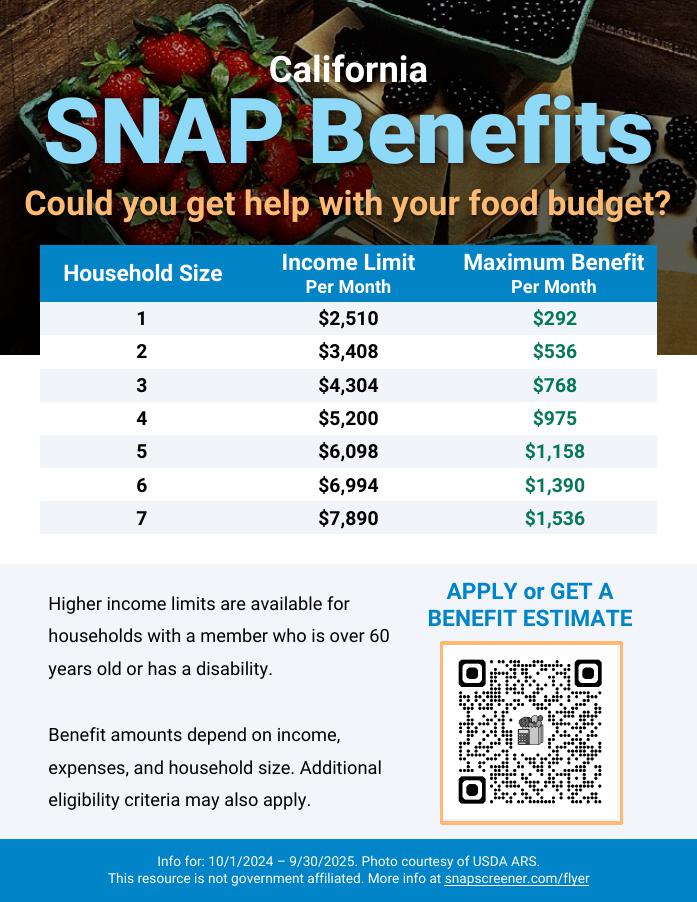
The primary income test for CalFresh eligibility is the gross income limit. For most households, gross monthly income (income before any deductions) must be at or below 200% of the Federal Poverty Level (FPL). However, there are nuances. Households with an elderly or disabled member typically have a slightly different threshold or are only subject to the net income test. These limits are updated annually and vary based on the number of people in the household. Meeting these gross income criteria is crucial for assessing if your household’s current financial lifestyle aligns with program requirements. It’s an initial screening to filter out households whose overall income levels suggest they may not require supplemental food assistance.
Net Income Limits
After passing the gross income test (if applicable), all households must also meet a net income test. Net income is calculated by taking your gross income and subtracting allowable deductions, such as a standard deduction, earned income deduction, dependent care costs, medical expenses for elderly/disabled members, and housing costs. Your household’s net monthly income must be at or below 100% of the FPL. This net income calculation provides a more accurate picture of a household’s disposable income, reflecting the true economic challenges faced after essential expenses are considered. This deeper dive into income allows the program to tailor support to lifestyles with genuine financial needs.
Household Definition
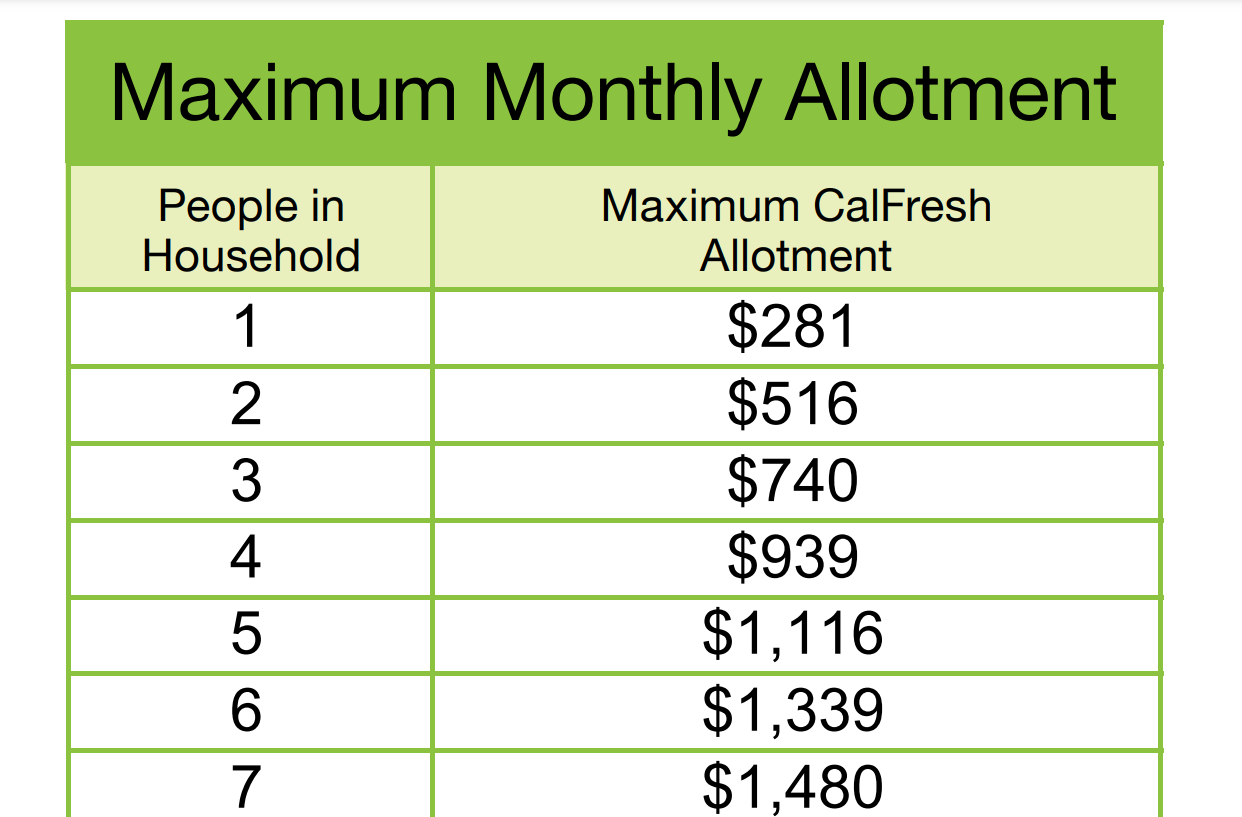
A “household” for CalFresh purposes isn’t just people living under the same roof; it generally refers to individuals who live together and customarily purchase and prepare food together. Spouses, children under 22 living with their parents, and foster children are typically considered part of the same household even if they purchase food separately. Understanding this definition is vital because the household size directly impacts income limits and the amount of benefits received. It ensures that all members who rely on the shared food budget are accounted for, reflecting the interdependent nature of many family lifestyles.
Specific Exclusions
Certain individuals, even if part of an otherwise eligible household, may be excluded from receiving CalFresh benefits. This includes most college students between the ages of 18 and 49 who are enrolled half-time or more, unless they meet specific exemptions (e.g., working 20 hours a week, caring for a dependent, or receiving disability benefits). Non-citizens without eligible immigration status are also excluded, though their presence in a household does not prevent other eligible members from receiving benefits. These exclusions ensure the program targets specific demographics and circumstances, aligning its support with predefined lifestyle needs.
Asset Limits and Special Conditions
Beyond income, CalFresh eligibility also considers a household’s assets, although these rules have become more lenient over time. There are also special provisions for certain demographics, acknowledging that some lifestyles face unique challenges.
General Asset Rules
For most households, there are no longer asset limits to qualify for CalFresh in California. This is a significant change aimed at simplifying the application process and ensuring that families are not penalized for having modest savings. However, for households that include an elderly or disabled member, there might be an asset limit of around $4,250. This typically includes accessible funds in bank accounts, cash, and certain investments. The philosophy here is to assess overall financial stability, ensuring that benefits go to those whose lifestyles genuinely lack sufficient resources.
Exempt Assets

Many assets are considered “exempt” and do not count towards any asset limit. These commonly include the home you live in, one vehicle per adult, most retirement accounts, and personal belongings. These exemptions are crucial because they acknowledge that owning a home or a car is often a necessity for maintaining a stable lifestyle, not an indicator of wealth that should disqualify someone from food assistance. Retirement accounts are also typically exempt, recognizing that these are long-term savings not intended for immediate living expenses.
Special Circumstances
CalFresh has provisions for individuals facing particular challenges. Homeless individuals, for instance, are eligible for a standard utility allowance deduction even if they don’t have utility bills, acknowledging their unique living situations. Elderly and disabled individuals often have higher income and asset thresholds and can deduct out-of-pocket medical expenses, recognizing their increased costs of living. These special conditions are designed to make the program more equitable and responsive to the diverse lifestyles and needs within California’s population.
Reporting Changes
Once enrolled in CalFresh, recipients have an ongoing responsibility to report certain changes in their household circumstances. Significant changes in income, household size, or residency can affect eligibility or benefit amounts. While minor fluctuations in income may not need to be reported immediately, substantial changes usually require timely notification to the county agency. This ensures that benefits remain aligned with your current lifestyle and financial situation, preventing overpayments or interruptions in service. Proactive reporting helps maintain continuous and appropriate support.
The Application Process: Step-by-Step Guidance
Applying for CalFresh might seem complex, but breaking it down into manageable steps can simplify the journey. The process is designed to be accessible, offering multiple avenues for application and support.
Gathering Required Documents
Before starting your application, it’s highly recommended to gather all necessary documents. This typically includes proof of identity for all household members, proof of residency in California, income verification (pay stubs, tax returns, employer statements), proof of assets (bank statements if applicable), and verification of any deductions you claim (rent receipts, utility bills, medical bills). Having these documents ready streamlines the process and helps prevent delays. Preparing these documents is a proactive step in managing your lifestyle, ensuring all necessary information is available to access support.
Ways to Apply
California offers several convenient ways to apply for CalFresh. The most common and often quickest method is online through the BenefitsCal portal. You can also apply in person at your local county human services agency, by mail, or by fax. The availability of multiple application methods caters to different preferences and levels of access to technology, ensuring that a broad range of lifestyles can easily initiate their application. Local agencies also often provide assistance with filling out applications, removing barriers for those who need help.
The Interview
After submitting your application, you will typically need to complete an interview with a county caseworker. This interview can be conducted over the phone or in person. The purpose of the interview is to review the information provided in your application, clarify any details, and ensure all necessary documentation has been submitted. It’s an opportunity for the caseworker to understand your household’s specific needs and circumstances. Being prepared to answer questions about your income, expenses, and household composition will make the interview smooth and efficient, facilitating a quicker determination of your lifestyle support needs.
Verification and Determination
Following the interview, the county agency will verify the information provided. This may involve contacting employers or other agencies. Once all information is verified, a determination of eligibility is made. If approved, you will receive an EBT Card loaded with your monthly CalFresh benefits. The entire process, from application to benefit receipt, typically takes around 30 days, though expedited services are available for households with very low or no income and immediate needs. The timely processing of applications is crucial for providing rapid support to lifestyles facing urgent food insecurity.
Maximizing Your CalFresh Benefits and Resources
Receiving CalFresh benefits is just the beginning. Understanding how to use them effectively and knowing about additional resources can further enhance your household’s stability and overall lifestyle.
Understanding Your EBT Card
Your EBT Card is your gateway to purchasing eligible food items. It functions like a debit card: you swipe it at approved grocery stores or farmers’ markets and enter your Personal Identification Number (PIN). Only eligible food items (fruits, vegetables, meats, dairy products, bread, etc.) can be purchased; hot prepared foods, alcohol, and non-food items are not allowed. Learning to manage your monthly benefits, budgeting for the entire month, and understanding where you can use your EBT Card are key skills for effectively incorporating CalFresh into your daily lifestyle.
Beyond Food Stamps: Additional Support
Many CalFresh recipients are also eligible for other vital programs that further support a healthy lifestyle. These can include Medi-Cal (health care), utility assistance programs, and free or reduced-price school meals for children. Additionally, many farmers’ markets in California participate in programs that allow CalFresh recipients to double their buying power for fresh produce. Exploring these complementary resources can significantly bolster your household’s well-being, moving beyond basic food security to holistic lifestyle support.
Maintaining Eligibility and Renewals
CalFresh eligibility is not indefinite. Households must periodically renew their benefits, typically every 6 to 12 months, through a process called “recertification.” This involves submitting an updated application, potentially participating in another interview, and providing current verification of income and expenses. Staying informed about your reporting requirements and renewal deadlines is crucial for uninterrupted benefits and maintaining a stable lifestyle. Many counties offer reminders and assistance with the recertification process.
Where to Find Help
If you have questions or need assistance at any point, numerous resources are available. Your local county human services agency is the primary point of contact for application assistance, case inquiries, and reporting changes. Additionally, many community-based organizations, food banks, and advocacy groups offer free help with CalFresh applications and provide information about other available resources. Leveraging these support networks is a smart component of managing your lifestyle and ensuring you access all the benefits you are entitled to.
Accessing CalFresh in California is a crucial step for many towards achieving and maintaining a secure and healthy lifestyle. By understanding the eligibility criteria, navigating the application process, and utilizing available resources, individuals and families can significantly improve their food security and overall well-being. It’s a program designed to uplift, support, and empower, proving that even in the face of financial challenges, a dignified and nourished life is within reach.
LifeOutOfTheBox is a participant in the Amazon Services LLC Associates Program, an affiliate advertising program designed to provide a means for sites to earn advertising fees by advertising and linking to Amazon.com. Amazon, the Amazon logo, AmazonSupply, and the AmazonSupply logo are trademarks of Amazon.com, Inc. or its affiliates. As an Amazon Associate we earn affiliate commissions from qualifying purchases.