
Navigating the process of registering your vehicle in a new state can sometimes feel like deciphering an ancient map, especially when that state is as geographically diverse and activity-rich as Colorado. Whether you’ve recently moved to the Centennial State, purchased a new or used vehicle, or are a returning resident with an out-of-state car, understanding the Colorado vehicle registration requirements is crucial for legal and hassle-free driving. This comprehensive guide will walk you through the essential steps, necessary documents, and key considerations for successfully registering your vehicle in Colorado, ensuring you can hit the road to explore its stunning Rocky Mountains, vibrant cities like Denver, and charming towns without a second thought.
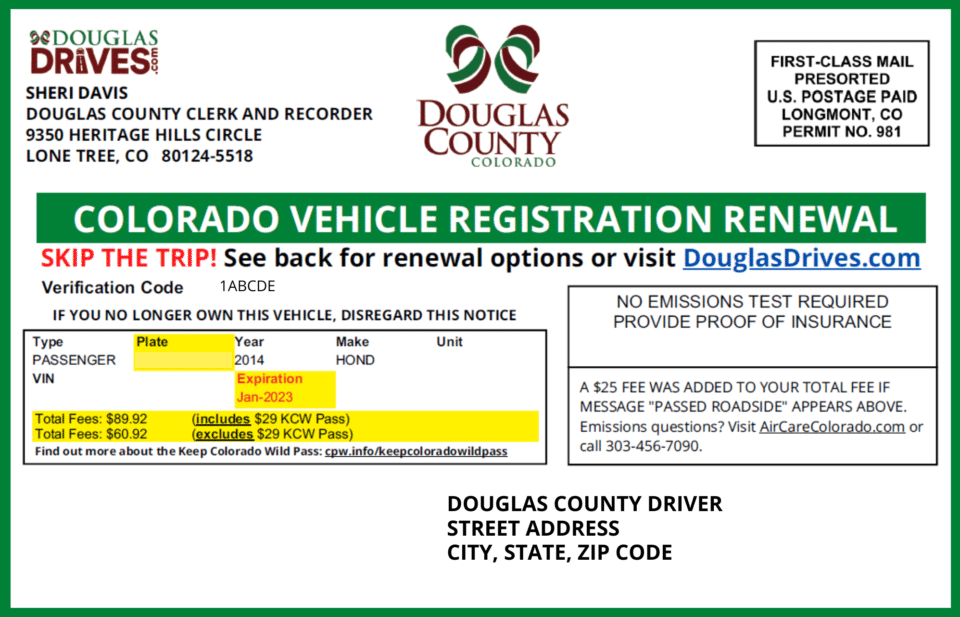
Understanding Colorado’s Vehicle Registration Requirements
The Colorado Division of Motor Vehicles (DMV), often referred to as the Department of Revenue, oversees vehicle registration. The primary goal of registration is to ensure vehicles operating on public roads are properly identified, insured, and meet emissions standards where applicable. Colorado mandates that all new residents must register their vehicles within 90 days of establishing residency. Similarly, if you purchase a vehicle, whether from a dealership or a private seller, it needs to be registered in your name promptly. Failure to register your vehicle can result in fines and penalties, so staying informed is paramount.
Residency and Timing
Establishing residency in Colorado is generally defined by your intent to live in the state, often demonstrated by actions such as obtaining a Colorado driver’s license, enrolling children in local schools, or accepting employment. Once residency is established, you have 90 days to transfer your out-of-state registration and driver’s license to Colorado. This timeframe allows ample opportunity to gather the necessary documentation and complete the process without undue pressure. For new vehicle purchases, registration should ideally be completed at the time of sale, especially if purchased from a licensed dealer who can facilitate much of the paperwork.
Emissions Testing
A significant component of vehicle registration in many Colorado counties is the requirement for emissions testing. This program, known as the Colorado Air Quality Control Commission’s Emissions Control Program, aims to reduce air pollution. The requirement applies to most gasoline-powered vehicles that are between four and 25 model years old. However, there are exceptions, including electric vehicles, hybrid vehicles, motorcycles, and vehicles that are less than four model years old or older than 25 model years.
The emissions test is typically conducted at licensed inspection stations throughout the state. You will receive a certificate of emissions compliance, which is a mandatory document for registration renewal. It’s important to note that the specific counties requiring emissions testing can vary. Generally, emissions testing is required in the following counties: Adams, Arapahoe, Boulder, Denver, Douglas, El Paso, Jefferson, Larimer, and Weld. Counties outside of these areas may not require emissions testing, but it’s always best to verify with your local county motor vehicle office.
Essential Documents for Vehicle Registration
To successfully register your vehicle in Colorado, you will need to present a specific set of documents to the county motor vehicle office. Having these ready in advance will streamline the process and prevent multiple trips. The required documents can vary slightly based on whether you are registering a new vehicle, a used vehicle, or transferring from out-of-state, but the core requirements remain consistent.
Proof of Ownership
This is arguably the most critical document. For new vehicles purchased from a dealership, this will typically be the Manufacturer’s Statement of Origin (MSO) or Manufacturer’s Certificate of Origin (MCO), along with a bill of sale. For used vehicles, you will need the vehicle’s title.
- Title: The title is legal proof of ownership. It must be properly signed over to you by the previous owner. If there is a lienholder on the title, you may need a lien release or have the title held by the lienholder until the loan is paid off. Ensure there are no errors or alterations on the title, as this can cause significant delays.
- Bill of Sale: A bill of sale is a document that records the details of the transaction between the buyer and seller. It should include the names and addresses of both parties, the vehicle’s make, model, year, Vehicle Identification Number (VIN), odometer reading, and the purchase price.
Proof of Colorado Insurance
Colorado law requires all registered vehicles to have continuous liability insurance coverage. You will need to present an insurance card or policy declaration page showing proof of this coverage. The policy must meet Colorado’s minimum liability limits: $25,000 for bodily injury per person, $50,000 for bodily injury per accident, and $15,000 for property damage per accident.
Proof of Vehicle Identification Number (VIN) Inspection
For vehicles coming from out-of-state or when registering a salvaged vehicle, a VIN inspection is typically required. This inspection verifies that the VIN on the vehicle matches the VIN on the title documents. Many law enforcement agencies or authorized VIN inspectors can perform this service. You will receive a completed VIN inspection form to submit with your registration application.
Emissions Compliance
As mentioned earlier, if your vehicle is subject to emissions testing, you will need to provide a valid certificate of emissions compliance. This is usually obtained after your vehicle passes the required test at a certified emissions testing station. The certificate is valid for a specific period, so ensure it is current at the time of registration.
Identification and Residency Verification
You will need to provide valid identification, typically a Colorado driver’s license or identification card. If you are a new resident, proof of residency will also be required. This can include utility bills, lease agreements, or other official documents showing your Colorado address.
The Registration Process: Step-by-Step
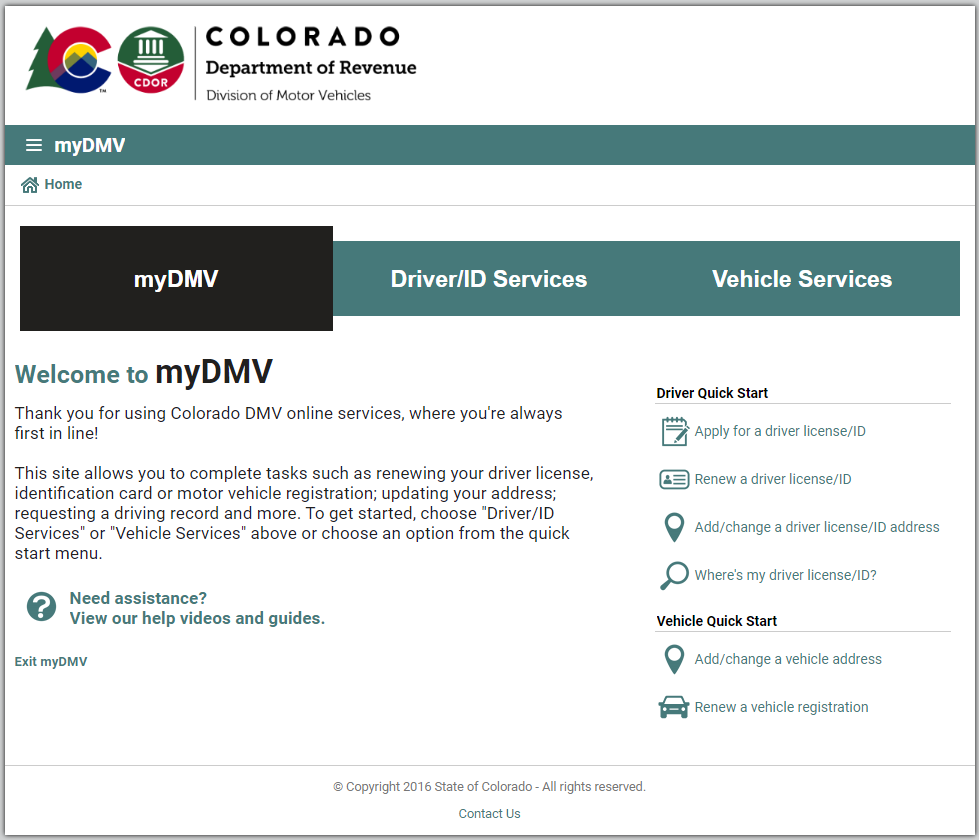
Once you have gathered all the necessary documentation, the next step is to visit your local county motor vehicle office to complete the registration. While the exact procedures may have slight variations by county, the overall process is straightforward.
Locating Your County Motor Vehicle Office
Colorado motor vehicle offices are managed at the county level. You can find the nearest office by visiting the Colorado Department of Revenue website or by searching online for “[County Name] motor vehicle office.” It is advisable to check the office’s operating hours and whether appointments are recommended or required, as wait times can vary significantly.
Completing the Application
At the office, you will be provided with a vehicle registration application form. This form will ask for details about you, the vehicle, and your insurance. You will present all your gathered documents to the county clerk or their representative. They will review your paperwork to ensure everything is in order.
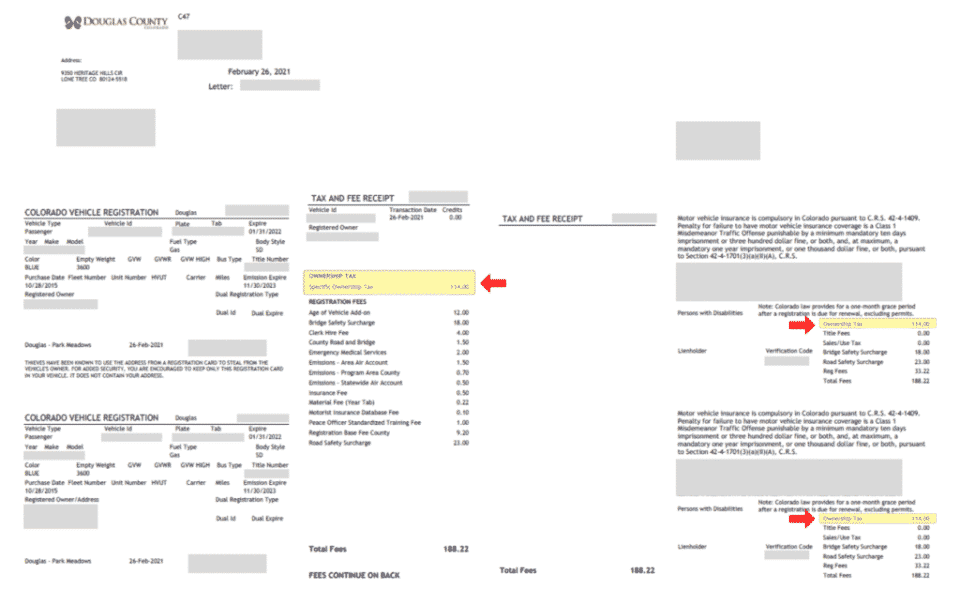
Paying Fees and Taxes
There are several fees associated with vehicle registration in Colorado. These include:
- Registration Fee: This fee varies based on the weight and type of vehicle.
- Title Fee: A fee for issuing a new Colorado title.
- License Plate Fee: For new license plates.
- Sales Tax (if applicable): If you purchased the vehicle and have not already paid sales tax, or if the sales tax paid in another state was less than Colorado’s rate, you may owe the difference. Colorado has a state sales tax, and local jurisdictions may impose additional sales taxes, so the total can vary.
- Ad Valorem Tax (for new residents): New residents who are registering a vehicle that has been previously registered in another state may be subject to an ad valorem tax, which is based on the value of the vehicle. This tax helps to equalize the tax burden with Colorado residents who pay annual property taxes on their vehicles.
The total cost will depend on the vehicle’s age, weight, value, and the specific taxes and fees applicable in your county. You will typically be able to pay with cash, check, or credit/debit card.
Receiving Your License Plates and Registration
Once your application is processed and payment is confirmed, you will be issued your Colorado license plates and registration certificate. You will need to affix the license plates to your vehicle, typically one on the front and one on the rear, unless specific instructions are provided for temporary tags or other types of plates. The registration certificate is a legal document that you should keep with your vehicle’s insurance information.
Special Considerations and Tips
Registering a vehicle in Colorado generally goes smoothly if you are prepared. However, there are a few special circumstances and tips that can make the process even easier, especially if you are new to the state or have a unique vehicle situation.
New Residents
If you are moving to Colorado from another state, remember the 90-day window to register your vehicle and obtain a Colorado driver’s license. You will need to surrender your out-of-state title to obtain a Colorado title, unless you have a lienholder. You will also need to be aware of the ad valorem tax mentioned earlier, which is a one-time payment for vehicles brought into the state.
Purchasing a Vehicle in Colorado
- From a Dealership: Most dealerships will handle the initial registration process for you, collecting taxes and fees and submitting the paperwork to the county. You will usually receive temporary tags and the permanent registration and plates shortly thereafter.
- From a Private Seller: If you buy a vehicle from a private seller, you are responsible for completing the registration yourself. Ensure the seller provides a properly signed title and a bill of sale. You will then take these documents, along with your proof of insurance, ID, and emissions certificate (if required), to your local county motor vehicle office.
Out-of-State Titles and Liens
If your vehicle has a lienholder in another state, they will likely need to release the lien and send the title to you or directly to the Colorado DMV. This can sometimes add time to the process, so inquire with your lienholder well in advance.
Specialty Plates
Colorado offers a variety of specialty license plates, including options for supporting specific causes, organizations, or universities like the University of Colorado. There may be additional fees associated with these plates, but they offer a way to personalize your vehicle and contribute to various initiatives.
Online Resources
The Colorado Division of Motor Vehicles website is an excellent resource for forms, fee calculators, and information on emissions testing requirements. Utilizing these online tools before your visit can save you time and ensure you arrive fully prepared.
Registering your vehicle in Colorado is a necessary step to legally drive on its scenic byways and bustling city streets. By understanding the requirements, gathering the correct documents, and following the outlined process, you can ensure a smooth transition and focus on enjoying all the adventures this beautiful state has to offer, from the ski slopes of Aspen to the artistic enclaves of Santa Fe (though Santa Fe is in New Mexico, its cultural proximity is often on the minds of those exploring the West).
LifeOutOfTheBox is a participant in the Amazon Services LLC Associates Program, an affiliate advertising program designed to provide a means for sites to earn advertising fees by advertising and linking to Amazon.com. Amazon, the Amazon logo, AmazonSupply, and the AmazonSupply logo are trademarks of Amazon.com, Inc. or its affiliates. As an Amazon Associate we earn affiliate commissions from qualifying purchases.