
The Golden State, a land of sun-drenched beaches, towering redwoods, and groundbreaking innovation, has long been envisioned as a singular entity, a contiguous expanse of dreams and aspirations. Yet, the very title of this exploration, “Is California Splitting?”, hints at a more complex reality. It doesn’t refer to a literal geological fissure, but rather to a growing divergence in experiences, economies, and perhaps even cultural identities across its vast and varied landscape. This phenomenon is less about a physical separation and more about the increasing stratification and distinctiveness of its major regions, impacting everything from its appeal as a travel destination to the very essence of its local allure.
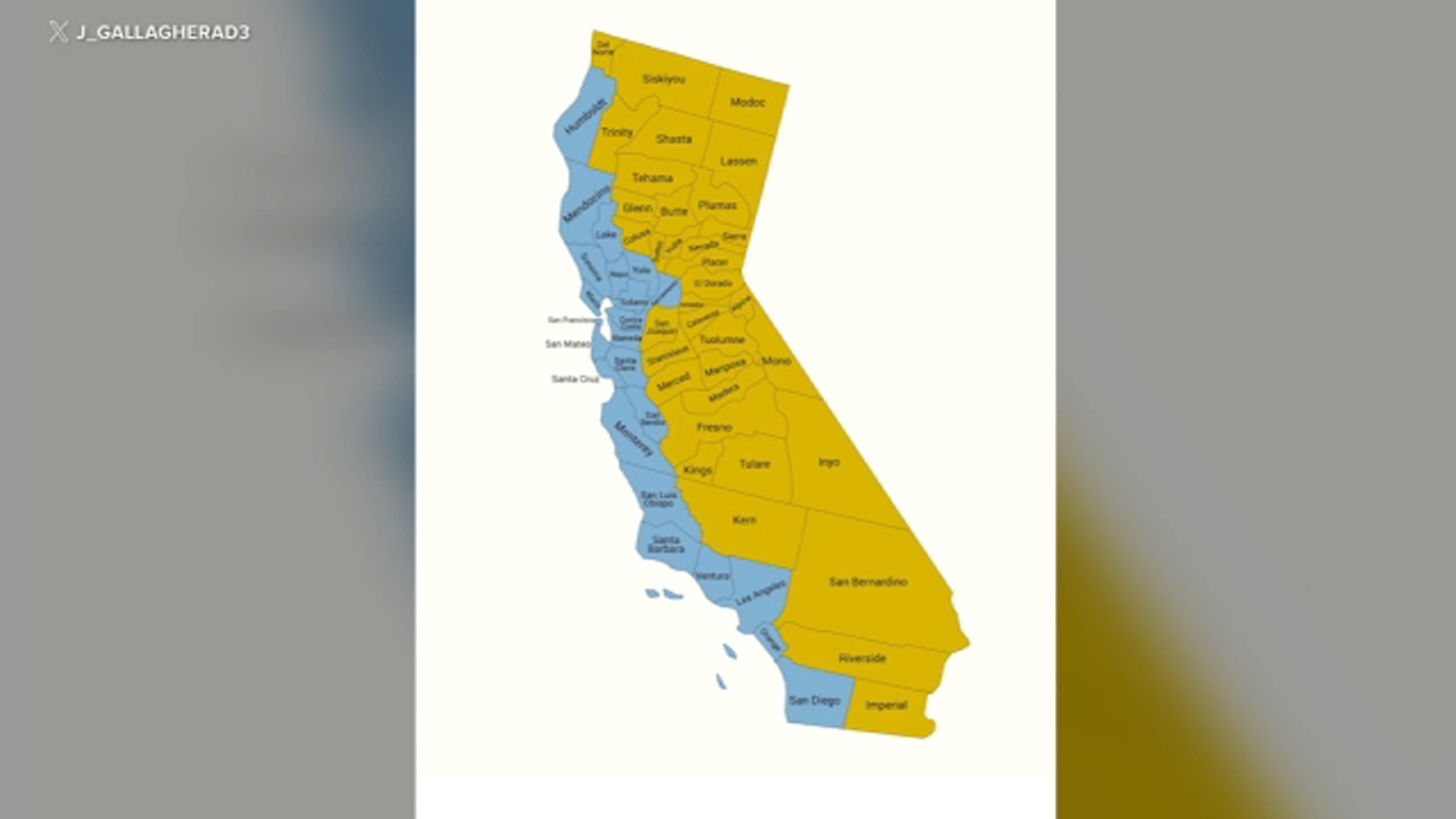
The Great Divide: Coastal Glamour vs. Inland Realities
California’s allure is often synonymous with its iconic coastline. From the cosmopolitan energy of Los Angeles to the bohemian charm of San Francisco and the picturesque beauty of the Big Sur, the Pacific edge draws millions of tourists each year. These areas are characterized by world-class attractions, vibrant culinary scenes, and a lifestyle often perceived as luxurious and aspirational.
Coastal Attractions and Experiences
The coastal regions are dotted with renowned landmarks and offer a plethora of activities. Disneyland Park in Anaheim, for instance, remains a perennial favorite for families, while the Golden Gate Bridge in San Francisco is an architectural marvel and an unforgettable sight. The museums of Los Angeles, such as the Getty Center, offer world-class art collections, and the beaches of Malibu provide a quintessential California sun-and-surf experience. The culinary landscape is equally diverse, with Michelin-starred restaurants in San Francisco and a thriving farm-to-table movement throughout.
The Inland Counterpoint
Contrast this with California’s vast inland territories. While less heralded in mainstream tourism narratives, these areas possess their own unique charms and crucial economic functions. The Central Valley, often referred to as the “breadbasket of the world,” is an agricultural powerhouse, producing a significant portion of the nation’s fruits, vegetables, and nuts. Cities like Fresno and Bakersfield offer a glimpse into a more grounded, working-class California, with distinct cultural flavors and community-focused activities. Further east, the deserts surrounding Palm Springs offer a different kind of escape, with stark beauty, mid-century modern architecture, and a burgeoning arts scene.
Economic Disparities and Their Impact on Tourism
The economic disparities between these regions are significant. The coastal areas, particularly Silicon Valley and Los Angeles, are hubs for technology, entertainment, and finance, leading to higher costs of living and a concentration of high-end tourism. This can make certain experiences inaccessible to budget travelers. Inland areas, while possessing their own economic strengths, often lack the same level of investment in tourist infrastructure and marketing, leading to a less developed but potentially more authentic and affordable travel experience. This split in economic vitality naturally influences the types of tourism each region attracts and the perceptions travelers hold.
Shifting Sands: The Evolution of California’s Identity
California’s identity has always been fluid, a composite of diverse influences. However, recent trends suggest a more pronounced divergence, impacting how the state is perceived and experienced by both residents and visitors. This “splitting” is not just geographical but also cultural and aspirational.
The Tech Boom and Its Ripple Effects
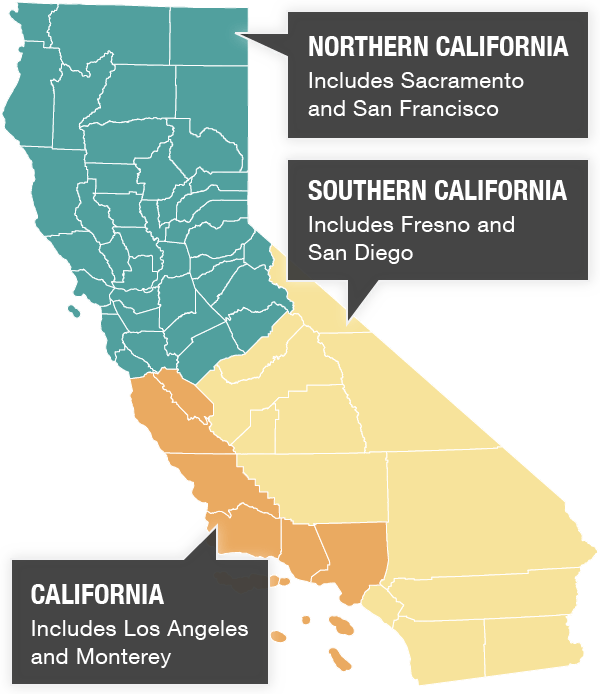
The unparalleled success of Silicon Valley has created an economic engine that generates immense wealth but also contributes to the widening affordability gap. This has led to a distinct lifestyle and set of priorities for those living and working in the tech hubs around San Jose and San Francisco. This segment of California is characterized by innovation, a fast-paced environment, and a strong emphasis on cutting-edge technology. For tourists, this translates to an experience focused on tech museums, innovative co-working spaces, and a vibrant startup culture, often alongside the traditional attractions.
The Entertainment Capital and Its Global Reach
Los Angeles remains the undisputed capital of the entertainment industry, projecting a global image of glamour, celebrity, and creativity. This shapes a significant portion of California tourism, drawing visitors eager to experience Hollywood, visit movie studios, and perhaps catch a glimpse of their favorite stars. The city’s diverse neighborhoods, from the trendy boutiques of West Hollywood to the artistic enclaves of Downtown Los Angeles, offer a multifaceted urban exploration.
The Rise of the “New” California: Outdoor Adventures and Wellness
Beyond the major metropolises, a different kind of California is gaining traction. There’s a growing emphasis on outdoor recreation, sustainable living, and wellness. The mountains of the Sierra Nevada, the deserts of Joshua Tree, and the coastal trails offer abundant opportunities for hiking, biking, and exploring nature. This movement is attracting a demographic increasingly interested in experiences that connect them with the environment and promote personal well-being. This aspect of California tourism is less about iconic landmarks and more about immersive, often solitary, natural encounters.
Inland Communities: Preserving Local Culture
Inland communities are actively working to preserve their unique local cultures and histories. While they may not command the same international attention as the coastal cities, they offer authentic glimpses into the state’s agricultural heritage, frontier spirit, and diverse ethnic communities. This includes exploring historic downtowns, enjoying local festivals, and savoring regional cuisine that is distinct from the more globally influenced fare found on the coast. These areas represent a valuable part of the California travel tapestry, offering depth and authenticity.
Navigating the Divergence: Tips for the Modern Traveler
Understanding this “splitting” is crucial for anyone planning a trip to California. It means that a one-size-fits-all approach to exploration will likely miss out on the rich diversity the state has to offer. Instead, a more nuanced itinerary, tailored to specific interests and regional characteristics, will yield the most rewarding experiences.
Tailoring Your California Journey
For those drawn to the glitz and glamour, focusing on Southern California and the iconic attractions of Los Angeles and San Diego is a natural choice. This would involve booking stays in areas like Beverly Hills for a luxurious experience or Santa Monica for a blend of beach access and city life. Exploring theme parks like Universal Studios Hollywood and attending live performances would be central to this type of trip.
Conversely, travelers seeking innovation and a vibrant urban pulse might gravitate towards the San Francisco Bay Area. Here, the focus could be on visiting Alcatraz Island, exploring the tech museums, and experiencing the culinary delights of the city. Accommodation options might range from boutique hotels in Nob Hill to modern apartments in the SOMA district.
Embracing the “Other” California
For those who wish to experience the “real” California beyond the postcard images, venturing inland is highly recommended. This could involve exploring the agricultural landscapes of the Central Valley, perhaps staying in a charming bed and breakfast near a vineyard, or discovering the stark beauty of the deserts and the unique architectural heritage of Palm Springs. Outdoor enthusiasts might find themselves drawn to national parks like Yosemite or Sequoia & Kings Canyon, offering unparalleled natural wonders.

The Value of Authenticity and Local Insights
In a state often perceived through the lens of its most famous destinations, seeking out local insights can unlock a richer travel experience. This might involve dining at family-owned restaurants in inland towns, attending local farmers’ markets, or engaging with community events. These experiences offer a more authentic connection to the diverse cultures and people that make up California, moving beyond the curated narratives often presented to tourists. By understanding the nuances of California’s regional identities, travelers can craft journeys that are not only memorable but also deeply insightful.
LifeOutOfTheBox is a participant in the Amazon Services LLC Associates Program, an affiliate advertising program designed to provide a means for sites to earn advertising fees by advertising and linking to Amazon.com. Amazon, the Amazon logo, AmazonSupply, and the AmazonSupply logo are trademarks of Amazon.com, Inc. or its affiliates. As an Amazon Associate we earn affiliate commissions from qualifying purchases.