
Selling a car can be a multifaceted process, and doing so in the Lone Star State brings its own set of considerations. Whether you’re moving out of state, upgrading to a newer model, or simply adjusting your personal transportation needs, navigating the sale of a vehicle in Texas requires a clear understanding of state regulations, market dynamics, and effective selling strategies. This guide provides an insightful, professional overview, helping you make informed decisions and achieve a smooth, successful transaction that aligns with your lifestyle.
Understanding the Texas Car Selling Landscape
Before listing your vehicle, it’s crucial to grasp the foundational requirements and market nuances specific to Texas. This initial understanding will streamline your process and prevent common pitfalls, setting the stage for a successful sale that fits seamlessly into your lifestyle adjustments.
Texas Department of Motor Vehicles (DMV) Requirements
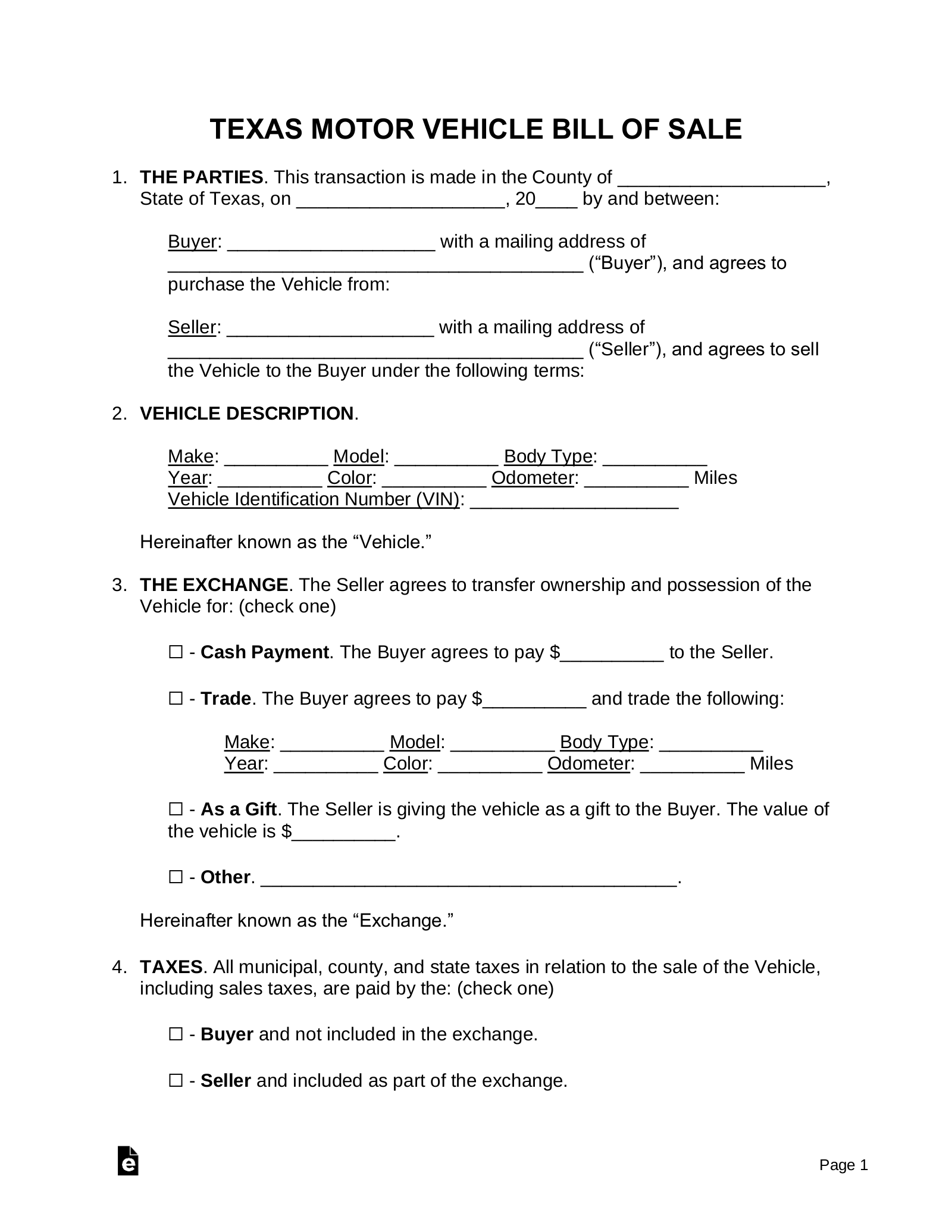
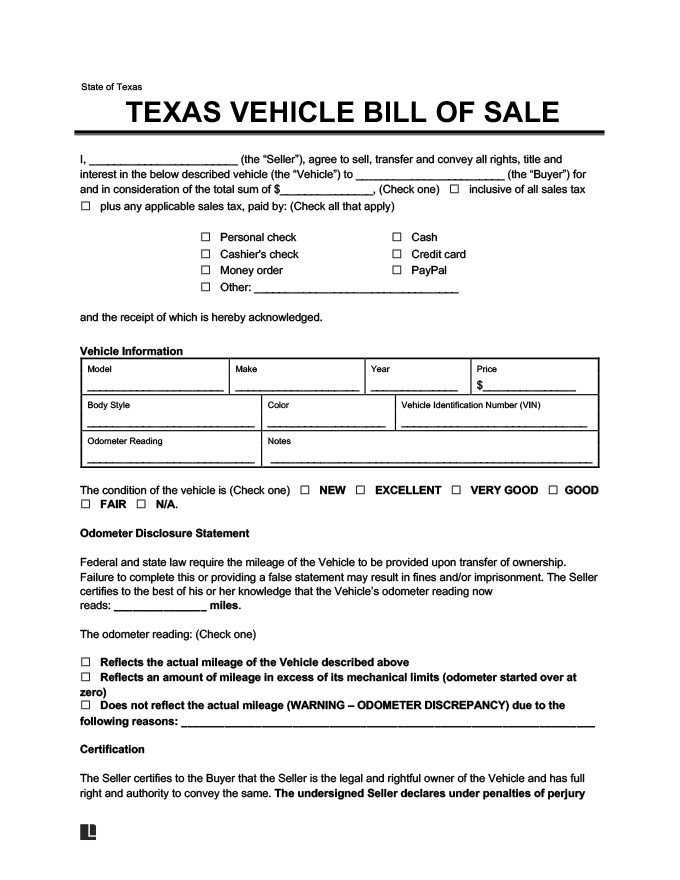
The Texas Department of Motor Vehicles (TxDMV) dictates the legal framework for vehicle sales. The most critical document you’ll need is the vehicle’s title, which must be clear (free of liens) and in your name. If you still have a loan on the vehicle, you’ll need to work with your lender to obtain the title or ensure the lien is released upon sale. Texas law requires sellers to provide a signed title to the buyer, complete with the odometer reading and sale date. It’s also advisable to complete a Bill of Sale, though not legally required by the state, as it provides a valuable record for both parties. Understanding these requirements from the outset prevents delays and ensures a legally sound transaction.
Navigating Market Conditions in Key Texas Cities
The automotive market in Texas can vary significantly depending on your location. Major metropolitan areas like Houston, Dallas, and Austin often have robust used car markets with diverse buyer pools and competitive pricing.
In Houston, for instance, the demand for trucks and SUVs tends to be high, reflecting the city’s sprawling nature and economic activities. Dallas, a hub for luxury and business, might see strong interest in premium sedans and higher-end vehicles. Meanwhile, Austin, known for its tech-savvy population and outdoor lifestyle, could have a strong market for fuel-efficient cars, electric vehicles, and versatile adventure-ready vehicles. Researching local market trends and comparable listings in your specific area will help you price your vehicle attractively and target the right buyers.
Lifestyle Changes Prompting a Car Sale
Often, selling a car is a direct result of evolving lifestyle needs. Perhaps your family is expanding, necessitating a larger vehicle, or conversely, children have left home, making a smaller, more economical car preferable. A career change might mean a longer commute, prompting a switch to a more fuel-efficient model, or a new remote work arrangement could eliminate the need for a second car entirely. Relocation, whether within Texas or out of state, is another common catalyst. Understanding the underlying lifestyle motivation behind your sale can help you define your priorities, whether it’s maximizing resale value, achieving a quick sale, or simply decluttering your life.
Preparing Your Vehicle for Sale: A Lifestyle Choice
Presenting your car in its best light is not just about aesthetics; it’s a strategic move that reflects your attention to detail and can significantly impact its perceived value and selling price. This stage is about making smart choices that enhance your car’s appeal to potential Texans.
Aesthetic and Mechanical Tune-Ups for a Premium Sale
First impressions matter. A thoroughly cleaned and detailed vehicle instantly projects care and value. Consider a professional wash, wax, interior vacuuming, and upholstery cleaning. Address minor cosmetic flaws like small dents or scratches if they can be fixed affordably. Beyond superficial improvements, ensure your car is mechanically sound. Address any check engine lights, perform routine maintenance like oil changes, and ensure tires are properly inflated. Providing service records can build buyer confidence, demonstrating a history of responsible ownership. A well-maintained car not only sells faster but often commands a higher price, reflecting a wise lifestyle choice that pays off.
Gathering Essential Documentation: Title, Registration, and More
A smooth transaction hinges on having all necessary paperwork readily available. The original vehicle title is paramount. Ensure your current registration is valid, and keep any inspection reports handy. Compile all service records, owner’s manuals, and any warranty information. For buyers, the clarity and completeness of documentation instill trust and signal a legitimate seller. Having these documents organized and ready for inspection will streamline the buyer’s decision-making process and prevent delays, proving you’re a prepared and professional seller.
Pricing Your Car Competitively in the Texas Market
Setting the right price is a critical balancing act. Overprice, and you’ll deter potential buyers; underprice, and you’ll leave money on the table. Start by researching online valuation tools like Kelley Blue Book or Edmunds, inputting your car’s specific details, mileage, and condition. Then, compare these estimates with similar vehicles currently for sale in your local Texas market. Be realistic about your car’s condition and be prepared to justify your asking price with its features, maintenance history, and overall appeal. Remember to leave a little room for negotiation, as most buyers expect some flexibility.
Marketing Your Car: Reaching Texans Effectively
Once your car is prepped and priced, the next step is to market it effectively to attract serious buyers. This involves choosing the right platforms and honing your presentation to resonate with your target audience.

Online Platforms and Local Classifieds
The digital age offers numerous avenues for selling a car. Popular online marketplaces such as Facebook Marketplace, Craigslist, Autotrader, and CarGurus provide vast reach. When listing, use clear, high-quality photos from multiple angles, highlighting both the exterior and interior. Write a detailed, honest description that includes all relevant information: make, model, year, mileage, features, condition, and any recent maintenance. Don’t forget to mention any unique selling points. For a more local approach, community bulletin boards or newspaper classifieds, though less common now, can still reach specific demographics.
Dealership Trade-Ins vs. Private Sales: Weighing Your Lifestyle Options
Deciding between trading in your car at a dealership or selling it privately is a key lifestyle and financial choice. A trade-in offers convenience: it’s a quick, hassle-free process where the dealership handles all paperwork and you avoid the complexities of private negotiations. However, you typically receive a lower value for your car compared to a private sale. A private sale, conversely, usually yields a higher return but requires more effort, time, and personal involvement in marketing, showing the car, and handling paperwork. Evaluate your priorities: is speed and ease paramount, or is maximizing your profit the primary goal? Your answer will guide your selling strategy.
The Art of the Test Drive and Negotiation
When a potential buyer expresses interest, be prepared for a test drive. Arrange to meet in a safe, public place. Accompany the buyer during the test drive and be ready to answer questions about the car’s history, performance, and features. After the test drive, be prepared to negotiate. While you should have a target price in mind, also determine your absolute minimum. Be polite, professional, and confident in your car’s value. If you’re comfortable, you might offer to split the cost of a pre-purchase inspection by a third-party mechanic, which can build trust and facilitate the sale.
Completing the Transaction and Legalities in Texas
The final stages of selling your car involve carefully executing the necessary paperwork and notifying state authorities to ensure a legally compliant and smooth transfer of ownership. Adhering to these steps protects both you and the buyer.
Essential Paperwork: Bill of Sale and Title Transfer
Once a price is agreed upon, the critical step is transferring the title. You, as the seller, must sign the vehicle title and ensure the odometer reading, sale date, and your signature are accurately entered. While Texas does not legally mandate a Bill of Sale, it is highly recommended. This document should detail the vehicle information, sale price, date, and signatures of both buyer and seller. It serves as proof of the transaction and can protect you from liability for any issues that arise after the sale. Ensure the buyer signs a copy for your records.
Notifying the Texas DMV and License Plate Procedures
It’s crucial to protect yourself from liability once the car is no longer yours. In Texas, you must complete a Vehicle Transfer Notification (Form VTR-346) online or by mail with the Texas Department of Motor Vehicles. This form notifies the state that you are no longer the owner and helps protect you from tickets, parking violations, or other liabilities incurred by the new owner. Additionally, Texas law states that the seller removes the license plates from the vehicle upon sale. You can transfer these plates to another vehicle you own or surrender them to your county tax assessor-collector office. Never allow the buyer to drive away with your old plates.
Safeguarding Your Financial and Legal Interests
When receiving payment, prioritize secure methods. Cash is straightforward, but for larger sums, consider a cashier’s check or a wire transfer directly into your bank account. Always verify the authenticity of any check with the issuing bank before releasing the vehicle or title. Avoid personal checks. Ensure the entire transaction is completed during business hours if possible, allowing you to confirm funds immediately. By following these financial precautions and carefully adhering to all legal requirements, you protect your interests and ensure a legitimate transfer of ownership.
Post-Sale Considerations and Texas Lifestyle Adjustments
After the sale is complete, there are still a few loose ends to tie up, particularly concerning your insurance and how your transportation needs might change as you embrace a new Texas lifestyle.
Insurance Cancellation and New Transportation Solutions
Once your vehicle is sold and the title transferred, immediately contact your insurance provider to cancel or adjust your policy. Continuing to pay for coverage on a car you no longer own is an unnecessary expense. With your car sold, you’ll need to consider your new transportation strategy. Will you purchase another vehicle, rely on ride-sharing services, explore public transportation options available in major Texas cities, or perhaps embrace cycling? This is an opportune moment to re-evaluate your daily commute and personal mobility needs.
Enjoying a Car-Free or Downsized Lifestyle in Texas
For some, selling a car marks a significant shift towards a car-free or downsized lifestyle. This can translate to reduced expenses on insurance, fuel, maintenance, and parking, freeing up funds for other lifestyle priorities. In urban centers like Austin or Dallas, a growing emphasis on walkability, bike-friendly infrastructure, and public transit can make a car-optional lifestyle feasible and even desirable. Embracing this change can lead to a simpler, more environmentally conscious, and potentially more financially flexible way of living, allowing you to experience Texas from a fresh perspective. Successfully navigating the car selling process is not just about the transaction; it’s about optimizing your life in Texas to better suit your evolving needs and preferences.
LifeOutOfTheBox is a participant in the Amazon Services LLC Associates Program, an affiliate advertising program designed to provide a means for sites to earn advertising fees by advertising and linking to Amazon.com. Amazon, the Amazon logo, AmazonSupply, and the AmazonSupply logo are trademarks of Amazon.com, Inc. or its affiliates. As an Amazon Associate we earn affiliate commissions from qualifying purchases.