
Navigating the financial landscape of a new destination is a crucial aspect of travel planning. For many, understanding the local tax structure is as important as booking flights or accommodation. When it comes to the Silver State, a common question arises: “How much is the sales tax in Nevada?” The answer, however, is not a simple, uniform figure. Nevada’s sales tax is a dynamic system, comprised of state and local components, that can vary significantly depending on where you are and what you are purchasing. This comprehensive guide will delve into the intricacies of Nevada’s sales tax, providing travelers with the clarity needed to budget effectively and avoid any unexpected financial surprises during their visit to this vibrant state.
The Foundation of Nevada Sales Tax: State and Local Contributions
Nevada operates under a dual-taxation system for sales tax, meaning it’s levied at both the state and local levels. This fundamental structure is key to understanding the variations you’ll encounter. The state sets a baseline rate, but counties and cities have the authority to add their own levies, often to fund local services and infrastructure. This collaborative approach allows for a degree of fiscal autonomy for different regions within Nevada.
The Statewide Sales Tax Rate
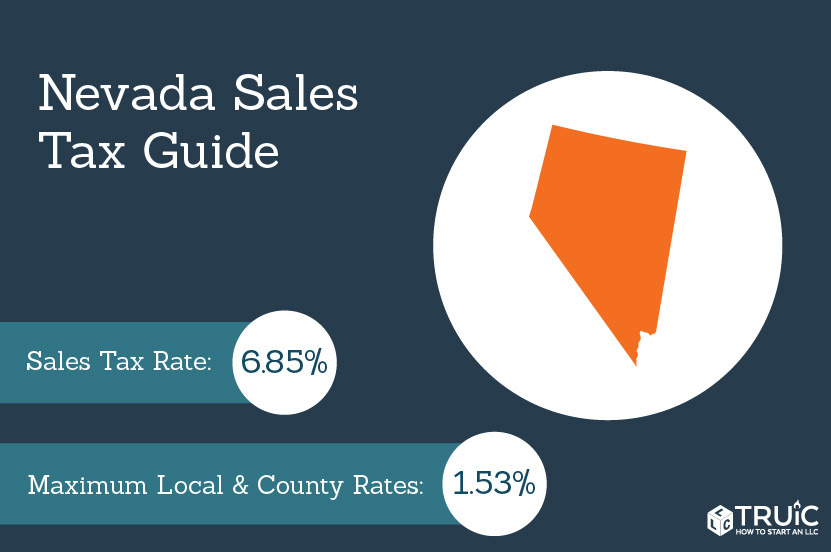
At the state level, Nevada imposes a base sales and use tax rate. This rate is applied across all counties but serves as the minimum tax you can expect to pay on taxable goods and services throughout the state. Understanding this foundational rate is the first step in comprehending the overall tax burden. This base rate is subject to legislative changes, but it has remained a consistent starting point for tax calculations for many years.
County-Imposed Taxes: The Variable Factor
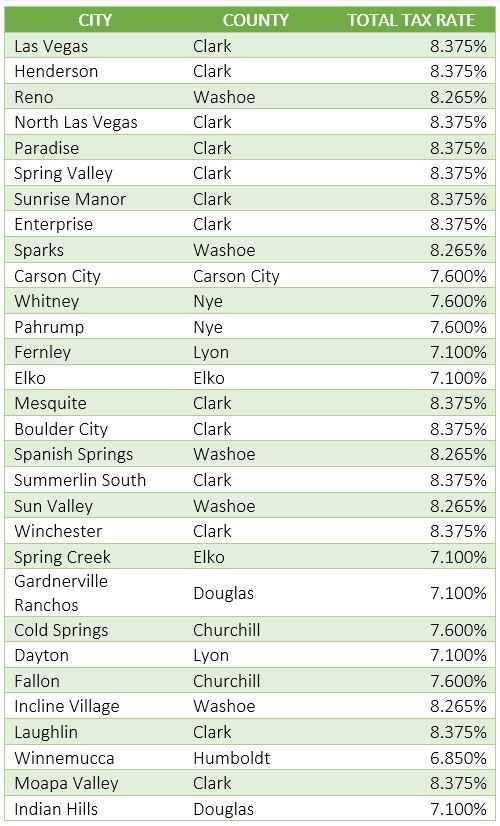
The true complexity of Nevada’s sales tax arises from county-imposed taxes. Each county in Nevada has the option to levy additional sales taxes. These can include a Uniform Local Tax, which is a consolidated rate that counties can adopt, and other specific taxes for purposes such as transportation or stadium funding. The specific combination of these county taxes, added to the state rate, results in the final sales tax rate for a particular location. This is why a purchase made in Las Vegas might have a different tax rate than the exact same purchase made in Reno or a more rural county.
Distinguishing Between Sales Tax and Room Tax
It’s important for travelers to distinguish between sales tax and room tax (also known as occupancy tax or lodging tax) in Nevada. While both are applied to transactions, sales tax generally applies to tangible goods and certain services, whereas room tax is specifically levied on hotel stays and other forms of short-term accommodation. The rates and purposes of these taxes differ, and understanding this distinction can prevent confusion when budgeting for your trip. For instance, when checking into your hotel, you’ll see room tax on your bill, separate from the sales tax you might pay on souvenirs.
Understanding the Highest and Lowest Sales Tax Areas in Nevada
Given the county-level variations, it’s natural for travelers to be curious about which areas of Nevada have the highest and lowest sales tax rates. This information can be particularly useful for budgeting, especially for larger purchases or for those on a strict budget. While rates can fluctuate due to legislative actions or specific local ballot measures, there are typically consistent patterns.
Counties with the Highest Sales Tax Rates
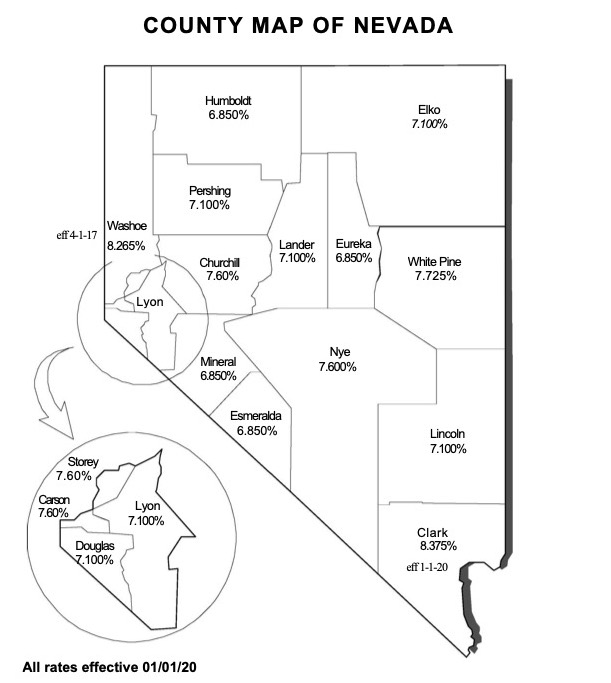
The counties that encompass major tourist destinations often have higher sales tax rates due to the implementation of additional local taxes to fund infrastructure and public services that support these high-traffic areas. For example, Clark County, home to Las Vegas, Henderson, and North Las Vegas, typically has one of the highest combined state and local sales tax rates in Nevada. These additional taxes often contribute to projects like road improvements, public safety, and the upkeep of iconic attractions that draw millions of visitors annually. Similarly, Washoe County, which includes Reno and Sparks, also features elevated rates due to local additions.
Counties with the Lowest Sales Tax Rates
Conversely, more rural and less populated counties in Nevada generally exhibit lower sales tax rates. These areas may not have the same demand for extensive public services funded by higher local taxes, or they may not have opted to implement as many additional levies. Traveling to parts of northern or eastern Nevada, for instance, might result in a slightly lower sales tax burden on your purchases. However, it’s important to remember that even in these areas, the state’s base sales tax rate will always apply.
Where to Find the Most Current Tax Rate Information
Tax rates are not static. They can change due to new legislation, local ordinances, or the expiration of temporary tax measures. Therefore, for the most up-to-date and precise sales tax information for a specific city or county within Nevada, it is always best to consult official sources. The Nevada Department of Taxation website is the definitive authority for official tax rates and regulations. Many local government websites also provide specific details about their county’s sales tax structure. For travelers, a quick online search for “Nevada sales tax rate” followed by the specific county or city name will often yield the most current figures.
Which Goods and Services Are Subject to Sales Tax in Nevada?
Understanding the tax rate is only part of the equation. To truly grasp the financial implications of shopping in Nevada, travelers must also be aware of what types of goods and services are actually subject to sales tax. Nevada’s tax code outlines specific categories of taxable items, and there are also important exemptions to consider.
Taxable Tangible Personal Property
Generally, tangible personal property purchased or rented in Nevada is subject to sales tax. This includes a wide array of items that travelers might purchase, such as clothing, electronics, souvenirs, vehicles, and furniture. The tax is applied at the point of sale. If you’re buying a new souvenir to remember your trip to the Grand Canyon (even though it’s in Arizona, you might buy related items in Nevada), or a new gadget in Las Vegas, expect to pay sales tax on it.
Taxable Services
Beyond physical goods, Nevada also taxes a variety of services. This category can be quite broad and may include things like:
- Repair and maintenance services: For tangible personal property.
- Telecommunication services: Including mobile phone plans and internet access.
- Rental of tangible personal property: Such as rental cars or equipment.
- Admissions and access: To places of entertainment, like shows or museums.
- Construction services: Performed within the state.
- Certain professional services: Depending on their nature and how they are rendered.
The taxation of services can sometimes be more nuanced, and it’s always wise to confirm if a specific service you are utilizing is subject to sales tax.
Exemptions and Non-Taxable Items
Nevada provides several exemptions to its sales tax to support certain industries, charitable organizations, or to reduce the tax burden on essential items. Understanding these exemptions can help travelers save money. Common exemptions include:
- Food for home consumption: Groceries purchased from supermarkets for personal consumption at home are generally not taxed. However, prepared foods, restaurant meals, and certain convenience items often are taxed.
- Prescription medications: Medications dispensed by a licensed pharmacist are typically exempt.
- Certain agricultural items: Feed and seeds used in agricultural production.
- Sales to the U.S. Government: Purchases made directly by federal agencies.
- Donations: Certain donations to qualified charitable organizations.
It is crucial to note that exemptions can be complex and may have specific criteria that must be met. For instance, while groceries are exempt, a fancy prepared meal from a resort buffet would likely be subject to sales tax.
Planning Your Budget: Sales Tax Implications for Travelers
For any traveler, budgeting is a cornerstone of a successful and stress-free trip. Understanding Nevada’s sales tax system allows for more accurate financial planning, preventing sticker shock and enabling informed spending decisions. Whether you are visiting the glittering casinos of Las Vegas or exploring the natural beauty of Valley of Fire State Park, sales tax will factor into your expenses.
The Impact on Shopping and Dining
When you’re browsing the shops on the Las Vegas Strip or enjoying a meal at a fine-dining establishment, the sales tax will add to the final cost. For example, if you purchase an item costing $100 in a county with a 7.1% sales tax rate, the total cost including tax will be $107.10. Similarly, a $50 meal at a restaurant would incur an additional $3.55 in sales tax. For frequent shoppers or those planning significant purchases, factoring in this additional percentage is essential.
Sales Tax on Accommodation and Rentals
As mentioned earlier, sales tax is distinct from room tax, but both affect the overall cost of your stay and travel. While sales tax doesn’t directly apply to the hotel room itself (that’s room tax’s domain), it will apply to any additional services you purchase from the hotel, such as spa treatments, room service for non-meal items, or merchandise from the hotel gift shop. Furthermore, sales tax is applied to rentals of tangible personal property, such as rental cars from companies like Hertz or Avis operating in Nevada, or equipment rentals for outdoor adventures.
Strategies for Managing Sales Tax Expenses
While sales tax is an unavoidable cost for most purchases in Nevada, travelers can employ several strategies to manage these expenses:
- Research rates in advance: Knowing the approximate sales tax rate in the areas you plan to visit allows for better budgeting.
- Prioritize purchases: If you have a budget for souvenirs or specific items, consider where you are making those purchases if significant tax rate differences exist between nearby areas.
- Take advantage of exemptions: Be mindful of what items are tax-exempt, particularly groceries if you plan to prepare some of your own meals.
- Consider outlet shopping: Outlet malls might offer lower prices on goods, and while the sales tax percentage remains the same, the lower base price results in a lower overall tax payment.
By being informed and proactive, travelers can navigate Nevada’s sales tax system with confidence, ensuring their trip is both enjoyable and financially sound.
LifeOutOfTheBox is a participant in the Amazon Services LLC Associates Program, an affiliate advertising program designed to provide a means for sites to earn advertising fees by advertising and linking to Amazon.com. Amazon, the Amazon logo, AmazonSupply, and the AmazonSupply logo are trademarks of Amazon.com, Inc. or its affiliates. As an Amazon Associate we earn affiliate commissions from qualifying purchases.