
Navigating the process of transferring a vehicle title in Florida can seem like a daunting task, often arising when selling a car, gifting it, or inheriting it. Understanding the necessary steps, required documentation, and potential fees is crucial for a smooth and legal transaction. This guide will demystify the title transfer process in the Sunshine State, ensuring you can confidently handle the paperwork and legally transfer ownership of your vehicle. Whether you’re a seasoned resident or new to Florida, this comprehensive overview will equip you with the knowledge needed to complete the transfer efficiently.
Understanding Vehicle Titles in Florida
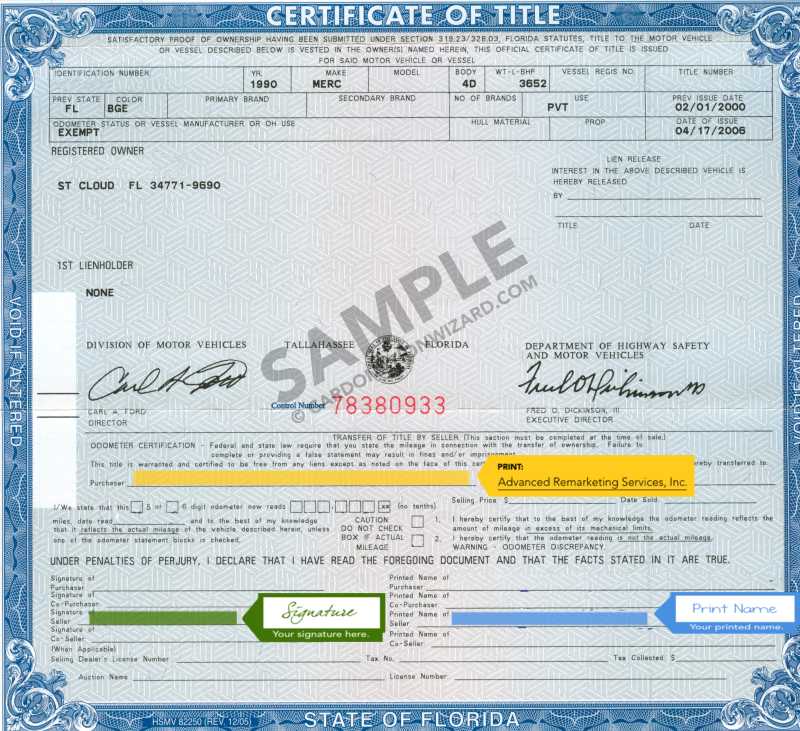
A vehicle title, officially known as a Certificate of Title, is a legal document that proves ownership of a motor vehicle. In Florida, this document is issued by the Florida Department of Highway Safety and Motor Vehicles (FLHSMV). It contains vital information about the vehicle, including its make, model, year, Vehicle Identification Number (VIN), and the names of its registered owners. A properly transferred title is essential for legally establishing a new owner and for future transactions, such as selling the vehicle, obtaining insurance, or registering it.
Key Information on a Florida Title
When you examine a Florida vehicle title, you’ll find several critical pieces of information:
- Vehicle Details: This section includes the manufacturer (make), model, year of manufacture, body style, and color of the vehicle. The Vehicle Identification Number (VIN), a unique 17-character code, is also prominently displayed and serves as the vehicle’s fingerprint.
- Ownership Information: The names and addresses of the current legal owner(s) are listed here. For jointly owned vehicles, all owners’ names will appear.
- Lienholder Information: If there was an outstanding loan on the vehicle, the name and address of the financial institution (lienholder) that holds the lien will be indicated. The title cannot be transferred to a new owner until the lien is satisfied.
- Odometer Reading: The title will record the mileage at the time of issuance or a previous transfer. This is an important disclosure for buyers.
- Title Number: Each title has a unique identification number.
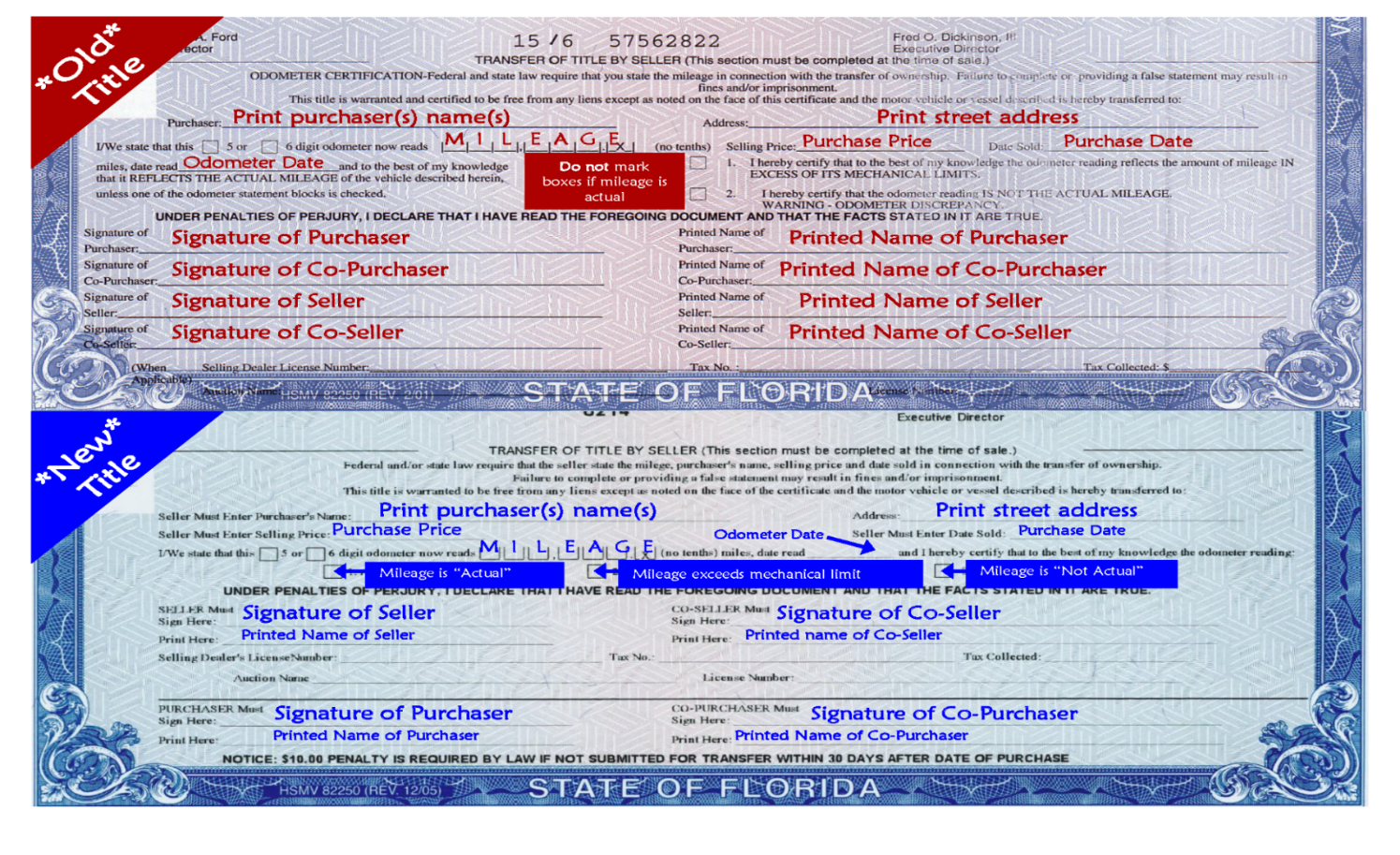
- Transfer of Ownership Section: This section on the back of the title is where the current owner signs over their rights to the new owner. It includes spaces for the seller’s signature, buyer’s information, sale price, and odometer reading at the time of sale.
Why is a Title Transfer Necessary?
A title transfer is a mandatory legal process that signifies a change in the ownership of a vehicle. Without a properly transferred title, the new owner does not legally possess the vehicle, and the previous owner remains technically liable for it. This can lead to complications with insurance, registration, and any legal issues that may arise concerning the vehicle. For instance, if the previous owner is still listed as the owner on the title and the vehicle is involved in an accident, they could be held responsible. Similarly, the new owner cannot legally register or insure the vehicle in their name without a new title.
Steps for Transferring a Vehicle Title in Florida
The process for transferring a vehicle title in Florida involves several distinct steps, primarily centered around the seller correctly completing their part of the title and the buyer initiating the new title application.
Seller’s Responsibilities
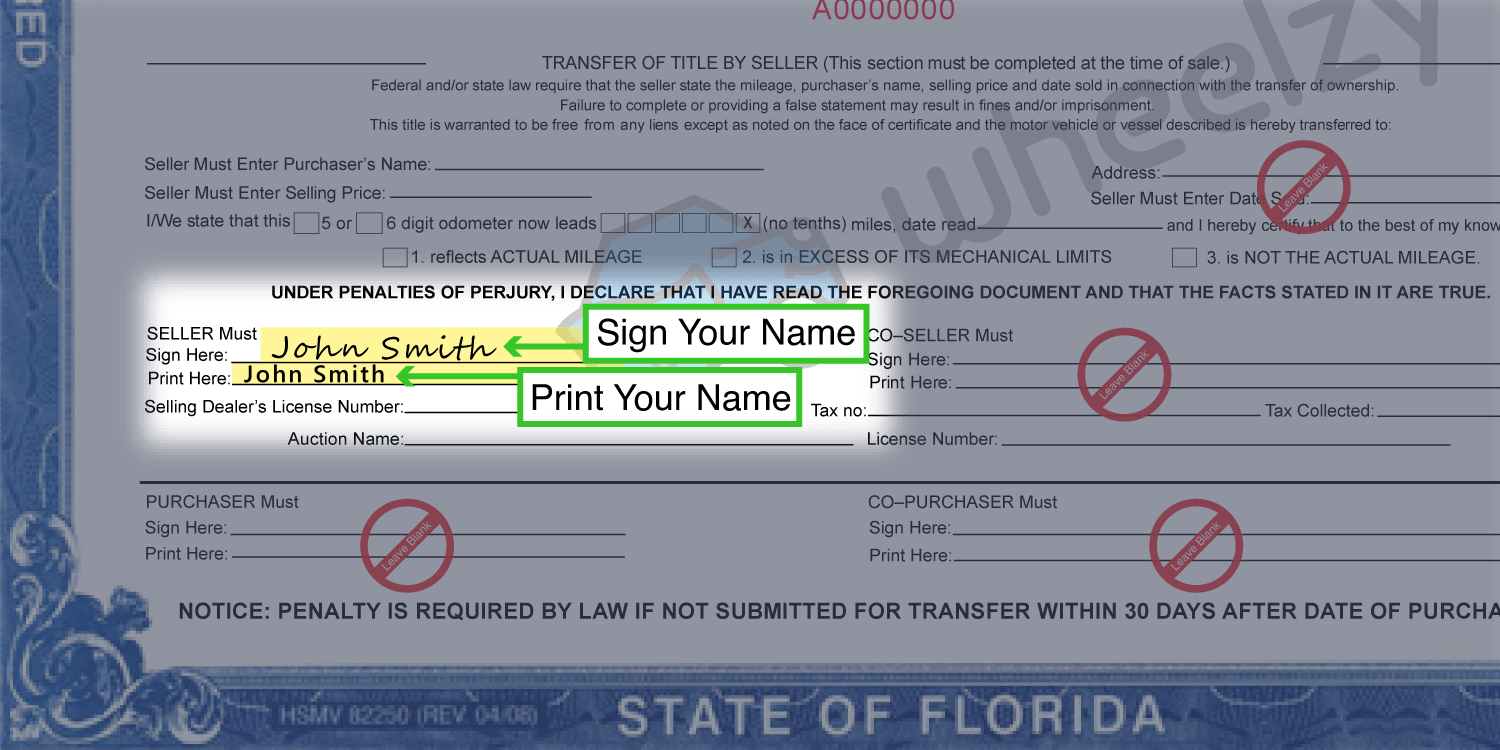
The seller plays a crucial role in initiating the title transfer. Their primary responsibility is to accurately complete the “Transfer of Ownership” section on the back of the existing Florida title.
- Complete the Title: Locate the “Transfer of Ownership” section on the reverse side of the vehicle’s title.
- Seller’s Signature(s): All owners listed on the title must sign in the designated area.
- Buyer’s Information: The buyer’s full legal name and address must be accurately filled in.
- Odometer Reading: The seller must record the current odometer reading of the vehicle. This is a critical disclosure to prevent odometer fraud. Failure to accurately report the mileage can have legal consequences.
- Sale Price: The agreed-upon sale price of the vehicle should be entered. If the vehicle is a gift or being inherited, specific fields or accompanying affidavits may be required, which will be discussed further.
- Date of Sale: The date on which the transaction occurred must be clearly stated.
- Provide Bill of Sale: While not always strictly required for title transfer if the sale price is noted on the title itself, a Bill of Sale is highly recommended. It serves as a receipt and a legal document outlining the terms of the sale. It should include:
- Full names and addresses of both buyer and seller.
- Vehicle’s year, make, model, and VIN.
- Sale price.
- Odometer reading.
- Date of sale.
- Signatures of both buyer and seller.
- A statement that the vehicle is being sold “as-is” can protect the seller from future claims regarding the vehicle’s condition.
- Satisfy Any Liens: If there is a lien on the title (meaning a loan is still outstanding), the seller must have paid off the loan. The lienholder will then release their interest, usually by signing off on the title or providing a separate lien satisfaction document. Without this, the title cannot be legally transferred to a new owner.
Buyer’s Responsibilities
Once the buyer receives the properly completed title from the seller, they become responsible for initiating the transfer of ownership with the FLHSMV. This typically needs to be done within 30 days of acquiring the vehicle to avoid late fees.
- Gather Necessary Documents: The buyer will need the following:
- The properly assigned Florida Certificate of Title, signed by the previous owner(s).
- Proof of identity (e.g., a valid driver’s license or identification card).
- Proof of Florida insurance for the vehicle.
- A completed Application for Certificate of Title With/Without Registration (Form HSMV 82040).
- A Bill of Sale (recommended, as noted above).
- If the vehicle was last titled in another state, the previous out-of-state title and possibly registration.
- If the vehicle is new, a Manufacturer’s Statement of Origin (MSO) or Manufacturer’s Certificate of Origin (MCO).
- If applicable, lien satisfaction documents.
- For gifted vehicles, a “Gift Affidavit” may be required to avoid sales tax.
- For inherited vehicles, a death certificate and possibly probate court documents.
- Visit a Tax Collector’s Office: Title transfers, registrations, and tag renewals in Florida are handled through county Tax Collector offices. You will need to visit the office in the county where you reside. Be prepared for potential wait times.
- Submit Application and Pay Fees: At the Tax Collector’s office, you will submit the completed Application for Certificate of Title With/Without Registration (Form HSMV 82040) along with all supporting documents. You will also need to pay the required fees, which typically include:
- Title Fee: A standard fee for issuing a new title.
- Sales Tax: Florida charges sales tax on the purchase price of the vehicle. This is typically 6% of the sale price, with local surtaxes that can bring the total up to 8.5% in some counties. Exemptions may apply for certain transfers (e.g., between immediate family members, certain non-profit organizations).
- License Plate Fee: If you are also registering the vehicle and need new license plates.
- Registration Fees: Annual fees to operate the vehicle.
- Surcharges and Other Fees: Various smaller fees may apply depending on the specifics of the transaction.
- Receive New Title and Registration: After processing your application and payment, the Tax Collector’s office will issue you a new registration and license plate (if applicable). The new Certificate of Title will be mailed to you from the FLHSMV, usually within a few weeks.
Special Circumstances for Title Transfers
Certain situations require specific documentation or adherence to particular procedures beyond the standard seller-to-buyer transfer. Understanding these special circumstances can prevent delays and ensure compliance.
Transferring a Title for a Gifted Vehicle
When a vehicle is gifted, meaning no money changes hands, the process for sales tax is different. In Florida, a “Gift Affidavit” (Form HSMV 82050) is typically required.
- Affidavit Completion: Both the donor (giver) and the recipient (receiver) may need to complete and sign the Gift Affidavit, declaring that the vehicle was given as a gift and that no payment was made.
- Sales Tax Exemption: If the affidavit is properly executed, the recipient may be exempt from paying sales tax on the vehicle’s value. However, there are often rules about the relationship between the donor and recipient for this exemption to apply (usually immediate family members).
- Title Assignment: The donor will still assign the title over to the recipient, as in a standard sale.
Transferring a Title for an Inherited Vehicle
Inheriting a vehicle also has specific procedures, especially if the deceased did not have a will or if probate is involved.
- With a Will: If the deceased had a will that names an executor, the executor will typically sign the title over to the designated heir(s). A death certificate may be required as proof of the owner’s passing.
- Without a Will (Intestate): If there is no will, Florida law dictates how assets are distributed. This may involve a court-appointed administrator or a simplified process for small estates. You may need to provide a death certificate and potentially court documents proving your right to transfer the title.
- Affidavit of Inheritance: In some cases, an Affidavit of Inheritance may be used to transfer title without formal probate proceedings, particularly for vehicles with a low market value. This requires careful completion and adherence to Florida statutes.
- Joint Ownership: If the deceased owned the vehicle jointly with rights of survivorship, the surviving owner automatically inherits the vehicle. The survivor will need to provide the death certificate to the Tax Collector’s office to remove the deceased’s name from the title.
Transferring a Title for a Vehicle Purchased from Out-of-State
If you purchase a vehicle from another state and intend to register it in Florida, the process is similar to a Florida title transfer but with added requirements.
- Out-of-State Title: You will need the original title from the state where the vehicle was last titled. This title must be properly assigned by the seller.
- VIN Inspection: Vehicles being titled and registered in Florida for the first time that were previously titled in another state generally require a VIN inspection. This is usually performed by a law enforcement officer, a licensed motor vehicle dealer, or at specific inspection stations. The purpose is to verify the VIN matches the documentation and to ensure the vehicle has not been stolen.
- Proof of Sales Tax Paid: You will need to provide proof that you have paid any applicable sales tax to the state of purchase or demonstrate an exemption. If you paid sales tax to another state, Florida may offer a credit for that amount. If no sales tax was paid elsewhere, you will pay Florida sales tax upon titling.
Common Pitfalls and Tips for a Smooth Transaction
Even with careful planning, misunderstandings can arise during the title transfer process. Being aware of common pitfalls and following best practices can significantly streamline the experience.
Common Mistakes to Avoid
- Incomplete or Incorrect Title Information: The most frequent error is sellers not fully completing the “Transfer of Ownership” section, leaving spaces blank, or making uncorrected errors. Any alterations on the title must be accompanied by a notation and initial from the person making the change, which can sometimes invalidate the title.
- Failure to Disclose Liens: Sellers must ensure all liens are satisfied before transferring title. Buyers should always verify the title for any lienholder information.
- Late Submission: Buyers have 30 days to submit the title transfer application to the Tax Collector’s office. Failing to do so can result in late fees and penalties.
- Odometer Rollback or Fraud: Providing a false odometer reading is a serious offense with significant penalties. Always report the accurate mileage.
- Incorrect Sales Tax Calculation: Buyers should be aware of Florida’s sales tax rates and any applicable local surtaxes. Misunderstanding exemptions can lead to unexpected costs.
Tips for a Seamless Transfer
- Meet in a Safe Place: If meeting a seller or buyer in person, choose a public, well-lit location, such as a police station parking lot or a busy bank.
- Verify VIN and Title Details: Before completing the transaction, carefully compare the VIN on the vehicle with the VIN on the title. Check that all other vehicle details match.
- Get Everything in Writing: Always use a Bill of Sale that clearly outlines all terms of the agreement, even if the price is noted on the title.
- Allow Ample Time: Visit the Tax Collector’s office with sufficient time to complete the process, as wait times can vary significantly. Check your local office’s hours of operation and consider making an appointment if available.
- Keep Copies: Make photocopies or take clear photos of the completed title (both sides) and the Bill of Sale for your records.
- Understand Fees Upfront: Before heading to the Tax Collector’s office, familiarize yourself with the potential fees for title transfer, sales tax, registration, and tag. Many county Tax Collector websites provide fee calculators.
By understanding the intricacies of the title transfer process, preparing the necessary documentation, and being mindful of special circumstances, you can ensure a legal, efficient, and stress-free transfer of vehicle ownership in Florida.
LifeOutOfTheBox is a participant in the Amazon Services LLC Associates Program, an affiliate advertising program designed to provide a means for sites to earn advertising fees by advertising and linking to Amazon.com. Amazon, the Amazon logo, AmazonSupply, and the AmazonSupply logo are trademarks of Amazon.com, Inc. or its affiliates. As an Amazon Associate we earn affiliate commissions from qualifying purchases.