
The vast expanse of the United States presents a myriad of travel possibilities, and a journey from the bustling metropolis of New York City to the sprawling landscapes of Texas is a classic example of this continental diversity. While the distance might seem straightforward on a map, the actual flight duration from New York to Texas is influenced by a multitude of factors, ranging from the specific airports involved to the type of flight and even the prevailing atmospheric conditions. Understanding these variables is key to planning your travel itinerary and setting realistic expectations for your journey.

This exploration delves into the typical flight times, the nuances that can cause variations, and practical considerations for travelers embarking on this transcontinental adventure. Whether you’re heading to the vibrant streets of Austin, the cultural hub of Dallas, the historic charm of San Antonio, or the energy-filled metropolis of Houston, knowing the flight duration is a fundamental piece of travel information.
Direct Flight Durations: The Baseline
When discussing flight times from New York to Texas, the most straightforward scenario involves a direct, non-stop flight. These flights are generally preferred by travelers for their efficiency and convenience, minimizing travel time and the complexities associated with layovers.
Major Airport Hubs and Typical Times
The primary airports serving New York are John F. Kennedy International Airport (JFK), LaGuardia Airport (LGA), and Newark Liberty International Airport (EWR). On the Texas side, major destinations include Dallas/Fort Worth International Airport (DFW), Houston George Bush Intercontinental Airport (IAH), Austin-Bergstrom International Airport (AUS), and San Antonio International Airport (SAT).
- New York to Dallas/Fort Worth: A direct flight from New York to Dallas/Fort Worth (DFW) typically spans around 3.5 to 4 hours. This route is exceptionally popular due to Dallas’s status as a major business and cultural center.
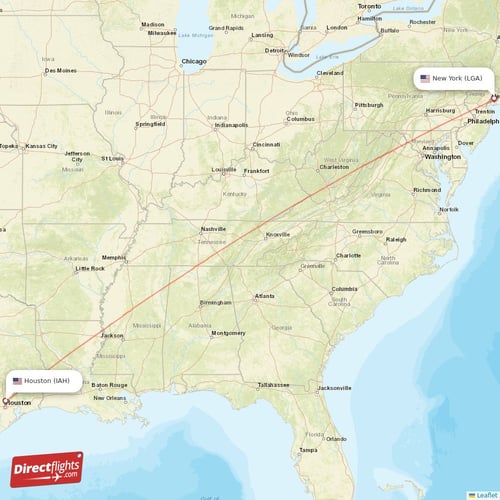
- New York to Houston: Flights to Houston (IAH) generally take a similar amount of time, often ranging from 3.5 to 4 hours. Houston is a sprawling city with a significant economic footprint, making this a frequent travel corridor.
- New York to Austin: For travelers heading to the capital city of Austin, direct flights usually clock in at approximately 4 to 4.5 hours. Austin’s growing popularity as a tech and music destination has increased flight demand.
- New York to San Antonio: Flights to San Antonio (SAT) tend to be slightly longer, often in the 4 to 4.5 hour range.
These durations are based on average flight speeds and direct flight paths. It is crucial to remember that these are estimates, and actual flight times can fluctuate. Airlines will provide the most accurate estimated duration for a specific flight when booking.
Factors Influencing Flight Duration
While direct flight times offer a useful benchmark, several variables can impact how long your journey actually takes. Being aware of these can help manage expectations and prepare for potential adjustments.
Aircraft Type and Speed
Different aircraft are designed for varying speeds and efficiencies. Larger, wide-body jets might have different cruising speeds compared to smaller, more agile narrow-body aircraft. While most transcontinental flights between New York and Texas utilize narrow-body planes like the Boeing 737 or Airbus A320 families, subtle differences in these models and their operational profiles can contribute to minor variations in flight time.
Flight Path and Air Traffic Control
The most significant determinant of flight duration, beyond the direct distance, is the actual flight path taken. Airlines do not always fly in a perfectly straight line from point A to point B. Instead, they follow established air routes, often dictated by air traffic control, weather patterns, and airspace restrictions.
- Jet Streams: The presence and strength of jet streams – fast-flowing, narrow air currents in the upper atmosphere – can significantly influence flight times. Flying eastward with a tailwind from a jet stream can shorten a flight, while flying westward against a headwind can lengthen it. While Texas is generally west of New York, the exact orientation and strength of prevailing jet streams on any given day can impact flight efficiency.
- Air Traffic Congestion: Major air travel hubs, particularly those in the Eastern and Central United States, can experience significant air traffic congestion. Air traffic control may direct aircraft to fly longer routes or hold in holding patterns to manage traffic flow, especially during peak travel times. This can add minutes, or sometimes even longer, to the scheduled flight duration.
- Weather Conditions: Adverse weather, such as thunderstorms, strong crosswinds, or even fog at the departure or arrival airports, can necessitate rerouting or flight delays. While aircraft can often fly above or around significant weather systems, unpredictable conditions can force deviations from the most direct path.
Time of Day and Day of Week

While not directly affecting the airborne time, the time of day and day of the week can indirectly influence flight duration through air traffic congestion. Flights departing during peak hours (early morning or late afternoon/evening) from busy airports like JFK or arriving into busy Texas airports might experience more delays or require longer taxi times on the ground. Weekend travel can also see higher volumes of leisure and business travelers, potentially impacting overall efficiency.
Understanding Connecting Flights
For travelers seeking more economical options or if direct flights are unavailable, connecting flights are a common alternative. These journeys involve a stopover at an intermediate airport, adding significant time to the overall travel experience.
The Impact of Layovers
The duration of a connecting flight is not simply the sum of two flight legs. It includes the time spent on the ground during the layover, which can vary dramatically.
- Layover Duration: A typical layover can range from 45 minutes to several hours. A short layover might feel rushed, especially if the connecting gate is far from the arrival gate, or if there are delays on the first leg of the journey. Longer layovers provide more time to deplane, navigate the airport, and re-board, but they also significantly extend the total travel time.
- Airport Choice: The airport where the layover occurs plays a crucial role. Larger, more complex airports may require more time to navigate between gates. Some airlines might route connections through their hub airports, which are designed for efficient passenger transfer, while others might involve less optimized connections.
- Number of Connections: Most flights from New York to Texas will involve one, or occasionally two, connections if a direct flight is not chosen. Each connection adds to the overall travel time.
Calculating Total Travel Time
When considering a connecting flight, it’s essential to look at the total travel time advertised by the airline. This figure includes the time spent in the air and the layover duration.
- Example: A flight from New York to Austin with a connection in Chicago might have a direct flight time of 4.5 hours. However, if the layover in Chicago is 2 hours, the total travel time for the connecting flight could easily be 7 to 8 hours or more, depending on taxi times and boarding procedures.
Travelers opting for connecting flights should always verify the layover times and consider the potential for delays on both flight segments. Building in extra buffer time is often advisable, especially when connecting to a flight that is crucial for an important event or appointment.
Preparing for Your Flight: Practical Tips
To ensure a smooth travel experience when flying from New York to Texas, a bit of planning goes a long way.
Booking Your Flight
- Flexibility: If your travel dates are flexible, try searching for flights on different days of the week, as prices and availability can vary.
- Compare Airports: Consider flying into or out of different airports in both the New York metropolitan area and Texas if it offers significant time or cost savings. For instance, flying into Dallas Love Field (DAL) instead of DFW might be an option for certain destinations within Dallas.
- Read the Fine Print: Always check the total travel time, layover durations, and the specific airports involved when booking.
During Your Flight
- Stay Hydrated and Comfortable: Long flights, even relatively short ones across the country, can be dehydrating. Drink plenty of water. Wear comfortable clothing and layers, as cabin temperatures can fluctuate.
- Entertainment: Ensure you have downloaded movies, music, or books to keep yourself entertained. Many airlines offer in-flight Wi-Fi, but it often comes at a cost.
- Arrival: Remember that Texas observes Central Time (CT), while New York observes Eastern Time (ET). Texas is two hours behind New York. Factor this time difference into your arrival plans. For example, a 4-hour flight departing New York at 2 PM ET will arrive in Texas at approximately 6 PM CT.
Ultimately, the flight from New York to Texas is a manageable journey that connects two distinct and vibrant regions of the United States. By understanding the typical durations and the factors that influence them, travelers can better prepare for their trip and make informed decisions to ensure a seamless and enjoyable travel experience.
LifeOutOfTheBox is a participant in the Amazon Services LLC Associates Program, an affiliate advertising program designed to provide a means for sites to earn advertising fees by advertising and linking to Amazon.com. Amazon, the Amazon logo, AmazonSupply, and the AmazonSupply logo are trademarks of Amazon.com, Inc. or its affiliates. As an Amazon Associate we earn affiliate commissions from qualifying purchases.