
Navigating the process of applying for food assistance in Colorado can seem daunting, but understanding the steps involved can make it a manageable endeavor. This guide aims to demystify the application process for the Supplemental Nutrition Assistance Program (SNAP), often colloquially referred to as food stamps, in the Centennial State. While this article focuses on the administrative aspects of securing this vital resource, it’s important to acknowledge that access to affordable and nutritious food is a fundamental component of lifestyle well-being, impacting everything from family trips to budget travel considerations.
Understanding SNAP in Colorado
The Supplemental Nutrition Assistance Program (SNAP) is a federal program administered at the state level. In Colorado, it is managed by the Colorado Department of Human Services (CDHS) and implemented by county departments of social or human services. The primary goal of SNAP is to combat hunger and improve nutrition by providing eligible low-income individuals and families with monthly benefits to purchase food.
Eligibility Requirements
Eligibility for SNAP in Colorado is determined by a combination of factors, including household income, household size, and certain work requirements, though waivers exist for some areas.
Income Limits
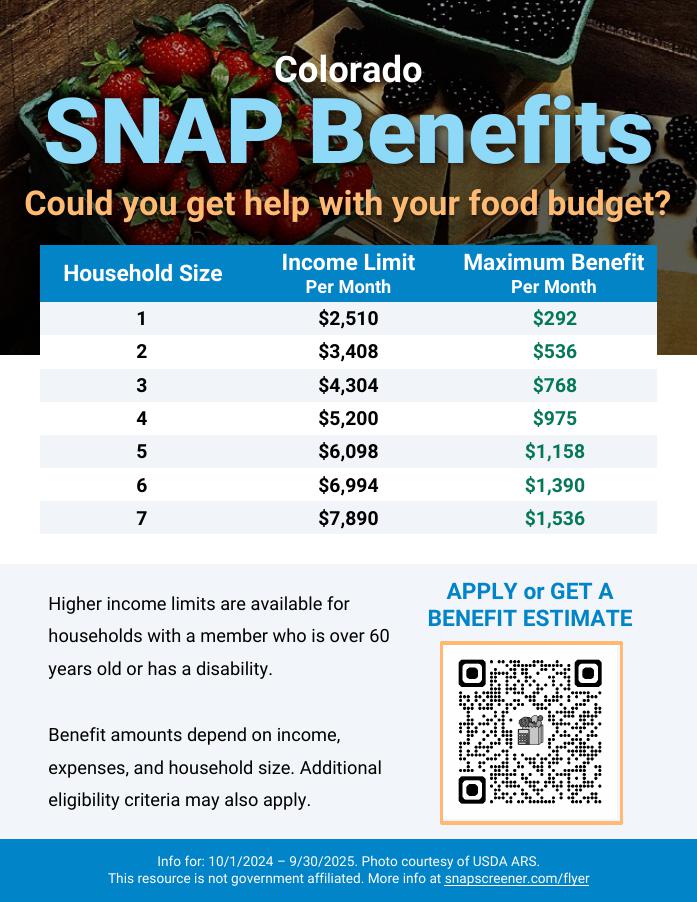
Households must meet specific gross and net income limits. These limits vary based on household size and are subject to change annually. Generally, the gross income limit is set at 130% of the federal poverty level, while the net income limit is 100% of the federal poverty level. Some deductions are allowed, such as expenses for dependent care, medical expenses for elderly or disabled individuals, and a standard deduction.
Household Size
The size of the household is a primary factor in determining benefit amounts and income eligibility. A household is defined as a group of people who live together and usually buy and eat food together.
Assets
There are also asset limits for most households, though certain exceptions apply. For households without an elderly or disabled member, the limit is typically $2,500 in countable assets. For households with an elderly or disabled member, this limit is increased to $3,750. Countable assets generally include cash, checking and savings accounts, and some stocks and bonds. Things like a home and a single vehicle are usually not counted.
Work Requirements
Most able-bodied adults without dependents between the ages of 18 and 49 are subject to work requirements. This typically involves participating in a work program, seeking employment, or engaging in job training for at least 20 hours per week. However, there are provisions for exemptions, such as for individuals who are pregnant, medically certified as physically or mentally unfit for work, or caring for a young child. Certain geographic areas in Colorado may also have waivers for these work requirements.
How Benefits are Calculated
Once deemed eligible, SNAP benefits are calculated based on the household’s net income and the maximum benefit amount for their household size. The maximum benefit amount is intended to provide a nutritionally adequate diet. The household’s net monthly income is then subtracted from this maximum amount to determine the monthly benefit. For example, a family of four that qualifies for the maximum monthly benefit might have their benefit reduced by half of their net income.
The Application Process in Colorado
Applying for SNAP in Colorado can be done through several convenient methods, catering to different preferences and accessibility needs.
Online Application
The most common and often quickest way to apply is through the state’s online portal. The Colorado PEAK (Program Eligibility and Application Kit) website is the centralized platform for applying for various public assistance programs, including SNAP, Medicaid, and TANF.
Navigating the PEAK Website
To apply online, individuals will need to create an account on the Colorado PEAK website. Once logged in, they can start a new application. The application will ask for detailed information about all household members, including personal details, income sources, expenses, and assets. It is crucial to provide accurate and complete information to avoid delays or potential denial of benefits. Applicants will be guided through a series of questions and sections, and it’s advisable to have relevant documents readily available.
Document Uploads
During the online application process, applicants will often be prompted to upload supporting documents. These may include proof of identity, proof of residency, income verification (such as pay stubs, benefit award letters, or self-employment records), and verification of certain expenses. The system will specify the types of documents required and the acceptable file formats.
In-Person Application
For those who prefer or require in-person assistance, applications can be submitted at local county Departments of Social or Human Services offices. Each county in Colorado has its own office, and applicants can find the nearest location on the CDHS website.
Finding Your Local Office
A quick search on the Colorado Department of Human Services website will provide a directory of county offices with their addresses and contact information. It’s often a good idea to call ahead to confirm their operating hours and any specific requirements for in-person applications, such as bringing original documents rather than copies.
Assistance at the Office
County office staff are available to assist applicants in filling out the application forms and understanding the requirements. This can be particularly helpful for individuals who are not comfortable with technology or who have complex household situations.
By Mail or Fax
Applications can also be downloaded from the Colorado PEAK website, filled out by hand, and then mailed or faxed to the local county department. This method may take longer due to mail processing times.
After Submission: What to Expect
Once an application is submitted, a series of steps occur to determine eligibility and benefit issuance.
Interview
Most applicants will be required to participate in an interview, typically conducted by phone, though in-person interviews may also be an option. This interview is an opportunity for the county caseworker to review the application, clarify any missing information, and assess eligibility. Applicants should be prepared to discuss their household circumstances, income, expenses, and any other relevant details.
Verification of Information
The county department will verify the information provided in the application through various means, including checking state and federal databases and requesting additional documentation if needed. This verification process ensures that benefits are provided to those who are truly eligible.
Decision and Notice
After the interview and verification process are complete, a decision will be made regarding the applicant’s eligibility. Applicants will receive a written notice, either by mail or electronically through the PEAK portal, informing them of the decision. If approved, the notice will specify the benefit amount and the expected date of issuance. If denied, the notice will explain the reasons for the denial and outline the applicant’s right to appeal.
Benefit Issuance
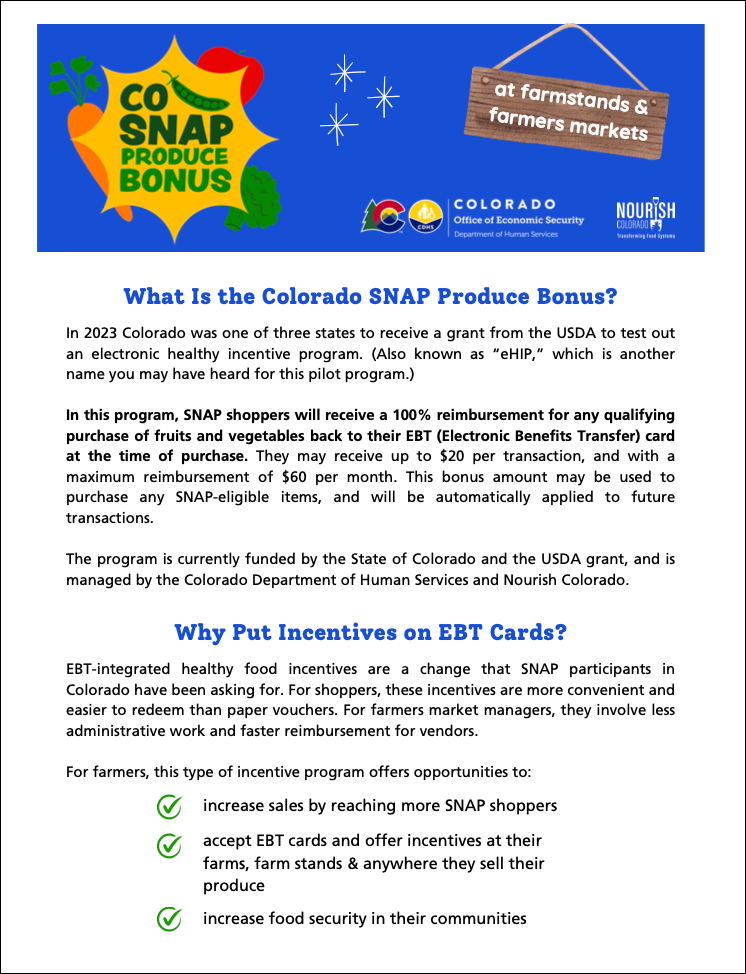
Eligible households receive their SNAP benefits on an Electronic Benefits Transfer (EBT) card, often referred to as a “Quest card.” These cards function much like a debit card and can be used at authorized grocery stores and farmers’ markets. Benefits are typically loaded onto the card monthly, on a staggered schedule based on the last digit of the applicant’s social security number.
Maintaining Eligibility and Reporting Changes
Receiving SNAP benefits is an ongoing process that requires adherence to certain rules and reporting of significant life changes.
Reporting Changes
It is the responsibility of the SNAP recipient to report any changes in their household circumstances that may affect their eligibility or benefit amount. This includes, but is not limited to:
- Changes in income: Any increase or decrease in income for any household member.
- Changes in household composition: Someone moving in or out of the household.
- Changes in work status: Loss of employment or starting a new job.
- Changes in expenses: Significant increases or decreases in allowable deductions.
- Changes in assets: Exceeding the asset limit.
Failure to report changes in a timely manner can lead to an overpayment of benefits, which must be repaid, and potential penalties. Most changes must be reported within 10 days of the change occurring.
Recertification
SNAP benefits are not permanent. Households must recertify their eligibility periodically, usually every 6 or 12 months, depending on their circumstances. A recertification form will be sent to the household, and it must be completed and returned along with updated documentation. This process ensures that recipients continue to meet the eligibility requirements.
Resources and Support
Navigating the SNAP application process can sometimes be challenging, and various resources are available to assist Coloradans.
Colorado PEAK Website
As mentioned, the Colorado PEAK website (coloradopeak.secure.force.com) is an invaluable resource, offering application portals, information on eligibility, and access to case management.
County Human Services Departments
Local county human services departments are the primary point of contact for SNAP applications and ongoing case management. They can provide personalized assistance and answer specific questions related to an individual’s situation.
Food Pantries and Community Organizations
While SNAP provides essential food assistance, many communities also have food pantries and other organizations that offer supplemental support. These resources can be particularly helpful for individuals experiencing temporary food insecurity or during the waiting period for SNAP benefits to be approved. Organizations like Food Bank of the Rockies and local community centers often provide access to fresh produce and pantry staples.

Legal Aid and Advocacy Groups
For complex cases or appeals, legal aid services and advocacy groups can offer valuable assistance and representation. These organizations champion the rights of individuals seeking public assistance and can help navigate the complexities of the legal and administrative systems.
Securing food assistance through SNAP in Colorado is a critical step for many individuals and families striving for financial stability and improved well-being. By understanding the eligibility criteria, the application process, and the ongoing responsibilities, applicants can more effectively access this vital program. This support can have a ripple effect, enabling families to allocate resources towards other aspects of their lifestyle, such as planning budget-friendly travel experiences or ensuring their children have access to healthy meals for school.
LifeOutOfTheBox is a participant in the Amazon Services LLC Associates Program, an affiliate advertising program designed to provide a means for sites to earn advertising fees by advertising and linking to Amazon.com. Amazon, the Amazon logo, AmazonSupply, and the AmazonSupply logo are trademarks of Amazon.com, Inc. or its affiliates. As an Amazon Associate we earn affiliate commissions from qualifying purchases.