
Understanding the time difference between New York and Paris is a fundamental piece of knowledge for any traveler planning a transatlantic journey or conducting international business. This seemingly simple question unlocks a cascade of practical considerations, from scheduling flights and making reservations to coordinating with loved ones and navigating your arrival with minimal jet lag. This article delves into the specifics of this time differential, exploring its implications for travel and offering insights to help you make the most of your intercontinental experiences.
The Core Time Difference Explained
At its heart, the time difference between New York City and Paris is determined by their respective time zones and the implementation of Daylight Saving Time (DST).

Standard Time Zones
New York operates on Eastern Standard Time (EST) during the winter months, which is Coordinated Universal Time (UTC) minus five hours (UTC-5). Paris, on the other hand, observes Central European Time (CET) during its standard period, which is UTC plus one hour (UTC+1).
This means that when New York is on standard time, Paris is generally six hours ahead. For example, if it is 9:00 AM on a Tuesday in New York, it is 3:00 PM on the same Tuesday in Paris.
Daylight Saving Time Adjustments
The complication arises with Daylight Saving Time. Both the United States and much of Europe, including France, observe DST, but their dates of implementation and cessation differ.
- United States (New York): Daylight Saving Time (EDT) begins on the second Sunday in March and ends on the first Sunday in November. During this period, New York observes UTC-4.
- Europe (Paris): Daylight Saving Time (CEST – Central European Summer Time) begins on the last Sunday in March and ends on the last Sunday in October. During this period, Paris observes UTC+2.
These staggered start and end dates for DST can lead to brief periods where the time difference is not the standard six hours. For about three weeks in March and one week in October/November, the difference can be five hours.
The Six-Hour Rule of Thumb
Despite the DST nuances, the most common and easiest way to remember the time difference is the six-hour gap. Paris is almost always six hours ahead of New York. This rule of thumb serves most travelers well for planning purposes.
Practical Implications for Travelers
The time difference has significant practical implications for anyone traveling between New York and Paris, impacting everything from flight bookings to daily schedules.
Flight Scheduling and Arrival
When booking flights, it’s crucial to be aware of the time difference. A flight departing New York in the evening might arrive in Paris the following morning.
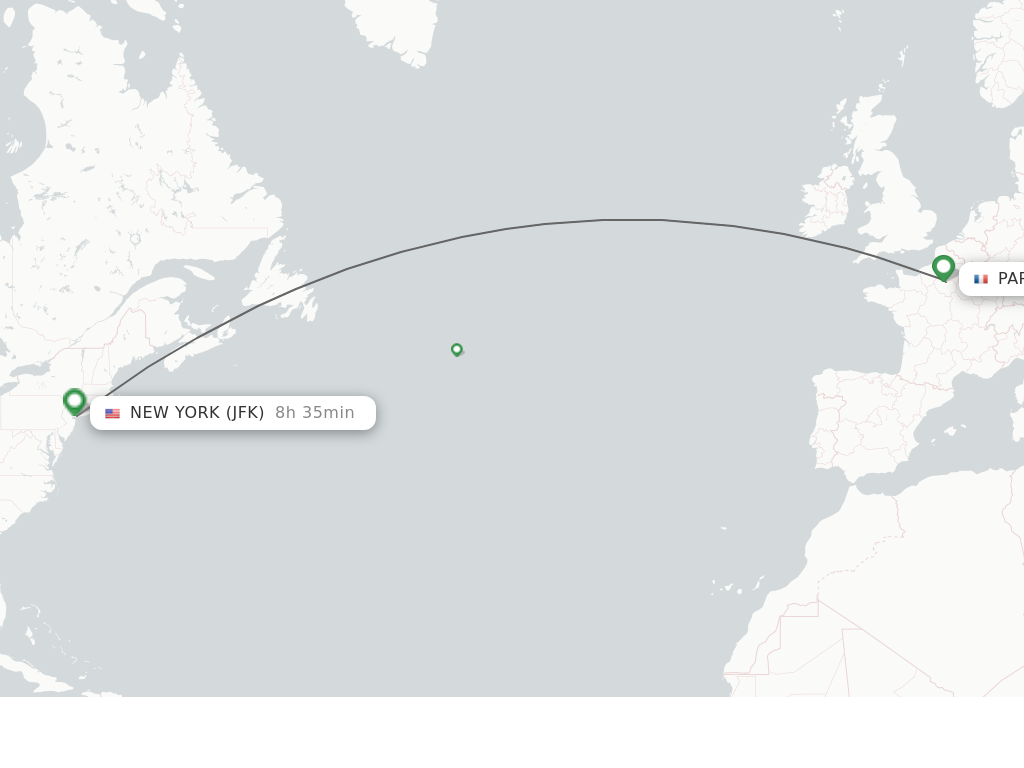
For instance, a flight leaving JFK Airport in New York at 7:00 PM EST on a Monday would likely land at Charles de Gaulle Airport in Paris around 9:00 AM CEST on a Tuesday. This means the actual flight duration might be around 7-8 hours, but the elapsed time due to the time difference makes it appear longer in terms of local arrival time.
Understanding this helps in planning your first day in Paris. You’ll be arriving in the morning, which is ideal for maximizing your sightseeing opportunities after a night spent in the air.
Making Reservations and Appointments
Whether booking a table at a renowned Parisian restaurant like Le Jules Verne or scheduling a tour of the Louvre Museum, you must factor in the time difference.
If you wish to book a dinner reservation for 8:00 PM in Paris, this translates to 2:00 PM in New York. This is vital for coordinating with people back home or ensuring you don’t miss a crucial business meeting scheduled in New York while you are enjoying your evening in Paris.
Communication with Home
Staying in touch with family and friends is an important aspect of any trip. The six-hour gap means that when it’s daytime in New York, it’s likely evening or night in Paris, and vice versa.

A late afternoon call from New York might catch someone in Paris just as they are finishing work or heading out for the evening. Conversely, a morning call from Paris will correspond to the middle of the night for most of New York residents. Planning calls during their respective waking hours requires careful consideration of this time differential.
Navigating Jet Lag and Acclimatization
The significant time difference between New York and Paris is a primary contributor to jet lag, a common ailment for international travelers. Jet lag occurs when your body’s internal clock, or circadian rhythm, is desynchronized from the new time zone.
Understanding Jet Lag Symptoms
Symptoms of jet lag can include fatigue, insomnia, irritability, difficulty concentrating, and digestive issues. The more time zones you cross, the more severe the jet lag tends to be. Traveling eastward from New York to Paris is often considered more challenging than traveling westward, as it requires your body to adjust to an earlier schedule.
Strategies for Minimizing Jet Lag
Fortunately, there are several strategies to help mitigate the effects of jet lag when traveling to Paris from New York:
Pre-Travel Adjustments
- Gradually Shift Your Sleep Schedule: A few days before your trip, try to adjust your sleep and wake times by an hour or two each day to align with Parisian time. This means going to bed and waking up earlier if you are traveling east.
- Stay Hydrated: Drink plenty of water in the days leading up to your flight. Dehydration can exacerbate jet lag symptoms.
During the Flight
- Adjust Your Watch: As soon as you board the plane, set your watch to Paris time. This mental shift can help you begin adapting.
- Stay Hydrated: Continue to drink plenty of water on the plane and avoid excessive alcohol and caffeine, which can disrupt sleep and contribute to dehydration.
- Sleep Strategically: Try to sleep on the plane during the times you would normally be sleeping in Paris. Use an eye mask and earplugs to create a conducive sleep environment.
Upon Arrival in Paris
- Embrace Local Time: The most crucial step is to immediately adopt Parisian time. Eat meals, go to sleep, and wake up according to the local schedule, even if you don’t feel tired.
- Seek Natural Light: Expose yourself to sunlight, especially in the morning. Natural light is a powerful signal for your body’s internal clock. Take a stroll along the Seine River or through the Jardin des Tuileries to get your bearings and soak up the daylight.
- Stay Active: Light physical activity can help you feel more awake and can also aid in sleeping better at night.
- Limit Naps: If you must nap, keep it short (20-30 minutes) and avoid long naps that can interfere with nighttime sleep.
- Avoid Heavy Meals Before Bed: Opt for lighter meals in the evening.
By proactively managing these factors, travelers can significantly reduce the impact of jet lag and start enjoying their time in the beautiful city of Paris with more energy and enthusiasm.
Exploring Paris: Time-Sensitive Activities
Knowing the time difference is not just about avoiding confusion; it can also unlock unique travel experiences in Paris.
Sunrise and Sunset Views
Paris is renowned for its stunning sunrises and sunsets, which can be enjoyed from iconic vantage points.
- Sunrise: Catching the sunrise over the Eiffel Tower or from the steps of Sacré-Cœur Basilica offers a magical start to the day. If you are an early riser in Paris, this would be in the very early morning, a time that might still be the middle of the night in New York. This temporal advantage allows for a peaceful, uncrowded experience of these landmarks.
- Sunset: Witnessing the sunset paint the sky behind the Arc de Triomphe or casting a warm glow on the Notre Dame Cathedral is equally breathtaking. Sunset in Paris will correspond to an afternoon in New York, making it a perfect time for a romantic evening stroll or aperitif.
Museum Hours and Evening Events
Parisian museums, such as the Musée d’Orsay or the Centre Pompidou, often have extended evening hours on certain days of the week. Knowing the time difference ensures you can plan your visits efficiently, potentially enjoying a museum experience after a full day of sightseeing. This can also be a strategic advantage for coordinating with those back home, as an evening museum visit in Paris might coincide with a standard working afternoon in New York.
Dining and Nightlife
Paris truly comes alive after dark. Restaurants begin to fill up for dinner from around 7:30 PM or 8:00 PM, and the city’s vibrant nightlife extends well into the early morning. Understanding the time difference helps you gauge when your dining or entertainment choices in Paris align with social norms and business hours in New York. For instance, a late-night bistro experience in Paris would be an early evening in New York, a perfectly acceptable time for a casual dinner.
By meticulously considering the time difference between New York and Paris, travelers can transform potential logistical challenges into opportunities for smoother travel, enhanced experiences, and a more profound connection with their destination. Whether planning a luxury escape to the Ritz Paris or a budget-friendly adventure exploring the charming streets of Montmartre, mastering the clock is your first step towards an unforgettable journey.
LifeOutOfTheBox is a participant in the Amazon Services LLC Associates Program, an affiliate advertising program designed to provide a means for sites to earn advertising fees by advertising and linking to Amazon.com. Amazon, the Amazon logo, AmazonSupply, and the AmazonSupply logo are trademarks of Amazon.com, Inc. or its affiliates. As an Amazon Associate we earn affiliate commissions from qualifying purchases.