
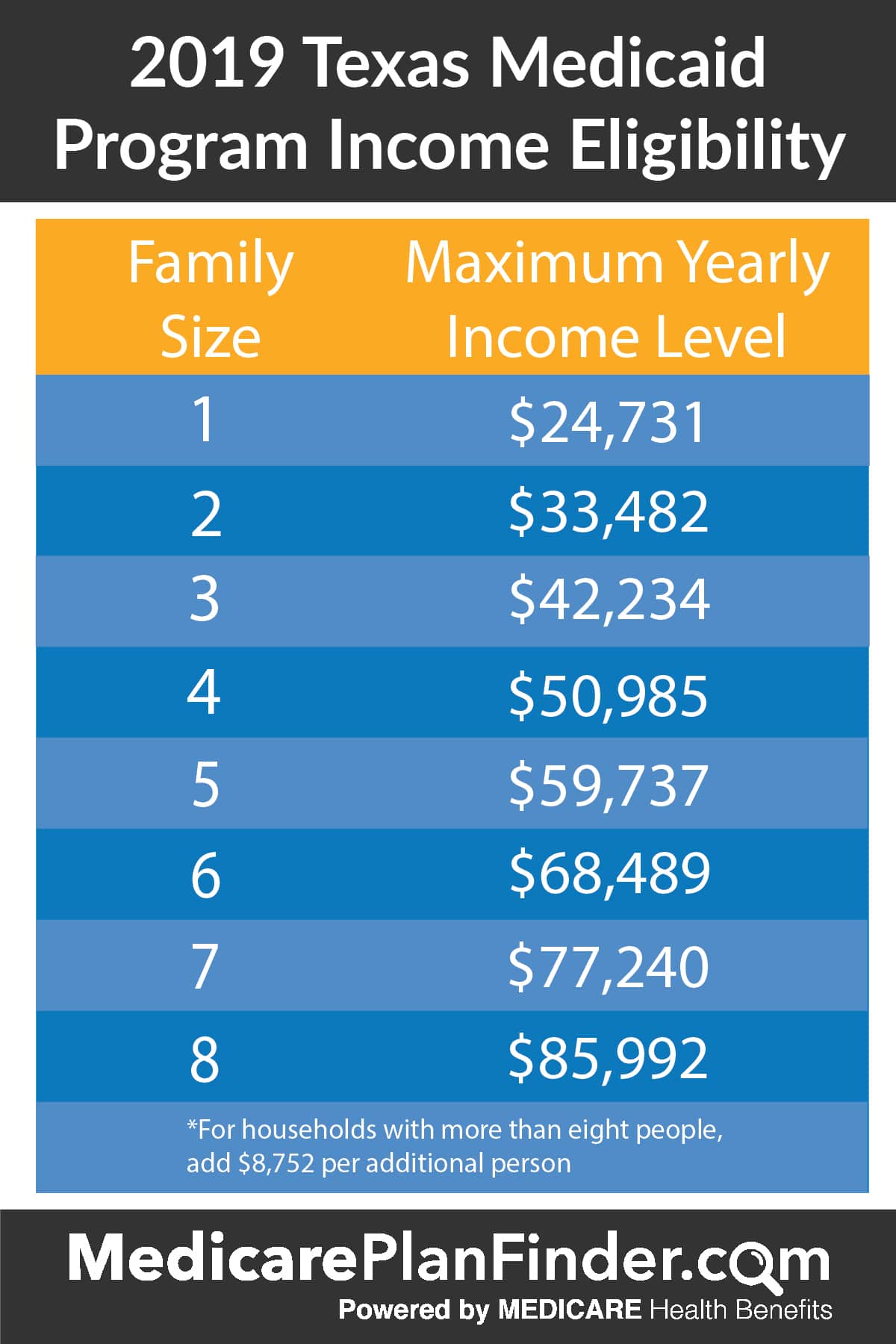
Medicaid in Texas serves as a vital healthcare program for millions of residents, offering a comprehensive range of medical services to those who qualify based on income, household size, disability, or age. Understanding the specifics of what Medicaid covers in the Lone Star State is crucial for beneficiaries to effectively navigate the healthcare system and ensure they receive the care they need. This program is administered by the Texas Health and Human Services Commission (HHSC) and aims to provide access to essential healthcare services, from routine check-ups to specialized treatments.
Essential Medical Services Covered
The core of Medicaid coverage in Texas revolves around providing access to a broad spectrum of essential medical services. These services are designed to address preventive care, acute illnesses, chronic condition management, and rehabilitative needs. For families, individuals, and seniors, knowing these covered services can significantly impact their ability to manage their health and well-being without facing prohibitive out-of-pocket costs.
Doctor Visits and Primary Care
Regular visits to a primary care physician are fundamental to maintaining good health. Medicaid in Texas covers routine doctor’s appointments for check-ups, physicals, and consultations regarding any health concerns. This includes visits to pediatricians for children, internists for adults, and family practitioners who can provide comprehensive care for all ages. Early detection of potential health issues through these visits is a key benefit of the program.
Specialist Care
Beyond general practitioners, Medicaid also provides access to a wide array of medical specialists. If a primary care physician recommends further evaluation or treatment by a specialist, such as a cardiologist, dermatologist, endocrinologist, or neurologist, Medicaid typically covers these consultations and subsequent treatments. This ensures that Texans can receive specialized care for complex or specific health conditions without financial barriers.
Hospitalization and Inpatient Services
In instances requiring more intensive medical intervention, Medicaid covers inpatient hospital services. This includes hospitalization for surgeries, treatment of severe illnesses or injuries, and recovery care. Coverage extends to services provided by hospitals, including room and board, nursing care, physician services, and medications administered during the hospital stay.
Prescription Drugs
Access to necessary medications is a critical component of healthcare. Medicaid in Texas offers prescription drug coverage, often referred to as a Pharmacy Benefit. This coverage helps beneficiaries afford a wide range of prescription medications, from over-the-counter remedies to life-saving drugs. While there might be specific formularies or co-pays associated with certain medications, the program significantly reduces the financial burden of prescription costs.
Mental Health Services
Recognizing the integral connection between mental and physical health, Medicaid in Texas provides coverage for a variety of mental health services. This includes counseling, therapy, psychiatric evaluations, and treatment for mental health conditions. Access to these services is crucial for individuals struggling with depression, anxiety, substance use disorders, and other mental health challenges. The program aims to support holistic well-being.
Laboratory and Diagnostic Services
Diagnostic tests are essential for accurate diagnosis and effective treatment planning. Medicaid covers various laboratory services, including blood tests, urine tests, and other diagnostic screenings. It also covers imaging services such as X-rays, CT scans, MRIs, and ultrasounds, which are vital for visualizing internal structures and identifying abnormalities.
Specialized Coverage Areas
In addition to the general medical services, Texas Medicaid offers specialized coverage tailored to specific health needs and populations. These programs ensure that vulnerable groups and individuals with particular conditions receive the appropriate and often extensive care they require.
Maternal and Child Health

A significant focus of Medicaid in Texas is on maternal and child health. This includes comprehensive prenatal care for expectant mothers, which covers regular check-ups, ultrasounds, and necessary medical interventions throughout pregnancy. Postnatal care for both mother and child is also covered, ensuring a healthy start for newborns. For children, Medicaid covers well-child visits, immunizations, vision and hearing screenings, and treatment for common childhood illnesses. This commitment to early care is paramount for long-term health outcomes.
Dental Services
While coverage can vary slightly, Medicaid in Texas does provide dental services for beneficiaries. For children, this coverage is typically more comprehensive, including routine cleanings, exams, fillings, and necessary extractions. For adults, coverage may be more limited, often focusing on emergency dental care or specific procedures. It is advisable for beneficiaries to confirm the exact scope of dental benefits with their specific Medicaid plan.
Vision Care
Maintaining good vision is essential for daily life. Texas Medicaid covers routine eye exams for both children and adults, helping to detect vision problems early. Depending on the specific benefit package, coverage may also extend to prescription eyeglasses or contact lenses and treatment for certain eye conditions.
Home Health Services
For individuals who require ongoing care but are able to remain in their homes, Medicaid can cover home health services. This can include skilled nursing care, physical therapy, occupational therapy, speech therapy, and personal care services provided by home health agencies. These services are often crucial for individuals recovering from surgery, managing chronic illnesses, or living with disabilities, allowing them to maintain independence and quality of life.
Durable Medical Equipment (DME)
Durable Medical Equipment (DME) refers to equipment that is prescribed by a doctor for medical use and is expected to last for an extended period. Medicaid in Texas covers a range of DME, such as wheelchairs, walkers, crutches, hospital beds, nebulizers, and prosthetics. This equipment plays a vital role in assisting individuals with mobility, daily living activities, and managing chronic conditions.
Long-Term Care Services
For seniors and individuals with disabilities who require ongoing assistance with daily living activities, Medicaid is a primary source of funding for long-term care services. These services are often extensive and can be provided in various settings.
Nursing Facility Care
Medicaid covers the cost of care in nursing facilities (nursing homes) for individuals who meet the medical necessity criteria. This includes room and board, skilled nursing care, and other medical services provided in these facilities. This coverage is essential for those who can no longer be safely cared for at home.
Home and Community-Based Services (HCBS)
To provide alternatives to institutional care, Texas Medicaid offers a variety of Home and Community-Based Services (HCBS). These programs allow individuals to receive care in their own homes or in community settings. Services can include:
- Personal Care Services: Assistance with activities of daily living such as bathing, dressing, eating, and toileting.
- Respite Care: Temporary relief for primary caregivers, allowing them a break from their caregiving responsibilities.
- Home Modifications: Assistance with modifications to a person’s home to improve accessibility and safety, such as installing ramps or grab bars.
- Case Management: Services that help coordinate care and connect individuals with necessary resources and support.
These HCBS programs are designed to promote independence, enhance quality of life, and offer more personalized care options for eligible individuals.
Navigating Medicaid in Texas
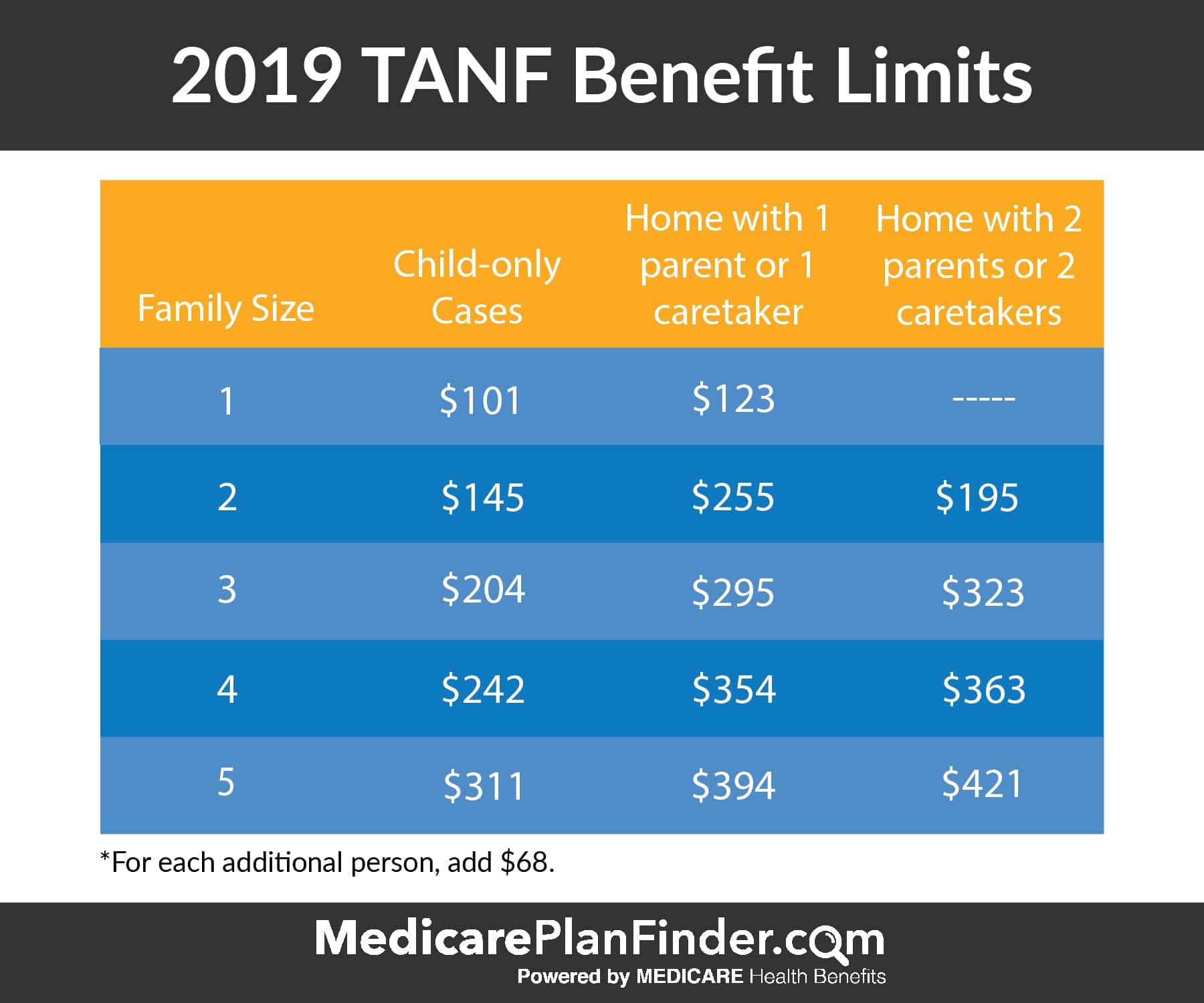
Understanding the nuances of Medicaid coverage in Texas involves knowing how to enroll, how to choose a provider, and what to do if services are denied. The Texas Health and Human Services Commission website is a primary resource for detailed information, application assistance, and program updates. Many beneficiaries also receive their care through managed care organizations, which are private insurance companies contracted by the state to administer Medicaid benefits. It is important for beneficiaries to be aware of their specific managed care plan and the network of providers available to them. Keeping records of services received and any communication with Medicaid or providers is also advisable.
LifeOutOfTheBox is a participant in the Amazon Services LLC Associates Program, an affiliate advertising program designed to provide a means for sites to earn advertising fees by advertising and linking to Amazon.com. Amazon, the Amazon logo, AmazonSupply, and the AmazonSupply logo are trademarks of Amazon.com, Inc. or its affiliates. As an Amazon Associate we earn affiliate commissions from qualifying purchases.