
The 2023 hurricane season, while not as historically active as some previous years, still presented challenges and concerns for the Sunshine State. While the full impact of tropical cyclones can be far-reaching, affecting everything from local economies to long-term infrastructure, understanding which storms made landfall in Florida provides crucial insight for residents, businesses, and prospective visitors alike. This review focuses on the tropical systems that directly impacted the state, detailing their paths, intensities, and the broader implications for tourism and travel planning in the region.
Tracking the Storms: A Look at the 2023 Season
The 2023 Atlantic hurricane season officially ran from June 1 to November 30. Forecasters at the National Oceanic and Atmospheric Administration (NOAA) predicted a near-normal to slightly above-normal season, with a range of 12 to 17 named storms, 5 to 9 hurricanes, and 1 to 4 major hurricanes. These predictions, while not always perfectly accurate, serve as an important baseline for preparedness. For Florida, a state inherently vulnerable to tropical activity, monitoring these systems is paramount for safeguarding lives, property, and the vital tourism industry.
The season proved to be more active than initially predicted, with 20 named storms, 7 hurricanes, and 3 major hurricanes. While not all of these systems directly threatened or impacted Florida, understanding their trajectories and intensities is crucial for a comprehensive overview. The following systems were the most significant in their interaction with the state.
Tropical Storm Harold
While not a hurricane, Tropical Storm Harold deserves mention for its early-season impact on the western part of the state. Forming on August 21st, Harold was a relatively short-lived storm that made landfall near Sanibel Island, Florida, as a weak tropical storm.
Path and Intensity
Harold developed rapidly in the Gulf of Mexico and its landfall brought gusty winds and moderate rainfall to portions of Southwest Florida, including areas still recovering from the devastating impacts of Hurricane Ian in 2022. The storm’s intensity was around 45 mph at landfall, and while it didn’t cause widespread significant damage, it served as a stark reminder of the ongoing hurricane threat at the beginning of the season.
Impact on Tourism and Travel
For travelers planning trips to cities like Fort Myers or Naples during late August, Harold caused temporary disruptions. Airports saw minor delays, and some outdoor activities were postponed. However, the storm’s rapid passage meant that most travel plans were only minimally affected, with services resuming shortly after its departure inland.
Hurricane Idalia
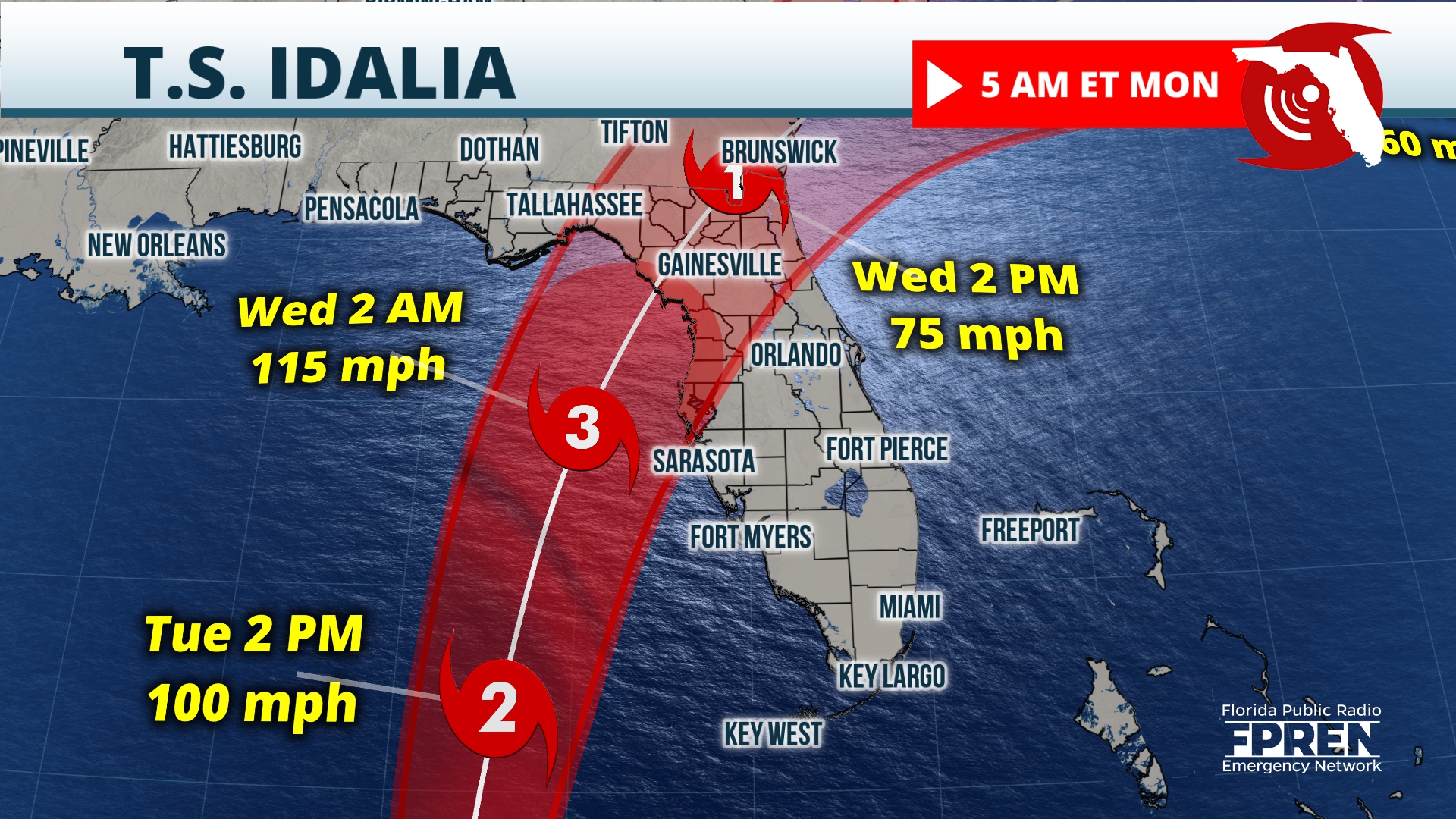
Without question, the most significant weather event to impact Florida in 2023 was Hurricane Idalia. This powerful storm underwent rapid intensification before making landfall in the Big Bend region of the state as a Category 3 hurricane on August 30th.
Path and Intensity
Idalia formed from a disturbance that moved across the southeastern United States before organizing in the Gulf of Mexico. Its track was closely monitored, with forecasts showing a strong potential for a major hurricane landfall. Idalia strengthened quickly, reaching an intensity of 125 mph sustained winds just before hitting the coast near Keaton Beach. The storm surge associated with Idalia was a particularly dangerous aspect, inundating coastal communities with record-breaking levels.

The Big Bend region, known for its remote and often undeveloped coastline, experienced significant impacts. Areas like Steinhatchee, Perry, and Crystal River faced severe flooding and wind damage. Further south, communities on the west coast, including those around Tampa Bay, also experienced substantial storm surge and coastal erosion. Inland areas received heavy rainfall, leading to localized flooding.
Impact on Tourism and Travel
The landfall of Hurricane Idalia had a profound and immediate impact on tourism across a wide swathe of Florida.
- Affected Regions: The primary areas experiencing travel disruptions were the Gulf Coast regions from the Panhandle southwards through the central west coast. This included popular destinations like the Tampa Bay metropolitan area, the nature coast, and even parts of Southwest Florida, which experienced rough seas and beach erosion.
- Cancellations and Closures: Many hotels, resorts, and vacation rental properties in affected coastal zones initiated mandatory evacuations or temporary closures. Flights into airports such as Tampa International Airport and Southwest Florida International Airport experienced cancellations and delays. Attractions, including theme parks in Orlando, while not directly in the path of the strongest winds, saw some operational adjustments due to staffing and supply chain concerns.
- Recovery and Reopening: The recovery process for affected areas was swift, with authorities working diligently to clear roads, restore power, and assess damage. Many businesses reopened within days or weeks, prioritizing guest safety and resuming operations. However, the psychological impact and the need for ongoing rebuilding meant that some areas experienced a slower return to normal tourism levels.
- Traveler Advice: For travelers with existing bookings in affected areas, it was crucial to monitor official advisories from the National Hurricane Center and airline/hotel providers. Flexibility and preparedness were key. Many travelers opted to reroute to unaffected parts of the state, such as the Atlantic coast or South Florida, which largely escaped direct impacts from Idalia.
Tropical Storm Ophelia
Later in the season, Tropical Storm Ophelia brought significant rainfall and gusty winds to the Outer Banks of North Carolina and then brushed the southeastern coast of Florida in late September. While it didn’t make landfall as a hurricane in Florida, its proximity caused notable weather impacts.
Path and Intensity
Ophelia developed off the coast of the Carolinas and initially moved inland before emerging back over the Atlantic. It then tracked southward, nearing the East Coast of Florida before making landfall in North Carolina. The storm brought heavy rains and elevated surf conditions to Florida’s east coast, from Jacksonville down to the Space Coast.
Impact on Tourism and Travel
The primary impact of Ophelia on Florida was through weather-related disruptions rather than direct wind damage.
- Coastal Conditions: East coast beaches experienced rough seas, strong rip currents, and moderate coastal flooding, impacting beach activities and potentially causing erosion.
- Rainfall and Inland Flooding: Significant rainfall occurred across parts of Northeast and Central Florida, leading to localized flooding in urban areas and impacting road conditions. This could cause delays for travelers driving through these regions.
- Air Travel: While major disruptions were less common than with Idalia, some delays at airports like Jacksonville International Airport were reported due to heavy rain and reduced visibility.
- Preparedness Measures: Residents and tourists in coastal areas were advised to be aware of beach conditions and potential flooding. For those planning outdoor excursions, monitoring weather forecasts was essential.
Broader Implications for Florida Tourism
The 2023 hurricane season, particularly with the significant impact of Hurricane Idalia, underscores the importance of hurricane preparedness for the Florida tourism industry. The state’s economy is heavily reliant on visitors enjoying its beaches, theme parks, natural attractions, and vibrant cities. Tropical cyclones, even those that don’t make direct landfall as major hurricanes, can have ripple effects that influence travel decisions.
Seasonality and Booking Considerations
Understanding the hurricane season (June 1 to November 30) is crucial for anyone planning a trip to Florida. While the peak of the season typically occurs from August through October, storms can form outside these months. Travelers are advised to:
- Purchase Travel Insurance: Comprehensive travel insurance can provide peace of mind, covering potential cancellations or interruptions due to severe weather.
- Monitor Forecasts: Stay informed about weather forecasts leading up to and during your trip. Resources like the National Hurricane Center provide real-time updates.
- Be Flexible: Have a backup plan or be open to adjusting travel dates or destinations if weather advisories are issued.
- Book with Flexible Providers: Many hotels and airlines now offer more flexible cancellation and rebooking policies, which can be advantageous during hurricane season.

Resilience and Recovery
Despite the challenges posed by storms like Idalia, Florida has a proven track record of resilience and rapid recovery. The tourism infrastructure is designed to withstand and bounce back from these events.
- Infrastructure Investment: Continuous investment in coastal defenses, infrastructure hardening, and emergency management systems helps mitigate the impact of tropical systems.
- Community Preparedness: Local communities and businesses are well-versed in hurricane preparedness protocols, ensuring swift responses to protect residents and visitors and to reopen for business as soon as it is safe.
- Economic Diversification: While tourism is a major driver, Florida’s economy is diverse, which can help support recovery efforts.
For travelers, this resilience means that while disruptions can occur, the vast majority of Florida remains a safe and welcoming destination throughout the year. Being aware of the potential for tropical activity and taking appropriate precautions is the most effective way to navigate the hurricane season and ensure a memorable and enjoyable visit to the Sunshine State. The 2023 season served as a reminder of nature’s power, but also of the preparedness and resilience that characterize Florida and its vibrant tourism landscape.
LifeOutOfTheBox is a participant in the Amazon Services LLC Associates Program, an affiliate advertising program designed to provide a means for sites to earn advertising fees by advertising and linking to Amazon.com. Amazon, the Amazon logo, AmazonSupply, and the AmazonSupply logo are trademarks of Amazon.com, Inc. or its affiliates. As an Amazon Associate we earn affiliate commissions from qualifying purchases.