
While the core of this guide focuses on understanding the Section 8 housing voucher program in California, the principles and steps involved resonate with how one might approach securing specialized accommodations or navigating complex application processes, even within the realm of travel and lifestyle. Imagine planning a unique long-term stay in a different city or seeking out a specific type of resort with particular amenities; often, the journey involves research, meeting eligibility criteria, and submitting an application. While Section 8 is a government housing assistance program, the underlying effort to find and secure suitable living arrangements shares commonalities with the meticulous planning required for memorable travel experiences, finding the perfect hotel, or immersing oneself in local tourism.

The Section 8 program, officially known as the Housing Choice Voucher Program, is a federal initiative administered by the U.S. Department of Housing and Urban Development (HUD). In California, it is implemented by Public Housing Agencies (PHAs) across the state. This program provides vital assistance to low-income families, the elderly, and disabled individuals by helping them afford safe and decent housing in the private market. The voucher essentially subsidizes a portion of the monthly rent, with the tenant typically paying no more than 30% of their adjusted income towards rent.
Navigating the application process for Section 8 can seem daunting, but breaking it down into manageable steps makes it much more accessible. This guide aims to demystify the process, providing a clear roadmap for eligible Californians seeking housing assistance.
Understanding the Eligibility Requirements
Before embarking on the application journey, it’s crucial to understand the eligibility criteria for the Section 8 program in California. These requirements are primarily based on income, family status, and citizenship or immigration status.
Income Limits
The most significant factor determining eligibility is income. HUD establishes income limits for each metropolitan area and county in California, which are updated annually. These limits are categorized based on the number of people in the household. Generally, to qualify for Section 8, a household’s annual income must be below 50% of the median income for their area. However, there are also “very low-income” limits (30% of the median income), which are prioritized for the program.
The PHA in your specific region will have the most accurate and up-to-date income limits. It’s essential to check these limits directly with your local PHA to determine if your household income falls within the eligible range. For example, in Los Angeles County, the income limits will differ from those in San Francisco County.
Family Status
The Section 8 program aims to assist specific populations, including families with children, single parents, the elderly, and individuals with disabilities. While the program is open to a broad range of applicants, certain demographics may receive preference in the application process. Factors like the presence of minor children, a household member being elderly, or a household member having a disability can influence priority on waiting lists.
Citizenship or Immigration Status
Applicants must be U.S. citizens or have eligible immigration status. This means that all members of the household applying for assistance must meet this requirement. PHAs will require documentation to verify citizenship or immigration status.
Criminal Background Checks
PHAs may also conduct criminal background checks on adult applicants. Certain criminal convictions, particularly those related to drug offenses or violent crimes, could disqualify an applicant or household from participating in the program. The specific policies regarding criminal history vary by PHA.
The Application Process: A Step-by-Step Guide
Once you’ve determined your eligibility, the next step is to navigate the application process. This typically involves several stages, from finding where to apply to submitting your application and waiting for a response.
Step 1: Identify Your Local Public Housing Agency (PHA)
The first and most critical step is to locate the PHA that serves your city or county in California. HUD designates these agencies to administer the Housing Choice Voucher Program locally. Each PHA operates independently, meaning application procedures, waiting lists, and specific requirements can vary.
You can find a list of PHAs in California on the HUD website. Searching for “[your city or county] Public Housing Agency” online will usually lead you to their official website. Many PHAs have dedicated sections for Section 8 applications.
Step 2: Obtain and Complete the Application Form
Once you’ve identified your local PHA, you’ll need to obtain their Section 8 application form. Many PHAs make these forms available for download from their websites. In some cases, you might need to visit the PHA office in person to pick up an application.
The application form will request detailed information about your household, including:
- Personal Information: Names, dates of birth, Social Security numbers, and contact information for all household members.
- Income Information: Details about all sources of income, including employment wages, public assistance, pensions, and any other financial support. You’ll likely need to provide documentation such as pay stubs, tax returns, and benefit award letters.
- Household Composition: Information about the number of family members, including ages and any disabilities or elderly status.
- Citizenship/Immigration Status: Documentation to verify the status of each household member.
- Previous Address Information: Details about your current and previous residences.
It is imperative to fill out the application accurately and completely. Any missing information or errors can lead to significant delays or even the rejection of your application. If you have any questions while filling out the form, don’t hesitate to contact your PHA for clarification.
Step 3: Submit Your Application and Get on the Waiting List
After meticulously completing the application, you will submit it to your PHA. The submission method will be specified by the PHA and could include online submission, mail, or in-person delivery.
Due to the high demand for Section 8 vouchers, most PHAs maintain waiting lists. Your application will be placed on this list, and you will be assigned a position based on various factors, including income, family status, and the preference points you may qualify for.
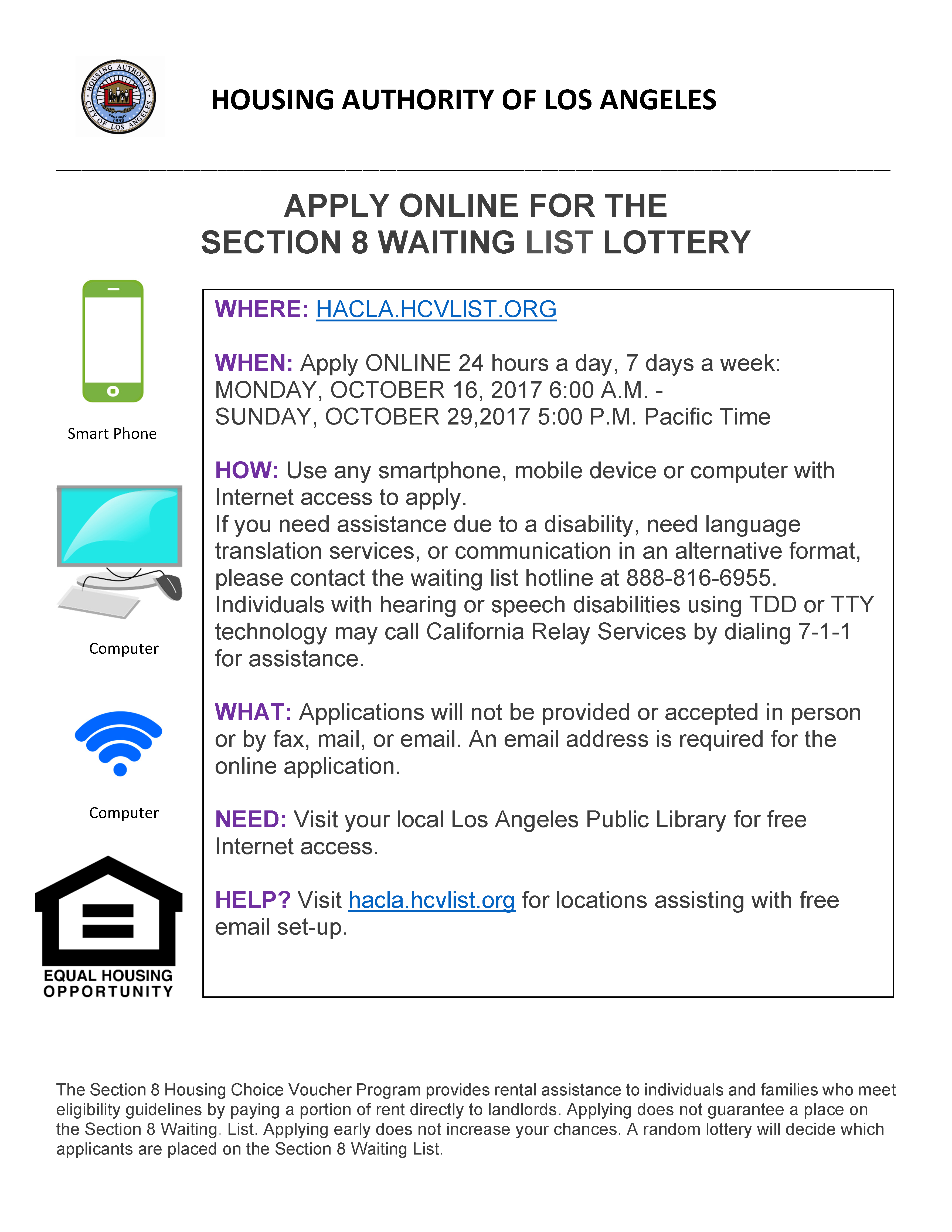
The waiting list can be lengthy, sometimes spanning months or even years. It’s crucial to be patient. Some PHAs have open waiting lists that are available year-round, while others open them periodically. You should stay informed about your PHA‘s specific policies regarding waiting lists and application openings.
Step 4: Verification and Determination of Eligibility
Once your application reaches the top of the waiting list, or when the PHA is processing a new batch of applications, they will begin the verification process. This involves:
- Income Verification: The PHA will request further documentation to verify your stated income. This may include recent pay stubs, employer verification letters, bank statements, and award letters for any benefits received.
- Asset Verification: Information about any assets you or your household members own, such as savings accounts, stocks, or property, may also be requested.
- Family Composition Verification: You may need to provide birth certificates or other documents to confirm the family members listed on your application.
- Citizenship/Immigration Status Verification: Official documentation will be required.
Based on the verified information, the PHA will determine your final eligibility and calculate your maximum monthly rent contribution (30% of your adjusted gross income).
Step 5: Voucher Issuance and Housing Search
If you are deemed eligible and a voucher becomes available, the PHA will issue you a Housing Choice Voucher. This voucher is a commitment from the PHA to pay a portion of your rent to a landlord, provided the rental unit meets program standards.
You will then have a limited amount of time (typically 60 days, though this can vary by PHA) to find a suitable rental unit. This search is your responsibility. You can look for apartments, houses, or other types of rental properties in the private market. It’s important to note that not all landlords accept Section 8 vouchers, so you will need to inquire specifically about this when you are house hunting.
When you find a potential unit, you will need to submit a Request for Tenancy Approval form to your PHA. The PHA will then inspect the unit to ensure it meets the program’s housing quality standards, which include safety and sanitation requirements. The landlord will also be required to sign a contract with the PHA.
Step 6: Lease Signing and Move-In
Once the unit passes inspection and the landlord agrees to the program’s terms, you will sign a lease agreement with the landlord and a contract with the PHA. Your rent payments will then be subsidized by the voucher. You will be responsible for paying your portion of the rent directly to the landlord, and the PHA will pay the remainder directly to the landlord.
Tips for a Smoother Application Process
Navigating the Section 8 application process can be challenging, but there are several strategies you can employ to make it smoother and increase your chances of success.
Be Thorough and Accurate
This cannot be stressed enough. Double-check every detail on your application before submitting it. Ensure all names, dates, and financial information are correct. Incomplete or inaccurate applications are the most common reason for delays and rejections.
Gather All Necessary Documents Early
Start collecting all the required documents as soon as possible. This includes proof of income (pay stubs, tax returns, benefit statements), identification, birth certificates, and any other documentation the PHA might require. Having these readily available will expedite the process once your application is being reviewed.
Stay in Contact with Your PHA
Don’t be afraid to reach out to your local PHA with questions. Their staff are there to assist applicants. If your contact information changes, update it with the PHA immediately to ensure you don’t miss any important communications.
Understand Program Rules and Preferences
Familiarize yourself with the specific rules and preference policies of your local PHA. Understanding which factors might give you priority on the waiting list (e.g., being a veteran, having a disabled family member, living in a specific zip code) can help you understand your position and timeline.
Explore Other Housing Options
While pursuing Section 8, it’s also wise to explore other housing assistance programs or options available in California. Sometimes, combining different resources or finding alternative solutions can be beneficial.
Prepare for a Long Wait
The waiting list for Section 8 vouchers can be very long. It’s important to manage your expectations and be prepared for a significant waiting period. Continue to seek housing and explore other avenues during this time.
Consider Other Voucher Types
Beyond the general Section 8 program, there might be specific vouchers or programs available for particular needs, such as vouchers for the homeless, for individuals transitioning from foster care, or for specific cities like San Diego or Oakland. Researching these can be advantageous.
Applying for Section 8 in California is a process that requires patience, diligence, and attention to detail. By understanding the eligibility requirements, following the application steps carefully, and utilizing the tips provided, you can navigate this system more effectively and work towards securing safe and affordable housing. This journey, much like planning an intricate luxury travel itinerary or finding a unique villa for a family trip, benefits greatly from thorough preparation and a clear understanding of the process.
LifeOutOfTheBox is a participant in the Amazon Services LLC Associates Program, an affiliate advertising program designed to provide a means for sites to earn advertising fees by advertising and linking to Amazon.com. Amazon, the Amazon logo, AmazonSupply, and the AmazonSupply logo are trademarks of Amazon.com, Inc. or its affiliates. As an Amazon Associate we earn affiliate commissions from qualifying purchases.