
One of the most common questions travelers and prospective residents have about the Grand Canyon State revolves around a seemingly simple concept: time. “Is Arizona Mountain Time or Pacific Time?” The answer is both straightforward and surprisingly complex, offering a unique quirk in the tapestry of United States time zones. For those planning a desert adventure, a stay at a luxurious Phoenix resort, or an exploration of Sedona‘s mystical red rocks, understanding Arizona’s time zone policies is crucial for seamless travel, timely appointments, and a thoroughly enjoyable experience. This guide will unravel the mystery, offering insights into why Arizona stands apart and how to navigate its unique timekeeping, particularly relevant for anyone exploring the state’s diverse attractions and local culture.
The Arizona Time Zone Mystery Unraveled
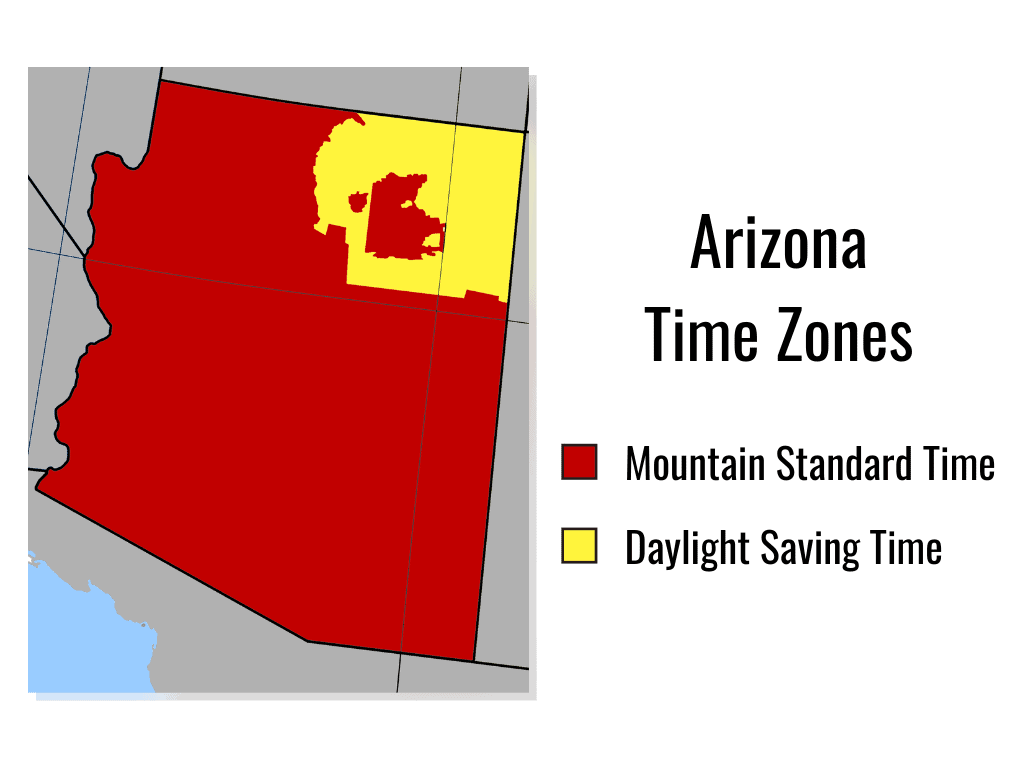
At its core, Arizona operates on Mountain Standard Time (MST) for the majority of the year. However, what makes it stand out from its neighboring states in the Mountain Time Zone is its famous decision to largely opt out of Daylight Saving Time (DST). This choice has significant implications for how Arizona’s time relates to the rest of the country, creating a seasonal shift that can initially confuse visitors and even some long-time residents.
The Permanent Mountain Standard Time State
From a purely geographical standpoint, Arizona is located within the Mountain Time Zone, alongside states like Colorado, Utah, and New Mexico. Historically, this positioned the state one hour ahead of Pacific Time and two hours behind Central Time, and three hours behind Eastern Time. This consistent base of Mountain Standard Time (UTC-7) provides a stable reference point for residents and businesses throughout the cooler months, roughly from November to March. During this period, when most of the United States has reverted to standard time, Arizona remains firmly on MST. This means if it’s 10:00 AM in Phoenix in December, it’s 9:00 AM in Los Angeles (Pacific Standard Time), and 12:00 PM in New York City (Eastern Standard Time).
Daylight Saving Time and the Arizona Anomaly
The plot thickens when Daylight Saving Time begins. Every spring, typically in March, most of the United States “springs forward” an hour, moving from standard time to daylight time. The Mountain Time Zone, for instance, shifts from Mountain Standard Time (MST) to Mountain Daylight Time (MDT). However, with the exception of the Navajo Nation (which we’ll discuss shortly), the state of Arizona does not observe Daylight Saving Time.
What this means in practical terms is that while the rest of the country moves an hour forward, Arizona stays put on Mountain Standard Time. Consequently, during the DST months (roughly from March to November), Arizona’s time aligns with Pacific Daylight Time (PDT). So, if you’re calling a friend in California or planning a trip from Las Vegas (Nevada) to Arizona in the summer, you’ll find that their time zones are identical. When it’s 3:00 PM in Phoenix, it’s also 3:00 PM in Los Angeles or Las Vegas. This temporary alignment makes Arizona feel like it’s on Pacific Time during half the year, leading to much of the confusion. When DST ends in the fall, Arizona remains on Mountain Standard Time, while its Pacific Time neighbors revert to Pacific Standard Time, once again placing Arizona an hour ahead of them.
The Navajo Nation Exception: A Unique Twist
Adding another layer of intrigue to Arizona’s timekeeping is the status of the Navajo Nation. This vast semi-autonomous tribal land, the largest in the United States, sprawls across parts of northeastern Arizona, northwestern New Mexico, and southeastern Utah. Crucially, unlike the rest of Arizona, the Navajo Nation does observe Daylight Saving Time.
Why the Navajo Nation Observes DST
The decision by the Navajo Nation to adhere to Daylight Saving Time is rooted in practicality and tribal unity. Since the Navajo Nation spans three states, two of which (New Mexico and Utah) observe DST, maintaining a consistent time across its extensive territory simplifies administration, communication, and economic activities. If the Navajo Nation in Arizona didn’t observe DST, it would be operating on a different time than the rest of the Navajo Nation lands in Utah and New Mexico, creating unnecessary confusion for tribal members and governance. This adherence ensures that all tribal offices, schools, and businesses within the Navajo Nation operate on a unified schedule, regardless of state lines.
Practical Implications for Travelers
This exception creates a fascinating time zone “island” within Arizona. When you travel into the Navajo Nation during the DST months (March to November), you will need to adjust your clock forward by one hour. This is particularly relevant for visitors heading to iconic attractions like Monument Valley, Antelope Canyon, or exploring areas near Page and Lake Powell, as these are often located within or directly adjacent to Navajo Nation territory.
To illustrate, consider a trip to Antelope Canyon. The tours are run by Navajo guides and operate on Navajo Nation time, which means they observe DST. If you’re staying in Flagstaff, which does not observe DST, and you have a 10:00 AM tour reservation, you’ll need to leave Flagstaff at 8:00 AM (local Flagstaff time) to account for the two-hour drive and the one-hour time zone change once you cross into the Navajo Nation. Many tour operators explicitly warn guests about this potential confusion, but it’s an essential detail for any well-planned itinerary.
It’s also worth noting the unique case of the Hopi Reservation, which is entirely encircled by the Navajo Nation but, like the rest of Arizona outside Navajo Nation, does not observe Daylight Saving Time. This creates an even more intricate “doughnut hole” effect, where traveling through the Hopi Reservation (which is on MST year-round) while surrounded by the DST-observing Navajo Nation requires multiple time adjustments. For most travelers, however, the primary concern will be the Navajo Nation’s DST adherence.

Historical Context and Reasons Behind Arizona’s Choice
Arizona’s decision to largely forgo Daylight Saving Time isn’t arbitrary; it’s deeply rooted in the state’s unique climate, lifestyle, and a pragmatic assessment of DST’s supposed benefits. While the rest of the United States grappled with adjusting clocks twice a year, Arizona found compelling reasons to maintain a steady schedule.
The Energy Conservation Argument
The original premise of Daylight Saving Time, largely introduced during World War I and II, was to conserve energy by maximizing natural daylight hours, thereby reducing the need for artificial lighting in the evenings. For states with temperate climates, shifting an hour of daylight from morning to evening can indeed lead to some energy savings and longer recreational evenings.
However, Arizona’s climate is anything but temperate. With scorching summer temperatures routinely soaring above 100°F (38°C) in cities like Phoenix and Tucson, the issue isn’t about saving on lighting in the evenings; it’s about minimizing the use of air conditioning. Shifting the clock forward would mean that the hottest part of the day (late afternoon) would extend further into the evening by clock time, compelling residents and businesses to run their air conditioning for an extra hour or more. This would significantly increase energy consumption rather than decrease it, directly contradicting the primary goal of DST. Therefore, from an energy perspective, not observing DST makes perfect sense for Arizona.
Lifestyle and Economic Considerations
Beyond energy, the decision also reflects Arizona’s unique lifestyle and economic considerations. With extremely hot summers, outdoor activities in the afternoon are often limited. Many residents and tourists prefer to conduct their outdoor activities – hiking, golfing, exploring – in the cooler mornings or later evenings when the sun begins to set. By staying on Mountain Standard Time year-round, Arizona effectively gives itself an earlier sunset by the clock during the summer compared to if it observed DST. This means that the intense heat of the day dissipates earlier, allowing for more comfortable evening activities without having to wait until 9 PM for the sun to drop.
For the tourism industry, a key driver for Arizona’s economy, this consistent time schedule simplifies planning for both visitors and service providers. Whether you’re booking a hot air balloon ride at sunrise in Sedona or a sunset dinner cruise on Lake Powell, the time remains stable throughout the year, reducing potential confusion for international and domestic travelers alike. The consistency also benefits daily routines, school schedules, and business operations, allowing for a more predictable rhythm of life that aligns naturally with the state’s environmental realities. This pragmatic approach to timekeeping has become an integral part of Arizona’s identity and its appeal as a destination.
Navigating Time Zones as a Visitor: Essential Tips
Understanding Arizona’s time zone quirks is not just a point of trivia; it’s a practical necessity for any visitor. Failing to account for the DST anomaly or the Navajo Nation exception can lead to missed tours, late check-ins, or confusing scheduling. With a little awareness, however, you can easily navigate these nuances and ensure a smooth, enjoyable trip to the Grand Canyon State.
Planning Your Itinerary
The most critical step in managing Arizona’s time zones is careful itinerary planning, especially if your trip falls between March and November.
- Confirm Tour Times: Always double-check the local time for booked tours, particularly those in or near the Navajo Nation, like Antelope Canyon or Monument Valley. Tour operators will often specify “Navajo Time” or “Arizona Time” to clarify.
- Accommodation Check-ins/Check-outs: If you’re driving across state lines or between the Navajo Nation and the rest of Arizona, be mindful of your hotel’s local time for check-in and check-out. For instance, if you’re traveling from Utah to Page, remember Page observes Mountain Standard Time year-round, while Utah observes Mountain Daylight Time in summer, meaning you gain an hour. If you’re traveling from the Navajo Nation back to Flagstaff, you’ll “lose” an hour.
- Flight Schedules: When booking flights, ensure you understand what “local time” means for both your departure and arrival airports. Major airports like Phoenix Sky Harbor International Airport (PHX) operate on Arizona’s year-round MST.
- Road Trips: Pay close attention to mapping apps when on a road trip that crosses into the Navajo Nation. While most modern GPS systems adjust automatically, it’s wise to have a general understanding to avoid confusion. Popular routes, such as those near the Colorado River or the area around Page (which is mostly Arizona time, but borders the Navajo Nation just east of Glen Canyon Dam), require this awareness.
Technology and Time Tracking
Modern technology is a tremendous help in navigating time zones, but it’s not foolproof.
- Smartphones and GPS: Most smartphones will automatically update to the correct local time based on cellular network data or GPS. However, confirm that your phone’s automatic time setting is enabled.
- Manual Check: When crossing into the Navajo Nation or on its borders, it’s always a good idea to manually verify the time or ask a local. Sometimes, cell service can be spotty, and your phone might not update immediately.
- Wearable Devices: Smartwatches also typically sync with your phone, but confirm their settings.

Communicating with Locals and Businesses
When in doubt, always clarify the time with locals or businesses, especially when making reservations or planning meet-ups. A simple question like “Is that Arizona time or Navajo Time?” can save a lot of hassle. This is particularly relevant for appointments, restaurant reservations, or any scheduled activities where punctuality is important. The welcoming nature of Arizona’s communities means they are generally very understanding of this common point of confusion for travelers and are happy to provide clarification.
In essence, embracing Arizona’s unique time zone situation as part of its charm rather than a challenge will enhance your journey. It’s a testament to the state’s distinctive identity, much like its stunning landscapes and rich cultural heritage. By keeping these tips in mind, you can fully immerse yourself in all the wonders the state has to offer, from the vibrant urban life of Scottsdale to the ancient mysteries of the Mesa Verde National Park (though that’s in Colorado, it’s a good example of needing to know time zones when crossing state lines).
In conclusion, Arizona operates on Mountain Standard Time year-round, effectively aligning it with Pacific Daylight Time during the summer months due to its non-observance of Daylight Saving Time. The key exception is the Navajo Nation within the state, which does observe DST. This unique timekeeping system is a fascinating aspect of traveling through the desert southwest, adding an extra layer of planning and intrigue to your adventures. With a little foresight, you’ll master Arizona’s time like a seasoned local.
LifeOutOfTheBox is a participant in the Amazon Services LLC Associates Program, an affiliate advertising program designed to provide a means for sites to earn advertising fees by advertising and linking to Amazon.com. Amazon, the Amazon logo, AmazonSupply, and the AmazonSupply logo are trademarks of Amazon.com, Inc. or its affiliates. As an Amazon Associate we earn affiliate commissions from qualifying purchases.