
For many, the allure of New York City is an almost irresistible siren song. It’s a city that pulses with an undeniable energy, a melting pot of cultures, and a global epicenter for arts, finance, fashion, and culinary innovation. The dream of not just visiting, but truly living, working, and experiencing the vibrant tapestry of life in the Empire State, is a powerful one. However, transitioning from a tourist to a bona fide resident involves more than just booking a long-term hotel stay or an extended Airbnb. It requires understanding and fulfilling specific legal and practical requirements that solidify your status as a resident of New York. This guide aims to demystify the process, offering a comprehensive overview of what it truly means to become a New York resident, encompassing both the legal definitions and the tangible steps one must take.
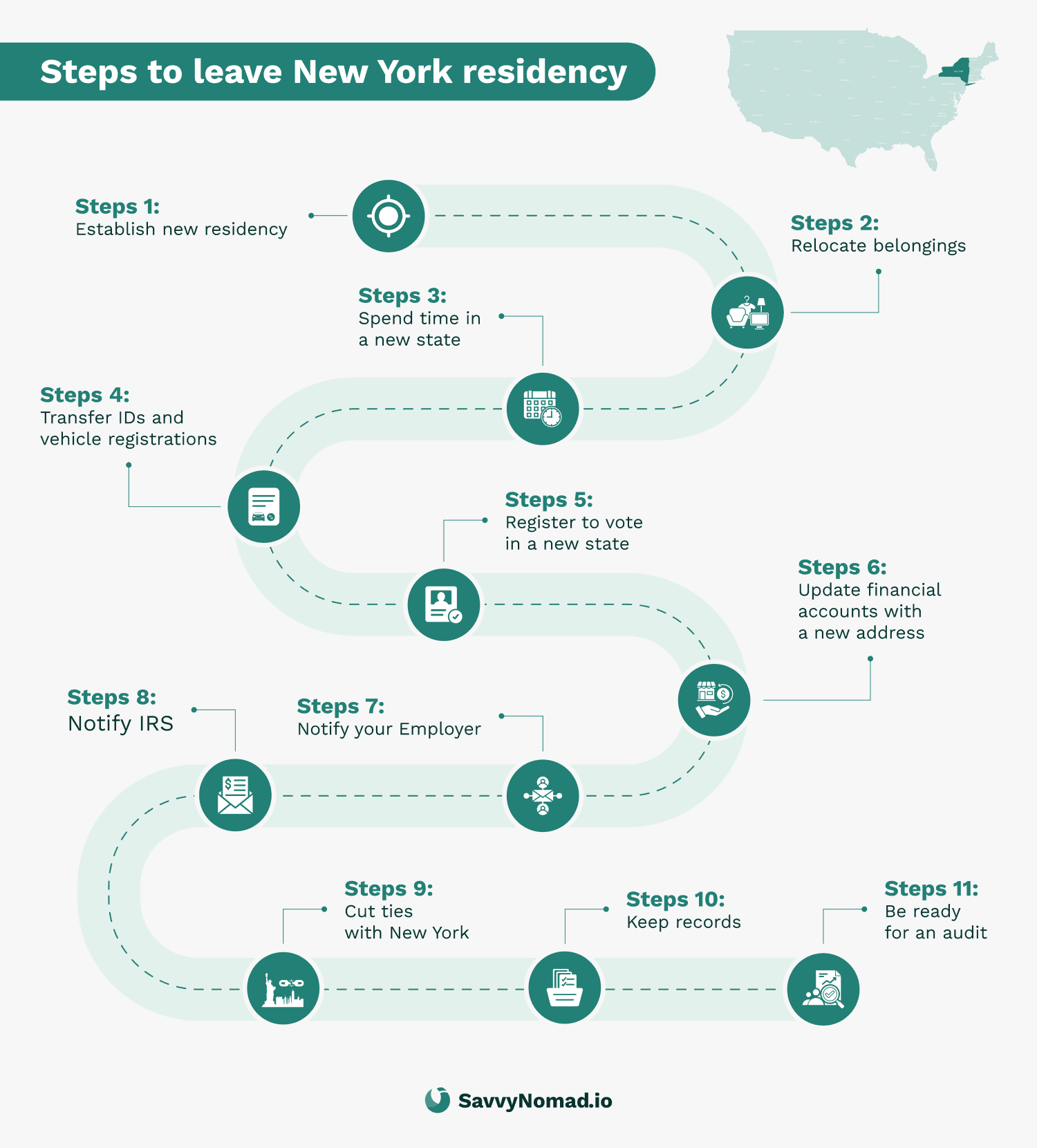
Defining Residency: More Than Just a Mailing Address
The concept of residency is multifaceted, carrying significant legal implications for taxation, voting, and accessing state-specific benefits and services. In New York, the definition of residency is primarily determined by two factors: domicile and physical presence.
Domicile: Your True Home
Your domicile is your permanent legal home, the place you intend to return to whenever you are away. This is a crucial distinction. You can be physically present in New York for extended periods without establishing it as your domicile. Conversely, you could be temporarily away from your domicile but still consider it your legal home. Establishing a domicile in New York typically involves demonstrating a clear intent to make the state your permanent home. This is often evidenced by actions such as:
- Purchasing or leasing a permanent residence: While a long-term accommodation is a step, outright ownership or a substantial lease agreement in New York strongly indicates domicile.
- Registering to vote in New York: This is a powerful indicator of intent to reside permanently.
- Obtaining a New York driver’s license or state identification: This signifies an intent to integrate into the state’s infrastructure and legal framework.
- Transferring bank accounts and financial assets to New York: Consolidating your financial life within the state further supports the claim of domicile.
- Registering your vehicles in New York: Similar to a driver’s license, this shows a commitment to the state.
- Enrolling children in New York schools: This is a significant commitment that points towards long-term residency.
Physical Presence: The Time Factor
Beyond domicile, New York law also considers the amount of time you spend physically within the state. Generally, if you spend more than 183 days in New York within a taxable year, you may be considered a resident for tax purposes, even if your domicile is elsewhere. This is a critical rule for individuals who may work in New York but maintain a primary residence in another state.
Practical Steps to Establish Residency
Becoming a legal resident involves a series of tangible actions that demonstrate your commitment to living in New York. These steps are not only legal requirements but also practical necessities for integrating into the fabric of the state.
Securing Permanent Accommodation
While short-term stays in places like the Hyatt Centric Times Square New York or a serviced apartment through Vue Apartments are common for visitors, establishing residency necessitates a more permanent housing solution. This typically means:
- Leasing an apartment: Signing a lease for an apartment in neighborhoods like the Upper West Side, Greenwich Village, or areas of Brooklyn like Williamsburg is a significant step. The length of the lease (e.g., a one-year lease) and the establishment of utility accounts in your name at this address are crucial.
- Purchasing a property: This is the most definitive way to establish a permanent address and signal your long-term commitment to New York.
- Considering different boroughs and neighborhoods: From the bustling energy of Manhattan to the diverse communities of Queens, the artistic enclaves of Brooklyn, or the suburban feel of Staten Island and parts of the Bronx, each offers a unique lifestyle and living experience. Researching these areas based on your budget, lifestyle, and proximity to work or amenities is a vital part of the process.
Obtaining a New York Driver’s License or State ID
For most new residents, obtaining a New York driver’s license or a state identification card is a fundamental step. This is not only a legal requirement if you plan to drive in the state but also serves as a widely accepted form of identification that signifies your residency. The process typically involves:
- Visiting a Department of Motor Vehicles (DMV) office: You will need to bring various forms of documentation to prove your identity, social security number, and proof of your new New York address.
- Providing proof of residency: This can include utility bills, lease agreements, or bank statements showing your New York address.
- Passing vision and written tests: If you are applying for a driver’s license for the first time or transferring an out-of-state license, you will likely need to pass these tests.
Registering to Vote
Registering to vote in New York is a powerful declaration of your intent to be a resident and participate in the civic life of the state. Once you have established your domicile in New York, you are eligible to register. You can do this online, by mail, or in person at your local board of elections. This act solidifies your connection to the state and its political processes.

Establishing Financial Connections
Consolidating your financial life in New York further solidifies your residency. This includes:
- Opening New York-based bank accounts: Switching your primary banking to an institution with a strong presence in the state, such as Chase Bank or TD Bank, demonstrates your commitment.
- Transferring investments: If applicable, moving investment accounts or financial advisors to New York further supports your residency claim.
Navigating Taxation as a New York Resident
One of the most significant implications of becoming a New York resident is your tax liability. As a resident, you are generally subject to New York state income tax on all income, regardless of where it is earned. This includes income earned outside of New York if you are considered a domiciliary resident.
Understanding State Income Tax
New York has a progressive income tax system, meaning the tax rate increases as your income increases. The state also has a city income tax for residents of New York City. It is crucial to understand these tax obligations and plan accordingly. Seeking advice from a tax professional specializing in New York taxation is highly recommended.
Other Tax Considerations
Beyond income tax, residency can also impact other tax obligations, such as:
- Sales tax: While tourists pay sales tax on purchases, residents may have different rules or exemptions depending on the item and situation.
- Property tax: If you purchase property in New York, you will be subject to local property taxes.
- Estate tax: New York has its own estate tax laws, which can be significant for individuals with substantial assets.
Integrating into New York Life
Beyond the legal and administrative aspects, becoming a true New York resident involves embracing the unique culture and lifestyle of the state.
Exploring Local Culture and Neighborhoods
New York is a mosaic of diverse cultures and vibrant neighborhoods. Delving into the local scene goes beyond visiting iconic landmarks like the Statue of Liberty or the Metropolitan Museum of Art. It involves:
- Experiencing diverse cuisines: From authentic Chinatown dumplings to Italian delicacies in the Arthur Avenue section of the Bronx, or the vibrant flavors of Jackson Heights in Queens, the culinary landscape is unparalleled.
- Engaging with the arts and entertainment: Attending Broadway shows, exploring galleries in Chelsea, catching live music in the East Village, or visiting the Lincoln Center are integral parts of the New York experience.
- Understanding neighborhood dynamics: Each borough and neighborhood has its own distinct character. Spending time exploring different areas, from the historic brownstones of Brooklyn to the trendy boutiques of SoHo, helps in finding your niche and feeling truly at home.

Accessing State Services and Benefits
As a resident, you gain access to a range of state services and benefits. This includes:
- Public education: If you have children, you are entitled to access the New York public school system.
- Healthcare: Residents are eligible for state-subsidized healthcare programs and can access medical facilities throughout the state.
- Public transportation: While tourists utilize New York’s extensive public transit system, residents often rely on it as their primary mode of getting around. Understanding the subway and bus routes is essential.
- Parks and recreation: New York boasts incredible parks, from the sprawling Central Park to the beaches of Coney Island and the hiking trails in the Adirondack Mountains (for those considering residency outside the city).
Becoming a New York resident is a journey that blends legal adherence with a genuine immersion into the state’s dynamic life. It’s about more than just obtaining documentation; it’s about forging a connection, contributing to the community, and making the Empire State your permanent home.
LifeOutOfTheBox is a participant in the Amazon Services LLC Associates Program, an affiliate advertising program designed to provide a means for sites to earn advertising fees by advertising and linking to Amazon.com. Amazon, the Amazon logo, AmazonSupply, and the AmazonSupply logo are trademarks of Amazon.com, Inc. or its affiliates. As an Amazon Associate we earn affiliate commissions from qualifying purchases.