
Supervised probation in Colorado is a critical component of the criminal justice system, offering individuals convicted of certain offenses an alternative to immediate incarceration. It is a period of court-ordered supervision that allows offenders to remain in the community while adhering to specific conditions designed to promote rehabilitation, accountability, and public safety. This form of probation is distinguished by the regular contact and oversight provided by a probation officer, who acts as a liaison between the offender, the courts, and the community.
The core philosophy behind supervised probation is multifaceted. It aims to deter future criminal behavior by imposing consequences and monitoring compliance. Simultaneously, it seeks to address the underlying issues that may have contributed to the offense through rehabilitative services, such as counseling, substance abuse treatment, or educational programs. For victims, it can offer a sense of justice and provide a framework for restitution and offender accountability. For the community, it ensures that individuals who pose a potential risk are closely monitored, thereby enhancing public safety.

In Colorado, the administration of supervised probation falls under the purview of the Colorado Department of Corrections and is managed at the county level. Probation officers are sworn agents of the court, empowered to enforce probation orders and assess an offender’s progress. The duration and specific conditions of probation vary significantly depending on the nature and severity of the crime, the offender’s criminal history, and judicial discretion.
Understanding Probation Orders and Conditions
A cornerstone of supervised probation is the formal probation order issued by the court. This legally binding document outlines the specific terms and conditions that the probationer must meet for the duration of their sentence. Failure to comply with any of these conditions can result in serious repercussions, including revocation of probation and imposition of the original jail or prison sentence.
Standard Conditions
Most supervised probation orders in Colorado include a set of standard conditions that apply broadly to all probationers. These are designed to ensure a baseline level of responsible behavior and accountability. Common standard conditions include:
- Reporting to Probation Officer: This is perhaps the most defining aspect of supervised probation. Offenders are required to meet with their assigned probation officer regularly, typically on a monthly basis, though frequency can be adjusted based on risk assessment. These meetings allow the officer to monitor compliance, assess progress, and provide guidance.
- Maintaining Law-Abiding Behavior: Probationers are strictly prohibited from committing any new criminal offenses. Any new arrest or conviction, even for a minor infraction, can have significant consequences for their probation status.
- Not Leaving the State Without Permission: Travel outside of Colorado is generally restricted and requires explicit written permission from the probation officer and potentially the court.
- Maintaining Stable Residence and Employment: Probationers are often required to demonstrate stability by maintaining a consistent address and verifiable employment or engaging in approved vocational training or education.
- Avoiding Association with Known Criminals: This condition aims to prevent a probationer from returning to negative influences and criminal networks.
- Paying Fines, Fees, and Restitution: Courts typically order probationers to pay various financial obligations, including court costs, probation supervision fees, and restitution to victims for any financial losses incurred as a result of the offense.
Special Conditions
In addition to standard conditions, courts may impose special conditions tailored to the individual circumstances of the case and the specific needs of the probationer. These are designed to address the root causes of the offense and promote rehabilitation. Examples of special conditions include:
- Substance Abuse Treatment: For offenses related to drug or alcohol use, probationers may be ordered to attend counseling, rehabilitation programs, or undergo regular drug and alcohol testing.
- Mental Health Counseling: Individuals with documented mental health issues that contributed to their criminal behavior may be required to participate in therapy or psychiatric treatment.
- Community Service: Performing unpaid work for the benefit of the community is a common condition, allowing offenders to give back and develop a sense of civic responsibility.
- Educational or Vocational Programs: To enhance employability and personal development, probationers might be mandated to complete GED programs, trade school courses, or other forms of education.
- Curfews: In some cases, a probationer may be subject to a curfew, requiring them to be at their residence during specified hours.
- No-Contact Orders: For offenses involving interpersonal violence or harassment, probationers will likely be ordered to have no contact with specific individuals, such as victims or their families.
- Electronic Monitoring: In higher-risk cases, electronic monitoring devices, such as ankle bracelets, may be used to track an offender’s whereabouts and ensure compliance with curfews or geographic restrictions.
The probation officer plays a crucial role in explaining these conditions to the probationer and monitoring their adherence. They conduct regular check-ins, home visits, and sometimes unscheduled contacts to ensure compliance.
The Role of the Probation Officer
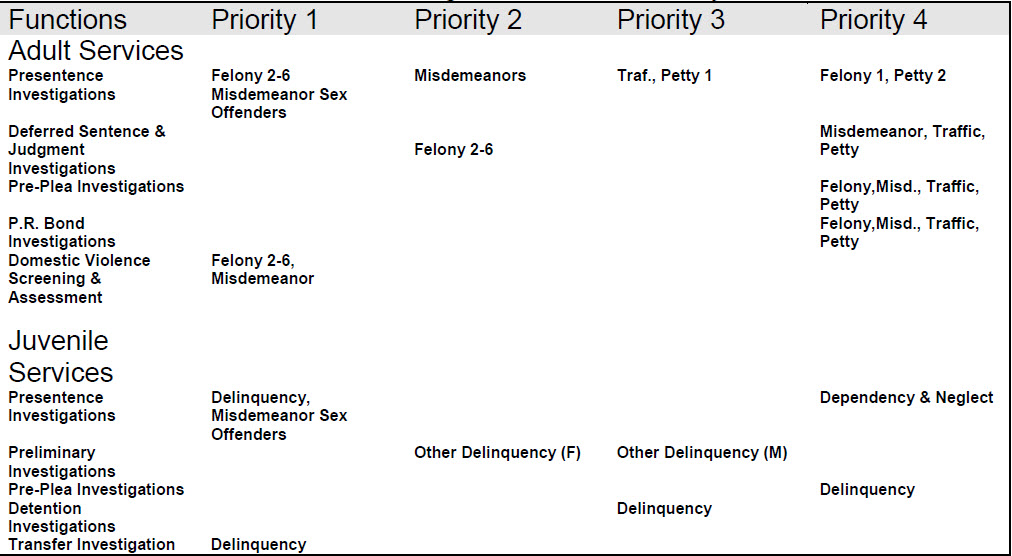
Probation officers in Colorado are professionals tasked with a dual role: to supervise offenders and to facilitate their rehabilitation. This demanding position requires a delicate balance of authority, empathy, and investigative skill.
Supervision and Enforcement
A primary function of the probation officer is to supervise the probationer’s activities and ensure compliance with all court-ordered conditions. This involves:
- Regular Meetings: Conducting scheduled and sometimes unscheduled meetings with the probationer to discuss progress, address challenges, and provide support.
- Field Visits: Performing unannounced visits to the probationer’s residence to verify their address and living situation.
- Collateral Contacts: Speaking with employers, family members, counselors, and others who may have knowledge of the probationer’s behavior and compliance.
- Monitoring Compliance: Verifying that the probationer is attending required programs, completing community service, and adhering to all other special and standard conditions.
- Reporting to the Court: Providing regular reports to the court detailing the probationer’s progress, any violations, and recommendations for further action.
Rehabilitation and Support
Beyond enforcement, probation officers are also advocates for rehabilitation. They work to connect probationers with the resources they need to address the underlying issues that led to their offense. This can include:
- Risk and Needs Assessment: Conducting assessments to identify the probationer’s risk level for reoffending and any specific needs (e.g., substance abuse, mental health, employment) that require intervention.
- Referrals to Services: Connecting probationers with appropriate treatment programs, counseling services, educational opportunities, and employment assistance.
- Motivational Interviewing: Employing techniques to encourage positive change and foster a desire for rehabilitation within the probationer.
- Guidance and Counseling: Offering general advice and support to help probationers navigate the challenges of reintegration into the community.
The relationship between a probationer and their officer can be complex. While the officer holds authority, a constructive and trusting relationship, when possible, can significantly improve the chances of successful probation completion.
Revocation of Probation
The consequences of violating probation conditions can range from a warning or a minor modification of conditions to the most severe outcome: revocation. If a probationer demonstrates persistent non-compliance or commits a serious offense, the probation officer can file a report with the court requesting a probation revocation hearing.
Grounds for Revocation
Common grounds for probation revocation include:
- Failing to report to the probation officer.
- Failing to appear for scheduled court dates.
- Committing a new criminal offense.
- Testing positive for illegal substances.
- Failing to complete mandated treatment programs.
- Failing to pay fines, fees, or restitution.
- Violating a no-contact order.

The Revocation Process
If a probationer is alleged to have violated their probation, the court will typically issue a warrant for their arrest. They are then entitled to a revocation hearing, where the judge will determine if a violation occurred. The probationer has the right to legal representation at this hearing. If the judge finds that a violation has occurred, they have several options:
- Continue Probation: The judge may decide to continue the probation, possibly with modified or stricter conditions.
- Extend Probation: The length of the probation period may be extended.
- Revoke Probation and Impose Sentence: The judge can revoke the probation and impose the original jail or prison sentence that was suspended at the time of the initial sentencing. This is the most severe consequence and means the offender will serve time in incarceration.
Successfully completing supervised probation in Colorado is a significant achievement that allows individuals to avoid or shorten periods of incarceration, offering them the opportunity to rebuild their lives, contribute to society, and avoid further involvement with the criminal justice system. It requires dedication, responsibility, and a genuine commitment to meeting the court’s expectations and the guidance of their probation officer.
LifeOutOfTheBox is a participant in the Amazon Services LLC Associates Program, an affiliate advertising program designed to provide a means for sites to earn advertising fees by advertising and linking to Amazon.com. Amazon, the Amazon logo, AmazonSupply, and the AmazonSupply logo are trademarks of Amazon.com, Inc. or its affiliates. As an Amazon Associate we earn affiliate commissions from qualifying purchases.