
Choosing a career path is a significant lifestyle decision, one that shapes daily routines, challenges, and satisfactions. For those drawn to high-stakes environments, direct patient care, and the profound impact of saving lives, becoming an Emergency Medical Technician (EMT) in California offers a dynamic and rewarding lifestyle. It’s more than just a job; it’s a commitment to a life of service, quick thinking, and continuous learning, often operating at the forefront of emergency response. This guide delves into the detailed journey of becoming an EMT in the Golden State, framing it as a distinct and fulfilling professional lifestyle.
The Calling: A Lifestyle of Service and Quick Thinking
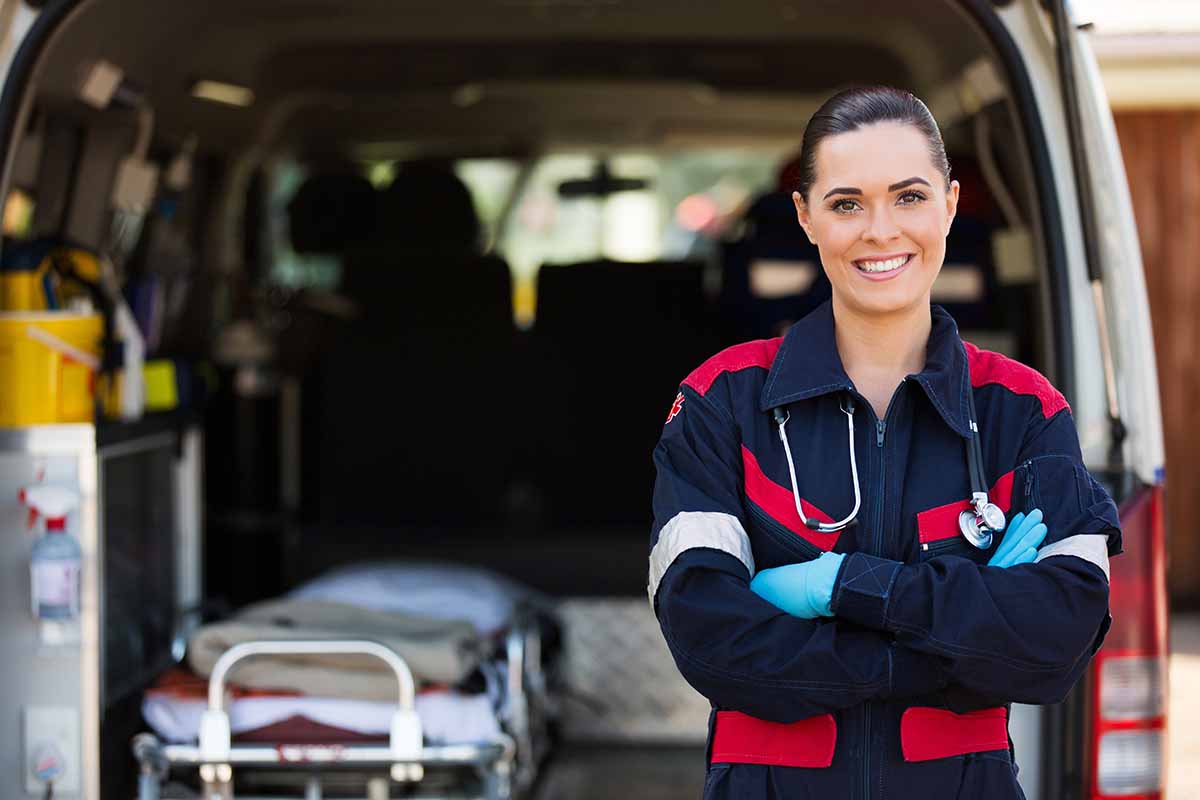
The EMT lifestyle is characterized by unpredictability, rapid decision-making, and a profound sense of purpose. EMTs are the first line of medical care outside of a hospital setting, providing critical assistance when every second counts. Embracing this path means accepting a daily reality where routine is rare and the opportunity to make a tangible difference is constant.
What Does an EMT Do?
An EMT’s responsibilities are vast and varied, extending far beyond simply transporting patients. They are trained to assess a patient’s condition, manage medical emergencies such as cardiac arrest, respiratory distress, and diabetic crises, and handle traumatic injuries like fractures, burns, and severe bleeding. This involves administering basic life support, performing CPR, using automated external defibrillators (AEDs), and providing oxygen therapy. EMTs also play a crucial role in preparing patients for transport, lifting and moving them safely, and communicating vital information to hospital staff. Beyond direct patient care, an EMT’s lifestyle involves maintaining equipment, documenting patient interactions, and ensuring readiness for the next emergency.
Why Choose a Career in Emergency Medicine?
For many, the EMT profession is a calling. It appeals to individuals who thrive under pressure, possess strong problem-solving skills, and are driven by a desire to help others in their most vulnerable moments. The satisfaction of stabilizing a patient, comforting anxious family members, and working cohesively with a team to navigate critical situations forms the core of this challenging lifestyle. Furthermore, it provides an invaluable foundation for those aspiring to advanced medical careers, such as paramedics, nurses, or physicians, offering hands-on experience and exposure to a wide range of medical scenarios that is difficult to replicate elsewhere.
Laying the Groundwork: Prerequisites for Your EMT Journey
Embarking on the EMT journey in California requires meeting specific foundational criteria. These prerequisites ensure that prospective EMTs are ready for the rigorous training and demanding nature of the job, forming the initial steps in shaping this dedicated lifestyle.
Age and Education Requirements
To begin your EMT training in California, you must typically be at least 18 years old. This age requirement ensures a level of maturity and legal responsibility necessary for the role. Academically, a high school diploma or its equivalent, such as a GED, is a mandatory prerequisite. These basic educational requirements ensure candidates have the fundamental literacy and comprehension skills needed to absorb complex medical information and communicate effectively.
Essential Personal Attributes
Beyond formal requirements, certain personal attributes are indispensable for a successful EMT lifestyle. These include:
- Composure Under Pressure: The ability to remain calm and make sound decisions in chaotic, high-stress situations.
- Empathy and Compassion: A genuine desire to alleviate suffering and provide comfort to patients and their families.
- Physical Stamina: The job often involves lifting, carrying, and maneuvering patients and equipment, sometimes in difficult environments.
- Strong Communication Skills: Clear and concise communication is vital for interacting with patients, families, fellow responders, and hospital staff.
- Problem-Solving Abilities: Quickly assessing situations, identifying problems, and implementing effective solutions.
- Teamwork: EMTs rarely work alone; effective collaboration with paramedics, firefighters, and other medical professionals is critical.
- Adaptability: The ability to adjust to rapidly changing circumstances and unexpected challenges.
Cultivating these qualities is not just about meeting job descriptions; it’s about developing the core competencies that define the EMT lifestyle and ensure effective patient care.
The Path to Certification: Education and Training in California
The core of becoming an EMT in California lies in completing an approved training program and passing national and state examinations. This structured educational path provides the knowledge and skills vital for the demanding EMT lifestyle.
Finding an Approved EMT Program
California mandates that all EMT training programs be approved by the state’s Emergency Medical Services Authority (EMSA). These programs are typically offered by community colleges, vocational schools, and private training academies across the state. Prospective students should research programs thoroughly, considering factors such as program length (usually 140-180 hours), curriculum, instructor experience, pass rates for certification exams, and clinical/field experience opportunities. An approved program is the only legitimate pathway to earning your EMT certification in California.
Curriculum and Practical Skills
EMT programs combine classroom instruction with hands-on practical training. The curriculum covers a broad spectrum of emergency medical topics, including:
- Anatomy and Physiology: Understanding the human body’s structure and function.
- Medical Terminology: Learning the language of healthcare.
- Patient Assessment: Techniques for quickly evaluating a patient’s condition.
- Airway Management and Respiration: Methods for maintaining a patient’s breathing.
- Cardiovascular Emergencies: Recognition and treatment of heart-related issues, including CPR and AED use.
- Trauma Management: Care for injuries resulting from accidents, falls, and other incidents.
- Pharmacology: Basic understanding of medications EMTs may administer or assist with.
- Medical and Behavioral Emergencies: Handling a range of conditions from diabetic emergencies to psychiatric crises.
- Special Populations: Care for pediatric, geriatric, and obstetric patients.
- Operations: Ambulance operations, scene safety, hazardous materials awareness, and mass casualty incidents.

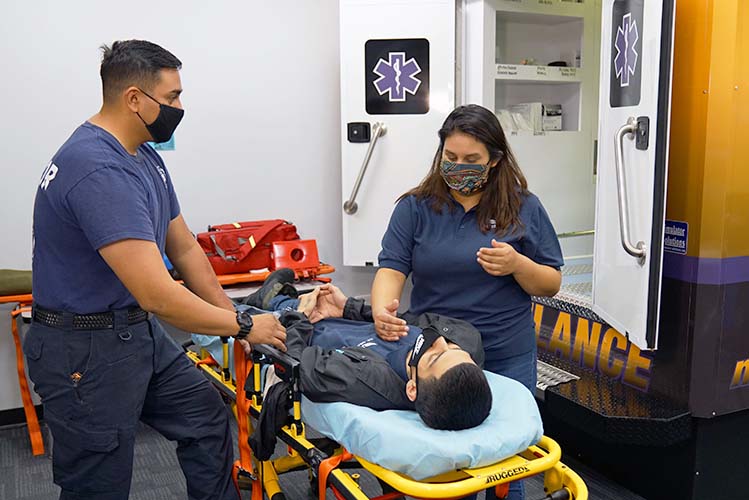
Practical skills sessions are critical, allowing students to rehearse procedures such as splinting, bandaging, spinal immobilization, and patient extrication. These hands-on experiences are fundamental to developing the practical competence required for the EMT lifestyle.
The NREMT Exam: Your National Gateway
Upon successful completion of an approved EMT training program, candidates must pass the Cognitive and Psychomotor exams administered by the National Registry of Emergency Medical Technicians (NREMT).
- Cognitive Exam: This is a computer-adaptive test that assesses your knowledge across all areas of EMT practice. It requires a strong understanding of the didactic material.
- Psychomotor Exam: This hands-on exam evaluates your ability to perform critical skills in a simulated emergency setting, such as patient assessment, trauma care, and ventilation.
Passing both components of the NREMT exam is a crucial step, as national certification is often a prerequisite for state licensure in California.
California-Specific Licensing: From National to State Recognition
Achieving NREMT certification is a significant milestone, but to practice as an EMT in California, state-specific licensing is also required. This final administrative step solidifies your official entry into the EMT lifestyle within the state.
Applying for Your California EMT License
After obtaining NREMT certification, candidates must apply for licensure through their local EMS Agency (LEMSA) in California. The application process typically involves submitting:
- Proof of NREMT certification.
- A valid government-issued ID.
- Proof of completion of an approved California EMT training program.
- Payment of application fees.
- Live Scan fingerprints for a background check.
- Proof of immunizations and health clearances.
Each LEMSA may have slightly varying specific requirements, so it’s essential to consult the relevant agency’s website for precise instructions.
Background Checks and Health Requirements
A comprehensive background check is a mandatory part of the California EMT licensing process. This typically involves fingerprinting through the Live Scan system, which checks both state and federal criminal records. A clean record is generally required, though some minor offenses may be considered on a case-by-case basis. Additionally, proof of certain immunizations (e.g., Hepatitis B, MMR, Tdap) and a physical examination confirming fitness for duty are common health requirements, reflecting the physically demanding nature of the EMT lifestyle.
Maintaining Your Certification and Continuing Education
The EMT lifestyle is one of continuous learning. California EMT certification is valid for two years and must be renewed. Renewal typically requires completing a specified number of continuing education (CE) hours, which usually align with NREMT recertification requirements. These CE hours ensure EMTs stay current with the latest medical protocols, techniques, and best practices. Some hours may need to be in specific topics, and skills verification may also be required. Failing to meet these ongoing education requirements can result in the lapse of your certification, temporarily ending your ability to practice.
The EMT Lifestyle: Opportunities and Growth in the Golden State
Once licensed, the EMT lifestyle in California opens doors to a diverse range of employment opportunities and paths for professional advancement. The demand for skilled emergency medical professionals remains high across the state, offering stability and numerous avenues for career development.
Diverse Work Environments
EMTs in California find themselves in a variety of settings, each offering a unique spin on the EMT lifestyle:
- Private Ambulance Companies: The most common employer, providing emergency and non-emergency patient transport.
- Fire Departments: Many fire departments employ EMTs, often cross-training them as firefighters, offering a dual-role lifestyle.
- Hospitals: Working in emergency departments, assisting nurses and physicians.
- Special Event Medical Teams: Providing care at concerts, sporting events, and festivals.
- Wilderness and Remote Settings: Opportunities for EMTs with specialized training in areas like search and rescue.
- Industrial Sites: Providing on-site medical coverage for large companies.
This diversity means an EMT can tailor their professional lifestyle to match their interests and career goals, from the fast-paced urban environment to more specialized roles.
Career Advancement and Specialization
The EMT certification is often a springboard to further medical training. Many EMTs pursue advanced certifications, most notably becoming a paramedic. Paramedics possess a significantly broader scope of practice, including advanced airway management, intravenous therapy, medication administration, and complex medical procedures. This represents a substantial career and lifestyle upgrade, with increased responsibility and earning potential. Beyond paramedicine, EMTs may transition into nursing, physician assistant programs, or other allied health professions, leveraging their foundational emergency medical experience. Opportunities for specialization, such as tactical EMS, critical care transport, or community paramedicine, also exist for those looking to refine their expertise within the emergency medical services field.
The Impact of Your Everyday
Ultimately, the EMT lifestyle in California is defined by its profound impact. Every shift brings new challenges and opportunities to provide immediate, often life-saving, care. It’s a career that demands resilience, compassion, and a constant drive to improve, but it repays that investment with unparalleled satisfaction. For those ready to answer the call, the journey to becoming an EMT in California is a challenging yet deeply rewarding path, offering a unique and honorable way of life dedicated to serving the community.
LifeOutOfTheBox is a participant in the Amazon Services LLC Associates Program, an affiliate advertising program designed to provide a means for sites to earn advertising fees by advertising and linking to Amazon.com. Amazon, the Amazon logo, AmazonSupply, and the AmazonSupply logo are trademarks of Amazon.com, Inc. or its affiliates. As an Amazon Associate we earn affiliate commissions from qualifying purchases.