
Navigating a period of unemployment presents significant challenges, yet understanding how to effectively collect unemployment benefits in California is a crucial step towards maintaining financial stability and managing your lifestyle during this transition. For many, unemployment is not just a financial hurdle; it’s a re-evaluation of daily routines, spending habits, and future planning, all integral aspects of one’s lifestyle. This guide delves into the specifics of the California Unemployment Insurance (UI) program, framing it within the broader context of lifestyle management, from budgeting to exploring local, cost-effective experiences.
Understanding the California Unemployment Insurance (UI) Program: A Foundation for Lifestyle Stability
The California Unemployment Insurance program, administered by the Employment Development Department (EDD), provides temporary financial assistance to eligible workers who are unemployed through no fault of their own. Understanding this system is the cornerstone of managing your financial lifestyle during joblessness, enabling you to focus on future opportunities rather than immediate financial distress.
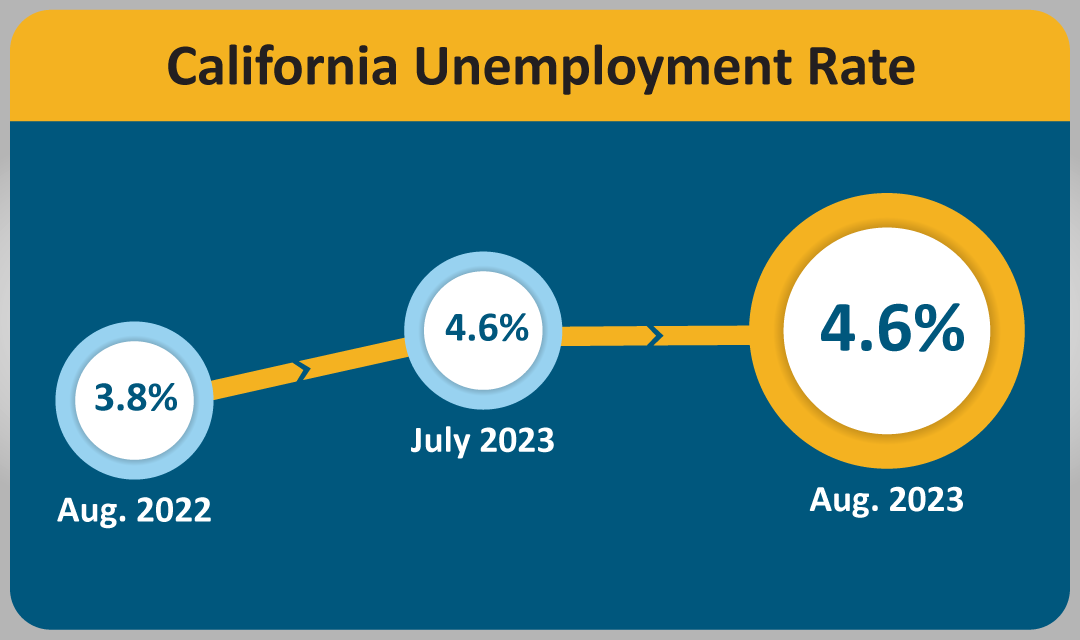
Eligibility Requirements: Who Qualifies?
To qualify for UI benefits in California, several criteria must be met, all designed to ensure the support goes to those genuinely in need and actively seeking re-employment. Firstly, you must have earned sufficient wages during a specific “base period.” This period typically looks at your earnings over the past 12-18 months. The exact amount required can vary, but generally, it ensures you’ve had a consistent work history. Secondly, you must be unemployed through no fault of your own. This typically means you were laid off, your position was eliminated, or you quit for good cause (e.g., unsafe working conditions, medical necessity). Voluntary resignation without good cause, or termination due to misconduct, generally disqualifies an applicant. Thirdly, you must be physically able to work, available for work, and actively seeking work. This last point is particularly critical for maintaining eligibility and forms a core part of the “lifestyle” of an unemployment recipient – actively engaging in job search activities. Finally, you must register for CalJOBS, California’s official job search website, within 21 days of applying for UI benefits. This emphasizes the program’s focus on re-employment and integrating job searching into your daily routine.
The Initial Application Process: Your First Step
The application process is entirely online, which streamlines access but requires careful attention to detail. The EDD website is the official portal for filing your UI claim. It’s crucial to apply as soon as you become unemployed, as benefits typically do not begin until the week you submit your application. You will need personal information, such as your Social Security number, driver’s license number, and mailing address. Additionally, you’ll need details about your last employer, including their name, address, phone number, and the dates of your employment, along with the reason for your separation. Gathering these documents beforehand can significantly expedite the application process. Accurately providing all requested information is vital to prevent delays or potential disqualifications, ensuring your financial lifestyle transition is as smooth as possible.
What to Expect After Applying: Navigating the Waiting Period
Once your application is submitted, there’s typically a waiting period. Historically, California had a one-week unpaid waiting period, meaning you wouldn’t receive benefits for the first week you were eligible. While this requirement has been temporarily waived during certain economic crises, it’s wise to budget for this possibility. During this initial phase, the EDD reviews your claim and may contact you or your former employer for additional information, potentially scheduling a phone interview. This interview is an opportunity to clarify details about your separation from work and confirm your eligibility. Receiving your “Notice of Unemployment Insurance Award” will inform you of your potential weekly benefit amount and the duration of your benefits. It’s essential to review this document carefully and appeal if you believe there’s an error, as this directly impacts your financial lifestyle planning.
Managing Your Financial Lifestyle During Unemployment
Receiving unemployment benefits is more than just getting a check; it’s about actively managing your financial landscape during a period of reduced income. This involves understanding your responsibilities, budgeting meticulously, and preparing for the financial implications of these benefits.
Certifying for Benefits: Maintaining Your Eligibility
After your claim is approved, you will need to “certify” for benefits typically every two weeks. This involves answering a series of questions online through your EDD account. You’ll report any earnings you may have had during that period, confirm your availability for work, and attest that you were actively seeking employment. The job search requirement is a cornerstone of the UI program, designed to encourage and support your re-entry into the workforce. This means you must keep a diligent record of your job search efforts, including the dates you searched, the types of work you sought, the employers you contacted, and the results of those contacts. Failing to certify or meet job search requirements can lead to delayed payments or even disqualification, directly impacting your ability to sustain your lifestyle.
Understanding Your Benefit Amount: Budgeting for Your New Reality
Your weekly benefit amount (WBA) in California is calculated based on your earnings during your base period. While there’s a minimum and maximum weekly benefit, it’s generally a percentage of your average weekly wages. It’s crucial to understand that UI benefits are typically significantly less than your full-time income. This necessitates a fundamental shift in your financial lifestyle. Creating a detailed budget is paramount. Prioritize essential expenses such as housing, food, and utilities. Cut discretionary spending where possible. Look for ways to reduce costs in areas like transportation, entertainment, and dining out. Many free resources are available, from public libraries to community events, enabling you to maintain an active, engaging lifestyle without excessive spending. This proactive budgeting is vital for ensuring your benefits stretch as far as possible.

Important Considerations: Taxes, Overpayments, and Extensions
Unemployment benefits are considered taxable income by both federal and state governments. While you can opt to have federal taxes withheld from your weekly payments, California does not withhold state taxes from UI benefits. It’s essential to account for this in your budget and financial planning to avoid a significant tax bill at year-end. Keep thorough records of all benefits received. An “overpayment” occurs when you receive benefits you were not entitled to, which can happen due to errors or misreporting. The EDD will seek to recover these funds, so always be truthful and accurate in your certifications. In times of high unemployment, federal and state governments may approve extensions to regular UI benefits. Staying informed about potential extensions is critical for long-term lifestyle planning, especially during prolonged job searches.
Embracing a Budget-Conscious Lifestyle in California
Unemployment often ushers in a period where managing expenses becomes central to daily living. However, being budget-conscious in California doesn’t mean sacrificing all enjoyment or exploration. It simply redefines your approach to local experiences, emphasizing resourcefulness and mindful spending. This aligns perfectly with the concept of “budget travel,” even when you’re staying put.
Local Exploration: Affordable Experiences and Attractions
California is rich with free or low-cost attractions that can enrich your lifestyle without straining your budget. Embrace the natural beauty that surrounds you:
- Beaches and Parks: Explore iconic beaches from Los Angeles County to San Diego, or hike the numerous state and regional parks that offer stunning vistas and recreational opportunities. Many state parks have free admission days or easily accessible trails with no entrance fee.
- Cultural Institutions: Many museums in cities like San Francisco and Los Angeles offer free admission on certain days of the month or have permanent collections that are always free to view. Check local library programs for free passes to attractions.
- Community Events: Look for free concerts in the park, farmers’ markets, street festivals, and art walks in your local community. These events provide opportunities to engage with local culture and entertainment without significant cost.
- Scenic Drives and Walks: Enjoy California’s legendary coastal drives or explore charming neighborhoods on foot. These simple activities offer profound experiences and a chance to appreciate your surroundings.
Integrating these activities into your routine helps maintain a fulfilling lifestyle, even when financial resources are limited.
Smart Living and Resource Utilization: Stretching Your Benefits
Beyond entertainment, smart living strategies are crucial for stretching your unemployment benefits. This includes cooking at home more often, planning meals to reduce waste, and utilizing coupons and sales for groceries. Consider public transportation options, which can be significantly cheaper than driving and parking, especially in major urban areas. Exploring community resources, such as food banks, job training programs, and financial counseling services, can provide additional support and insights. Libraries offer not just books but also free internet access, workshops, and sometimes even tool lending programs. Sharing resources with friends or family, such as carpooling or potluck dinners, can also contribute to cost savings and social connection.
Temporary Accommodation Strategies: Short-Term Solutions for Long-Term Goals
For some, unemployment might necessitate a re-evaluation of living arrangements. If maintaining your current accommodation becomes challenging, exploring temporary or more affordable options can be a critical lifestyle adjustment. This might include moving to a less expensive area within California, considering a temporary stay with family or friends, or exploring shared housing opportunities. While the goal is typically to secure new employment and return to a stable financial footing, these short-term accommodation strategies can prevent financial distress and allow you to conserve your benefits for essential needs. Resources like online rental platforms often list rooms for rent or short-term leases, catering to a more flexible lifestyle.
Re-entry and Future Lifestyle Planning
The ultimate goal of collecting unemployment benefits is to bridge the gap between jobs. Viewing this period as an opportunity for re-skilling and strategic planning can transform a challenging time into a foundation for a stronger future lifestyle.
Leveraging EDD Resources for Job Search and Training
The EDD is not just a benefit provider; it’s also a valuable resource for job seekers. Through CalJOBS, you can access job listings, resume building tools, and career counseling. The EDD also partners with local Workforce Development Boards across California, which offer free workshops, training programs, and job fairs. Investing your time in these resources is a productive way to fulfill your job search requirements and enhance your skills, positioning yourself for a more secure and rewarding professional lifestyle. Consider using this period to acquire new certifications or improve existing skills, making you more competitive in the job market.
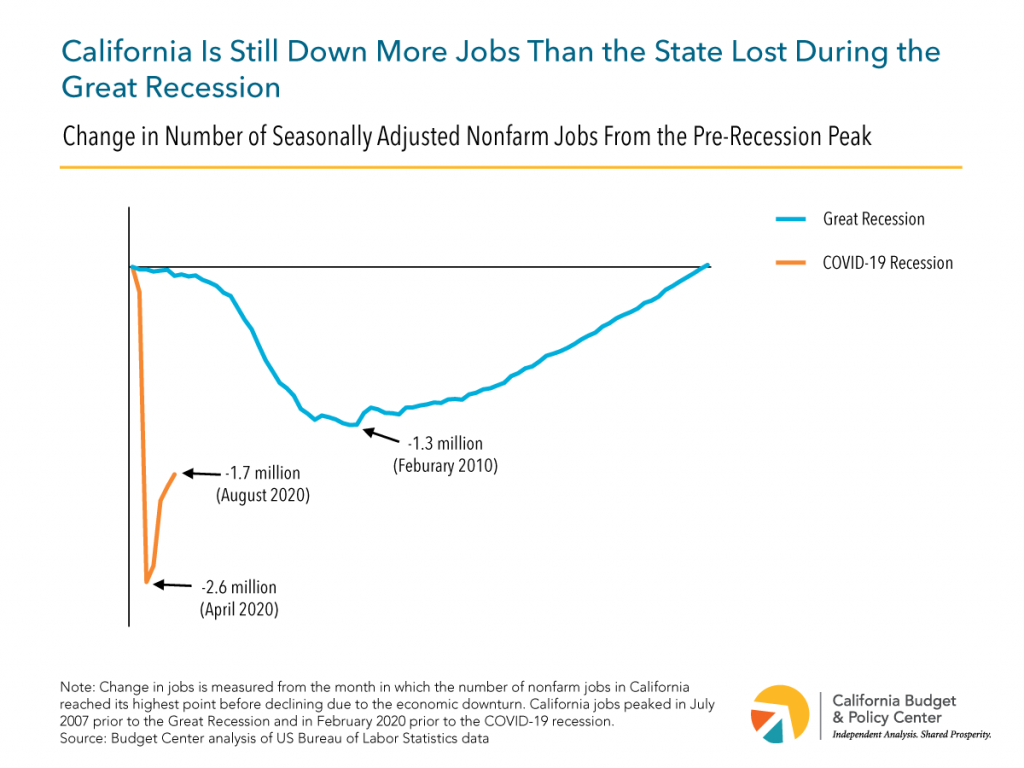
Planning for Financial Resilience: Beyond Unemployment
As you transition back into employment, it’s wise to reflect on the lessons learned during your period of unemployment. Building an emergency fund, even a small one, is a crucial step towards future financial resilience. Aim to save at least three to six months’ worth of living expenses. This fund acts as a buffer against future unexpected job losses or financial setbacks, providing peace of mind and the flexibility to maintain your desired lifestyle, including future travel or personal pursuits, without immediate reliance on benefits. Re-evaluating your budget, setting new financial goals, and consulting with financial advisors can ensure that your lifestyle choices are supported by robust financial planning. This proactive approach will empower you to live life on your terms, “out of the box,” with greater security and freedom.
LifeOutOfTheBox is a participant in the Amazon Services LLC Associates Program, an affiliate advertising program designed to provide a means for sites to earn advertising fees by advertising and linking to Amazon.com. Amazon, the Amazon logo, AmazonSupply, and the AmazonSupply logo are trademarks of Amazon.com, Inc. or its affiliates. As an Amazon Associate we earn affiliate commissions from qualifying purchases.